Washington DC Window Tint Law Explained for Residents
Washington DC window tint law sets clear rules on how dark you can tint your car windows. The District enforces specific visible light transmission (VLT) percentages for every window, including the windshield, side windows, and rear window. Understanding these rules helps residents avoid costly fines and failed inspections. This guide breaks down every legal limit, exemption, and penalty in simple terms. Read on to make sure your vehicle stays compliant with DC law.
Washington DC window tint law can feel confusing if you are a first-time car owner or new to the District. You might have seen dark-tinted cars driving around and wondered whether they are legal. The truth is, the District of Columbia has specific rules that govern how much tint you can apply to each window on your vehicle. These rules exist for safety and visibility reasons.
Whether you are planning to tint your car for the first time or you already have tint on your windows, knowing the law matters. A violation can lead to a costly ticket, failed inspection, or even the need to remove the tint entirely. This guide explains everything you need to know about Washington DC window tint law in plain language. We will walk through each window, the allowed darkness levels, reflective tint rules, exemptions, and what happens if you get caught.
The good news is that once you understand the basics, staying compliant is simple. You just need to know the numbers and work with a reputable auto tint shop that understands local regulations. Let us dive into the details so you can drive confidently and legally in the District.
Key Takeaways
- Windshield tint is only allowed on the top 5 inches and must be non-reflective in Washington DC.
- Front side windows must allow more than 70% of light through, making very dark tint illegal on the driver and passenger doors.
- Rear side windows and rear windshield can be any darkness as long as the vehicle has dual side mirrors.
- Reflective or mirrored tint is prohibited on all windows in the District.
- Medical exemptions are available for residents who need darker tint for health reasons.
- Violations can result in fines up to $500 and potential vehicle impoundment in serious cases.
- Always ask for tint certification when purchasing window film from any auto tint shop.
📑 Table of Contents
- What You Need to Know About Washington DC Window Tint Law
- Legal Tint Limits for Each Window
- Windshield and Reflective Tint Rules
- Medical Exemptions and Special Permits
- Penalties for Illegal Window Tint
- How to Stay Compliant and Choose the Right Tint
- Common Mistakes Residents Make with Window Tint
- Expert Insights on DC Tint Regulations
- Key Takeaways
- Conclusion
What You Need to Know About Washington DC Window Tint Law
The District of Columbia follows the DC Vehicle Code when it comes to window tinting. This set of regulations covers every aspect of tint darkness, reflectivity, and placement. The main measurement used in window tinting regulations is Visible Light Transmission, or VLT. VLT tells you the percentage of light that passes through your window film and glass combined.
For example, a film with 70% VLT lets 70% of light through and blocks 30%. The higher the number, the lighter the tint. The lower the number, the darker the film. Washington DC window tint law sets different VLT requirements depending on which window you are tinting. Front windows have stricter rules because they affect the driver’s view. Rear windows have more flexibility since they do not directly impact the driver’s sightline.
The law also addresses reflective tint, color restrictions, and certification requirements. Every piece of tint film sold in the District must meet specific standards. If you buy film from an unverified source, you risk installing something illegal. That is why it is important to work with professionals who understand DC vehicle code requirements inside and out.
Understanding VLT Percentages
VLT is the foundation of every tint law in the United States, and Washington DC is no exception. When a police officer pulls you over for a suspected illegal window tint, they use a tint meter to measure the VLT of each window. If the reading falls below the legal limit, you will receive a citation.
Here is a simple way to think about it. Imagine holding a piece of tinted film up to a light source. If you can see light clearly through it, the VLT is high. If it looks very dark, the VLT is low. The District requires front side windows to have a VLT above 70%. This means the tint must be very light or almost clear. Rear windows can be much darker since the law allows any level of darkness on those panels.
Legal Tint Limits for Each Window
Each window on your vehicle has its own legal limit under Washington DC window tint law. Let us break this down window by window so there is no confusion. This is the most important section for any resident planning a tint installation.
Front Side Windows (Driver and Passenger Doors)
The front side windows must allow more than 70% of visible light to pass through. In practical terms, this means you can only apply a very light tint or no tint at all on these windows. Some residents choose a nearly clear film that adds a small amount of UV protection without changing the appearance of the glass significantly.
If you want a darker look on your front doors, you will be breaking the law. DC Metropolitan Police officers are trained to identify tinted windows during routine traffic stops. A tint ticket for front side windows is one of the most common vehicle violations in the District.
Rear Side Windows
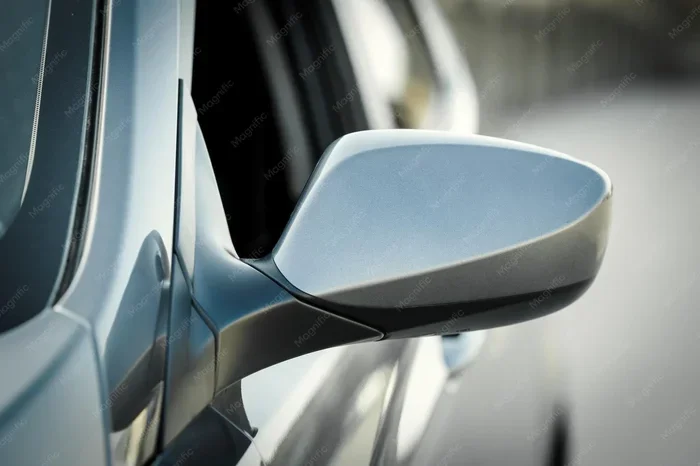
Here is where you have more flexibility. The law allows any level of tint darkness on rear side windows. You can apply a very dark film or even a fully opaque tint on these windows. However, there is one condition. Your vehicle must have functioning dual side mirrors if the rear windows are tinted beyond the standard limit.
This rule makes sense because heavily tinted rear windows reduce visibility when you are reversing or changing lanes. The side mirrors compensate for the reduced rear visibility. Most window film installation professionals will remind you of this requirement before they begin the job.
Rear Windshield
The rear windshield can also be tinted to any darkness level. Just like the rear side windows, you need dual side mirrors if the rear glass is tinted. This applies to sedans, SUVs, and hatchbacks alike. The only exception involves vehicles where the rear windshield is not a separate piece of glass, such as some older models with a fixed rear window design.
Front Windshield
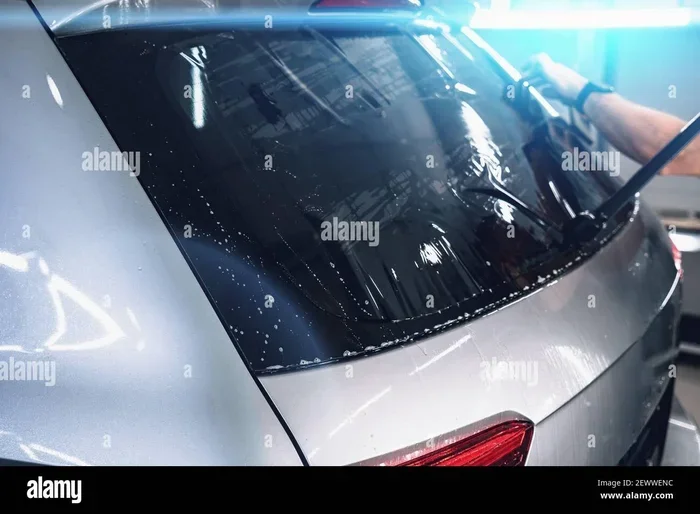
The front windshield has the most restrictive rules of all. You are only allowed to tint the top 5 inches of the windshield. This strip is commonly called the “sun strip” or “visor strip.” The tint on this area must be non-reflective. It cannot mirror or reflect light in the same way that side window tint can.
The rest of the windshield must remain completely clear. This rule exists to ensure the driver has an unobstructed view of the road ahead, especially during low-light conditions like dawn, dusk, and nighttime driving. Any tint below the 5-inch line on the windshield is considered a violation of Washington DC window tint law.
Windshield and Reflective Tint Rules
Reflective tint is a popular choice for people who want to reduce glare and heat inside their car. However, Washington DC window tint law takes a firm stance on reflective materials. The District prohibits any tint that has a mirrored or reflective appearance on all windows, including the front side, rear side, and rear windshield.
Reflective tint works by bouncing light away from the vehicle. While this can keep the interior cooler, it creates problems for other drivers. It can blind oncoming traffic and make it difficult for police officers to see inside your vehicle during a traffic stop. For these safety reasons, the District bans reflective tint entirely.
The only reflective tint allowed is on the top 5 inches of the windshield, and even then, it must be non-reflective. This means no mirror-like finish on any part of your car. If you are shopping for car window film, always ask the installer whether the film is reflective. A reputable shop will clearly label films as reflective or non-reflective before you make a purchase.
Tint Color Restrictions
Washington DC also restricts the color of tint film. Red, amber, and blue tints are not permitted on any window. These colors can distort the driver’s perception of traffic signals and brake lights. The law allows only neutral-colored tints, such as gray, charcoal, bronze, or green. These colors reduce glare and heat without changing the color of light passing through the glass.
If you are considering a colored tint for aesthetic reasons, think again. It will not pass inspection and could result in a citation. Stick with neutral tones that meet both the legal tint limits and color requirements set by the District.
Medical Exemptions and Special Permits
Not everyone can tolerate standard levels of sunlight. Some residents have medical conditions that make them extremely sensitive to UV light or heat. For these individuals, Washington DC window tint law provides a path to a darker tint through a medical exemption.
Who Qualifies for a Medical Exemption?
You may qualify for a medical exemption if you have a documented condition that requires limited sun exposure. Common qualifying conditions include lupus, eczema, photosensitivity disorders, and certain skin cancers. A licensed physician must provide written documentation explaining why darker tint is medically necessary.
The exemption application is submitted to the District Department of Motor Vehicles (DMV). If approved, you will receive a permit that allows you to tint your front side windows and windshield beyond the standard legal limits. The permit must be kept in the vehicle at all times and presented to law enforcement upon request.
How to Apply for an Exemption
The application process is straightforward but requires proper medical documentation. Start by visiting your doctor and explaining your condition. Ask them to complete a medical exemption form that details your diagnosis and the need for tinted windows. Submit this form along with your application to the DC DMV.
Once approved, you can legally install darker tint on your front windows. However, even with an exemption, reflective tint remains prohibited. The exemption only covers tint darkness, not reflectivity. Make sure your auto tint shop understands your exemption status so they can install film that meets both the exemption and the general tint regulations.
Penalties for Illegal Window Tint
Getting caught with illegal window tint in Washington DC can be expensive. The District takes tint violations seriously, and the penalties are designed to encourage compliance. Here is what you need to know about the consequences.
Fines and Citations
A tint ticket in DC can cost between $50 and $500 depending on the severity of the violation. First-time offenders typically receive a citation and a fine. The officer may also require you to remove the illegal tint within a specified timeframe. If you fail to comply, the fine can increase and additional penalties may apply.
Vehicle Inspection Failures
Washington DC requires vehicles to pass an annual safety inspection. Illegal tint will cause your vehicle to fail inspection. You will not receive a passing sticker until the tint is brought into compliance. This means you either need to remove the dark film or replace it with legal tint film before your car can be certified.
Repeated Violations
Multiple tint violations can lead to more serious consequences. Repeated offenders may face higher fines, points on their driving record, and in extreme cases, vehicle impoundment. The District does not take a lenient approach to repeat tint law violations. It is simply not worth the risk of ignoring the rules.
How to Check Your Current Tint
If you are unsure whether your current tint is legal, you have a few options. You can visit a local tint certification center where they will measure the VLT of each window using a professional tint meter. Many auto tint shop locations offer free or low-cost tint checks. You can also request a VLT reading during your next vehicle inspection.
Knowing your current tint levels gives you peace of mind. If your tint is too dark, you can plan the removal or replacement before you get pulled over. Prevention is always easier and cheaper than dealing with a citation after the fact.
How to Stay Compliant and Choose the Right Tint
Staying within Washington DC window tint law does not mean you cannot enjoy the benefits of window film. There are plenty of legal options that provide UV protection, heat reduction, and glare reduction without breaking any rules. The key is to choose the right film and work with a knowledgeable installer.
Choosing Legal Tint Film
When shopping for window film, look for products with a VLT rating above 70% for front side windows. Many manufacturers clearly label the VLT percentage on the product packaging. Ask the installer to confirm the VLT before they apply the film. This simple step can save you from an unexpected violation.
For rear windows, you have more freedom to choose darker films. Ceramic and carbon films are popular choices because they offer excellent heat rejection without a metallic or reflective appearance. These films are fully legal for rear windows and provide long-lasting performance.
Working with a Professional Installer
Always choose a licensed and experienced auto tint shop in the Washington DC area. Professional installers understand the local regulations and will recommend films that meet legal requirements. They will also ensure proper application, which affects both the appearance and the durability of the tint.
Ask the installer for a written tint certification. This document proves that the film meets DC vehicle code standards. Keep this certification in your vehicle along with your registration and insurance. If you are ever stopped by an officer, having this documentation on hand shows that you made a good-faith effort to comply with the law.
Quick Tips for Tint Compliance
- Always ask for the VLT percentage before purchasing any window film.
- Choose non-reflective tint for the windshield strip and all side windows.
- Keep your tint certification document in the vehicle at all times.
- Get your tint checked annually, especially before vehicle inspection.
- Work only with licensed and reputable auto tint shops in the DC area.
- Do not apply colored tint films such as red, amber, or blue.
- If you have a medical condition, apply for a DMV exemption before tinting.
Common Mistakes Residents Make with Window Tint
Even well-meaning residents sometimes make mistakes when it comes to window tinting regulations. Being aware of these common errors can help you avoid unnecessary fines and hassle.
One of the biggest mistakes is buying tint online without checking the VLT rating. Many online retailers sell dark tint films that look great in photos but are completely illegal for front windows in DC. Another mistake is assuming that all tint shops know the local laws. Not every installer stays up to date with changes in Washington DC window tint law. Always verify the legal limits yourself and confirm with the installer.
Some residents also forget about the dual mirror requirement for tinted rear windows. If your rear windows are dark and your vehicle does not have dual side mirrors, you are in violation of the law. Finally, people sometimes underestimate the importance of certification. Without a proper tint certificate, you have no proof of compliance if you get stopped.
Expert Insights on DC Tint Regulations
Local law enforcement officials in the District emphasize that window tint darkness is checked during routine traffic stops more often than many people realize. Officers use handheld tint meters that provide instant readings. If your front windows are too dark, you will know immediately during the stop.
Experienced window film installation professionals recommend choosing a high-quality ceramic film for rear windows. Ceramic films offer superior heat rejection and UV protection without interfering with electronic signals like GPS, radio, and phone connectivity. They also maintain their color and clarity longer than cheaper dye-based films.
From a safety perspective, the District’s tint laws are designed to protect everyone on the road. Drivers need clear visibility, especially in the busy streets and intersections of Washington DC. Tint that is too dark or too reflective compromises that visibility and puts all road users at risk. Staying compliant is not just about avoiding fines. It is about keeping yourself and others safe.
Key Takeaways
- Windshield tint is only allowed on the top 5 inches and must be non-reflective in Washington DC.
- Front side windows must allow more than 70% of light through, making very dark tint illegal on the driver and passenger doors.
- Rear side windows and rear windshield can be any darkness as long as the vehicle has dual side mirrors.
- Reflective or mirrored tint is prohibited on all windows in the District.
- Medical exemptions are available for residents who need darker tint for health reasons.
- Violations can result in fines up to $500 and potential vehicle impoundment in serious cases.
- Always ask for tint certification when purchasing window film from any auto tint shop.
Conclusion
Understanding Washington DC window tint law is essential for every vehicle owner in the District. The rules are clear once you know the VLT limits for each window, the restrictions on reflective tint, and the requirements for medical exemptions. By following these guidelines, you can enjoy the benefits of window tinting without worrying about fines or violations.
Always work with a trusted auto tint shop that understands local regulations. Choose legal films with the right VLT ratings, keep your certification documents in the vehicle, and stay informed about any changes to the DC vehicle code. Compliance is simple when you have the right information.
Take the time to review your current tint or plan your installation carefully. A little effort goes a long way toward keeping your vehicle legal and your driving experience safe and comfortable. Stay informed, stay compliant, and enjoy the ride.
Frequently Asked Questions
What is the legal tint limit for front side windows in Washington DC?
Front side windows must allow more than 70% of visible light to pass through. This means only very light tint films are legal on the driver and passenger doors. Any film that darkens the window below 70% VLT is considered illegal under DC law.
Can I tint my rear windows as dark as I want in DC?
Yes, you can tint rear side windows and the rear windshield to any darkness level. However, your vehicle must have functioning dual side mirrors if the rear windows are heavily tinted. This ensures you maintain adequate visibility when reversing and changing lanes.
Is reflective tint legal in Washington DC?
No, reflective or mirrored tint is prohibited on all windows in the District. The only exception is the top 5 inches of the windshield, and that strip must be non-reflective. Any tint with a mirrored or shiny appearance will result in a violation.
How do I get a medical exemption for darker window tint in DC?
You need a written statement from a licensed physician explaining your medical condition and the need for darker tint. Submit this documentation to the DC DMV along with your exemption application. If approved, you can legally tint your front windows beyond the standard 70% VLT limit.
What happens if I get a tint violation ticket in Washington DC?
Tint violation fines in DC range from $50 to $500 depending on the severity. You may also be required to remove the illegal tint within a specified timeframe. Repeated violations can lead to higher fines, points on your driving record, and potential vehicle impoundment.
Where can I get my tint legally installed in DC?
Choose a licensed and reputable auto tint shop that understands Washington DC window tint law. Professional installers will confirm the VLT of the film before application and provide you with a written tint certification. Always ask for certification documentation before the installation begins.