Utah Window Tint Law Here Is Everything You Need To Know
Utah window tint law sets specific rules on how dark or reflective your car windows can be. The law uses Visible Light Transmission (VLT) percentages to define legal tint levels for sedans, SUVs, and vans. Understanding these rules helps you avoid fines, pass inspections, and choose the right tint for your vehicle.
If you live in Utah or are planning to move there, you need to know the rules about Utah window tint law. These rules affect how dark you can tint your car windows, what kind of tint is allowed, and what happens if you break the rules. Whether you are buying a new vehicle or thinking about tinting your current car, understanding these laws is essential.
The state of Utah has clear guidelines for automotive window tinting. These guidelines protect drivers, passengers, and law enforcement officers. They also help ensure that every vehicle on the road meets safety standards. Let us walk through everything you need to know in a simple, easy-to-understand way.
Key Takeaways
- Front side windows must allow more than 43% VLT for sedans and passenger vehicles in Utah.
- Rear windows and rear side windows can be tinted darker on SUVs and vans, offering more flexibility.
- Windshield tint is only allowed on the top 4 inches of the glass, known as the non-reflective strip.
- Reflective tint is restricted and must not exceed a certain level on any window.
- Medical exemptions are available for those with specific skin or eye conditions that require darker tint.
- Violating Utah tint law can result in fines and even vehicle inspection failures.
- Always ask for a tint certificate from your installer to ensure compliance with Utah regulations.
📑 Table of Contents
- Understanding Utah Window Tint Law Basics
- Legal Tint Darkness Limits by Vehicle Type
- Windshield and Side Window Tint Rules
- Medical Exemptions and Special Permits
- PENALTIES FOR ILLEGAL TINT IN UTAH
- Tips for Choosing Compliant Window Tint
- Frequently Asked Questions About Utah Window Tint Law
- Conclusion
Understanding Utah Window Tint Law Basics
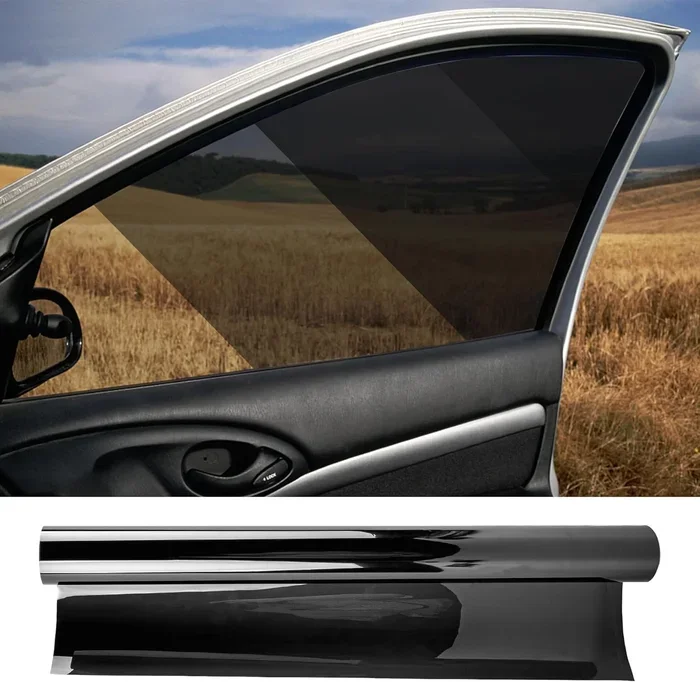
Before you dive into the specific rules, it helps to understand the basic language of window tinting regulations. The most important term you will come across is Visible Light Transmission, or VLT. This is the percentage of light that passes through your window film and into the vehicle.
A higher VLT means more light gets through. A lower VLT means the tint is darker. For example, a film with 50% VLT lets in half the light, while a film with 5% VLT lets in very little light. Utah law uses these VLT numbers to set legal limits for each window on your vehicle.
What Is VLT and Why Does It Matter?
VLT stands for Visible Light Transmission. It is measured as a percentage. The higher the percentage, the lighter the tint. The lower the percentage, the darker the tint. When you hear someone talk about tint darkness limits Utah, they are referring to VLT percentages.
Utah law cares about VLT because darker tints can reduce visibility. This can make driving at night or in bad weather more dangerous. Law enforcement officers also need to see inside your vehicle during traffic stops. That is why the state sets clear legal tint darkness limits for every window type.
How Is Tint Darkness Measured?
Tint darkness is measured using a special device called a tint meter. Police officers use this device during traffic stops to check if your tint is legal. The meter reads the VLT percentage of your window film. If your tint falls below the legal limit, you could receive a citation.
The measurement applies to each window individually. So your front doors might be legal, but your back windows might not be. This is why it is important to know the rules for every single window on your vehicle.
Legal Tint Darkness Limits by Vehicle Type
Utah window tint law treats different vehicle types differently. The rules for a sedan are not the same as the rules for an SUV or van. Below, we break down the legal tint darkness limits for each type of vehicle.
Tint Rules for Sedans
Sedans are the most common passenger vehicles on Utah roads. The tint rules for sedans are fairly strict, especially on the front windows. Here is a quick breakdown of what is allowed.
- Windshield: Non-reflective tint is allowed on the top 4 inches of the windshield.
- Front Side Windows: Must allow more than 43% VLT.
- Rear Side Windows: Must allow more than 43% VLT.
- Rear Window: Must allow more than 43% VLT.
As you can see, sedans have the same VLT requirement for all tinted windows. This means you cannot go very dark on any window if you drive a sedan in Utah. The 43% VLT rule keeps things consistent across the board.
Tint Rules for SUVs and Vans
SUVs and vans get a bit more flexibility when it comes to car window tinting laws. The rear windows on these vehicles can be tinted darker. Here is how the rules break down.
- Windshield: Non-reflective tint is allowed on the top 4 inches of the windshield.
- Front Side Windows: Must allow more than 43% VLT.
- Rear Side Windows: Any darkness level is allowed.
- Rear Window: Any darkness level is allowed.
The key difference is that SUVs and vans can tint their rear windows as dark as they want. The front side windows still must meet the 43% VLT requirement. This gives SUV and van owners more options when choosing a tint style.
Comparison Table: Sedan vs. SUV Tint Rules in Utah
| Window | Sedan VLT Requirement | SUV/Van VLT Requirement |
|---|---|---|
| Windshield | Top 4 inches, non-reflective only | Top 4 inches, non-reflective only |
| Front Side Windows | More than 43% VLT | More than 43% VLT |
| Rear Side Windows | More than 43% VLT | Any VLT allowed |
| Rear Window | More than 43% VLT | Any VLT allowed |
This table makes it easy to compare the rules at a glance. If you own a sedan, you will need to be more careful with your tint choices. If you drive an SUV or van, you have more freedom on the rear windows.
Windshield and Side Window Tint Rules
Utah has specific rules for the windshield and side windows that are worth understanding in detail. These rules focus on safety and visibility for everyone on the road.
Windshield Tint Regulations
You cannot tint the entire windshield in Utah. The law only allows a non-reflective tint strip on the top 4 inches of the windshield. This strip sits below the manufacturer’s AS-1 line, which is usually the first line of the windshield where the tinting starts from the factory.
The purpose of this rule is to keep your view of the road clear. The windshield is your primary source of visibility while driving. A fully tinted windshield would be dangerous, especially during sunrise, sunset, or in rain and snow. Utah takes this safety concern very seriously.
Side Window Tint Regulations
For side windows, the rules depend on whether you drive a sedan or an SUV. As we covered above, sedans must keep their front and rear side windows above 43% VLT. SUVs can go darker on the rear side windows.
One thing to keep in mind is that side window tint affects your peripheral vision. If your side windows are too dark, it can be hard to see other cars, pedestrians, or cyclists. This is why Utah enforces the VLT limits so strictly.
Reflective Tint Rules
Reflective tint is a type of window film that has a mirrored or metallic look. It reflects sunlight away from the vehicle, which can help keep the interior cooler. However, reflective tint can also cause glare for other drivers.
Utah law restricts reflective tint on all windows. The tint must not be more reflective than a standard window. This rule applies to both sedans and SUVs. If your tint looks like a mirror from the outside, it is likely too reflective and could get you a ticket.
Quick Tip
When choosing a tint, ask your installer for the VLT percentage of the film they plan to use. A good installer will know the Utah window tinting regulations and can recommend a film that keeps you compliant.
Medical Exemptions and Special Permits
Not everyone can tolerate standard levels of sunlight. Some people have medical conditions that make them very sensitive to UV light. Utah recognizes this and offers a medical exemption for window tinting regulations.
Who Qualifies for a Medical Exemption?
You may qualify for a medical exemption if you have a condition that requires limited sun exposure. Common qualifying conditions include lupus, porphyria, albinism, and certain skin disorders. People with severe light sensitivity or eye conditions may also qualify.
To get an exemption, you need a signed statement from a licensed physician. The statement must explain your condition and why darker window tint is medically necessary. You then submit this statement to the Utah Driver License Division for approval.
What Does an Exemption Allow?
If your exemption is approved, you can tint your windows darker than the standard legal limits. However, you must keep the exemption certificate in your vehicle at all times. You will need to show it to law enforcement if you are pulled over.
It is important to note that exemptions are not a free pass to tint every window as dark as you want. The exemption is specific to your medical condition and the windows that need protection. Your front side windows may still need to meet the 43% VLT requirement, depending on your specific case.
How to Apply for a Medical Exemption
Applying for a medical exemption is straightforward. Start by visiting your doctor and discussing your condition. Ask them to provide a detailed letter explaining why darker tint is necessary. Then, contact the Utah Driver License Division to learn the current application process and required forms.
Keep in mind that exemptions need to be renewed periodically. Check with the DMV to find out how often you need to update your exemption certificate.
PENALTIES FOR ILLEGAL TINT IN UTAH
Breaking Utah window tint law comes with consequences. The state takes tint violations seriously, and the penalties can add up quickly if you do not address them.
Fines and Citations
If an officer pulls you over and finds your tint is too dark, you will likely receive a citation. The fine for an illegal tint violation in Utah can range from a few hundred dollars to more, depending on the severity of the violation and your local jurisdiction.
First-time offenders usually pay a lower fine. Repeat offenders can face higher penalties. In some cases, you may also be required to remove the illegal tint before your vehicle can pass inspection.
Vehicle Inspection Failures
Utah requires vehicles to pass safety inspections. Illegal tint can cause your vehicle to fail the inspection. This means you cannot register your car or renew your license plates until the tint is brought into compliance.
This can be a major inconvenience, especially if you rely on your vehicle for daily commuting. To avoid this, make sure your tint meets the legal limits before your inspection date.
Common Mistakes That Lead to Tint Violations
Many people run into trouble with Utah tint law because of simple mistakes. Here are some common errors to avoid.
- Buying tint without checking the VLT percentage: Always ask for the exact VLT of the film before installation.
- Tinting the windshield below the legal strip: The top 4 inches is the only part of the windshield where tint is allowed.
- Using reflective tint: Reflective tint is restricted and can easily put you over the legal limit.
- Ignoring the vehicle type rules: SUVs and vans have different rules for rear windows than sedans do.
- Not keeping your exemption certificate handy: If you have a medical exemption, carry the paperwork with you at all times.
Expert Insight
Automotive tint professionals in Utah recommend always asking your installer for a tint certificate. This document proves the VLT of your film and can help you avoid disputes with law enforcement. A reputable installer will know the current Utah window tint law and will install your tint to meet those standards.
Tips for Choosing Compliant Window Tint
Choosing the right window tint can be overwhelming. There are so many options, and you want to make sure you stay within the law. Here are some practical tips to help you make the right choice.
Work with a Reputable Installer
The easiest way to stay compliant is to work with a professional tint installer who knows Utah regulations. A good installer will explain the legal limits and recommend a film that meets those limits. They will also provide you with a certificate showing the VLT of the installed film.
Do not try to install tint yourself unless you are very experienced. DIY tint jobs often result in uneven application, bubbles, and incorrect VLT levels. All of these issues can lead to violations.
Choose the Right Film Type
There are several types of window tint film available. Each has its own benefits and drawbacks.
- Dyed film: Affordable and provides basic heat rejection. It can fade over time.
- Metalized film: More durable and offers better heat rejection. It can interfere with electronic signals.
- Carbon film: Offers excellent heat rejection without interfering with electronics. It does not fade easily.
- Ceramic film: The highest quality option. It provides superior heat rejection, UV protection, and clarity. It is also the most expensive.
When choosing a film, consider your budget, your style preferences, and your compliance needs. All of these film types are available in different VLT levels, so you can find one that meets the Utah legal tint darkness limits.
Think About UV Protection
One of the main reasons people tint their windows is for UV protection. Quality tint films block a high percentage of harmful ultraviolet rays. This protects your skin and reduces the fading of your car’s interior.
Even if you choose a lighter tint that meets the 43% VLT requirement, you can still get excellent UV protection. Look for films that block at least 99% of UVA and UVB rays. This is a great way to protect yourself and your passengers while staying within the law.
Consider the Climate
Utah has a diverse climate. The southern part of the state is hot and dry, while the northern mountains can be cold and snowy. If you live in a hot, sunny area like St. George or Las Vegas (just across the border), you might want a tint that offers strong heat rejection.
On the other hand, if you live in a cooler area like Salt Lake City or Park City, a lighter tint might be more comfortable during the winter months. Think about your local climate when choosing your tint darkness.
Quick Tip
Before you commit to a tint, check the current Utah window tint law on the Utah Department of Public Safety website. Laws can change, and you want to make sure you are working with the most up-to-date information.
Frequently Asked Questions About Utah Window Tint Law
Can I tint my front windshield in Utah?
You can tint the top 4 inches of your windshield with a non-reflective tint. The rest of the windshield must remain clear. This rule is in place to ensure you have a clear view of the road at all times.
What happens if I get caught with illegal tint in Utah?
You will likely receive a citation and a fine. The amount of the fine depends on the severity of the violation and your local jurisdiction. You may also be required to remove the illegal tint before your vehicle can pass inspection.
Is reflective tint legal in Utah?
Reflective tint is restricted in Utah. The tint must not be more reflective than a standard window. If your tint looks like a mirror from the outside, it is probably too reflective and could result in a citation.
Can I get a darker tint with a medical exemption in Utah?
Yes, a medical exemption allows you to tint your windows darker than the standard legal limits. You will need a signed letter from a licensed physician explaining your condition. Keep the exemption certificate in your vehicle at all times.
Do tint laws apply to all vehicles in Utah?
Yes, tint laws apply to all passenger vehicles, including sedans, SUVs, vans, and trucks. However, the rules vary slightly depending on the vehicle type. SUVs and vans have more flexibility with their rear windows.
How do I know the VLT of my current window tint?
The best way to know your VLT is to ask your tint installer for a certificate. They should have records of the film they used. You can also have a tint meter test your windows at a local auto shop or tint store.
Conclusion
Understanding Utah window tint law is essential for every vehicle owner in the state. The rules are designed to keep everyone safe on the road while still allowing you to enjoy the benefits of window tinting. By knowing the legal VLT limits, choosing the right film, and working with a reputable installer, you can stay compliant and avoid costly fines.
Whether you drive a sedan or an SUV, the key is to check the VLT percentage of your tint before installation. Keep your exemption paperwork handy if you have a medical exemption. And always stay updated on any changes to the law.
Window tinting offers many benefits, including UV protection, heat reduction, and added privacy. But those benefits only matter if your tint is legal. Take the time to understand the rules, and you will enjoy your tint with peace of mind. Stay informed, stay compliant, and enjoy the ride.