South Dakota Window Tint Law Everything You Need to Know
The South Dakota window tint law sets clear rules on how dark you can tint your car windows. Knowing the legal tint percentage, reflection limits, and exemption rules helps you avoid costly tickets. This guide breaks down every requirement so you can tint your windows confidently and stay on the right side of the law.
Have you ever driven through a South Dakota parking lot and noticed how some cars look sleek with dark windows? Maybe you have been thinking about tinting your own vehicle. Before you make that call, there is one thing you need to understand: South Dakota has specific window tint laws that you must follow. These rules are not just suggestions. They are backed by the state vehicle code, and breaking them can lead to real consequences. In this article, we will walk you through everything you need to know about the South Dakota window tint law in plain, simple language.
Whether you drive a sedan, truck, or SUV, this guide covers you. We will look at legal tint limits, reflection rules, exemptions, and what happens if you get caught with illegal tint. By the end, you will feel confident about making the right choice for your vehicle. Let us dive in.
Key Takeaways
- Front side windows must allow more than 35% of light in: This is the strict VLT limit for sedans and SUVs in South Dakota.
- The windshield tint strip is limited to the top 4 inches: You can tint a small portion at the top, but it must be non-reflective.
- Rear windows have more flexibility: Any tint darkness is allowed on rear side and rear windows as long as dual side mirrors are present.
- Medical exemptions are available: You can apply for a special permit if you have a qualifying medical condition.
- Tint violations carry fines: Penalties include fines and potential vehicle inspection requirements.
- Reflection limits apply to all windows: Tint must not be overly reflective on front or back side windows.
- Sticker certification is required: A legal tint sticker must be placed on the driver’s side window.
📑 Table of Contents
- What Is the South Dakota Window Tint Law?
- Legal Tint Limits for Each Window
- Tint Reflection and Color Restrictions
- Medical Exemptions and Special Permits
- Penalties for Illegal Tint in South Dakota
- Tips for Choosing the Right Tint for Your Vehicle
- Common Mistakes People Make With Window Tint
- How South Dakota Compares to Neighboring States
- Final Thoughts on South Dakota Window Tint Law
What Is the South Dakota Window Tint Law?
The South Dakota window tint law controls how dark or reflective you can make the windows on your vehicle. These rules are found in the South Dakota Codified Laws, specifically under the vehicle equipment section. The main goal is to ensure driver visibility and safety on the road. Tinted windows can reduce glare and heat, but too much tint can make it hard to see inside your car. That is why the state sets clear limits.
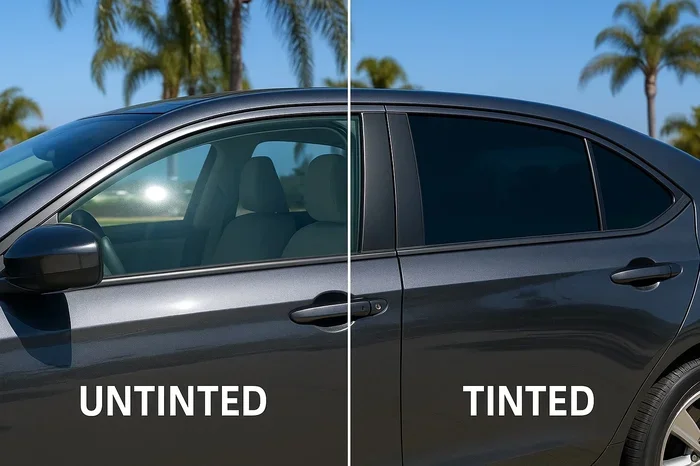
The law focuses on a measurement called Visible Light Transmission, or VLT. VLT tells you what percentage of light can pass through your window film. The lower the VLT percentage, the darker the tint. For example, a 35% VLT means 35% of light gets through, and 65% gets blocked. South Dakota sets different VLT limits depending on which window you are tinting. Let us break those down next.
Why Does VLT Matter?
VLT is the most important number in any tint law. It determines whether your tint is legal or not. Law enforcement officers use specialized tools called tint meters to measure the VLT of your windows during traffic stops. If your tint falls below the legal limit, you could get a ticket. Understanding VLT helps you choose the right film for your vehicle. It also saves you money by avoiding fines and the hassle of having to remove or replace your tint.
Legal Tint Limits for Each Window
South Dakota does not use a one-size-fits-all rule for every window. Instead, the law treats each window differently. Here is a clear breakdown of what is allowed.
Front Windshield Tint Rules
The front windshield has the strictest rules in South Dakota. You are allowed to tint the top 4 inches of the windshield, but only with a non-reflective tint. This strip is often called the sun strip or shade band. The rest of the windshield must remain clear. This rule ensures that the driver has a full view of the road ahead, especially during sunrise and sunset when glare is worst. No tint film of any darkness can be applied below that 4-inch mark on the windshield.
Front Side Window Tint Rules
For sedans and SUVs alike, the front side windows must allow more than 35% of visible light to pass through. This means your tint film must have a VLT of 35% or higher. This rule applies to the driver and passenger side windows. The purpose is to maintain good visibility for the driver and to let law enforcement see inside the vehicle during a traffic stop. If your front side windows are tinted darker than 35% VLT, you are breaking the law.
Rear Side Window Tint Rules
Here is where things get more flexible. In South Dakota, you can tint the rear side windows to any darkness you want. Whether you prefer a light 50% tint or a very dark 5% limo tint, it is legal for rear side windows. However, there is one condition: your vehicle must have dual side mirrors. The mirrors help compensate for the reduced visibility through the tinted rear windows. If your car does not have rearview mirrors on both sides, you should keep the rear windows clear.
Rear Window Tint Rules
The rear window follows the same rules as the rear side windows. You can use any tint darkness you prefer. Again, dual side mirrors are required if the rear window is tinted. This applies to all vehicle types, including sedans, SUVs, vans, and trucks. The law trusts that with proper mirrors, a dark rear window will not create a safety hazard.
Tint Reflection and Color Restrictions
Darkness is not the only factor in the South Dakota window tint law. The state also has rules about how reflective your tint can be. These rules exist because overly reflective windows can blind other drivers, especially at night or in bright sunlight.
Front and Rear Side Window Reflection Limits
Both the front side windows and rear side windows must not be more than 35% reflective. This means the tint film should have a matte or satin finish, not a mirror-like appearance. Metallic and mirrored tint films are generally not allowed on any side windows. If an officer sees a highly reflective window, they can pull you over and issue a citation.
Prohibited Tint Colors
South Dakota does not allow red, amber, or blue tint films on any vehicle window. These colors are typically reserved for emergency vehicles and can confuse other drivers. The law also restricts any tint that gives the glass a mirrored or metallic appearance. Sticking to neutral shades like gray, charcoal, bronze, or green is your safest bet. These colors are widely accepted and will not raise flags during a tint inspection.
Medical Exemptions and Special Permits
Not everyone can tolerate regular window tint. Some people have medical conditions that make them extremely sensitive to sunlight. South Dakota recognizes this and offers a tint exemption for qualifying individuals. If you have a medical condition that requires you to limit your exposure to sunlight, you may be eligible for a special permit.
Who Qualifies for a Medical Exemption?
Conditions like lupus, porphyria, severe photosensitivity, and certain skin disorders may qualify you for an exemption. You will need a signed letter from a licensed physician that explains your condition and recommends limited sun exposure. This letter must be kept in your vehicle at all times. You can present it to law enforcement if you are stopped or questioned about your tint.
How to Apply for an Exemption
To apply, you need to submit your physician’s letter to the South Dakota Department of Public Safety. They will review your application and, if approved, issue a special permit sticker. This sticker must be displayed on your vehicle. Keep in mind that even with an exemption, your tint must still meet certain safety standards. The exemption allows darker tint than the standard 35% VLT limit, but it does not give you unlimited freedom to tint as dark as you want.
Penalties for Illegal Tint in South Dakota
Getting caught with illegal window tint is not worth the risk. South Dakota takes tint violations seriously, and the penalties can add up quickly. Here is what you need to know.
Fines and Costs
A tint violation in South Dakota typically results in a fine. The exact amount can vary depending on the county and the severity of the violation. In most cases, you can expect a fine ranging from $100 to $200 for a first offense. Repeat offenses may cost more. On top of the fine, you may also be required to remove the illegal tint and pass a vehicle inspection before your car can be legally driven again.
What Happens During a Traffic Stop?
If a law enforcement officer suspects your tint is too dark, they may pull you over. They will use a tint meter to measure the VLT of your windows. If your tint fails the test, you will likely receive a citation. In some cases, the officer may give you a warning and a deadline to fix the issue. However, this is not guaranteed. Always assume that an illegal tint will result in a fine.
How to Fix an Illegal Tint
If you receive a tint ticket, do not panic. The easiest fix is to remove the illegal tint film and replace it with a legal one. Many professional tint installers can help you choose a film that meets South Dakota’s VLT requirements. Once the tint is replaced, you can present proof of compliance to dismiss the ticket or reduce your fine. Keeping your receipt from the tint shop can also help if you need to dispute the citation.
Tips for Choosing the Right Tint for Your Vehicle
Now that you know the rules, let us talk about how to choose the right tint for your car. Picking the right film is about more than just looks. You want something that is legal, durable, and effective at reducing heat and glare.
Pick the Right VLT Percentage
For front side windows, choose a film with a VLT of 35% or higher. For rear side and rear windows, you have more freedom, but consider comfort and practicality. A 20% to 35% VLT on rear windows offers a good balance of style and function. If you want maximum heat rejection, look for films with a high infrared rejection rating, even if the VLT is higher.
Go With a Professional Installer
DIY tint kits are tempting because they save money, but they often lead to bubbles, peeling, and uneven application. A professional tint installer has the tools, training, and experience to do the job right the first time. They will also know the current South Dakota tint laws and can recommend films that keep you compliant. Many installers offer warranties on their work, which gives you peace of mind.
Check Local County Regulations
While South Dakota has statewide tint laws, some counties may have additional rules or enforcement practices. It is always a good idea to check with your local Department of Motor Vehicles or law enforcement agency before getting your windows tinted. Staying informed helps you avoid surprises.
Consider Factory Tint vs. Aftermarket Tint
Some vehicles come with factory tint from the manufacturer. Factory tint usually has a VLT of around 20% to 35%, depending on the vehicle. If your car already has factory tint on the rear windows, you may not need to add aftermarket film. However, factory tint does not count toward the front side window limits. You still need to ensure your front side windows meet the 35% VLT requirement. Keep in mind that aftermarket tint is applied after the vehicle is manufactured, and it is what law enforcement measures during a tint stop.
Common Mistakes People Make With Window Tint
Even well-meaning car owners make mistakes when it comes to window tint. Avoiding these common errors can save you time, money, and frustration.
- Buying tint without checking the law: Many people buy the darkest tint they can find without checking if it is legal in South Dakota. Always verify the VLT before purchasing.
- Ignoring the windshield rules: Tinting below the top 4 inches of the windshield is illegal, even if it looks cool. Stick to the shade band only.
- Skipping the certification sticker: South Dakota requires a legal tint sticker to be placed on the driver’s side window. Without it, you may be assumed to have illegal tint.
- Choosing style over safety: Dark tint looks great, but it can reduce your ability to see pedestrians, cyclists, and other vehicles at night. Prioritize safety and legality.
- Not keeping your exemption paperwork handy: If you have a medical exemption, carry the documentation with you at all times. An officer cannot read your mind, and they need proof.
How South Dakota Compares to Neighboring States
It helps to know how South Dakota’s tint laws stack up against nearby states. Each state sets its own rules, and the differences can be significant.
In Nebraska, front side windows must also allow more than 35% VLT, which is similar to South Dakota. Minnesota is stricter, requiring 50% VLT on front side windows. Iowa allows 70% VLT on front side windows, making it one of the most restrictive states in the region. Montana is more lenient, allowing any tint darkness on rear windows, much like South Dakota. Understanding these differences is especially helpful if you frequently travel across state lines or if you recently moved to South Dakota from another state.
| State | Front Side Window VLT | Rear Window VLT | Windshield Tint |
|---|---|---|---|
| South Dakota | 35% or higher | Any darkness | Top 4 inches only |
| Nebraska | 35% or higher | Any darkness | Top 4 inches only |
| Minnesota | 50% or higher | Any darkness | Top 4 inches only |
| Iowa | 70% or higher | Any darkness | Top 4 inches only |
| Montana | No specific limit | Any darkness | Top 4 inches only |
As you can see, South Dakota’s tint laws are moderate compared to neighboring states. They strike a balance between driver comfort and road safety. If you are unsure about the rules in any state you visit, always check the local vehicle code before tinting your windows.
Final Thoughts on South Dakota Window Tint Law
The South Dakota window tint law is straightforward once you understand the basics. The front side windows must allow at least 35% of light through. The windshield can only have a non-reflective tint strip on the top 4 inches. Rear side and rear windows can be tinted to any darkness, provided you have dual side mirrors. Reflection must stay below 35%, and prohibited colors like red, amber, and blue are not allowed. Medical exemptions are available for those who qualify. And if you do run into trouble, the penalties include fines and mandatory tint removal.
Staying compliant with the South Dakota window tint law is not difficult. It just takes a little knowledge and planning. Choose a legal VLT percentage, work with a reputable tint installer, and keep your documentation in order. Whether you want to reduce glare, block UV rays, or simply give your car a sleek look, the right tint can make a big difference. Just make sure it is within the legal limits, and you will enjoy the benefits without any headaches.
Take the time to learn the rules before you tint your windows. Your wallet, your safety, and your peace of mind will thank you. Drive smart, stay legal, and enjoy the ride.
Frequently Asked Questions
What is the legal tint percentage for front side windows in South Dakota?
The legal tint percentage for front side windows in South Dakota is 35% VLT or higher. This means your tint film must allow at least 35% of visible light to pass through the glass. Any tint darker than this on the front side windows is considered illegal and can result in a fine.
Can I tint my rear windows to any darkness in South Dakota?
Yes, South Dakota allows any tint darkness on rear side windows and the rear window. However, your vehicle must have dual side mirrors if the rear windows are tinted. This ensures you have adequate visibility despite the darker rear windows.
Do I need a sticker to prove my tint is legal in South Dakota?
Yes, South Dakota requires a legal tint certification sticker to be placed on the driver’s side window. This sticker shows law enforcement that your tint meets the state’s VLT requirements. Always ask your tint installer if they provide this sticker when you have your windows tinted.
What is the penalty for illegal window tint in South Dakota?
The penalty for illegal window tint in South Dakota typically includes a fine ranging from $100 to $200. You may also be required to remove the illegal tint and pass a vehicle inspection. Repeat offenses can result in higher fines and additional legal consequences.
Can I get a medical exemption for darker window tint in South Dakota?
Yes, South Dakota offers a medical exemption for individuals with qualifying conditions like lupus or severe photosensitivity. You will need a signed letter from a licensed physician and must apply through the Department of Public Safety. Once approved, you can legally tint your windows darker than the standard limits.
Is reflective tint allowed on car windows in South Dakota?
No, reflective tint is not allowed on any side windows in South Dakota. The tint must not be more than 35% reflective on the front and rear side windows. Metallic or mirror-like finishes are prohibited. Stick to matte or satin finish films to stay compliant with the law.