75 Percent Window Tint Everything You Need to Know About It
75 percent window tint is a light shade of automotive film that blocks harmful UV rays and reduces heat while keeping your car looking sleek. It offers excellent visibility and is one of the most popular choices for drivers who want a subtle upgrade. This guide covers everything from benefits and legality to installation tips and common mistakes.
Have you been thinking about tinting your car windows but worried it might be too dark? 75 percent window tint could be the perfect solution. It is one of the lightest tint shades available, and it strikes a great balance between style, protection, and legality. Whether you want to reduce glare on long drives or protect your car interior from sun damage, this tint level delivers without going overboard.
In this guide, we will walk you through everything you need to know about 75 percent window tint. We will cover the benefits, compare it to other tint levels, discuss legality, and give you practical tips for installation. By the end, you will have a clear picture of whether this tint shade is the right choice for your vehicle.
Key Takeaways
- 75 Percent Window Tint Offers Great Balance: It provides UV protection and heat reduction without sacrificing visibility.
- It Is Legal in Most States: Unlike darker tints, 75 percent tint usually meets window tint laws across the country.
- Installation Is Straightforward: You can DIY it or hire a professional depending on your skill level.
- Multiple Film Types Exist: Dyed, carbon, ceramic, and metallic options all come in this shade.
- It Protects Your Car Interior: Blocking UV rays helps prevent fading and cracking of seats and dashboards.
- Cost Is Affordable: 75 percent tint is one of the most budget-friendly tinting options available.
📑 Table of Contents
What Is 75 Percent Window Tint?
When we talk about 75 percent window tint, we are referring to the visible light transmission (VLT) rating. VLT measures how much light the tint film allows to pass through your car windows. A 75 percent tint means that 75 percent of light gets through, and only 25 percent is blocked. This makes it one of the lightest tint options on the market.
To put it in perspective, a 50 percent tint blocks half the light, and a 5 percent tint (often called “limo tint”) blocks 95 percent of light. The 75 percent tint shade is barely noticeable from the outside. It gives your car a subtle, polished look without dramatically darkening the windows.
How Tint Percentages Work
Understanding tint percentages is easier than it sounds. The number represents the amount of visible light that passes through the film. Here is a quick breakdown of common tint levels:
- 90 percent tint: Almost no tint at all. Barely any difference from factory windows.
- 75 percent tint: Light tint. Slight darkening with added UV protection.
- 50 percent tint: Medium tint. Good balance of heat rejection and visibility.
- 35 percent tint: Noticeable darkening. Popular for style and comfort.
- 20 percent tint: Dark tint. Offers strong privacy and heat reduction.
- 5 percent tint: Very dark. Also known as limo tint. Maximum privacy.
So 75 percent window tint sits near the top of the range. It is barely visible but still provides meaningful benefits. This makes it a great starting point for anyone new to window tinting.
Benefits of 75 Percent Window Tint
You might wonder if a light tint like 75 percent is even worth it. The answer is yes. There are several real benefits that come with this tint level. Let us break them down.
UV Protection for Your Skin and Car Interior
One of the biggest advantages of 75 percent window tint is UV protection. The sun emits harmful ultraviolet rays that can damage your skin and your car interior over time. Even a light tint film can block up to 99 percent of UV rays. This means less exposure for you and your passengers on every drive.
Inside your car, UV rays cause leather seats to crack, dashboards to fade, and upholstery to look worn out. A 75 percent tint film helps preserve the interior condition of your vehicle. Over time, this can save you money on repairs and replacements.
Heat Reduction Without Darkening
Driving in a hot car is no fun. 75 percent window tint reduces solar heat significantly, even though it is a light shade. The film reflects and absorbs a portion of the sun’s energy, keeping your cabin cooler. You will notice the difference the moment you sit down in your car on a sunny day.
Because the tint is light, you still get the cooling effect without sacrificing the natural brightness inside your vehicle. It is a win-win situation for comfort and aesthetics.
Glare Reduction for Safer Driving
Glare from the sun or headlights at night can be dangerous. It strains your eyes and makes it harder to see the road. 75 percent tint reduces glare considerably, making your driving experience more comfortable and safer. This is especially helpful during early morning or late afternoon drives when the sun is low.
A Subtle, Clean Look
Not everyone wants dark, dramatic windows. Some drivers prefer a clean, understated look. 75 percent window tint gives your car a polished appearance without going too dark. It enhances the overall look of your vehicle while staying tasteful and legal in most areas.
75 Percent Window Tint vs. Other Tint Shades
Choosing the right tint shade depends on your priorities. Let us compare 75 percent window tint with some other popular options so you can make an informed decision.
75 Percent vs. 50 Percent Tint
A 50 percent tint blocks twice as much light as a 75 percent tint. It offers better heat rejection and more privacy. However, it also darkens the interior more noticeably. If you want maximum comfort and do not mind a medium-dark look, 50 percent might be the better choice. If you prefer a subtle appearance with basic protection, stick with 75 percent.
75 Percent vs. 35 Percent Tint
The 35 percent shade is a popular middle-ground option. It provides a sleek, stylish look with solid heat reduction and privacy. Compared to 75 percent tint, it is significantly darker. The 35 percent option is better for drivers who prioritize aesthetics and privacy over a nearly clear window appearance.
75 Percent vs. 20 Percent Tint
A 20 percent tint is quite dark and offers strong privacy and heat rejection. It is the go-to choice for people who want a bold, custom look. However, 20 percent tint can be too dark for some drivers, especially for the front side windows. 75 percent window tint is a much lighter alternative that still delivers real benefits.
Quick Comparison Table
| Feature | 75% Tint | 50% Tint | 35% Tint | 20% Tint |
|---|---|---|---|---|
| Light Blocked | 25% | 50% | 65% | 80% |
| Heat Reduction | Moderate | Good | Very Good | Excellent |
| Privacy Level | Low | Moderate | High | Very High |
| UV Protection | Up to 99% | Up to 99% | Up to 99% | Up to 99% |
| Visibility | Excellent | Good | Fair | Poor |
| Legal Ease | Very Easy | Easy | Moderate | Difficult |
| Style Factor | Subtle | Balanced | Sleek | Bold |
As you can see, each tint level has its strengths. 75 percent window tint shines when you want protection and a clean look without going too dark.
Is 75 Percent Window Tint Legal?
One of the most common questions about 75 percent tint is whether it is legal. The good news is that in most states and countries, 75 percent tint is perfectly legal for all windows. Because it is such a light shade, it does not raise the same concerns as darker tints.
Understanding Window Tint Laws
Window tint laws vary by location. They are usually measured by VLT percentage and apply differently to front windshields, front side windows, rear side windows, and rear windows. In many places, the front side windows must allow at least 70 percent of light through, which means 75 percent window tint complies easily.
However, laws change from state to state and country to country. Before you tint your windows, always check your local regulations. Some areas have specific rules about tint reflectivity or tint colors as well. A quick online search for your state or country’s tint laws will give you the exact numbers.
Why Legal Compliance Matters
Tinting your windows too dark can lead to fines and even require you to remove the tint. It is not worth the risk. Choosing a 75 percent tint shade is one of the safest options because it almost always falls within legal limits. You get the benefits of tinting without worrying about running into legal trouble during a traffic stop.
How to Install 75 Percent Window Tint
Installing 75 percent window tint is one of the more straightforward tinting jobs. Because the film is light, it is more forgiving during the application process. You can either do it yourself or hire a professional.
DIY Installation Steps
If you are handy and enjoy DIY projects, here is a general overview of how to install 75 percent tint film at home:
- Clean your windows thoroughly. Use a glass cleaner and a lint-free cloth. Any dust or debris will show under the film.
- Measure your window. Cut the tint film slightly larger than the window size. You can trim it down after application.
- Spray the window with soapy water. This creates a slippery surface that lets you position the film correctly.
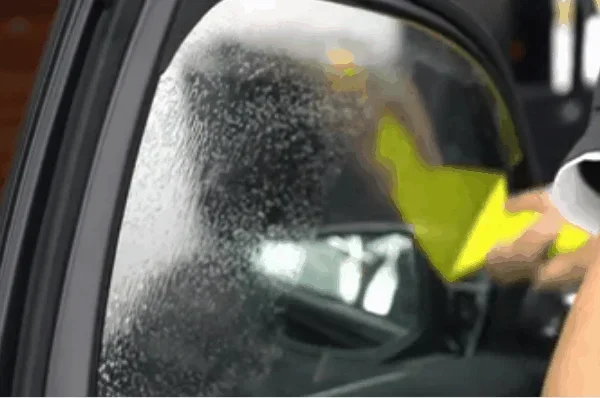
- Apply the film. Peel off the backing and spray the adhesive side with soapy water. Place it on the window and smooth it out with a squeegee.
- Squeegee out bubbles and water. Work from the center outward to push bubbles and excess water toward the edges.
- Trim the edges. Use a sharp utility knife to trim any excess film along the window edges.
- Let it cure. Avoid rolling down your windows for at least 2 to 3 days to let the adhesive set properly.
When to Hire a Professional
While DIY installation is possible, hiring a professional is often the better choice. A skilled installer will ensure a bubble-free, perfectly aligned finish. Professional installation typically costs between $100 and $300 for a full car, depending on your location and the type of film used. If you want the best results with minimal hassle, this is the way to go.
Quick Tips for a Perfect Finish
- Work on a cloudy day or indoors. Direct sunlight causes the film to dry too fast, making it hard to adjust.
- Use a heat gun to smooth out stubborn bubbles.
- Wait at least 48 hours before cleaning the tinted windows.
- Choose a high-quality 75 percent tint film from a reputable brand for the best results.
Common Mistakes to Avoid with 75 Percent Tint
Even with a light tint like 75 percent window tint, mistakes can happen. Here are some common pitfalls to watch out for.
Choosing the Wrong Film Type
Not all tint films are created equal. There are several types available, including dyed, carbon, ceramic, and metallic films. Dyed films are the most affordable but offer the least heat rejection. Carbon films provide a matte finish and decent heat protection. Ceramic films are the best performers but also the most expensive. For 75 percent tint, carbon or ceramic films are excellent choices that balance performance and cost.
Ignoring Local Tint Laws
Even though 75 percent tint is widely legal, some areas have specific restrictions. For example, some states restrict tint on the front windshield or require a medical exemption for any tint on the front side windows. Always research your local laws before purchasing and installing tint.
Skipping the Cure Time
After installation, the adhesive needs time to fully bond to the glass. Rolling down your windows too early can cause the film to peel or shift. Give your 75 percent tint at least 48 to 72 hours to cure before touching the windows.
Buying Cheap, Low-Quality Film
It is tempting to go with the cheapest option, but low-quality film can bubble, fade, or peel within months. Investing in a good-quality 75 percent window tint from a trusted brand will save you money and frustration in the long run. Look for films that come with a warranty and have positive customer reviews.
Applying Tint on Damaged Windows
If your windows have chips, cracks, or scratches, the tint will not adhere properly. It can peel off in those areas or look uneven. Always make sure your windows are in good condition before applying tint film.
Is 75 Percent Window Tint Right for You?
The answer depends on what you want from your tint. If you are looking for a subtle upgrade that adds UV protection, reduces heat, and cuts glare without darkening your windows, 75 percent window tint is an excellent choice. It is legal in most places, affordable, and easy to install.
On the other hand, if you prioritize maximum privacy or the highest level of heat rejection, you might want to consider a darker shade like 35 percent or 20 percent. The right tint level ultimately comes down to your personal preferences, your driving conditions, and your local laws.
One thing is for sure: any tint is better than no tint. Even a light 75 percent tint shade provides meaningful protection and comfort benefits that make every drive more enjoyable.
Final Thoughts
75 percent window tint is one of the best options for drivers who want a practical, legal, and subtle window tint upgrade. It blocks harmful UV rays, reduces solar heat, cuts glare, and gives your car a polished look. Whether you tint your windows yourself or hire a professional, this tint level delivers real value without breaking the bank.
Take the time to choose the right film type, follow proper installation steps, and always check your local tint laws. With the right approach, your 75 percent window tint will look great and perform well for years to come. Your car and your skin will thank you every time you hit the road.
Frequently Asked Questions
Can you see through 75 percent window tint at night?
Yes, absolutely. 75 percent window tint allows 75 percent of light to pass through, so visibility remains excellent at night. You will not experience any significant reduction in your ability to see the road or your surroundings after dark.
Is 75 percent window tint legal in all states?
In most states, 75 percent tint is legal for all windows. However, tint laws vary by location, so it is always a good idea to check your specific state or local regulations before getting your windows tinted. The vast majority of jurisdictions allow this light shade without any issues.
How much does 75 percent window tint cost?
The cost of 75 percent window tint varies depending on the film type, your vehicle size, and whether you DIY or hire a professional. On average, expect to pay between $50 and $250 for a full car. DIY kits are usually on the lower end, while professional installation costs more but delivers a more polished finish.
Does 75 percent tint block heat?
Yes, 75 percent window tint does block a significant amount of heat, even though it is a light shade. The exact amount of heat rejection depends on the film type. Ceramic and carbon films offer the best heat-blocking performance, while dyed films provide less. Look for films with a high infrared rejection rating for maximum cooling effect.
How long does 75 percent window tint last?
With proper care, 75 percent tint film can last anywhere from 5 to 10 years. Ceramic and carbon films tend to last longer and resist fading better than dyed films. Avoid using harsh chemicals or abrasive materials when cleaning your tinted windows to extend the lifespan.
Can I apply 75 percent tint on my front windshield?
In most places, tinting the front windshield is restricted or prohibited, regardless of the tint percentage. Some states allow a small strip of tint at the top of the windshield, but full windshield tinting is generally not permitted. Always check your local window tint laws before applying tint to any glass surface on your vehicle.