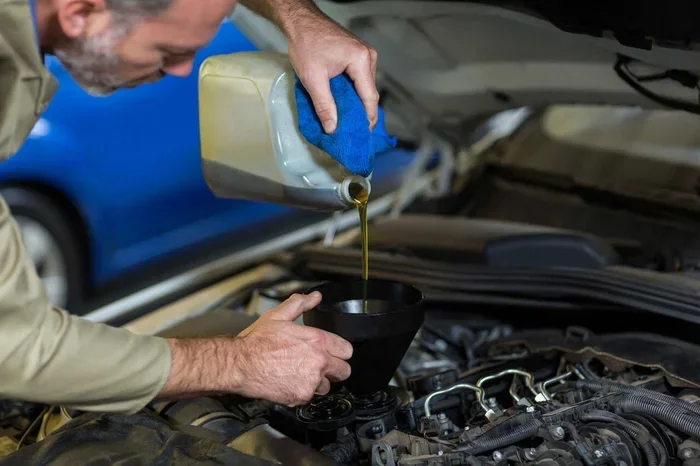
Is 4 Quarts of Oil Enough to Protect Your Car Engine
Is 4 quarts of oil enough? For most passenger cars, 4 quarts is the standard oil capacity, but the exact amount depends on your engine size and type. This guide explains how to check your oil level, avoid overfilling, and choose the right oil to keep your engine protected.
You pop the hood and see the oil fill hole. The manual says you need oil, but how much? The question Is 4 Quarts of Oil Enough comes up all the time in garages and online forums. The short answer is: for many cars, yes. But the full answer depends on your engine size, the type of oil you use, and whether you are changing the filter too.
Engine oil is the lifeblood of your car. It lubricates moving parts, reduces friction, and carries heat away from critical components. If you put in too little, the engine can overheat and wear out fast. Put in too much, and you risk foaming, leaks, and even seal damage. That is why getting the right amount matters so much.
In this guide, we will walk you through everything you need to know about oil capacity. You will learn how to check your oil level the right way, avoid common mistakes, and find out if 4 quarts is the perfect fit for your vehicle. Let us keep your engine running smooth and safe.
Key Takeaways
- 4 quarts works for many engines: Most standard cars need between 4 and 5 quarts, so 4 quarts is often correct.
- Always check your owner manual: The manual gives the exact oil capacity and the right viscosity.
- Use the dipstick to verify: Never guess the level; check it on a flat surface after the engine cools.
- Overfilling is just as bad as underfilling: Too much oil can cause foaming, leaks, and engine damage.
- Stick to the recommended oil type: Synthetic, conventional, or blend matters for engine longevity.
- Change your oil filter too: A clean filter keeps contaminants out and extends oil life.
📑 Table of Contents
What Does “Is 4 Quarts of Oil Enough” Actually Mean for Your Engine?
The phrase Is 4 Quarts of Oil Enough is really a question about oil capacity. Every engine has a crankcase that holds a specific volume of oil. The crankcase includes the oil pan at the bottom and the galleries that feed oil to the engine. When you add oil, you fill that space. The manufacturer designs the system to hold a precise amount.
For many four-cylinder engines, 4 quarts is the exact capacity. For six-cylinder and eight-cylinder engines, the number often jumps to 5, 6, or even 8 quarts. That is why you cannot give a one-size-fits-all answer. A sedan with a 2.5-liter engine might need exactly 4 quarts. A truck with a 5.0-liter V8 might need 6 quarts. The key is to match the oil volume to your engine’s design.
Another factor is whether you are changing the oil filter. Some filters hold a small amount of residual oil that drains back into the pan. When you install a new filter, it fills with oil too. In most cases, the oil capacity listed in the manual already accounts for a new filter. But if you are just topping off, you only need to add what is missing. Always check the dipstick to see the current level before you pour.
Quick Tip: Find Your Exact Oil Capacity
Do not guess. Open your owner manual and look for the “Lubrication” or “Capacities” section. You will see the oil capacity with a filter and without a filter. Write that number down. It is the only way to know for sure if 4 quarts is right for your car.
How to Check Your Oil Level Accurately
Knowing how to read the dipstick is a basic skill every driver should have. A wrong reading can lead you to add too much or too little oil. The process is simple, but it must be done correctly.
First, park your car on a flat surface. Turn off the engine and wait at least 5 to 10 minutes. This lets the oil drain back into the oil pan. If you check it right after driving, the level will appear lower than it really is. That can trick you into adding extra oil you do not need.
Next, pull out the dipstick, wipe it clean with a rag, and slide it back in all the way. Wait a second, then pull it out again. Look at the oil level on the crosshatch or marks at the tip. You want the oil to fall between the “Full” and “Add” lines. If it is below the “Add” line, you need to pour in a quart or two. If it is above the “Full” line, you have too much.
Should You Check Oil When Cold or Warm?
Many people wonder about this. The answer is you can check it either way, but be consistent. Most manufacturers recommend checking oil when the engine is cool, meaning you have not driven it for at least 10 minutes. This gives the most accurate reading because the oil has settled fully in the pan. If you check it warm, some oil is still clinging to engine parts and the crankcase walls, which can give a false low reading.
Quick Tip: Use the Right Dipstick Technique
- Always wipe the dipstick clean before reinserting.
- Push it all the way in before pulling it out again.
- Read the level at eye level to avoid a parallax error.
- Check oil at the same time of day for consistency.
Common Mistakes That Lead to Oil Problems
Even experienced car owners make mistakes with oil. These errors can shorten engine life or cause expensive repairs. Let us look at the most common ones and how to avoid them.
Overfilling the Crankcase
This is one of the biggest dangers. When you pour in too much oil, the level rises above the crankshaft. As the crankshaft spins, it whips the excess oil into a froth. This froth, or foam, does not lubricate properly. It can cause oil pressure to drop, leading to increased engine wear. In severe cases, the oil can push past seals and gaskets, causing leaks. If you overfill by just a little, it is not a disaster, but you should drain the excess as soon as possible.
Underfilling the Oil System
On the other side, too little oil means parts are not fully coated. The engine runs dry in spots, which creates metal-on-metal friction. Over time, this causes overheating, scoring, and eventually engine failure. Underfilling often happens when a driver adds a little oil but never checks the level again. The oil slowly burns off or leaks out, and the engine suffers. Always top off to the full mark and recheck after a few days of driving.
Ignoring Oil Leaks
If you find yourself adding oil every week, you have a leak. A small drip from the oil pan gasket, valve cover gasket, or oil filter can waste quarts over time. Many people ignore these signs and just keep topping off. That is a band-aid fix. The real problem is still there, eating away at your engine. Look for oil spots under your car, a burning oil smell, or blue smoke in the exhaust. Address leaks early to protect your engine and avoid frequent oil purchases.
Common Mistakes at a Glance
- Adding oil without checking the current level first.
- Using the wrong viscosity oil, like 10W-30 instead of 5W-20.
- Forgetting to replace the oil filter during a change.
- Over-tightening the drain plug or oil filter, which can strip threads.
- Driving with the oil light on, even for a short distance.
Which Cars Need Exactly 4 Quarts of Oil?
The answer to Is 4 Quarts of Oil Enough depends heavily on your vehicle. Most standard passenger cars with four-cylinder engines use 4 to 5 quarts. Trucks and larger engines need more. Here is a simple comparison table to give you a clear picture.
| Engine Type | Typical Oil Capacity (with filter) | Does 4 Quarts Work? |
|---|---|---|
| 4-cylinder sedan (2.0L–2.5L) | 4.5–5.0 quarts | Close, but may need a top-off |
| 4-cylinder compact (1.5L–1.8L) | 3.5–4.0 quarts | Yes, perfect fit |
| V6 sedan (3.0L–3.6L) | 5.0–6.0 quarts | No, need more |
| V8 truck (5.0L–5.7L) | 6.0–8.0 quarts | No, need significantly more |
| Hybrid or small turbo 4-cyl | 3.5–4.5 quarts | Often yes |
As you can see, a small 4-cylinder compact engine often needs exactly 4 quarts. A larger sedan with a 4-cylinder might need a little more. Always refer to your owner manual or the oil cap under the hood. The cap sometimes lists the capacity, but the manual is the most reliable source.
Quick Tip: When Topping Off, Add a Little at a Time
If you are not doing a full oil change and just topping off, pour in half a quart at a time. Wait a minute, then check the dipstick. This prevents overfilling and helps you get the level exactly right. It is a simple habit that saves you from headaches later.
Expert Insights: Keeping Your Engine Protected
Getting the right amount of oil is only half the battle. How you maintain it matters just as much. Here are some expert-backed tips to help you get the most out of your engine oil.
Stick to the Manufacturer’s Oil Viscosity
Oil viscosity is the thickness of the oil at different temperatures. You will see numbers like 5W-20, 5W-30, or 10W-40 on the bottle. The “W” stands for winter, and the number before it tells you how the oil flows in cold weather. The number after the dash tells you the thickness at operating temperature. Your engine is designed for a specific viscosity. Using the wrong one can reduce lubrication and fuel efficiency. Always check your manual for the recommended grade.
Change Your Oil and Filter on Schedule
Oil breaks down over time. It collects dirt, fuel, and moisture. Old oil loses its ability to lubricate and cool. The oil filter catches contaminants, but it gets clogged too. Most modern cars can go 7,500 to 10,000 miles between changes, but check your manual. If you drive in severe conditions like stop-and-go traffic or extreme heat, you may need to change more often. A fresh oil and filter change is one of the cheapest ways to protect your engine for the long haul.
Consider Synthetic Oil for Extra Protection
Synthetic oil offers superior performance in both hot and cold temperatures. It resists breakdown better than conventional oil, which means longer intervals and better engine protection. It costs more upfront, but many drivers find it worth it for the peace of mind. If your car recommends synthetic, do not switch to conventional just to save a few dollars. The engine will thank you.
Expert Insight: The Oil Pressure Gauge Is Your Friend
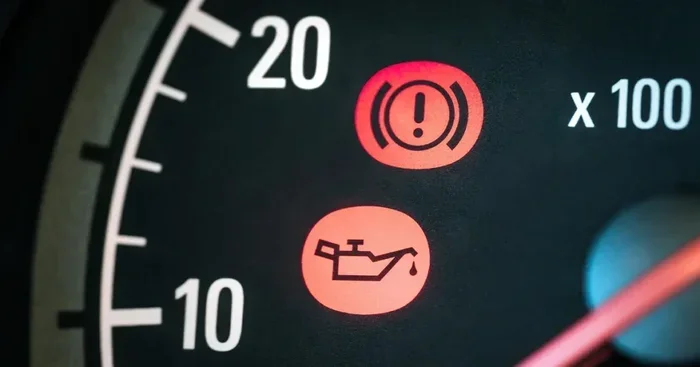
Keep an eye on your oil pressure gauge or warning light. Low oil pressure often means low oil level, but it can also signal a failing oil pump or clogged filter. If the light comes on, pull over safely and check the oil level immediately. Driving with low oil pressure can destroy an engine in minutes. It is a warning you should never ignore.
Key Takeaways for Engine Protection
- Always use the oil viscosity and type recommended by the manufacturer.
- Change your oil and filter at the intervals specified in the owner manual.
- Check your oil level at least once a month and before long trips.
- Address oil leaks and warning lights immediately.
- Keep a record of your oil changes and oil type used.
Is 4 Quarts Enough for Your Specific Engine?
By now, you have a clear picture. For many standard cars, 4 quarts of oil is the perfect amount. It fills the crankcase to the proper level, leaving room for the oil to circulate without foaming. But if you drive a larger vehicle or a high-performance engine, you may need more. The only way to be certain is to consult your owner manual and use the dipstick to verify the level after you add oil.
Remember, oil capacity is not a guess. It is a precise number based on the engine’s design. When you follow the manufacturer’s recommendation and check your levels regularly, you give your engine the best chance to last for hundreds of thousands of miles. So the next time you wonder, Is 4 Quarts of Oil Enough, you will know exactly what to do. Trust your manual, trust your dipstick, and keep that engine running strong.
Taking a few minutes to get the oil right is one of the simplest things you can do for your car. It prevents wear, avoids costly repairs, and keeps you safe on the road. Make it a habit, and your engine will reward you with years of reliable service.
Frequently Asked Questions
Can I put 4 quarts of oil in any car?
Not necessarily. Some cars need 5 or 6 quarts, especially those with larger engines. Always check your owner manual for the exact oil capacity before you pour. Using the wrong amount can cause engine damage.
What happens if I put too much oil in my engine?
Excess oil can foam when the crankshaft spins, which reduces lubrication and oil pressure. It can also push past seals and cause leaks. If you overfill, drain the extra oil to the proper level as soon as possible.
How do I know if my engine needs more than 4 quarts?
Check your owner manual or the oil fill cap under the hood. The capacity is listed there. You can also look up your vehicle’s year, make, and model online for the exact oil capacity.
Is 4 quarts enough for a synthetic oil change?
Yes, if your engine requires 4 quarts. Synthetic oil does not change the volume needed. The capacity is based on the engine’s crankcase size, not the type of oil you use.
Can I mix different brands of oil?
In an emergency, yes. But it is best to use the same brand and type for consistency. Mixing different viscosities or formulations can reduce performance. Stick to one oil type for the best results.
How often should I check my oil level?
Check your oil at least once a month and before any long road trip. Regular checks help you catch leaks early and ensure the engine always has enough lubrication. It takes just a few minutes and can save you from major repairs.