How Much Oil Does a 4 Cylinder Engine Actually Need
Most 4 cylinder engines need between 4 and 6 quarts of oil, but the exact amount depends on your vehicle model and engine type. Always check your owner’s manual or the oil fill cap for the correct capacity. Using the right oil type and staying on top of changes keeps your engine healthy for years.
Keeping your car running well starts with something simple: the right amount of oil. If you drive a vehicle with a 4 cylinder engine, you might wonder exactly how much oil it holds. The answer is not always the same for every car. Several factors determine the correct oil volume, and getting it right matters a lot.
4 cylinder engine oil capacity typically falls between 4 and 6 quarts. But that is just a general range. Your specific vehicle could need more or less depending on the make, model, and engine design. In this guide, we will walk you through everything you need to know about 4 cylinder engine oil capacity, types, and maintenance. You will learn how to check your oil level, choose the right oil, and avoid common mistakes that cause engine problems.
Key Takeaways
- Standard Oil Capacity: Most 4 cylinder engines require 4 to 6 quarts of oil for a full change.
- Check Your Manual: The owner’s manual is the most reliable source for your specific engine’s oil needs.
- Oil Type Matters: Synthetic, conventional, and high-mileage oils all have different benefits for 4 cylinder engines.
- Viscosity Ratings Count: Oils like 5W-30 and 0W-20 are common choices, but always follow manufacturer recommendations.
- Overfilling Is Dangerous: Too much oil can cause engine damage, just like too little oil can.
- Regular Changes Are Key: Sticking to a proper oil change schedule extends engine life significantly.
- Watch for Warning Signs: Dark oil, engine noise, and dashboard alerts all signal it is time for a change.
📑 Table of Contents
- What Is the Oil Capacity for a 4 Cylinder Engine
- How to Check Your Engine Oil Level
- What Type of Oil Should You Use
- How Often Should You Change Your Oil
- Common Mistakes When Adding Oil to a 4 Cylinder Engine
- Tips for Maintaining Your 4 Cylinder Engine’s Oil System
- Expert Insights on 4 Cylinder Engine Oil
- Key Takeaways
- Conclusion
What Is the Oil Capacity for a 4 Cylinder Engine
The oil capacity of a 4 cylinder engine refers to the total volume of oil the engine oil pan and lubrication system can hold. This includes oil that sits in the oil pan at the bottom of the engine and oil that circulates through the engine block, oil galleries, and oil filter. Knowing this number helps you add the correct amount during an oil change or after checking the oil level with a dipstick.
Why Oil Capacity Varies Between Models
Not all 4 cylinder engines are built the same way. A compact sedan with a small 4 cylinder engine will hold less oil than a larger truck or SUV with a bigger displacement engine. Here are the main reasons the capacity differs:
- Engine size and displacement: Larger engines have bigger oil galleries and pans.
- Oil filter type: Some engines use larger filters that hold more oil.
- Engine design: Some 4 cylinder engines have additional oil passages or cooling features.
- Vehicle manufacturer specifications: Each company designs its engines differently.
Common Oil Capacities by Vehicle Type
Here is a general look at how much 4 cylinder engine oil different types of vehicles typically need. Keep in mind these are estimates. Always confirm with your owner’s manual or the oil fill cap under the hood.
- Compact cars: Usually 4 to 4.5 quarts
- Mid-size sedans: Typically 4.5 to 5.5 quarts
- Trucks and SUVs with 4 cylinder engines: Often 5 to 6 quarts or more
- Performance vehicles: Can vary widely, sometimes exceeding 6 quarts
The best way to find your exact number is to look at the oil fill cap. It usually has the oil capacity printed right on it. If it does not, your owner’s manual will list it clearly. This is the gold standard for engine oil capacity information.
How to Check Your Engine Oil Level
Checking your oil level is one of the simplest things you can do to protect your engine. A 4 cylinder engine relies on proper oil levels to lubricate moving parts like the crankshaft, pistons, and camshaft. Without enough oil, these components can grind together and cause serious damage.
Using the Dipstick
Most older vehicles and many modern cars still use a traditional dipstick to measure oil level. Here is how to do it the right way:
- Park your car on a flat surface and turn off the engine.
- Wait a few minutes for the oil to settle back into the oil pan.
- Open the hood and locate the dipstick. It usually has a brightly colored handle.
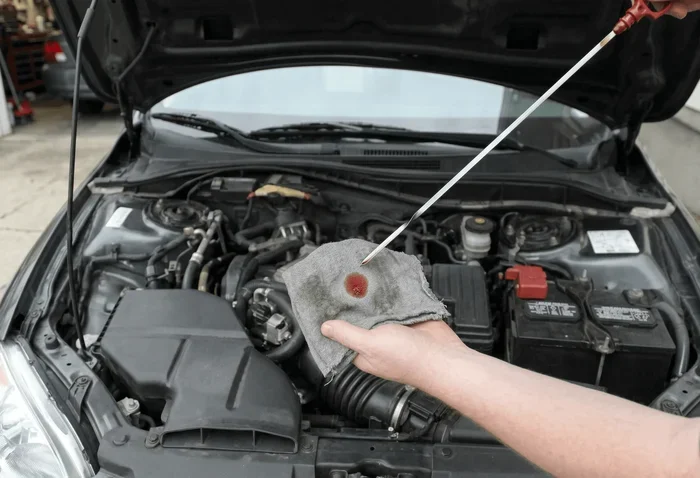
- Pull the dipstick out and wipe it clean with a rag or paper towel.
- Reinsert the dipstick fully, then pull it out again.
- Look at the oil level markings. The oil should fall between the minimum and maximum lines.
If the oil level is close to or below the minimum mark, you need to add more 4 cylinder engine oil. Use a funnel to avoid spills and add oil in small amounts. Check the level again after each addition.
Electronic Oil Level Sensors
Many newer vehicles come equipped with electronic oil level sensors instead of a traditional dipstick. These systems display the oil level on your dashboard or infotainment screen. They are convenient, but you should still check them regularly. Some sensors can give inaccurate readings if the engine is hot or if the car is parked on a slope.
What Type of Oil Should You Use
Choosing the right oil for your 4 cylinder engine is just as important as using the correct amount. The wrong oil can reduce engine performance, increase wear, and even void your warranty. Let us break down the main options so you can make a confident choice.
Synthetic vs Conventional Oil
There are two main categories of motor oil: synthetic and conventional. Each has its own strengths.
Conventional oil is derived directly from crude oil. It is more affordable and works well for older engines or vehicles with simple driving patterns. Synthetic oil is chemically engineered for superior performance. It handles extreme temperatures better, resists breakdown longer, and provides excellent lubrication.
Most modern 4 cylinder engines run well on synthetic oil. If you drive in hot climates or tow heavy loads, synthetic is a great choice. For everyday driving in moderate conditions, conventional oil can still do the job effectively.
Understanding Oil Viscosity Ratings
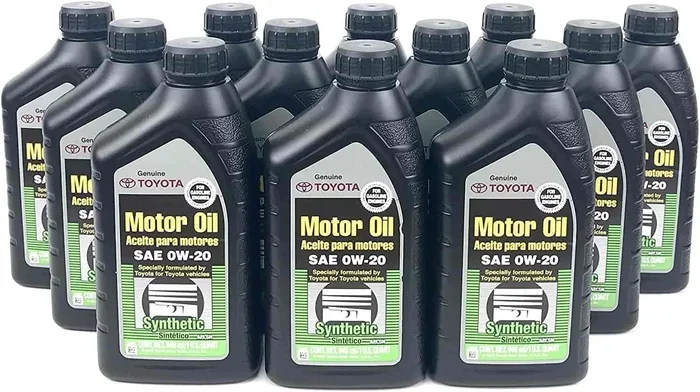
You have probably seen numbers like 5W-30 or 0W-20 on oil bottles. These are viscosity ratings, and they matter a lot. The first number (like 5W or 0W) tells you how the oil flows in cold temperatures. The second number (like 30 or 20) tells you how the oil performs at normal operating temperature.
- 5W-30: A very common choice for 4 cylinder engines. Works well in most climates.
- 0W-20: Thinner oil that flows easily in cold weather. Often recommended for newer fuel-efficient engines.
- 10W-30: A thicker option better suited for warmer climates or older engines.
Always check your owner’s manual for the recommended viscosity. Using the wrong viscosity can affect engine lubrication and fuel efficiency.
How Often Should You Change Your Oil
Even the best 4 cylinder engine oil breaks down over time. Dirt, debris, and engine byproducts contaminate the oil, reducing its ability to lubricate effectively. Regular oil changes are essential for keeping your engine healthy.
Oil Change Intervals for Modern Engines
Older vehicles typically needed an oil change every 3,000 miles. Modern engines with synthetic oil can often go 7,500 to 10,000 miles between changes. Some newer cars even have oil life monitoring systems that tell you exactly when it is time.
Here are some general guidelines:
- Conventional oil: Change every 3,000 to 5,000 miles
- Synthetic blend: Change every 5,000 to 7,500 miles
- Full synthetic oil: Change every 7,500 to 10,000 miles
These are general ranges. Always follow the interval recommended by your vehicle manufacturer. Driving conditions matter too. If you frequently drive in stop-and-go traffic, extreme heat, or dusty roads, you may need to change your oil more often.
Signs Your Oil Needs Changing
Do not wait for the mileage to tell you it is time. Your engine often gives you warning signs. Watch for these indicators:
- Dark or dirty oil on the dipstick
- A burning oil smell inside or outside the car
- Increased engine noise or knocking sounds
- Reduced fuel efficiency
- Dashboard oil pressure warning light
If you notice any of these signs, check your oil level and condition right away. Ignoring them can lead to costly engine repairs down the road.
Common Mistakes When Adding Oil to a 4 Cylinder Engine
Even experienced car owners sometimes make mistakes when dealing with 4 cylinder engine oil. Being aware of these errors can save you time, money, and headaches.
Overfilling vs Underfilling
Both overfilling and underfilling your engine with oil can cause problems. Underfilling means the engine does not get enough lubrication, leading to increased friction and wear. Overfilling can be just as dangerous. Excess oil can foam, lose its lubricating properties, and even get pulled into the combustion chamber. This creates blue smoke from your exhaust and can damage the catalytic converter.
The safest approach is to add oil gradually. Add about a quarter of a quart at a time, then recheck the level with the dipstick. This gives you precise control over the oil fill amount.
Using the Wrong Oil Type
Mixing oil types or using the wrong viscosity can harm your engine. For example, putting 10W-40 oil in an engine that requires 5W-30 can reduce performance and fuel economy. Always match the oil type and viscosity to your manufacturer’s specifications. If you are unsure, ask a trusted mechanic or check the owner’s manual.
Forgetting to Replace the Oil Filter
When you change your oil, always replace the oil filter too. The filter traps contaminants and keeps your motor oil clean. A clogged or old filter can restrict oil flow and reduce the effectiveness of your fresh oil. It is a small part that makes a big difference in engine health.
Tips for Maintaining Your 4 Cylinder Engine’s Oil System
Proper maintenance goes beyond just adding the right amount of oil. A few simple habits can keep your 4 cylinder engine running strong for hundreds of thousands of miles.
Check Your Oil Regularly
Make it a habit to check your oil level at least once a month. This takes only a few minutes and can catch problems early. Park on a level surface, let the engine cool slightly, and use the dipstick. If the oil looks milky or has a strong burnt smell, have a mechanic inspect it right away.
Keep Track of Your Oil Change History
Maintain a log of your oil changes. Write down the date, mileage, oil type, and oil filter used. This record helps you stay on schedule and can be valuable when selling your vehicle. Many apps and even simple spreadsheets work great for this purpose.
Address Oil Leaks Promptly
If you notice oil spots under your parked car or a persistent drop in oil level, investigate the cause. Common sources of leaks include a loose oil drain plug, worn oil filter gasket, or degraded engine seals. Fixing leaks early prevents low oil levels and protects your engine lubrication system.
Warm Up Your Engine Before Driving
Give your engine a minute or two to warm up before driving, especially in cold weather. This allows the oil to circulate properly and reach all the moving parts. Cold oil is thicker and does not flow as well, which can increase wear on components like the crankshaft and camshaft.
Expert Insights on 4 Cylinder Engine Oil
Automotive experts agree that consistency is the key to long engine life. Using the correct amount of 4 cylinder engine oil, sticking to a regular change schedule, and choosing the right oil type all contribute to better performance and reliability. Many seasoned mechanics recommend synthetic oil for its superior protection and longer intervals between changes. They also stress the importance of never skipping oil changes, even if the mileage seems low.
Remember that oil is the lifeblood of your engine. It reduces friction, cools components, and carries away contaminants. Treating it with respect pays off in the form of a smoother-running, more fuel-efficient vehicle.
Key Takeaways
- Standard Oil Capacity: Most 4 cylinder engines require 4 to 6 quarts of oil for a full change.
- Check Your Manual: The owner’s manual is the most reliable source for your specific engine’s oil needs.
- Oil Type Matters: Synthetic, conventional, and high-mileage oils all have different benefits for 4 cylinder engines.
- Viscosity Ratings Count: Oils like 5W-30 and 0W-20 are common choices, but always follow manufacturer recommendations.
- Overfilling Is Dangerous: Too much oil can cause engine damage, just like too little oil can.
- Regular Changes Are Key: Sticking to a proper oil change schedule extends engine life significantly.
- Watch for Warning Signs: Dark oil, engine noise, and dashboard alerts all signal it is time for a change.
Conclusion
Knowing how much oil a 4 cylinder engine needs is fundamental car knowledge that every driver should have. The general range of 4 to 6 quarts gives you a starting point, but your specific vehicle’s requirements are what truly matter. Always consult your owner’s manual, check the oil fill cap, and use the recommended oil type and viscosity.
Taking care of your 4 cylinder engine oil system does not have to be complicated. Regular checks, timely oil changes, and attention to warning signs go a long way. Whether you handle the work yourself or visit a mechanic, staying informed puts you in control of your vehicle’s health. A well-maintained engine runs better, lasts longer, and saves you money on repairs in the long run. Start today by checking your oil level and making sure everything is where it should be.
Frequently Asked Questions
How do I find the exact oil capacity for my 4 cylinder engine?
Check your vehicle’s owner’s manual or look at the oil fill cap under the hood. Both sources list the exact oil capacity. You can also search for your vehicle’s year, make, and model online for manufacturer specifications.
Can I mix different types of motor oil in my 4 cylinder engine?
It is best not to mix oil types. Combining synthetic and conventional oil dilutes the benefits of the synthetic oil. If you need to top off between changes, use the same oil type and viscosity that is already in your engine.
What happens if I put too much oil in my 4 cylinder engine?
Overfilling causes excess oil to foam, which reduces its lubricating ability. It can also lead to oil leaks, blue exhaust smoke, and potential damage to the catalytic converter. If you overfill, drain the excess oil carefully to reach the correct level.
Is synthetic oil worth the extra cost for a 4 cylinder engine?
Yes, for most drivers. Synthetic oil provides better protection, handles extreme temperatures well, and lasts longer between changes. It can improve fuel efficiency and reduce engine wear over time, making the higher upfront cost worthwhile.
How often should I check my 4 cylinder engine oil level?
Check your oil level at least once a month. It is also a good idea to check it before long trips. Regular checks help you catch leaks or consumption issues early before they cause engine damage.
Does the oil filter need to be changed every time I change the oil?
Yes, always replace the oil filter with every oil change. The filter traps contaminants and keeps your motor oil clean. A clogged filter restricts oil flow and reduces the effectiveness of fresh oil in your 4 cylinder engine.
=== CONCLUSION ===
4 cylinder engine oil capacity is a simple but essential piece of knowledge for any car owner. Most engines need 4 to 6 quarts, but always confirm the exact number for your vehicle. Use the right oil type, stick to a regular change schedule, and check your oil level often. These small habits add up to big benefits for your engine’s performance and longevity. Take charge of your vehicle’s maintenance today and enjoy the confidence that comes with knowing your engine is properly cared for.