How Long Does a Car Wrap Last and What Affects Durability
How Long Does a Car Wrap Last depends on several key factors, including material quality, installation skill, and daily driving conditions. A professional vinyl wrap typically lasts between 5 and 7 years with proper care, while lower-quality wraps may only last 2 to 3 years. Understanding what affects wrap durability helps you make smarter decisions and get the most value from your investment.
You spent time and money getting your car wrapped. Maybe it was a bold new color, a sleek matte finish, or a branded vehicle wrap for your business. Now the real question hits you: how long is this going to last? You want every dollar to count, and you deserve to know what you are actually getting.
How Long Does a Car Wrap Last is one of the most common questions people ask before committing to a vehicle wrap. The honest answer is that it depends. A lot. But here is the good news. Most high-quality wraps last between 5 and 7 years when everything goes right. And the great part? You have more control over that timeline than you might think.
In this guide, we will break down every factor that affects car wrap durability. From the type of vinyl used to how you wash your car, we will cover it all. By the end, you will know exactly what to expect and how to get the longest possible life out of your exterior car wrap.
Key Takeaways
- Average Lifespan: A quality car wrap lasts 5 to 7 years with proper maintenance and care.
- Material Matters: Premium vinyl films like cast vinyl outlast cheaper cast and calendered options significantly.
- Installation Quality: Professional installation dramatically extends wrap longevity compared to DIY methods.
- Maintenance Habits: Regular washing, avoiding harsh chemicals, and garage parking all boost durability.
- Climate Impact: Extreme heat, UV exposure, and salty coastal air reduce wrap lifespan faster.
- Warranty Coverage: Most reputable brands offer 5 to 7 year warranties on their top-tier products.
- Wrap Type Differences: Full wraps last longer than partial wraps because they offer more uniform protection.
📑 Table of Contents
- What Is a Car Wrap and Why Does It Matter?
- How Long Does a Car Wrap Last on Average?
- What Affects Car Wrap Durability the Most?
- Full Wrap vs. Partial Wrap: Which Lasts Longer?
- How to Maximize Your Car Wrap’s Lifespan
- Wrap Warranty: What Does It Actually Cover?
- When Should You Replace Your Car Wrap?
- Is a Car Wrap Worth the Investment?
- Final Thoughts on Car Wrap Longevity
What Is a Car Wrap and Why Does It Matter?
A car wrap is a large vinyl film applied directly over your vehicle’s original paint. Think of it like a giant sticker that covers your entire car or just specific panels. People use wraps for cosmetic changes, advertising, or even paint protection film applications.
The vinyl wrap lifespan varies widely based on materials and care. But the core idea stays the same. A wrap acts as a protective shield over your car’s factory paint. When done right, it preserves the original finish underneath. That is a huge selling point for car owners who want to change their look without permanently altering their paint job.
Types of Car Wraps
Not all wraps are created equal. Here are the main types you will encounter:
- Full Car Wrap: Covers the entire exterior surface. Maximum coverage and protection.
- Partial Car Wrap: Covers specific panels like the hood, roof, or doors. More affordable but less protective.
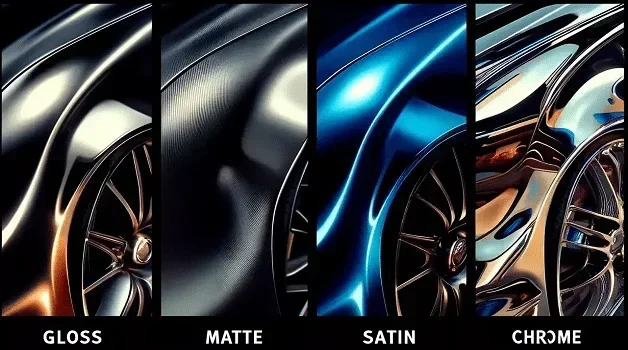
- Color Change Wrap: Alters the car’s appearance with a new color or finish like matte, satin, or gloss.
- Branded Vehicle Wrap: Designed for business advertising with logos, contact info, and branding elements.
- Clear Wrap: A transparent film that protects the original paint without changing the color.
Each type has a different expected lifespan. Full wraps tend to last longer because the material is applied more uniformly and experiences less edge peeling. Partial wraps have more exposed edges, which means they can lift and wear faster.
How Long Does a Car Wrap Last on Average?
Let us get straight to the numbers. The average car wrap durability timeline looks something like this:
- Budget Wraps (2-4 years): Lower-quality calendered vinyl that fades and cracks faster. Common with DIY kits.
- Mid-Range Wraps (4-6 years): Decent quality vinyl with average adhesive. Holds up well with regular maintenance.
- Premium Wraps (5-7+ years): High-grade cast vinyl with advanced adhesives and UV inhibitors. The gold standard.
These numbers assume proper installation and reasonable care. A wrap left in harsh conditions with zero maintenance could fail in under two years. On the other hand, a meticulously maintained premium wrap on a garage-kept car might stretch past seven years.
Factors That Shorten Wrap Lifespan
Several things can cut your wrap longevity short. Being aware of these helps you avoid preventable damage.
- Cheap Vinyl Material: Low-grade films use inferior adhesives that break down quickly.
- Poor Installation: Air bubbles, misaligned edges, and improper stretching weaken the bond.
- Neglected Maintenance: Dirt buildup, bird droppings, and tree sap eat away at the vinyl surface.
- Extreme Weather: Constant sun exposure, freezing temperatures, and salty air accelerate wear.
- Automated Car Washes: Harsh brushes and strong chemicals can peel and scratch the wrap.
What Affects Car Wrap Durability the Most?
Now we get into the heart of the matter. What actually determines whether your wrap lasts 3 years or 7? Several critical factors work together to shape your wrap’s lifespan.
Vinyl Material Quality
This is the single biggest factor. Not all vinyl material quality is the same. Cast vinyl is the premium option. It is manufactured in a way that allows it to conform to complex curves and contours without stretching or thinning. Calendered vinyl is cheaper but less flexible and more prone to shrinking over time.
Premium brands like 3M, Avery Dennison, and KPMF use advanced polymer formulations that resist fading, cracking, and yellowing. When you invest in better material, you invest in longer-lasting results. Think of it like buying quality tires versus budget tires. The difference in lifespan is dramatic.
Installation Skill and Technique
A brilliant wrap material installed poorly will fail fast. A good material installed by a skilled professional will last for years. Wrap installation is a skilled trade that requires patience, the right tools, and experience.
Professional installers use heat guns to activate the adhesive, squeegees to remove air pockets, and precision cutting tools for clean edges. They also know how to stretch vinyl without thinning it. A DIY wrap might save you money upfront, but it often leads to peeling edges, bubbling, and premature failure.
Expert Insight: “The difference between a 3-year wrap and a 7-year wrap often comes down to installation quality alone. We see DIY wraps fail within 18 months all the time, while professionally installed wraps hold strong well past the 5-year mark.” — Industry wrap specialist
Climate and Environmental Exposure
Where you live and park your car matters a lot. Here is how different environments affect your wrap:
- Hot, Sunny Climates: UV rays break down vinyl polymers over time, causing fading and brittleness.
- Cold, Snowy Climates: Road salt and freezing temperatures can loosen adhesive bonds and cause cracking.
- Coastal Areas: Salt air is highly corrosive and accelerates wrap degradation significantly.
- Urban Environments: Pollution and acid rain can dull the finish and weaken the surface.
If you live in a harsh climate, consider investing in a wrap with strong UV protection wrap technology. Some premium films include built-in UV inhibitors that reflect harmful rays and preserve color vibrancy.
Maintenance and Care Habits
You would not buy a luxury car and never wash it. The same logic applies to your wrap. Regular maintenance is the easiest way to extend your wrap lifespan significantly.
Wash your wrapped car every one to two weeks. Use a pH-neutral car wash soap and a soft microfiber mitt. Avoid high-pressure washers directly on the edges. And never use abrasive scrubbers or harsh chemical cleaners.
Here are some quick habits that make a big difference:
- Hand dry your car after washing to prevent water spots.
- Remove bird droppings and tree sap immediately.
- Park in a garage or shaded area whenever possible.
- Avoid parking under trees that drop sap or bird droppings.
- Use a wrap-specific protectant spray every few months.
Full Wrap vs. Partial Wrap: Which Lasts Longer?
This is a question many car owners ask, and the answer might surprise you. Full wraps generally outlast partial wraps, but not just because of the material used.
A full wrap covers every exposed surface. That means fewer edges, fewer seams, and fewer places where moisture and dirt can sneak underneath. A partial wrap leaves more surface area exposed to the elements, and the edges where the wrap meets bare paint are vulnerable points.
Here is a quick comparison:
| Feature | Full Wrap | Partial Wrap |
|---|---|---|
| Average Lifespan | 5-7 years | 3-5 years |
| Edge Vulnerability | Minimal | Higher |
| UV Protection | Full coverage | Partial coverage |
| Maintenance Effort | Moderate | Moderate |
| Cost | Higher upfront | Lower upfront |
| Paint Protection | Complete | Partial |
If your goal is maximum durability and paint protection, a full wrap is the clear winner. But if you are on a tighter budget, a partial wrap still offers solid benefits and can last several years with good care.
How to Maximize Your Car Wrap’s Lifespan
You have invested in a wrap. Now let us make sure it lasts as long as possible. These practical tips will help you squeeze every last month out of your exterior car wrap.
Quick Tips for Longer-Lasting Wraps
- Wait 48 hours before washing. After installation, give the adhesive time to fully cure before exposing it to water.
- Use a touchless car wash. If you must use a tunnel wash, opt for the touchless option only.
- Avoid petroleum-based products. These can degrade vinyl adhesives over time.
- Inspect edges regularly. Catch peeling or lifting early before it spreads.
- Reapply protectant every 3 months. A quality wrap sealant adds an extra layer of defense.
- Fix small damage immediately. A tiny tear can grow quickly if left unaddressed.
- Keep your car in a garage. Shelter from sun, rain, and debris makes a measurable difference.
Common Mistakes That Shorten Wrap Life
Avoid these common pitfalls that many wrap owners make without realizing it:
- Using automatic brush car washes: The rotating brushes scratch and lift edges.
- Ignoring small bubbles: Trapped moisture under bubbles causes adhesive failure.
- Applying wax directly on the wrap: Wax contains abrasives that dull the vinyl finish.
- Parking under trees daily: Sap and bird droppings are highly corrosive to vinyl.
- Using a pressure washer on edges: The force can push water under the wrap and loosen the adhesive.
- Skipping regular washing: Dirt and grime build up and slowly break down the surface.
Quick Tip: If you notice a small bubble forming, do not ignore it. Use a sewing needle to make a tiny puncture, press the air out gently, and smooth the area flat. This prevents the bubble from growing and separating the wrap from the paint surface.
Wrap Warranty: What Does It Actually Cover?
Most reputable wrap manufacturers offer a car wrap warranty that ranges from 5 to 7 years. But what does that warranty actually cover? Understanding this is important before you spend your money.
Typically, warranties cover defects in the material itself. This includes premature cracking, peeling, fading, or adhesive failure that occurs under normal conditions. What warranties usually do not cover includes damage from improper installation, neglect, accidents, or extreme environmental abuse.
Always ask your installer for the specific warranty details. Some brands require professional installation to validate the warranty. Others have specific maintenance requirements you must follow. Read the fine print carefully so you know exactly what you are getting.
What to Look for in a Warranty
- Coverage duration that matches your expected ownership period.
- Clear terms on what is covered and what is excluded.
- Transferable warranty if you plan to sell the vehicle.
- Requirements for professional installation and documented maintenance.
- Brand reputation and customer service track record.
A strong warranty gives you peace of mind. It also signals that the manufacturer stands behind their product. If a company offers a 7-year warranty, you can be confident that their material is built to last.
When Should You Replace Your Car Wrap?
Even with the best care, every wrap eventually reaches the end of its useful life. Knowing the signs of wear helps you plan for replacement before the wrap starts looking worse for wear or risks damaging your original paint.
Here are the clear signs it is time for a replacement:
- Visible fading: The color has dulled significantly and no cleaning restores it.
- Edge lifting: Edges are curling or peeling away from the surface.
- Cracking or splitting: The vinyl has lost flexibility and is cracking when you open doors or move panels.
- Adhesive residue: Sticky residue is left on the paint when the wrap shifts.
- Persistent bubbling: Bubbles keep returning even after you puncture and flatten them.
- Water seepage: Water gets underneath the wrap during washing or rain.
When you notice these signs, consult a professional wrap installer. They can assess whether the wrap can be repaired or needs full replacement. In most cases, a wrap that is 7 or more years old has reached its natural end and a fresh install will look and perform much better.
Removing an Old Wrap
Wrap removal is a process that requires care. A professional installer will heat the old wrap to soften the adhesive and peel it away gently. In most cases, the original paint underneath remains in excellent condition if the wrap was high quality and well-maintained.
However, if the wrap was left on too long or exposed to extreme conditions, you might see some adhesive residue or slight color variation in the paint. This is rare with quality wraps but worth knowing about.
Expert Insight: “We recommend replacing your wrap every 5 to 7 years, even if it still looks decent. The adhesive properties weaken over time, and the risk of paint damage during removal increases the longer the wrap stays on.” — Professional wrap installer with 12 years of experience
Is a Car Wrap Worth the Investment?
Let us talk numbers. A full professional car wrap typically costs between $2,000 and $5,000 depending on the material, design complexity, and vehicle size. A partial wrap runs between $500 and $2,000. Compare that to a full paint job, which can cost $5,000 to $10,000 or more, and the value proposition becomes clear.
A high-quality wrap protects your original paint, lets you change your car’s look whenever you want, and can be removed without any damage to the factory finish. If you treat your vehicle as an investment rather than just a means of transportation, a wrap adds both aesthetic and protective value.
For businesses, a branded vehicle wrap is one of the most cost-effective advertising tools available. A single wrapped vehicle can generate 30,000 to 70,000 impressions per day. When you consider that a wrap lasts 5 to 7 years, the cost per impression is incredibly low compared to other advertising channels.
So is it worth it? For most car owners and businesses, the answer is a resounding yes. Just make sure you invest in quality materials, professional installation, and consistent maintenance. That is the formula for getting the maximum return on your wrap investment.
Final Thoughts on Car Wrap Longevity
How Long Does a Car Wrap Last is a question with a range of answers, not a single number. The average lifespan falls between 5 and 7 years for premium wraps, but your specific results depend on material quality, installation skill, climate, and how well you maintain the wrap.
The good news is that you have significant control over the outcome. Choose quality materials, hire a skilled professional, follow a simple maintenance routine, and park your car wisely. These steps alone can add years to your wrap’s life.
A car wrap is more than just a cosmetic upgrade. It is a protective layer that preserves your vehicle’s value and lets you express your personal style or business brand. Treat it well, and it will reward you with lasting beauty and protection for years to come.
Start by researching reputable wrap shops in your area. Ask for material recommendations, review warranty options, and get quotes from at least three professionals. The more informed you are going in, the better your results will be when the wrap comes off years later looking almost as good as the day it went on.
Frequently Asked Questions
Can a car wrap last 10 years?
It is possible but rare. Only premium cast vinyl wraps installed professionally and meticulously maintained in ideal conditions can stretch to 10 years. Most wraps reach their practical limit at 5 to 7 years. After that, the adhesive weakens and the vinyl shows visible wear.
Does a car wrap protect the original paint?
Yes, absolutely. A quality exterior car wrap acts as a shield over your factory paint. It protects against UV rays, minor scratches, bird droppings, and environmental contaminants. When you remove the wrap, the original paint underneath should be in the same condition as when the wrap was applied.
How often should I wash my wrapped car?
Wash your wrapped car every one to two weeks. Regular cleaning prevents dirt, grime, and contaminants from breaking down the vinyl surface. Always use pH-neutral soap, a soft microfiber mitt, and avoid high-pressure sprays near the edges of the wrap.
Is it better to wrap or paint a car?
For most people, wrapping is the better choice. It is less expensive, fully reversible, and protects the original paint. Paint jobs are permanent and more costly. Wraps also allow you to change your car’s look anytime without repainting. However, if you want a permanent, factory-quality finish, a professional paint job may be the better option.
What is the difference between cast and calendered vinyl?
Cast vinyl is the premium option. It is manufactured using a liquid solution that is poured onto a casting sheet, resulting in a thin, flexible, and dimensionally stable film. Calendered vinyl is made by heating and rolling vinyl into sheets. It is thicker, less flexible, and more prone to shrinking and fading over time. Cast vinyl lasts significantly longer.
Can I wrap my car myself to save money?
You can, but it is not recommended if longevity matters to you. DIY wraps often have air bubbles, misaligned edges, and uneven stretching that cause premature failure. A professional installation costs more upfront but delivers better results and a longer-lasting finish. The savings from a DIY wrap are quickly lost when it needs replacement within two years.
=== CONCLUSION ===
How Long Does a Car Wrap Last ultimately comes down to the choices you make. From the moment you select your vinyl material to the way you care for it day after day, every decision shapes your wrap’s lifespan. A premium cast vinyl wrap installed by a skilled professional, maintained with simple regular care, and sheltered from extreme conditions can easily last 5 to 7 years or more.
Remember the key factors that matter most. Invest in quality materials. Hire a professional installer. Maintain a consistent cleaning routine. Park in sheltered areas when possible. Avoid harsh chemicals and automatic brush washes. These habits protect your investment and keep your wrap looking fresh for years.
Whether you are wrapping for personal style, business branding, or paint protection, the effort you put into care pays off in durability and appearance. Your wrapped car is a long-term asset. Treat it accordingly, and it will serve you well for many miles to come.