How Long Does an In-Transit Vehicle Take to Arrive
An in-transit vehicle typically takes between 1 and 14 days to arrive, depending on distance, shipping method, and route conditions. Open transport is faster and more affordable, while enclosed shipping adds a few extra days. Understanding transit times helps you plan better and avoid unexpected delays when waiting for your shipped car.
Waiting for a shipped vehicle can feel like watching paint dry. You placed the order, you paid, and now all you want to know is how long does an in-transit vehicle take to arrive. The answer is not always simple, but this guide breaks it down clearly.
Whether you are buying a car online, relocating to a new state, or shipping a classic vehicle across the country, knowing the delivery timeline helps you plan with confidence. In this article, we will walk through average transit times, the factors that change them, and practical tips to get your vehicle delivery on track. Let us dive in.
Key Takeaways
- Average Transit Time: Most in-transit vehicles arrive within 1 to 14 days based on distance.
- Distance Matters Most: Shorter routes take 1 to 3 days, while cross-country trips can take 7 to 14 days.
- Shipping Method Affects Speed: Open carrier transport is faster than enclosed or expedited options.
- Tracking Helps You Stay Updated: Using a tracking number keeps you informed about your vehicle’s real-time location.
- Delays Are Common: Weather, holidays, and carrier schedules can extend transit times by several days.
- Preparation Speeds Things Up: Having documents ready and the vehicle clean reduces loading and pickup delays.
- Plan Ahead: Booking your shipment early avoids peak-season bottlenecks and ensures faster delivery.
📑 Table of Contents
What Is an In-Transit Vehicle?
How Vehicle Shipping Works
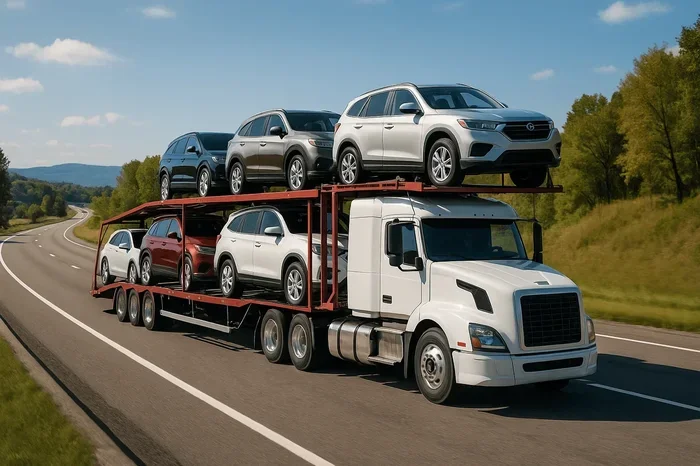
An in-transit vehicle is a car, truck, or SUV that is currently being transported from one location to another. The vehicle sits on an auto transport carrier, either on an open or enclosed trailer, and moves along a planned shipping route.
Most vehicle shipments follow a straightforward process. The carrier picks up the vehicle at the origin point. It then travels along the assigned route toward the destination. Once the vehicle arrives, the recipient inspects it and completes the delivery process. The entire journey is part of the car shipping logistics chain that connects buyers, sellers, and transport companies.
Car shipping is a big industry. Millions of vehicles move across the country every year. From vehicle transport companies to independent carriers, the system relies on schedules, routes, and coordination to get every shipped vehicle to its destination safely.
Why Knowing Transit Time Matters
Understanding how long your in-transit vehicle will take to arrive is more than just curiosity. It affects your plans in real ways.
- Moving Plans: You need to know when your car will show up at your new home.
- Sales Transactions: Buyers and sellers need a clear delivery estimate to finalize deals.
- Budgeting: Some people rent cars while waiting. Knowing the transit period helps you plan for that cost.
- Insurance Coverage: Your vehicle is in transit. You want to confirm the shipment timeline matches your coverage window.
When you understand the auto transport timeline, you can set realistic expectations and avoid frustration. It also helps you choose the right shipping option for your needs.
Average Transit Times for In-Transit Vehicles
The most common question people ask is: how many days does it take for a vehicle to arrive? The honest answer is that it depends on several factors. But here are general timelines to give you a clear picture.
Short-Distance Shipments
Short-distance shipments cover routes under 500 miles. These are the fastest vehicle deliveries you can arrange. Typical transit times fall between 1 and 3 days.
For example, shipping a car from Dallas to Houston, Texas, usually takes about 1 to 2 days. A shipment from Los Angeles to San Diego might arrive in just 1 day. Short routes are ideal for people who need their vehicle quickly and do not want to wait long.
Medium-Distance Shipments
Medium-distance routes range from 500 to 1,500 miles. These shipments typically take 3 to 7 days. A common example is shipping a vehicle from Chicago to Nashville. Another popular route is Phoenix to Denver.
Medium-distance transit gives you a good balance of speed and cost. The transport delivery window is reasonable, and most carriers can accommodate these routes without much delay. If you are relocating within the same region, this is usually the range you will fall into.
Long-Distance Shipments
Long-distance shipments cover anything over 1,500 miles. These cross-country routes take the longest. Expect a transit time of 7 to 14 days, sometimes even longer.
Shipping a car from New York to Los Angeles is a classic long-distance route. It typically takes about 7 to 10 days. A shipment from Miami to Seattle could take 10 to 14 days or more. Cross-country vehicle shipping requires careful planning and coordination across multiple carrier networks.
Transit Time Comparison Table
| Shipment Distance | Approximate Transit Time | Example Route |
|---|---|---|
| Under 500 miles | 1 to 3 days | Dallas to Houston, TX |
| 500 to 1,500 miles | 3 to 7 days | Chicago to Nashville, TN |
| 1,500 to 2,500 miles | 7 to 10 days | New York to Los Angeles, CA |
| Over 2,500 miles | 10 to 14+ days | Miami to Seattle, WA |
These numbers are averages. Your actual vehicle arrival time may vary based on the factors we will cover next. Always ask your auto transport company for a personalized estimate before booking.
Key Factors That Affect Delivery Time
Several things influence how fast your in-transit vehicle reaches you. Understanding these factors helps you set realistic expectations and make smarter shipping decisions.
Distance and Route
Distance is the biggest factor. Longer routes naturally take more time. But it is not just about miles. The shipping route also matters a lot.
Direct routes are faster. If a carrier can drive straight from point A to point B without detours, your vehicle arrives sooner. Routes that pass through rural areas or regions with limited infrastructure may slow things down. Route efficiency is a key part of car shipping logistics.
Type of Transport Method
The shipping method you choose directly impacts transit time. Here are the main options:
- Open Carrier Transport: This is the most common method. Vehicles ride on open trailers. It is faster and more affordable. Most standard vehicle shipments use open carriers.
- Enclosed Carrier Transport: Enclosed trailers protect vehicles from weather and road debris. They are slower because fewer carriers use them, and routes are less frequent.
- Expedited Shipping: This option prioritizes your vehicle. The carrier makes it a top priority on the route. It costs more but delivers faster.
- Terminal-to-Terminal Shipping: You drop off and pick up your vehicle at a terminal. This can sometimes speed up the process compared to door-to-door service.
Each method has its trade-offs. Open transport is the go-to for most people who want a balance of speed and cost. Enclosed shipping is better for luxury or classic vehicles but adds time.
Weather and Road Conditions
Mother Nature has a big say in vehicle transit times. Severe weather can delay shipments by hours or even days.
- Snow and Ice: Winter storms can close highways and make driving dangerous for carriers.
- Flooding: Heavy rain and flooding can block roads and reroute shipments.
- High Winds: Strong winds can slow down or temporarily stop carrier movement.
- Fog: Dense fog reduces visibility and slows carrier travel, especially on long stretches of highway.
Carriers prioritize safety above all else. When conditions are bad, they slow down or pause. This is normal and expected. Weather delays are one of the most common reasons in-transit vehicles take longer than expected.
Carrier Availability and Scheduling
Not all carriers have the same schedule. Carrier availability varies based on the season, route popularity, and current demand.
During peak moving seasons, like summer and holidays, carriers are booked solid. Your vehicle may wait in a queue before it gets picked up. During off-peak times, carriers have more flexibility, and your shipment timeline can be shorter.
Booking your shipment early gives you a better chance of landing a spot on a faster route. Last-minute bookings often result in longer delivery timeframes because carriers fill their schedules first.
How to Track Your In-Transit Vehicle
Using Tracking Numbers
Most auto transport companies provide a tracking number for your shipment. This number lets you monitor your vehicle in transit in real time.
To use tracking, simply enter your number on the carrier’s website or app. You will see the current location of your vehicle, its estimated arrival date, and any route updates. Tracking your shipment is one of the best ways to stay informed and reduce anxiety while waiting.
Keep your tracking number handy. Check it regularly, especially as the estimated delivery date approaches. If something looks off, contact your carrier right away.
Communication with Your Carrier
Good communication makes a big difference. Stay in touch with your vehicle transport company throughout the process.
- Confirm Pickup: Make sure the carrier knows exactly where to collect your vehicle.
- Share Contact Info: Provide a phone number where you can be reached easily.
- Ask for Updates: Do not hesitate to ask for status updates if you have not heard anything.
- Confirm Delivery: When the vehicle arrives, inspect it before signing off on the delivery.
Carriers deal with many shipments every day. A clear line of communication helps them prioritize your auto delivery and keep things moving smoothly.
Tips to Ensure Faster Vehicle Delivery
You cannot control everything, but you can take steps to speed up your vehicle shipment. Here are some practical tips that work.
Plan Ahead
The best way to ensure fast delivery is to plan ahead. Book your car transport at least a week or two before you need the vehicle at its destination. This gives carriers time to fit your shipment into their schedule without rushing.
Avoid booking during peak seasons unless absolutely necessary. If you can ship during quieter months, you will likely get a faster transit window and better rates.
Choose the Right Shipping Method
If speed is your priority, go with open carrier transport or expedited shipping. These options move faster than enclosed transport and are widely available on most routes.
Compare quotes from multiple vehicle shipping companies. Look at transit times, not just prices. Sometimes paying a little more for a faster option saves you time and hassle in the long run.
Prepare Your Vehicle Properly
Having your vehicle ready for pickup reduces delays at the loading stage.
- Clean the Vehicle: A clean car loads faster and is easier to inspect.
- Remove Personal Items: Carriers often cannot transport personal belongings inside the vehicle.
- Have Documents Ready: Keep your registration, insurance, and bill of sale accessible.
- Disable Alarm Systems: A noisy alarm can cause delays during pickup and loading.
Small preparations lead to big savings in time. A ready-to-ship vehicle gets picked up and loaded without any holdups.
Common Delays and How to Avoid Them
Even with the best planning, delays can happen. Here are the most common ones and how to handle them.
Weather Delays
As mentioned, bad weather is the number one cause of vehicle shipping delays. You cannot prevent the weather, but you can prepare for it.
Build buffer time into your plans. If you need the vehicle by a certain date, aim for delivery a few days earlier. This way, a weather delay will not ruin your schedule. Also, choose a carrier with experience navigating your route during different seasons.
Documentation Issues
Missing or incorrect paperwork can hold up your auto transport shipment. Make sure all documents are complete before the carrier arrives.
Common documents include the vehicle title, a bill of lading, and proof of insurance. Double-check everything with your transport company ahead of time. A few minutes of preparation can save days of delay.
Mechanical Problems
Sometimes the carrier vehicle itself has a mechanical issue. This is rare but it happens. When it does, it can push your shipment timeline back by a day or more.
You cannot prevent this entirely, but you can reduce the risk. Choose a reputable auto shipping company with well-maintained fleets and good reviews. Reliable carriers invest in their equipment and have backup plans in place.
Final Thoughts
How long does an in-transit vehicle take to arrive? The short answer is that most vehicles reach their destination within 1 to 14 days, depending on distance, shipping method, and route conditions. Short-distance shipments are the fastest, while cross-country routes take the longest.
By understanding the factors that affect transit time, tracking your shipment, and preparing your vehicle properly, you can set yourself up for a smooth and timely vehicle delivery. Planning ahead, choosing the right shipping method, and staying in communication with your carrier are the best things you can do.
Remember, every shipment is unique. Use the timelines and tips in this guide as a starting point, and always ask your auto transport provider for a personalized estimate. With the right approach, you will have your in-transit vehicle where it needs to be, right on schedule.
Frequently Asked Questions
What does in-transit mean for a vehicle?
In-transit means the vehicle is currently being transported from the pickup location to the delivery destination. It is loaded on a carrier and moving along the planned route. You can usually track its progress using a tracking number provided by the transport company.
How long does it take to ship a car across the country?
Shipping a car across the country typically takes 7 to 14 days. The exact transit time depends on the distance, the shipping method, and current carrier schedules. Cross-country routes often involve multiple carrier handoffs, which can add a day or two to the process.
Can I speed up my vehicle delivery time?
Yes, you can. Choosing expedited shipping or open carrier transport can reduce delivery time. Booking early, having documents ready, and selecting a direct route also help. The key is to plan ahead and communicate clearly with your transport company.
Why is my in-transit vehicle taking longer than expected?
Several factors can cause delays. Weather conditions, route changes, carrier availability, and holiday traffic are the most common culprits. If your vehicle is running behind, your transport company should be able to give you an updated delivery estimate and explain the reason.
Is there a way to track where my vehicle is during transit?
Yes, most auto transport companies offer real-time tracking. You receive a tracking number after booking. Use that number on the carrier’s website or app to see the current location of your vehicle and its estimated arrival date.
What is the fastest way to ship a vehicle?
The fastest method is expedited shipping using an open carrier. This option prioritizes your vehicle on the carrier’s route and can significantly reduce transit time. It costs more than standard shipping, but it is the best choice when speed matters most.