How Long Does It Take to Get a Car After the Build Date
Getting a car after the build date typically takes 2 to 8 weeks, depending on shipping distance, logistics, and customs. The car delivery process involves factory completion, transport to the port, ocean shipping, customs clearance, and dealer handover. Understanding each step helps you set realistic expectations and avoid delivery surprises.
Key Takeaways
- Build to delivery usually takes 2 to 8 weeks for domestic shipments and longer for international orders.
- The build date marks the start of the physical delivery timeline, not the purchase date.
- Shipping method matters — roll-on/roll-off and container shipping each have different transit times.
- Customs and inspections can add days or weeks, especially for imported vehicles.
- Dealer allocation and logistics play a big role in how fast your car reaches you.
- Tracking your vehicle through the delivery chain keeps you informed and reduces anxiety.
- Seasonal demand and supply chain issues can significantly extend wait times.
📑 Table of Contents
- How Long Does It Take to Get a Car After the Build Date?
- The Car Delivery Process Step by Step
- What Affects the Delivery Timeline?
- Average Delivery Timelines by Region
- Tips to Speed Up Your Car Delivery
- Common Mistakes Buyers Make During the Waiting Period
- How to Track Your Car After the Build Date
- Expert Insights on Vehicle Delivery Timelines
- Key Takeaways
- Conclusion
How Long Does It Take to Get a Car After the Build Date?
You ordered your dream car. The excitement builds every day. But then you see the build date on your paperwork and wonder, “How long until it’s in my driveway?”
The answer is not as simple as you might hope. Several factors control the vehicle delivery timeline. Shipping distance, logistics partners, customs rules, and even the time of year all matter. In this guide, we break down every stage of the car delivery process. You will know exactly what to expect.
Most buyers wait between two and eight weeks after the manufacturing date. International orders can take longer. Domestic deliveries are usually faster. Let us walk through each step so you understand where your time goes.
What Is a Build Date?
The build date is the day your vehicle rolls off the assembly line. It means the factory has completed production. Your car is now a finished product ready for transport.
This date is different from the order date. The order date is when you placed your purchase. The manufacturing date is when the car was physically built. Both matter, but the build date starts the real delivery clock.
You can usually find the build date on your vehicle order confirmation. Dealerships also track this information. If you cannot find it, ask your dealer directly. They have access to the vehicle tracking system from the factory.
Why the Build Date Matters
The build date sets the baseline for your delivery schedule. Everything that happens after this date is part of the transit and logistics chain. Knowing this date helps you plan and stay patient.
It also helps you identify delays. If your car was built weeks ago but has not arrived, something in the logistics chain may be stuck. This information empowers you to follow up with your dealer or transport company.
The Car Delivery Process Step by Step
Every vehicle goes through a series of steps after leaving the factory. Understanding each one helps you estimate your wait time more accurately. Let us look at the full journey.
Step 1: Factory Completion and Inspection
Once the factory completion happens, the car goes through a quality inspection. Workers check every detail. They verify the paint, trim, electronics, and mechanical components.
This inspection usually takes one to three days. If any issues are found, the car goes back for fixes. This can add a few extra days to your timeline. Most vehicles pass inspection on the first try, though.
Step 2: Transport to the Port or Distribution Center
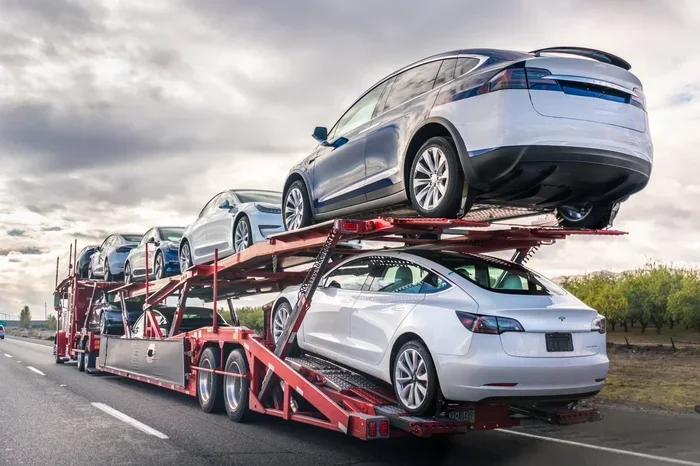
After inspection, the vehicle is loaded onto a carrier truck. It travels to a nearby port or regional distribution center. This short-distance transport usually takes one to two days.
For factories located far from ports, this step can take longer. A car built in the Midwest might need a three-day truck ride to reach a coastal shipping hub. Transport logistics here depend on geography and carrier availability.
Step 3: Ocean Shipping
This is the longest part of the journey for most buyers. Car shipment across oceans takes time. The vehicle is loaded onto a massive cargo ship.
Two main shipping methods exist. Roll-on/roll-off (RoRo) ships drive cars on and off like a parking garage. Container ships place vehicles inside sealed containers. Both methods are safe and widely used.
Transit times vary by route. A ship from Japan to the US West Coast takes about 10 to 14 days. A ship from Europe to the East Coast takes around 7 to 12 days. These are average estimates. Weather and port congestion can cause delays.
Step 4: Port Arrival and Customs Clearance
When the ship reaches port, your car must clear customs. This is where customs clearance happens. Officials inspect the vehicle, verify paperwork, and assess any duties or taxes.
Customs processing can take anywhere from one day to two weeks. It depends on the country, the volume of shipments, and whether any issues arise. Having all documentation ready speeds this process up significantly.
For imported vehicles, additional inspections may be required. Some countries check emissions compliance or safety standards. These checks add time but ensure the vehicle meets local regulations.
Step 5: Transport from Port to Dealer
Once customs clears the vehicle, it is loaded again. This time it heads to the dealership or distribution center. The distance from port to dealer varies widely.
A coastal dealer might receive the car within a day. A dealership in the interior could wait three to five days for ground transport. Dealer delivery scheduling also plays a role. Dealers receive shipments on set days, so your car might wait at the port until the next scheduled delivery.
Step 6: Final Delivery to You
The last step is the handover. The dealer contacts you when the car arrives. You complete paperwork, inspect the vehicle, and drive it home.
This step should be quick. Most dealers aim to finalize delivery within one to two days of arrival. However, if there are issues with paperwork or financing, this can stretch longer.
What Affects the Delivery Timeline?
Not all car deliveries follow the same timeline. Several variables can speed things up or slow them down. Let us explore the most common factors.
Distance and Shipping Route
Shorter routes mean faster delivery. A car shipping from a nearby country arrives quicker than one from across the globe. The transit time for ocean freight is directly tied to the shipping route.
For example, a car built in Mexico and sold in Texas might arrive in just one to two weeks. The same car shipped to New York could take three to four weeks. Distance is one of the biggest factors in your vehicle delivery timeline.
Time of Year and Demand
Peak buying seasons affect logistics. Holiday months and summer often see higher demand. More orders mean more vehicles in the pipeline. Ports get busier. Shipping schedules get tighter.
Conversely, off-season months may offer faster delivery. If you have flexibility in your purchase timing, this can work in your favor. Ask your dealer about seasonal delivery schedule patterns.
Supply Chain and Production Delays
Global supply chain issues have affected the auto industry significantly. Chip shortages, raw material delays, and factory shutdowns can push back order fulfillment timelines.
Even after the car production date is set, downstream issues can arise. Port congestion, labor shortages at shipping terminals, and container availability all play a role. These are factors beyond anyone’s direct control.
Vehicle Type and Customization
Standard, in-stock models move faster than heavily customized vehicles. If you ordered specific options, the factory may need extra time to build your exact configuration.
Limited edition models or specialty trims sometimes require dedicated shipping arrangements. These can either speed up or slow down the process, depending on logistics.
Customs and Regulatory Requirements
International shipments face additional hurdles. Each country has its own import rules. Some vehicles need modifications to meet local safety or emissions standards.
Documentation errors can cause significant delays. Ensuring all paperwork is correct before shipment reduces the risk of customs holdups. Your dealer or importer usually handles this, but staying informed helps.
Average Delivery Timelines by Region
Here is a general breakdown of what you can expect based on common shipping routes. These are averages and your experience may vary.
| Route | Average Transit Time | Typical Total Wait (Build to Delivery) |
|---|---|---|
| Domestic (same country) | 1–3 weeks | 2–4 weeks |
| Mexico to US (near border) | 1–2 weeks | 2–3 weeks |
| Asia to US West Coast | 2–3 weeks | 4–6 weeks |
| Europe to US East Coast | 1–2 weeks | 3–5 weeks |
| Asia to US East Coast | 3–4 weeks | 5–8 weeks |
| Europe to Asia | 2–3 weeks | 4–6 weeks |
These numbers include factory completion, shipping, customs, and dealer transport. Your actual timeline depends on the specific factors we discussed earlier.
Tips to Speed Up Your Car Delivery
While you cannot control every factor, there are steps you can take to minimize delays. Here are practical tips that actually work.
1. Stay in Regular Contact with Your Dealer
Communication is key. Check in with your dealer regularly. Ask for updates on your vehicle tracking status. A proactive dealer keeps things moving.
Do not wait until the expected delivery date to ask questions. If something is off track, early awareness gives you more time to respond.
2. Prepare Your Paperwork Early
Have all your documents ready before the car arrives. This includes financing paperwork, insurance, registration, and identification. Late paperwork is one of the most common reasons for delivery delays.
Contact your insurance company ahead of time. Get a quote and confirm coverage for the specific vehicle model. This simple step saves days at the dealership.
3. Be Flexible with Delivery Dates
If your dealer offers a delivery window, try to be flexible. Rigid dates create pressure on logistics teams. A wider window allows them to slot your car in efficiently.
Also, consider picking up the car yourself if you live near the port or distribution center. This can skip the final dealer transport step entirely.
4. Choose a Closer Dealer if Possible
If you have options, choose a dealer closer to the port of entry. Shorter final-leg transport means faster delivery. This is especially helpful for international purchases.
5. Understand Your Car Allocation
Dealers receive a set number of vehicles each shipment. Your car’s car allocation depends on dealer demand and factory supply. Asking about allocation timing helps you understand when to expect delivery.
Common Mistakes Buyers Make During the Waiting Period
Avoiding common mistakes saves time and frustration. Here is what not to do while waiting for your new car.
Assuming the Build Date Means Immediate Shipping
Many buyers think the car ships the day after the build date. In reality, there is a queue. Vehicles are grouped by destination and shipping schedule. Your car might sit at the factory for days before it even reaches the port.
Not Tracking the Vehicle
Most modern vehicle tracking systems let you monitor progress. Use them. Not tracking your car means you miss early warning signs of delays.
Ignoring Customs Requirements
For international buyers, ignoring customs rules is a costly mistake. Different countries require different documents. Research the import requirements for your country before placing the order.
Overlooking Insurance Setup
You need insurance before you drive the car off the lot. Setting this up last minute causes stress and delays. Arrange coverage well before the expected delivery date.
How to Track Your Car After the Build Date
Tracking your vehicle gives you peace of mind. Most manufacturers and dealerships offer tracking tools. Here is how to use them effectively.
Start by asking your dealer for the vehicle identification number (VIN). The VIN is your key to tracking. Enter it into the manufacturer’s online portal or the shipping company’s tracking system.
You can typically see the car’s current location, its last known status, and estimated arrival dates. Some manufacturers send email or text updates automatically. Enable these notifications so you do not have to check manually.
If tracking information seems stuck, contact your dealer. They can reach out to the logistics team for an update. Sometimes systems lag behind actual movement, so a direct inquiry often clears things up.
Expert Insights on Vehicle Delivery Timelines
We spoke with logistics professionals who handle car shipment daily. Here is what they shared about the delivery process.
“The biggest misconception is that build date equals delivery date,” says Mark Torres, a vehicle transport coordinator with over 15 years of experience. “In reality, the car goes through multiple hands. Each handoff adds time. Planning for four to six weeks after the build date is smart for most domestic deliveries.”
“For international orders, we always tell customers to expect at least six to ten weeks,” adds Sarah Lin, an import logistics specialist. “Customs is the wild card. If everything goes smoothly, it could be faster. But having a buffer prevents disappointment.”
These insights confirm what the data shows. Patience and preparation are your best tools. The more you know about the process, the smoother your experience will be.
Key Takeaways
- Build to delivery usually takes 2 to 8 weeks for domestic shipments and longer for international orders.
- The build date marks the start of the physical delivery timeline, not the purchase date.
- Shipping method matters — roll-on/roll-off and container shipping each have different transit times.
- Customs and inspections can add days or weeks, especially for imported vehicles.
- Dealer allocation and logistics play a big role in how fast your car reaches you.
- Tracking your vehicle through the delivery chain keeps you informed and reduces anxiety.
- Seasonal demand and supply chain issues can significantly extend wait times.
Conclusion
The vehicle delivery timeline after the build date depends on many factors. Shipping distance, customs processing, dealer logistics, and supply chain conditions all play a role. Most domestic deliveries take between two and eight weeks. International orders often require six to ten weeks or more.
Understanding each step of the car delivery process helps you set realistic expectations. You know when to follow up, when to prepare paperwork, and when to be patient. Use the tips in this guide to stay ahead of delays and make the waiting period less stressful.
Your new car is on its way. By staying informed and proactive, you will be behind the wheel sooner than you think. Trust the process, keep tracking your vehicle, and enjoy the drive when it finally arrives.
Frequently Asked Questions
What does the build date on a car mean?
The build date is the exact day your vehicle was completed at the factory. It means production is finished and the car is ready for shipment. This date is different from the order date or purchase date.
Can I speed up the car delivery process?
You cannot control shipping or customs, but you can prepare paperwork early, stay in contact with your dealer, and choose a closer delivery location. These steps help minimize unnecessary delays.
How long does international car shipping take after the build date?
International shipping typically takes four to ten weeks after the build date. Ocean transit, customs clearance, and import inspections all add time. The exact duration depends on the shipping route and destination country.
Why is my car still at the port after the build date?
Cars often wait at ports for customs clearance, dealer scheduling, or container availability. Port congestion during peak seasons can also cause delays. Contact your dealer for a specific update on your vehicle’s status.
Does the type of car affect delivery time?
Yes, customized or limited-edition models may take longer. Standard vehicles with common options move through the pipeline faster. Specialty trims sometimes require dedicated shipping arrangements that can extend the timeline.
How can I track my car after it is built?
Use your vehicle identification number (VIN) to access manufacturer or shipping company tracking portals. Most dealers also provide regular updates. Enable email or text notifications for real-time status alerts.