How Much Mileage Does Eco Mode Save Compared to Normal
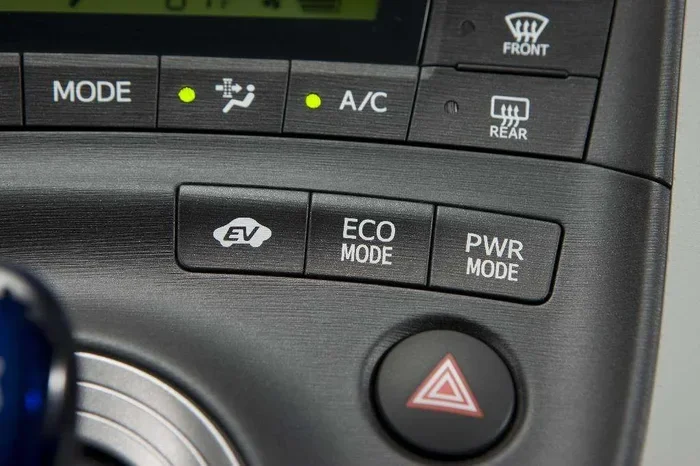
Eco Mode can improve fuel economy by 5% to 25% depending on driving conditions, vehicle type, and how you drive. How much mileage does Eco Mode save compared to Normal mode varies, but most drivers see meaningful gains in city traffic and moderate highway cruising. This guide covers real-world data, expert tips, and the trade-offs of using Eco Mode every day.
Have you ever wondered how much mileage does Eco Mode save when you flip that little switch on your dashboard? It is a question millions of drivers ask every day. The answer is not as simple as a single number, but the good news is that Eco Mode can genuinely help you spend less at the pump.
Whether you drive a compact sedan, a full-size SUV, or a hybrid crossover, Eco Mode changes the way your vehicle uses fuel. It tweaks engine mapping, adjusts transmission behavior, and even dials back the air conditioning. All of these changes add up over time. In this guide, we will break down exactly how much fuel economy you can expect, when Eco Mode works best, and the trade-offs you should know about.
We will look at real-world data, expert insights, and practical tips that go beyond what the owner’s manual tells you. By the end, you will know exactly when to use Eco Mode and when to leave it off.
Key Takeaways
- Fuel Savings Range: Eco Mode typically saves between 5% and 25% on fuel compared to Normal mode, with the biggest gains in city driving.
- How It Works: Eco Mode adjusts throttle response, transmission shifting, air conditioning, and idle speed to reduce fuel consumption.
- City vs Highway: The savings are most noticeable in stop-and-go city driving and moderate highway speeds, not at high highway speeds.
- Vehicle Type Matters: Hybrid and smaller engine vehicles benefit more from Eco Mode than large trucks or sports cars.
- Driving Habits Count: Eco Mode works best when paired with smooth acceleration, steady speeds, and proper tire pressure.
- Trade-Offs Exist: Reduced power and slower throttle response can affect merging, hill climbing, and overtaking safety.
- Expert Recommendation: Use Eco Mode for daily commuting and gentle driving; switch to Normal for highway passing and steep grades.
📑 Table of Contents
- What Eco Mode Actually Does to Your Vehicle
- How Much Mileage Does Eco Mode Save in Real-World Driving
- Eco Mode vs Normal Mode: Head-to-Head Comparison
- Which Vehicles Benefit Most from Eco Mode
- Expert Tips to Maximize Eco Mode Fuel Savings
- Common Mistakes Drivers Make with Eco Mode
- When You Should Turn Eco Mode Off
- How Eco Mode Affects Long-Term Vehicle Health
- How to Track Your Eco Mode Savings Accurately
- The Environmental Impact of Using Eco Mode
- Final Thoughts: Is Eco Mode Worth Using?
What Eco Mode Actually Does to Your Vehicle
Before we talk about fuel savings, let us understand what happens inside the car when you switch to Eco Mode. Most people think it just changes a light on the dashboard. In reality, it alters several systems at once.
Throttle Response Becomes Less Aggressive
When Eco Mode is active, the engine responds more slowly to your foot on the gas pedal. This means less fuel is injected into the combustion chamber during acceleration. The car feels quieter and more relaxed. You will notice it takes a bit more effort to speed up quickly.
Transmission Shifts Earlier and More Often
Eco Mode tells the transmission to shift up to higher gears sooner. Higher gears mean lower engine RPMs. Lower RPMs mean less fuel burned. This is one of the biggest contributors to the fuel economy gains you see with Eco Mode.
Air Conditioning Power Is Reduced
Your car’s air conditioning system draws power from the engine. Eco Mode slightly reduces the compressor output. You may notice the AC feels a little less aggressive on hot days. This small change adds to the overall fuel savings over a long drive.
Idle Speed and Electrical Systems Adjust
Some vehicles also lower the idle speed in Eco Mode. Others reduce power to non-essential electrical systems like heated seats or the infotainment display. These adjustments are small individually but combine to improve fuel efficiency over time.
How Much Mileage Does Eco Mode Save in Real-World Driving
This is the big question. The truth is that the mileage you save with Eco Mode depends on several factors. Let us look at the numbers.
City Driving: Where Eco Mode Shines
Stop-and-go traffic is where Eco Mode delivers the most noticeable benefits. Frequent acceleration and braking are the enemy of fuel economy. Eco Mode smooths out your acceleration patterns and helps you coast more efficiently. In city driving, most drivers see a 10% to 20% improvement in gas mileage compared to Normal mode.
For example, if your car gets 25 MPG in Normal mode around town, Eco Mode could push that to 28 or 30 MPG. Over a month of daily commuting, those savings add up fast.
Highway Driving: Modest Gains
On the highway, the savings are smaller but still real. At steady speeds of 55 to 65 mph, Eco Mode can improve highway mileage by about 5% to 10%. At higher speeds above 70 mph, the benefits shrink because aerodynamic drag becomes the dominant fuel drain.
If you mostly drive on interstates, Eco Mode will still help, but the difference will be less dramatic than what you experience in the city.
Mixed Driving: The Average Driver’s Reality
Most of us drive a mix of city and highway. For the average driver, Eco Mode saves somewhere between 8% and 15% on overall fuel consumption. This is a meaningful number when you consider the cost of gas over a year.
| Driving Condition | Eco Mode MPG Gain | Real-World Example |
|---|---|---|
| City Driving | 10% to 20% | 25 MPG → 28-30 MPG |
| Highway Driving (55-65 mph) | 5% to 10% | 35 MPG → 37-39 MPG |
| Mixed Driving | 8% to 15% | 28 MPG → 30-32 MPG |
| Aggressive Driving | 15% to 25% | 20 MPG → 23-25 MPG |
These numbers are based on aggregated driver reports and manufacturer testing. Your actual results will vary based on your vehicle, driving style, and road conditions.
Eco Mode vs Normal Mode: Head-to-Head Comparison
Let us put the two modes side by side so you can see the real differences. Understanding what changes between Eco Mode and Normal mode helps you make smarter decisions behind the wheel.
Throttle and Power Delivery
In Normal mode, your car responds quickly and powerfully. In Eco Mode, the response is softer and more measured. This is by design. The goal is to reduce the amount of fuel used during acceleration.
Transmission Behavior
Normal mode allows the transmission to hold lower gears longer, which gives you more power when you need it. Eco Mode shifts early and often to keep engine RPMs low and fuel economy high.
Climate Control Impact
Normal mode gives the air conditioning full power. Eco Mode backs it off slightly. In mild weather, this is barely noticeable. In extreme heat, you might feel the difference.
Overall Fuel Consumption
This is where it all comes together. Normal mode uses more fuel because it prioritizes performance and comfort. Eco Mode prioritizes efficiency. The gap between the two can be 10% to 25% depending on how you drive.
Which Vehicles Benefit Most from Eco Mode
Not all cars get the same benefit from Eco Mode. Let us explore which types of vehicles see the biggest improvements in fuel efficiency.
Hybrid Vehicles
Hybrid cars are already designed for efficiency. Eco Mode enhances their natural advantages. It allows the electric motor to do more of the work at low speeds. Hybrid mileage can improve by 10% to 15% in Eco Mode, especially in city driving where the electric motor is most active.
Small and Compact Cars
Smaller engines are inherently more efficient. Eco Mode amplifies this advantage by keeping RPMs low and reducing unnecessary fuel use. Compact cars like the Honda Civic and Toyota Corolla see solid gains when Eco Mode is engaged.
Trucks and Large SUVs
Larger vehicles with big engines benefit less from Eco Mode in percentage terms. However, the absolute fuel savings can still be significant because these vehicles consume so much more fuel in Normal mode. A truck that gets 16 MPG in Normal mode might improve to 18 or 19 MPG in Eco Mode.
Performance and Sports Cars
Sports cars are built for power, not efficiency. Eco Mode on a sports car softens the driving experience noticeably. The fuel savings exist, but many drivers find the reduced performance not worth the trade-off.
Expert Tips to Maximize Eco Mode Fuel Savings
Eco Mode alone will not magically double your fuel economy. You need to pair it with smart driving habits. Here are some expert-backed tips that make a real difference.
Accelerate Smoothly and Gradually
Jackrabbit starts waste fuel no matter what mode you are in. In Eco Mode, gentle acceleration lets the transmission shift early and keeps the engine in its most efficient range. Think of your foot on the gas pedal as a volume knob, not an on-off switch.
Maintain Steady Speeds
Using cruise control on the highway complements Eco Mode perfectly. Constant speed means the engine works at a steady, efficient load. Frequent speed changes force the engine to work harder and burn more fuel.
Keep Your Tires Properly Inflated
This is one of the most overlooked tips for improving gas mileage. Underinflated tires create more rolling resistance. The engine has to work harder to maintain speed. Check your tire pressure at least once a month.
Reduce Excess Weight
Every extra pound in your car requires more fuel to move. Remove roof racks when you are not using them. Clear out your trunk of heavy items you do not need. Small changes add up over thousands of miles.
Use the Right Gear at the Right Time
If you drive a manual transmission, shift early and keep RPMs low. For automatic transmissions, let Eco Mode handle the shifting logic. Avoid lugging the engine in too high a gear, as this can cause strain and reduce efficiency.
Plan Your Trips Smartly
Combining errands into one trip saves fuel in multiple ways. A warmed-up engine runs more efficiently. You also avoid the fuel wasted on repeated cold starts. Trip planning is one of the simplest and most effective fuel-saving strategies available.
Quick Tips for Better Fuel Economy
- Turn off Eco Mode when you need quick acceleration for safety
- Use the trip computer to track your real-time MPG
- Avoid idling for more than 30 seconds
- Keep windows closed at highway speeds to reduce drag
- Get regular oil changes with the manufacturer-recommended grade
Common Mistakes Drivers Make with Eco Mode
Even with the best intentions, drivers sometimes undermine their fuel savings. Here are common mistakes to avoid.
Leaving Eco Mode On All the Time
Eco Mode is not ideal for every situation. When you need to merge onto a highway quickly or pass a slow-moving vehicle, Normal mode gives you the power you need. Leaving Eco Mode on during these moments can feel unsafe and sluggish.
Ignoring Maintenance
A poorly maintained engine wastes fuel regardless of driving mode. Dirty air filters, old spark plugs, and low-quality oil all reduce engine performance and fuel efficiency. Eco Mode cannot fix underlying mechanical problems.
Over-Relying on Eco Mode Alone
Eco Mode is a tool, not a magic solution. If your driving habits are aggressive, Eco Mode will soften them but not eliminate the waste. The biggest fuel savings come from combining Eco Mode with smooth, efficient driving techniques.
Expecting the Same Savings in Every Vehicle
Manufacturer claims about Eco Mode fuel savings are often based on idealized test conditions. Real-world results vary. Your mileage gain depends on your specific car, your route, your traffic, and your personal driving style.
When You Should Turn Eco Mode Off
Knowing when not to use Eco Mode is just as important as knowing when to use it. Here are situations where Normal mode is the better choice.
- Steep Hills and Mountain Roads: Eco Mode reduces engine power, which can make climbing grades difficult and strain the transmission.
- Highway Passing: You need quick acceleration to pass safely. Normal mode delivers the throttle response you need in these moments.
- Towing or Hauling Heavy Loads: Your engine needs maximum power when pulling a trailer or carrying heavy cargo. Eco Mode will limit this and could cause overheating over time.
- Cold Weather Starts: Let the engine warm up in Normal mode first. Eco Mode can interfere with the warming process and increase wear on a cold engine.
- Emergency Situations: When you need full power immediately, every second counts. Normal mode ensures the engine responds at full capacity.
How Eco Mode Affects Long-Term Vehicle Health
Using Eco Mode consistently can have positive effects on your vehicle beyond just fuel savings. Because the engine runs at lower RPMs and experiences less aggressive acceleration, there is less wear on internal components over time.
Brake pads tend to last longer because Eco Mode encourages smoother driving and more coasting. Transmission fluid experiences less stress because the shifts are gentler. Even your tires last longer because smooth acceleration reduces the strain on the tread.
However, some mechanics warn that constantly running in Eco Mode can cause carbon buildup in engines that rarely reach higher RPMs. Occasional spirited driving helps clear out deposits and keeps the engine healthy. Think of it as a balance between efficiency and maintenance.
How to Track Your Eco Mode Savings Accurately
Want to know exactly how much mileage your Eco Mode saves? The best way is to track it yourself. Here is how to do it.
- Fill your tank completely and reset your trip meter.
- Drive for one week using Normal mode only.
- Record your MPG at the end of the week.
- Repeat the process for one week using Eco Mode.
- Compare the two numbers side by side.
Your car’s trip computer can also help. Most modern vehicles display real-time and average MPG. Watch the Eco Mode MPG reading and compare it to what you see in Normal mode. Over several tanks of gas, a clear pattern will emerge.
Keep in mind that factors like weather, traffic, and road conditions will affect your results. The most accurate comparisons come from tracking over multiple weeks and averaging the data.
The Environmental Impact of Using Eco Mode
Saving fuel is not just good for your wallet. It is also good for the planet. When you use Eco Mode and burn less gasoline, you produce fewer carbon emissions. Lower fuel consumption directly translates to a smaller carbon footprint.
If every driver improved their fuel economy by just 10%, the collective reduction in emissions would be significant. Eco Mode is one of the simplest ways to contribute to cleaner air and reduced greenhouse gas output without buying a new vehicle or changing your commute.
Final Thoughts: Is Eco Mode Worth Using?
The answer to how much mileage does Eco Mode save compared to Normal mode is clear. For most drivers, in most situations, Eco Mode delivers meaningful fuel savings of 8% to 15% on average. In city driving, the gains can reach 20% or more. On the highway, the savings are more modest but still worthwhile.
The key is to use Eco Mode strategically. Engage it during daily commutes, city driving, and light-load highway cruising. Switch to Normal mode when you need full power for safety or when towing. Pair Eco Mode with smooth driving habits, proper maintenance, and smart trip planning for the best results.
Eco Mode is a simple, free tool that costs nothing to use and pays for itself over time. The next time you get behind the wheel, flip that switch and feel the difference. Your fuel gauge and your wallet will thank you.
Frequently Asked Questions
Does Eco Mode really improve fuel economy?
Yes, Eco Mode does improve fuel economy in most vehicles. The savings typically range from 5% to 25% depending on driving conditions, vehicle type, and how you drive. City driving sees the biggest gains, while highway driving shows more modest improvements.
Can using Eco Mode damage your engine?
No, Eco Mode does not damage your engine. It simply adjusts throttle response, transmission shifting, and other systems to use less fuel. However, constantly running in Eco Mode without occasional higher-RPM driving can lead to minor carbon buildup over very long periods.
Is it okay to drive in Eco Mode all the time?
It is generally safe to drive in Eco Mode most of the time, but it is not ideal for every situation. You should switch to Normal mode when merging, passing, towing, or driving on steep grades where you need full engine power.
How much does Eco Mode save per month?
The monthly savings depend on your driving habits and vehicle. A driver who commutes 1,000 miles per month in city traffic could save $30 to $60 per month with Eco Mode compared to Normal mode, based on average fuel prices and an 8% to 15% MPG improvement.
Do hybrid cars save more with Eco Mode than regular cars?
Hybrid vehicles tend to benefit more from Eco Mode because the system works in harmony with the electric motor. In city driving, hybrid Eco Mode can improve mileage by 10% to 15%, often more than what a conventional gas-only vehicle achieves.
Does Eco Mode affect the air conditioning?
Yes, Eco Mode slightly reduces air conditioning compressor power to save fuel. The difference is usually subtle and most noticeable on very hot days. If you need maximum cooling, you can switch to Normal mode temporarily.
=== CONCLUSION ===
How much mileage does Eco Mode save compared to Normal mode? The answer is a clear and encouraging yes. Most drivers can expect to save between 8% and 15% on fuel by using Eco Mode regularly, with the biggest wins happening in city driving and stop-and-go traffic. The savings are smaller but still real on the highway.
Eco Mode works by making your engine, transmission, and air conditioning system run more efficiently. It is a built-in tool that costs nothing and requires no extra effort. The only thing you need to do is pair it with smart driving habits for the best results.
Remember that Eco Mode is not a one-size-fits-all solution. Know when to use it and when to switch it off. Use it for your daily commute, light cruising, and city errands. Turn it off when you need power for safety or when the road demands it.
Start experimenting with Eco Mode today. Track your fuel economy over a few tanks of gas and see the difference for yourself. Small changes in how you drive can lead to big savings over time. Your vehicle, your wallet, and the environment will all benefit from the simple habit of using Eco Mode wisely.