How Long Does It Take to Build a Car From Scratch
Building a car from scratch is a fascinating journey that can take anywhere from a few months to several years, depending on the approach, resources, and complexity involved. The how long does it take to build a car question has no single answer because custom builds, factory production, and amateur projects all operate on vastly different timelines. Whether you are a car enthusiast planning a garage build or simply curious about the automobile assembly process, this guide breaks down every stage and timeline in clear, practical detail.
Have you ever wondered how long it really takes to build a car from the ground up? The answer might surprise you. A factory assembly line can knock out a complete vehicle in under a day. But if you are talking about building one yourself in a garage, the timeline stretches into months or even years.
The how long does it take to build a car question opens up a world of fascinating details. From the first sketch on paper to the moment the engine roars to life, every step matters. In this article, we will walk through the entire car manufacturing process, break down each stage, and show you what really affects the build timeline. Whether you are dreaming of a custom hand-built car or just curious about automobile assembly, you are in the right place.
Key Takeaways
- Factory Production: A standard car takes about 18 to 24 hours on the assembly line from start to finish.
- Custom Builds: Hand-building a car from scratch can take anywhere from 6 months to 3+ years depending on skill and complexity.
- Key Stages: Design, chassis fabrication, bodywork, engine installation, interior fitting, and final testing are the core phases.
- Factors That Matter: Experience level, budget, parts availability, and build complexity heavily influence the timeline.
- Amateur Builds: First-time builders should expect timelines to double or triple compared to experienced fabricators.
- Planning Is Everything: A detailed project plan with milestones keeps any car build on track and on budget.
📑 Table of Contents
- The Car Manufacturing Process: An Overview
- How Long Does Each Stage Take?
- Building a Car From Scratch vs. Factory Production
- Factors That Affect Build Time
- Custom Car Builds: What to Expect
- Tips for Planning Your Car Build
- Common Mistakes That Slow Down Car Builds
- The Future of Car Building
- Conclusion
The Car Manufacturing Process: An Overview
Before we dive into timelines, it helps to understand what building a car actually involves. A vehicle construction process is not one single task. It is a series of complex stages that build on each other. Each stage requires specific tools, skills, and time commitments.
At its core, the automotive construction process follows a logical sequence. You start with a design or concept. Then you gather materials and parts. Next comes the structural work, followed by the mechanical and electrical systems. Finally, you finish the interior and conduct thorough testing.
What Goes Into Building a Car?
A modern car contains thousands of individual parts. Here are the major components that go into any car build:
- Chassis and Frame: The skeleton that holds everything together.
- Body Panels and Sheet Metal: The outer shell that gives the car its shape.
- Engine and Powertrain: The heart of the vehicle that delivers power.
- Transmission and Drivetrain: The system that transfers power to the wheels.
- Electrical Systems: Wiring, lights, sensors, and the onboard computer network.
- Interior Components: Seats, dashboard, steering wheel, and trim pieces.
- Braking and Suspension Systems: Safety and handling essentials.
Understanding these components helps you appreciate why the car build duration varies so much from one project to the next. A simple kit car build looks very different from a full custom vehicle construction project with a bespoke chassis and handmade body panels.
How Long Does Each Stage Take?
This is where things get really interesting. The how long does it take to build a car answer depends heavily on which stage you are looking at. Let us break down the major phases and their typical timeframes.
Stage 1: Design and Planning
Every great car starts with a solid plan. The design phase can take anywhere from a few weeks to several months. During this stage, you finalize the concept, create detailed blueprints, and source all the necessary parts and materials.
For factory teams, this stage is highly organized. Engineers use advanced automotive design software to model every component digitally before anything gets built. For a solo builder, the planning phase might involve browsing catalogs, measuring garage space, and drawing rough sketches by hand.
Typical Timeframe: 2 weeks to 3 months, depending on complexity and experience.
Stage 2: Chassis and Frame Fabrication
The chassis is the foundation of any car. This stage involves cutting, welding, and shaping the frame or platform that everything else mounts to. For a custom car build, this is often the most labor-intensive phase.
If you are working with a pre-made chassis kit, this stage shortens significantly. But if you are fabricating a frame from scratch, expect to spend serious time on welding, alignment, and reinforcement. Precision matters here because a misaligned chassis leads to handling problems down the road.
Typical Timeframe: 1 to 4 months for amateur builders. Factory production handles this in hours thanks to robotic welding.
Stage 3: Bodywork and Exterior Panels
Once the frame is solid, it is time to add the body. This involves installing panels, shaping sheet metal, and filling gaps with filler before sanding everything smooth. The car bodywork stage is where the car starts to look like a car.
Bodywork requires patience and a good eye for detail. Even small imperfections show up once the paint goes on. Many builders spend more time on bodywork than they expect. The automotive body construction process includes shaping, fitting, smoothing, and priming before any color is ever applied.
Typical Timeframe: 1 to 3 months for a thorough job. Rushed bodywork leads to visible flaws later.
Stage 4: Engine and Powertrain Installation
With the shell taking shape, the engine goes in next. Engine installation is one of the most exciting parts of any build. It is the moment the project starts to feel real.
The time this takes depends on the engine type. A standard V8 engine installation in a compatible frame can go relatively quickly. But if you are swapping in an unusual engine or building a custom powertrain setup, the work multiplies. You also need to connect the transmission, exhaust, cooling system, and fuel lines.
Typical Timeframe: 2 weeks to 2 months, depending on engine complexity and customization.
Stage 5: Electrical Systems and Wiring
Modern cars are essentially computers on wheels. The electrical phase involves running all the wiring harnesses, installing the fuse box, connecting the ignition system, and setting up lighting and sensors.
This stage is often underestimated by first-time builders. A proper wiring job takes time and careful planning. A single mistake can cause shorts, blown fuses, or even electrical fires. Many experienced builders recommend labeling every wire and taking photos at each step.
Typical Timeframe: 2 to 6 weeks for a standard build. Custom electrical systems with advanced features can take longer.
Stage 6: Interior Fitting
Now comes the part you sit in. Interior installation includes the seats, dashboard, steering column, carpeting, door panels, and all the trim pieces. This is where the car transforms from a rolling chassis into a comfortable, livable space.
Interior work also covers the climate control system, audio setup, and any custom features you want. The car interior assembly stage is where personal style really shines through. Some builders spend weeks just on the dashboard layout alone.
Typical Timeframe: 2 to 4 weeks for a standard interior. Luxury or highly customized interiors can take 2 months or more.
Stage 7: Painting and Finishing
Painting is both an art and a science. The process involves sanding the body to a smooth finish, applying primer, laying down the base coat, adding the clear coat, and then wet-sanding and buffing to a mirror shine.
Each coat needs proper drying time between applications. Humidity, temperature, and dust in your workspace all affect the quality of the finish. A professional-quality paint job is one of the most time-consuming parts of any car build timeline.
Typical Timeframe: 2 to 6 weeks including drying time. A high-end custom paint job can take even longer.
Stage 8: Final Testing and Tuning
The last stage is all about making sure everything works. This includes starting the engine, checking all systems, test-driving the vehicle, and making adjustments. The car assembly testing phase catches any issues that slipped through earlier stages.
During testing, builders check brake performance, alignment, fluid levels, electrical functions, and engine tuning. This stage is not something you want to rush. Thorough testing ensures safety and reliability from day one.
Typical Timeframe: 1 to 3 weeks of testing and fine-tuning.
Building a Car From Scratch vs. Factory Production
The difference between a factory-built car and a hand-built car is night and day. Understanding this contrast helps put the how long does it take to build a car question into proper perspective.
Factory Production Timeline
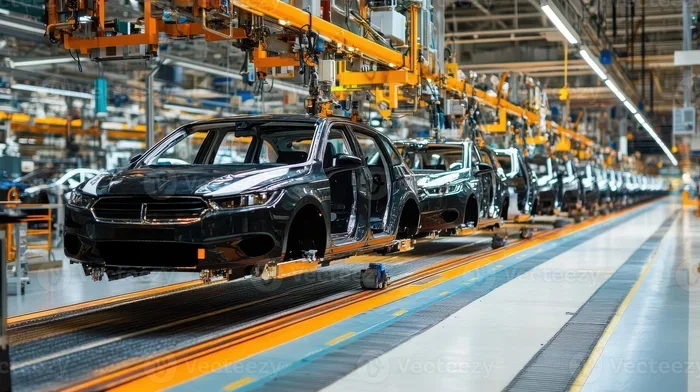
In a modern car factory assembly line, a vehicle moves from start to finish in roughly 18 to 24 hours. This incredible speed is possible because of several factors:
- Division of Labor: Hundreds of specialized workers each handle one task.
- Robotic Automation: Robots handle welding, painting, and precision fitting.
- Standardized Parts: Every component is mass-produced to exact specifications.
- Continuous Flow: The car moves steadily down the line without waiting.
Even with all these advantages, factory cars still require weeks of quality control checks before they reach the dealership. The automobile assembly time on the line is just one part of the overall production cycle.
Hand-Built Car Timeline
A custom vehicle build in a home garage operates on a completely different scale. There is no assembly line. One person handles multiple roles. Parts might need to be modified or fabricated by hand. Here is how the timelines compare:
- Beginner Builder: 1 to 3 years for a complete build.
- Experienced Builder: 6 months to 1.5 years for a well-planned project.
- Professional Fabricator: 3 to 6 months for a high-quality custom build.
- Factory-Equivalent Quality: 1 to 2 years for a single hand-built car.
The car build duration for a hand-built project depends on how many hours per week you can dedicate. Someone working on their build every day will finish much faster than someone who only works on weekends.
Factors That Affect Build Time
Several key factors influence how long any car build takes. Understanding these helps you set realistic expectations and plan your project effectively.
Experience and Skill Level
This is the single biggest factor. An experienced welder who has built cars before will work through each stage much faster than someone doing it for the first time. Mechanical aptitude, welding skills, and bodywork experience all compound to reduce the overall automotive build timeline.
If you are a beginner, do not let this discourage you. Just build extra time into your schedule. Every project teaches valuable lessons that speed up future builds.
Budget and Parts Availability
A generous budget allows you to buy pre-made components instead of fabricating them from scratch. Ready-made chassis kits, bolt-on body panels, and pre-wired harnesses all save enormous amounts of time. On the other hand, sourcing rare or vintage parts can create delays that stretch the timeline by weeks or months.
Budget also affects whether you can afford professional help for certain stages. Hiring a painter or a welder for specific tasks can dramatically cut the overall car production steps timeline.
Build Complexity
A simple kit car build with a bolt-together chassis and off-the-shelf body panels is far faster than a full custom automotive engineering project with a hand-formed chassis and handmade body panels. The more custom the build, the longer it takes.
Engine swaps, custom suspension setups, and advanced electrical systems all add complexity and time. The more ambitious the project, the more realistic your timeline needs to be.
Workspace and Tools
Having a proper garage or workshop with the right tools makes a huge difference. A well-equipped space with a welding rig, lift, air compressor, and proper lighting keeps you working efficiently. A cramped workspace with limited tools slows you down at every stage.
Quick Tip: Before starting your build, make a list of the tools you need and ensure you have them ready. Delays caused by missing tools are one of the most common reasons builds stall.
Parts Sourcing and Procurement
Waiting on parts delivery is one of the biggest timeline killers. International shipping delays, backordered components, and discontinued parts can all bring a build to a halt. Smart builders order parts well in advance and keep a running inventory checklist.
Common Mistake: Many builders underestimate how long it takes to find and order specific parts. Start your parts search early and build buffer time into your schedule for delays.
Custom Car Builds: What to Expect
A custom vehicle build is a labor of love. It is not just about the end result; it is about the journey of creating something with your own hands. Here is what a typical custom build looks like from start to finish.
The first thing you need is a clear vision. Do you want a classic street rod, a modern performance machine, or a one-of-a-kind show car? Your vision shapes every decision that follows, from the chassis type to the engine choice to the paint color.
Once the vision is clear, you move into the sourcing phase. This is where you hunt for a donor vehicle, a kit, or raw materials. Experienced builders often keep a list of parts they have been collecting for future projects. This approach spreads the cost over time and avoids the rush of last-minute sourcing.
The actual construction phase is where the real work begins. Most builders find that the first few weeks are the most exciting. Everything is new, progress feels fast, and the project is taking shape. But around the halfway point, fatigue and frustration often set in. This is the phase where many projects stall. Staying motivated and breaking the work into small, manageable milestones is essential.
Expert Insight: Professional builders recommend setting weekly goals rather than focusing on the entire project. Achieving small wins keeps momentum going and makes the long timeline feel manageable.
The final months of a custom build are often the most rewarding. The car starts to look and sound like a real vehicle. Interior details come together, the paint shines, and the engine finally turns over for the first time. That moment is worth every hour of work.
Tips for Planning Your Car Build
If you are serious about tackling a car build project, good planning is your best tool for staying on track. Here are practical tips that experienced builders swear by.
- Create a Detailed Project Plan: Write down every stage, estimate the time for each, and set realistic milestones. Review and adjust the plan as the project progresses.
- Set a Realistic Budget: Include a contingency fund of 20 to 30 percent for unexpected costs. Build projects almost always go over budget.
- Document Everything: Take photos and notes at every stage. This helps with troubleshooting and creates a valuable record of your work.
- Join a Community: Online forums and local car clubs are goldmines of advice. Other builders can spot problems you might miss.
- Purchase Parts Early: Order long-lead items first. Waiting on a single part can delay the entire project.
- Know When to Outsource: Some tasks, like painting or engine tuning, are best left to professionals. Spending money to save time is often a smart investment.
Following these tips does not guarantee a perfect build, but it does dramatically improve your chances of finishing on time and on budget. The how long does it take to build a car answer is always flexible, but a solid plan gives you a baseline to work from.
Common Mistakes That Slow Down Car Builds
Even the best-planned projects run into trouble. Here are the most common mistakes that extend the car build timeline unnecessarily.
- Skipping the Planning Phase: Jumping straight into fabrication without a clear plan leads to mistakes and rework.
- Underestimating Bodywork: Many beginners think bodywork is just bolting on panels. In reality, it requires careful fitting, filling, and sanding.
- Buying Cheap Tools: Low-quality tools break, produce poor results, and cost more in the long run.
- Ignoring Electrical Basics: A sloppy wiring job causes endless headaches. Learn the basics before you start running wires.
- Not Allowing Drying Time: Rushing paint coats or skipping primer leads to a finish that peels and looks terrible.
- Trying to Do Everything at Once: Focus on one system at a time. Juggling engine work, bodywork, and electrical simultaneously leads to confusion.
Avoiding these pitfalls keeps your build moving forward and protects the quality of the final product. Every experienced builder has made at least a few of these mistakes. The key is learning from them and planning better next time.
The Future of Car Building
The automotive manufacturing timeline is evolving rapidly. New technologies are making it faster and easier than ever to build a car from scratch. 3D printing now allows builders to create custom parts in hours instead of weeks. CNC machining brings factory-level precision to home workshops. And online marketplaces have made sourcing rare parts simpler than ever before.
Electric vehicle kits are also changing the landscape. A custom EV build often has fewer moving parts than a traditional combustion engine car, which can shorten the build timeline. However, battery integration and thermal management add their own complexities.
As tools and resources continue to improve, the barrier to entry for car building keeps dropping. What once required a professional fabrication shop can now be accomplished in a home garage. The how long does it take to build a car answer will continue to evolve as technology advances.
Conclusion
The how long does it take to build a car from scratch is a question with no single answer. A factory car rolls off the line in under a day. A hand-built custom project can take anywhere from six months to three years. The wide range exists because every build is unique, shaped by the builder’s skill, budget, tools, and vision.
What remains constant is the incredible satisfaction of bringing a car to life with your own hands. Whether you are planning a weekend project or a multi-year dream build, understanding the process, the stages, and the factors that affect the timeline puts you in the best position for success. Plan carefully, stay patient, and enjoy every step of the journey.
The world of car manufacturing is vast and endlessly interesting. Now that you understand the full picture of how long it really takes to build a car, you are better equipped to start your own project with confidence and realistic expectations.
Frequently Asked Questions
How long does it take to build a car from scratch as a beginner?
For a complete beginner, building a car from scratch typically takes 1 to 3 years. The learning curve is steep, and unexpected challenges will arise. Starting with a simple kit car can shorten this timeline significantly while you build your skills.
Can you build a car in a month?
It is extremely difficult to build a complete car from scratch in one month. Even professional fabricators need several months for a high-quality build. However, you can assemble a basic kit car in about 4 to 8 weeks with dedicated full-time effort.
How long does a factory take to build a car?
A modern factory can build a car in approximately 18 to 24 hours on the assembly line. This includes welding, painting, engine installation, and final inspection. However, the overall production cycle from stamping parts to shipping takes several weeks.
What is the hardest part of building a car?
Most builders agree that bodywork and painting are the hardest parts. Achieving a smooth, flawless finish requires extensive sanding, filling, and multiple coats of paint. Electrical wiring and engine tuning are also challenging, especially for beginners.
How much does it cost to build a car from scratch?
The cost varies enormously depending on the type of car and the quality of parts. A basic kit car build might cost $5,000 to $15,000. A full custom build with a handmade chassis and premium components can easily exceed $50,000 or more.
Do I need a professional workshop to build a car?
You do not necessarily need a professional workshop, but you do need adequate space, proper ventilation, and essential tools like a welder, lift, and air compressor. A two-car garage can work for smaller projects, but larger builds benefit from a dedicated workshop.
=== CONCLUSION ===
The how long does it take to build a car journey is as rewarding as the destination itself. From the first design sketch to the final test drive, every stage of the car manufacturing process teaches you something new. Whether you are drawn to the precision of factory assembly or the creativity of a custom car build, understanding the timeline helps you set goals and stay motivated. Start planning, gather your tools, and take the first step toward building the car of your dreams.