How Can I See the Value of My Car Easily and Quickly
Finding out how much your car is worth is simple when you know the right tools and methods. You can get a free car value estimate online in just a few minutes using trusted sites like Kelley Blue Book and Edmunds. This guide walks you through every step to see your vehicle valuation accurately and confidently.
Have you ever wondered what your car is actually worth? Maybe you are thinking about selling it, trading it in, or just curious. How can I see the value of my car without spending a dime? The good news is that you can find out your car value in just a few minutes from your couch. There are free tools, simple steps, and a few insider tips that make the whole process a breeze.
Knowing your vehicle valuation gives you power. It helps you negotiate better deals. It stops you from accepting low offers. And it gives you a clear picture of what your car is worth in today’s market. Whether your car is brand new or has seen a few miles, this guide has you covered.
In this article, we will walk you through every method to check your car value online. We will share the best tools, explain what affects your price, and give you practical tips to get the most accurate results. Let us get started.
Key Takeaways
- Free online tools make it easy: Sites like Kelley Blue Book, Edmunds, and NADA Guides give you instant car value estimates at no cost.
- Your car’s condition matters a lot: Factors like mileage, age, and maintenance history directly affect your vehicle valuation.
- Compare multiple sources: Always check at least two or three tools to get a realistic car market value range.
- Know the difference between values: Trade-in, private party, and retail prices are not the same — understanding each helps you make smarter decisions.
- Use your VIN for accuracy: Your vehicle identification number unlocks detailed, precise car appraisal results.
- Timing affects price: Selling in the right season and market can boost your used car pricing significantly.
📑 Table of Contents
- Why Knowing Your Car Value Matters
- Top Free Tools to Check Your Car Value
- What Factors Affect Your Car Value
- How to Use Your VIN for the Most Accurate Valuation
- Quick Tips to Boost Your Car Value Before Selling
- Common Mistakes People Make When Valuing Their Car
- When to Get a Professional Car Appraisal
- Conclusion
Why Knowing Your Car Value Matters
Understanding your car value is more important than most people think. It affects big financial decisions. A wrong estimate can cost you hundreds — or even thousands — of dollars. Let us look at why this matters so much.
It Helps You Set a Fair Selling Price
When you want to sell your car, you need a price that is fair to both you and the buyer. If you ask too much, people scroll past your listing. If you ask too little, you lose money you deserve. Checking your car market value helps you find the sweet spot. You can price your car competitively and sell it faster.
It Protects You in Trade-Ins
Dealerships want to make a profit. They will offer you the lowest trade-in value they can. But when you know your car’s real worth, you can push back. You can compare their offer to the private party value and negotiate from a position of strength. Knowledge is your best tool at the dealership.
It Guides Insurance and Loan Decisions
Your car value also matters for insurance. If your car is totaled, the insurance company pays based on its current market worth. If you owe more on your loan than the car is worth, you are in a tough spot. Checking your value regularly helps you avoid being underwater on your loan.
Top Free Tools to Check Your Car Value
The easiest way to see your car value is through online vehicle valuation tools. These sites use real market data to give you estimates. Best of all, they are free. Here are the best options you should try right now.
Kelley Blue Book (KBB)
Kelley Blue Book is one of the most trusted names in car appraisal. It has been around for decades and uses millions of real transactions to calculate values. You enter your car’s details — make, model, year, mileage, and condition — and it gives you three numbers:
- Trade-in value: What a dealer would pay you.
- Private party value: What you could get selling to an individual.
- Retail value: What a dealer would ask for a similar car.
KBB also lets you adjust for your car’s specific features. Added options like leather seats, a sunroof, or upgraded wheels can boost your car value. This tool is a great starting point for anyone asking, “How can I see the value of my car?”
Edmunds
Edmunds is another top choice for used car pricing. It works very similarly to KBB but has some unique features. Edmunds gives you a “True Market Value” (TMV) number. This is based on what real buyers and sellers are doing in your local area. That makes it very relevant to where you live.
Edmunds also has a handy “What’s My Car Worth?” tool on its website. You just type in your vehicle identification number (VIN) and get an instant estimate. The VIN gives the tool exact details about your car’s trim, engine, and options. This leads to a more accurate vehicle valuation than guessing your car’s specs manually.
NADA Guides
NADA Guides comes from the National Automobile Dealers Association. It is especially popular for car appraisal in the finance and insurance world. Banks and lenders often use NADA values when approving auto loans. If you want a value that professionals trust, NADA is worth checking.
NADA tends to give slightly higher values than KBB or Edmunds. This is because it assumes the car is in average condition. If your car is in excellent shape, you might want to use KBB or Edmunds instead. Comparing all three gives you the most complete picture of your car value.
CarGurus Instant Market Value
CarGurus offers a free tool called Instant Market Value (IMV). It pulls live listing data from thousands of dealer and private listings across the country. This means the number you get reflects what people are actually paying right now. That makes it very current and useful for used car pricing decisions.
AutoTrader Valuation Tool
AutoTrader is a major marketplace for buying and selling cars. Their valuation tool uses real listing data to estimate your car’s worth. It is simple to use and gives you a quick range. If you plan to sell your car on AutoTrader, their tool is a natural fit.
What Factors Affect Your Car Value
No two cars are exactly alike. Even the same make, model, and year can have very different car values. Several factors play a role in determining your price. Understanding these helps you get a more accurate vehicle valuation.
Mileage
Mileage is one of the biggest factors in car depreciation. Lower mileage almost always means a higher price. A car with 30,000 miles will be worth significantly more than one with 100,000 miles. The average American drives about 13,000 to 15,000 miles per year. If your car is below that average, it is in better shape value-wise.
Here is a quick look at how mileage affects car value:
- Under 30,000 miles: Your car is in the low-mileage range. It commands a premium price.
- 30,000 to 60,000 miles: This is average for a few years of use. Value is steady.
- 60,000 to 100,000 miles: Value starts to drop more noticeably. Some buyers worry about major repairs.
- Over 100,000 miles: Value drops further, but well-maintained cars still hold worth.
Age and Depreciation
Car depreciation is the gradual loss of value over time. Most cars lose about 15% to 25% of their value each year. A brand-new car can lose 20% of its value in the first month alone. By year five, it might be worth half of what you paid.
But not all cars depreciate at the same rate. Some brands hold their value much better. Toyota, Honda, and Jeep vehicles tend to depreciate slower than average. Luxury brands like BMW and Mercedes depreciate faster in the early years but may stabilize later. When you check your car value, the age of your vehicle is a key input.
Condition and Maintenance History
Your car’s physical and mechanical condition matters a lot. A well-maintained car with clean interior, no dents, and a smooth engine will always be worth more. On the other hand, a car with scratches, worn tires, or engine trouble will sell for less.
Here is what appraisers and online tools look at:
- Exterior condition: Paint, rust, dents, and scratches.
- Interior condition: Seats, dashboard, carpet, and odors.
- Mechanical health: Engine, transmission, brakes, and suspension.
- Service records: Proof of regular oil changes, tire rotations, and major repairs.
Having a clean car history report helps too. A report from Carfax or AutoCheck shows accidents, title status, and service records. A clean report boosts buyer confidence and your car value.
Location and Market Demand
Where you live affects your car market value. Cars in warm, dry climates tend to last longer and hold value better than those in snowy, salty coastal areas. Truck and SUV values can vary by region too. In rural areas, trucks might be worth more. In cities, compact cars might command higher prices.
Seasonality also plays a role. Convertibles sell better in spring and summer. Four-wheel-drive trucks and SUVs see higher demand in winter months. Timing your sale can make a real difference in your final price.
Optional Features and Upgrades
Extra features can increase your car value in meaningful ways. Things like a backup camera, heated seats, navigation system, and leather interior add appeal. When you use online valuation tools, make sure to list all your car’s options. Even small additions like floor mats or a recent paint job can nudge the price up.
How to Use Your VIN for the Most Accurate Valuation
Your vehicle identification number is a 17-character code unique to your car. It is like your car’s fingerprint. It tells you — and valuation tools — exactly what your car is under the surface. Using your VIN gives the most accurate vehicle valuation possible.
You can find your VIN in several places:
- On the driver’s side dashboard, visible through the windshield.
- On the driver’s side door jamb sticker.
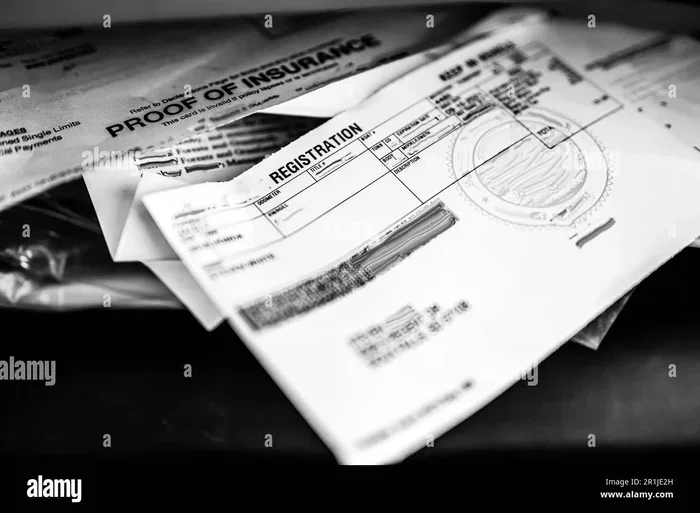
- On your vehicle registration and insurance documents.
- In your owner’s manual.
Once you have your VIN, enter it into any of the valuation tools mentioned above. The tool will pull your car’s exact trim, engine type, transmission, and factory options. This removes guesswork and gives you a precise car appraisal. It is the single best thing you can do to get an accurate car value estimate.
Quick Tips to Boost Your Car Value Before Selling
Want to get the most money for your car? A few simple steps can make a big difference. Here are practical tips to increase your car value before you list it for sale.
1. Get a Professional Detail
A clean car looks better and feels better to buy. A professional detail can cost $50 to $150 but can add $200 or more to your sale price. Focus on the interior, wheels, and paint. A freshly detailed car photographs better too, which helps with online listings.
2. Fix Small Issues
Small repairs have a big return on investment. Replace burnt-out headlights. Fix a broken tail light. Patch a small crack in the windshield. These are cheap fixes that make your car look well cared for. Buyers notice these details and they influence their offer.
3. Gather Your Records
Put together all your maintenance records. Show receipts for oil changes, tire replacements, and major services. A full service history proves your car has been taken care of. This builds trust with buyers and supports a higher car value.
4. Address Mechanical Problems
If your car has any known issues, get them fixed before selling. A car that runs smoothly and passes a safety inspection will always sell for more. Spending a few hundred dollars on repairs can easily return thousands at the sale.
5. Know Your Numbers
Before you talk to any buyer or dealer, know your car value cold. Check at least two or three online tools. Know your trade-in value, private party value, and retail value. This preparation gives you confidence and keeps you from accepting a lowball offer.
Common Mistakes People Make When Valuing Their Car
Even with great tools available, people still make mistakes when figuring out their car value. Avoid these common pitfalls to get a more accurate vehicle valuation.
Relying on Only One Tool
No single valuation tool is perfect. Each uses slightly different data and methods. KBB might give you one number while Edmunds gives you another. The smartest move is to check at least two or three tools and look at the range. If the numbers are close, you have a solid estimate. If they vary widely, dig deeper.
Overestimating Condition
It is easy to think your car is in better shape than it really is. Be honest about scratches, dents, and mechanical issues. An online tool will ask you to rate your car’s condition. Choose “average” or “good” honestly. Inflating your condition leads to an unrealistic car value estimate.
Ignoring Local Market Data
A national car market value is helpful, but it is not the whole story. Prices vary by region. A truck in Texas might be worth more than the same truck in New York. Use tools that offer local or regional data. Look at what similar cars are selling for in your area on sites like AutoTrader or Facebook Marketplace.
Forgetting About Outstanding Loans
If you still owe money on your car loan, your car value might be less than what you owe. This is called being “upside down.” Check your loan balance before you assume you will get cash from a sale or trade-in. You may need to pay the difference out of pocket.
When to Get a Professional Car Appraisal
Online tools are great for a quick estimate. But sometimes you need a deeper, more detailed car appraisal. Here are situations when a professional appraisal makes sense.
Classic or collector cars. These vehicles have values that go beyond standard market data. A specialist appraiser understands the nuances of rare models, originality, and provenance.
Disputed insurance claims. If your insurance company offers you a low payout for a totaled car, a professional appraisal can support your case for a higher amount.
Divorce or legal proceedings. Courts may require an official vehicle valuation for fair division of assets.
Dealing with a dealer who lowballs you. If a dealer’s offer seems way below what your online tools show, a third-party appraisal gives you proof of your car’s true worth.
Professional appraisals typically cost $100 to $300. They might seem like an expense, but they can save you much more in a negotiation or dispute. Look for certified appraisers through organizations like the American Society of Appraisers or the International Society of Appraisers.
Conclusion
So, how can I see the value of my car easily and quickly? The answer is right at your fingertips. Free online tools like Kelley Blue Book, Edmunds, and NADA Guides give you instant car value estimates in minutes. Add your VIN for the most accurate results. Compare multiple tools to get a realistic range. And understand the factors that affect your price — mileage, age, condition, location, and features.
Knowing your vehicle valuation puts you in control. Whether you are selling, trading in, or just curious, you walk into any conversation with confidence. Avoid common mistakes, follow the quick tips in this guide, and you will get the best possible outcome for your car.
Take a few minutes today. Check your car value. You might be surprised at what your car is really worth.
Frequently Asked Questions
How can I see the value of my car for free?
You can use free online tools like Kelley Blue Book, Edmunds, NADA Guides, CarGurus, and AutoTrader. Just enter your car’s details or VIN, and you will get an instant estimate. These tools are completely free and give you a reliable starting point for your car value.
What is the difference between trade-in value and private party value?
Trade-in value is what a dealer will pay you for your car. It is usually the lowest number because the dealer needs to make a profit when they resell it. Private party value is what you can expect to get selling directly to another person. It is typically higher than trade-in value but lower than retail value.
How accurate are online car valuation tools?
Online tools are quite accurate for a quick estimate. They use real market data and millions of transactions. However, they cannot see your car in person. They rely on the details you enter. For the most accurate vehicle valuation, always be honest about your car’s condition, mileage, and features.
Does my car’s color affect its value?
Yes, color can have a small impact on your car value. Neutral colors like white, black, silver, and gray tend to sell faster and hold value better. Unusual or bright colors may appeal to a smaller buyer pool, which can slightly lower your used car pricing.
How often should I check my car’s value?
It is a good idea to check your car value at least once a year. This helps you stay informed about car depreciation and market trends. It is especially helpful before you sell, trade in, or refinance your car loan. Checking regularly also alerts you to any sudden drops in value that might signal a problem.
Can a car history report increase my car’s value?
A clean car history report from Carfax or AutoCheck does not directly increase your car value, but it builds buyer trust. Buyers are willing to pay more for a car with a documented history of regular maintenance and no accidents. If your report is clean, highlight it in your listing to support a higher price.