30 Unwanted Things You Can Remove From Car Glass for Free
Learn how to remove 30 unwanted things from your car glass at home for free. From stubborn stickers and tree sap to water spots and bug splatter, this guide covers everything you need for clean car glass without spending a dime. These car glass cleaning tips will save you time and money.
Have you ever looked at your car glass and wondered how it got so dirty? Bug splatter, sticky residue, water spots — they all pile up over time. The good news? You do not need to pay a detailer to fix it. Most unwanted things on car glass can be removed for free using items already in your home. In this guide, we will walk through 30 common culprits and show you exactly how to get rid of each one. By the end, you will have the confidence to tackle any mess on your windshield or windows.
Keeping your car glass clean is about more than just looks. Clear windows improve visibility and safety on the road. They also help your car hold its value if you ever decide to sell. Whether you are dealing with fresh messes or years of buildup, these tips will help you restore your glass to crystal-clear condition. Let us dive into the full list of unwanted things you can remove from car glass without spending a single dollar.
Key Takeaways
- Free household items work great: vinegar, baking soda, and rubbing alcohol can tackle most car glass messes.
- Prevention saves effort: regular cleaning stops buildup and makes future removal much easier.
- Safety first: always use the right technique to avoid scratching or damaging your glass.
- Quick fixes exist for everything: from bug splatter to paint overspray, there is a simple solution.
- Your car’s resale value improves: clean glass makes a huge visual difference when selling or trading in.
- No fancy tools needed: most methods use items already in your home.
📑 Table of Contents
- Why Free Car Glass Cleaning Matters
- Stickers, Decals, and Adhesive Residue
- Water Spots and Hard Water Deposits
- Bug Splatter and Insect Residue
- Tree Sap and Pine Resin
- Bird Droppings on Car Glass
- Paint Overspray and Environmental Film
- Frost, Ice, and Frozen Condensation
- Defogger Line Marks and Electrical Residue
- Grease, Oil Stains, and Smudges
- Scratches and Light Etching on Glass
- Rain and Water Repellent Build-Up
- Rust Stains from Metal Parts Near Glass
- Tar, Road grime, and Undercarriage Splatter
- Smoke Film and Cigarette Residue
- Adhesive Tape Marks and Duct Tape Residue
- Haze and Cloudiness from Age and UV Damage
- Frost Guards, Ice Scraper Scratches, and Scuff Marks
- Conclusion
Why Free Car Glass Cleaning Matters
Professional car detailing can cost anywhere from 50 to 200 dollars or more. That is a lot of money for something you can do yourself. Car glass cleaning at home saves you cash and gives you control over what products touch your vehicle. Many store-bought cleaners contain harsh chemicals that can damage glass or surrounding rubber seals over time. Free methods using household items are often gentler and just as effective.
Another reason to go the free route is convenience. You do not need to drive to a shop or wait for an appointment. You can handle any mess right in your driveway. Regular cleaning also prevents long-term damage to your glass. For example, bird droppings and tree sap can etch into the surface if left too long. The sooner you address them, the easier they are to remove.
Common Household Items You Will Need
Before we start the list, here are the basics you should have on hand. Most of these items are probably already in your kitchen or bathroom cabinet:
- White vinegar — cuts through hard water deposits and grease
- Baking soda — a gentle abrasive for stubborn stains
- Rubbing alcohol — dissolves adhesive residue and sap
- Dish soap — lifts dirt and grime from glass
- Cornstarch — works on grease and water spots
- Newspaper or microfiber cloths — streak-free drying
- Razor blade or plastic scraper — for heavy buildup
- Spray bottle — for mixing and applying solutions
With these basics ready, you are equipped to handle nearly any car window cleaning challenge. Now let us get into the 30 unwanted things you can remove from your car glass for free.
Stickers, Decals, and Adhesive Residue
Stickers and decals are everywhere on cars. Whether it is a bumper sticker, a parking pass, or a price tag from a used car purchase, they leave behind messy adhesive residue. This sticky film can attract dirt and make your glass look cloudy. Removing stickers and their residue is one of the most common car glass cleaning tasks.
How to Remove a Sticker Without Leaving a Trace
Start by heating the sticker with a hairdryer on a low setting. The warmth softens the adhesive and makes it easier to peel. Use your fingernails or a plastic card to gently lift an edge. Pull slowly at a 180-degree angle to avoid snapping the sticker. For the remaining residue, apply a cloth soaked in rubbing alcohol and let it sit for a few minutes. Wipe away the residue with a clean microfiber cloth. If any stickiness remains, make a paste of baking soda and water and rub it gently in a circular motion.
Removing Old, Weathered Decals
Old decals that have been on the glass for years can be tougher. Soak a cloth in warm, soapy water and place it over the decal for 15 to 20 minutes. This softens the adhesive significantly. Peel away as much as you can, then use rubbing alcohol for the remaining sticky bits. A razor blade held flat against the glass can also scrape off stubborn residue — just be careful not to press too hard.
Water Spots and Hard Water Deposits
Water spots are one of the most common and frustrating types of car glass buildup. They happen when hard water evaporates and leaves behind mineral deposits. These spots can look like cloudy white rings or spots on your glass. Over time, they can become etched into the surface if not addressed.
Using Vinegar to Remove Water Spots
White vinegar is a powerhouse for removing water spots. Mix equal parts vinegar and water in a spray bottle. Spray the affected area and let it sit for 5 to 10 minutes. The acidity in the vinegar dissolves the mineral deposits. Wipe clean with a microfiber cloth or crumpled newspaper for a streak-free finish. For heavy deposits, you can use full-strength vinegar but rinse thoroughly afterward.
Baking Soda Paste for Stubborn Spots
If vinegar alone does not do the job, try a baking soda paste. Mix three parts baking soda with one part water to form a thick paste. Apply it to the water spots and let it sit for 10 minutes. Gently rub the area in small circles with a damp cloth. The mild abrasion helps lift the deposits without scratching the glass. Rinse well and dry with a clean cloth.
Bug Splatter and Insect Residue
Driving on highways or country roads inevitably leads to bug splatter on your windshield and front bumper. Insect residue contains proteins and acids that can damage glass if left too long. Bug splatter removal is a key part of automotive glass maintenance.
The Warm Water and Soap Method
The simplest approach is to soak the splatter with warm, soapy water. Use a soft sponge and let the solution sit for several minutes. The water softens the dried bugs, making them easier to wipe away. For fresh splatter, this method works almost instantly. For dried-on bugs, you may need to repeat the process or let it soak longer.
Using Vinegar for Dried Bug Splatter
Dried bug splatter is tougher to remove. Spray white vinegar directly onto the affected area and let it sit for 10 minutes. The acid breaks down the proteins in the insect residue. Use a soft cloth or sponge to wipe away the loosened splatter. For particularly stubborn spots, a paste of baking soda and water can provide extra cleaning power. Always rinse and dry the area afterward to prevent new spots from forming.
Tree Sap and Pine Resin
Parking under trees might feel nice, but tree sap is a nightmare for car glass. Pine resin and other tree saps harden on the surface and can be very difficult to remove. They also attract dirt and make the glass look rough and dull. Tree sap on windshield removal is a common challenge for car owners.
Rubbing Alcohol to Dissolve Sap
Rubbing alcohol is one of the most effective ways to remove tree sap. Soak a cloth in rubbing alcohol and place it over the sap spot for 5 minutes. The alcohol breaks down the resin and softens it. Gently rub the area in a circular motion. The sap should lift off the glass easily. If any residue remains, repeat the process or use a plastic scraper at a low angle.
Cooking Oil as an Alternative
If you do not have rubbing alcohol on hand, cooking oil can work in a pinch. Apply a small amount of vegetable or olive oil to the sap spot and let it sit for a few minutes. The oil breaks down the resin. Wipe it away with a cloth, then wash the area with soap and water to remove the oily film. This is a quick car window cleaning hack that works surprisingly well.
Bird Droppings on Car Glass
Bird droppings are not only unsightly but also acidic. They can etch into car glass if left for too long, especially in hot weather when the acid becomes more active. Bird droppings on car glass need to be addressed quickly for the best results.
Safe Removal Without Scratching
First, rinse the area with water to soften the droppings. Then apply a mixture of baking soda and water to the spot. Let it sit for 5 to 10 minutes. The baking soda neutralizes the acid and helps lift the stain. Gently wipe with a damp microfiber cloth. For dried, crusty droppings, soak them with warm soapy water first. Avoid using your fingernails or sharp objects, as these can scratch the glass.
Preventing Bird Droppings Damage
The best way to deal with bird droppings is to prevent long-term damage. Clean them off as soon as you notice them. If you park outside frequently, consider using a car cover to protect your glass. Applying a rain repellent product also helps — droppings slide off more easily on treated glass. These small steps go a long way in maintaining clear windshield care.
Paint Overspray and Environmental Film
If you park near a construction site or under a tree that is being sprayed, you might find paint overspray on your car glass. Environmental film — a thin layer of pollution and airborne particles — can also build up over time. Both of these make your glass look dull and hazy.
Removing Paint Overspray at Home
For fresh paint overspray, rubbing alcohol or acetone-free nail polish remover works well. Dampen a cloth with the solution and gently rub the overspray spots. Do not press too hard, and always use a soft cloth to avoid scratching. For dried overspray, let the alcohol sit on the spot for a few minutes before wiping. Follow up with a thorough wash of soap and water to remove any chemical residue.
Cleaning Environmental Film
Environmental film is a gradual buildup that makes your glass look foggy even when it is clean. A mixture of vinegar and water works great for this. Spray the solution on the glass, let it sit for a few minutes, and wipe it off with a microfiber cloth. For heavy film, apply a baking soda paste and buff gently. This is an essential part of car detailing that many people overlook.
Frost, Ice, and Frozen Condensation
In cold weather, frost and ice can cover your car glass overnight. Scraping ice off with metal tools can scratch the glass and damage defogger lines. Learning safe ice removal from car glass is an important part of winter driving.
Homemade De-Icing Spray
Mix two parts rubbing alcohol with one part water in a spray bottle. Spray it on the frost or ice, and it will melt almost immediately. The alcohol lowers the freezing point of water, making ice easy to wipe away. Keep a spray bottle in your garage during winter months for quick, hassle-free mornings.
Preventing Frost Buildup
Cover your windshield with a frost guard or car cover overnight. This simple step saves you time and effort every winter morning. You can also apply a thin layer of cooking spray to the outside of the glass before parking. The oil creates a barrier that prevents frost from bonding to the surface. These car glass cleaning tips make winter mornings much easier.
Defogger Line Marks and Electrical Residue
Defogger lines are the thin wires embedded in your rear windshield. Over time, they can leave behind marks or residue, especially if they have been damaged or if adhesive from other items has seeped near them. Cleaning around defogger lines requires extra care to avoid damaging the electrical elements.
Gentle Cleaning Techniques
Use a soft, damp cloth and a mild solution of dish soap and water to clean around defogger lines. Avoid using razor blades or abrasive pads near these areas. For residue near the lines, apply rubbing alcohol with a cotton swab for precise, gentle cleaning. Let the area dry completely before using the defogger again.
Protecting Defogger Lines
Never scrape ice directly on defogger lines. Use the homemade de-icing spray mentioned earlier instead. Also, avoid placing stickers or decals over defogger lines, as the adhesive can damage the wires over time. Proper windshield care includes protecting these often-overlooked components.
Grease, Oil Stains, and Smudges
Grease and oil stains on car glass often come from the engine bay or from touching the glass with oily hands. These smudges can be especially visible at night when headlights hit the glass. Grease removal from car glass is simpler than you might think.
Using Dish Soap and Cornstarch
Start by washing the glass with dish soap and warm water. This removes the surface layer of grease. For remaining stains, sprinkle a small amount of cornstarch onto the area. Let it sit for 5 minutes, then wipe it away with a damp cloth. The cornstarch absorbs the remaining grease and leaves the glass clean. Buff dry with a microfiber cloth for a streak-free finish.
Vinegar for Fingerprints and Smudges
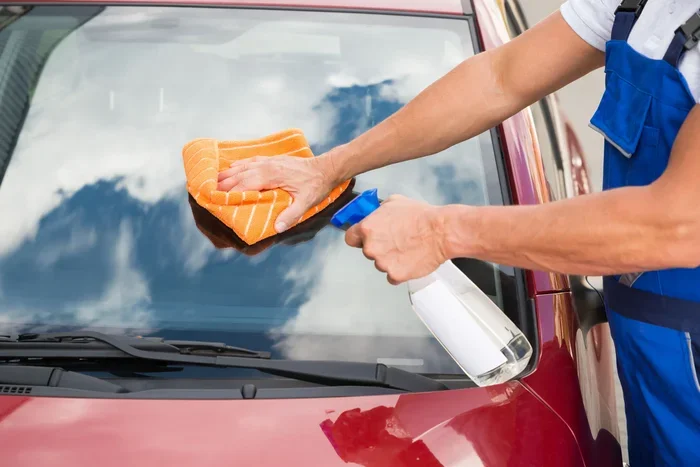
Fingerprints and oily smudges respond well to a vinegar and water solution. Spray it onto the glass and wipe with a microfiber cloth or newspaper. The vinegar cuts through the oil without leaving streaks. This is one of the simplest and most effective car window cleaning methods for everyday maintenance.
Scratches and Light Etching on Glass
While deep scratches cannot be fully removed at home, light scratches and minor etching can often be improved with simple methods. These imperfections make glass look cloudy and reduce clarity, especially at night.
Toothpaste as a Scratch Buffer
Non-gel toothpaste acts as a mild polishing agent. Apply a small amount to the scratched area and rub it gently with a soft cloth in circular motions. The mild abrasive in toothpaste helps level out light scratches. Rinse the area thoroughly and dry it with a clean cloth. This method works best on surface-level scratches and does not fix deep gouges.
Baking Soda Paste for Etching
For light etching caused by water spots or chemical exposure, a baking soda paste can help. Mix baking soda with a few drops of water to form a thick paste. Apply it to the etched area and rub gently with a circular motion for 30 seconds. Rinse and dry. Repeat if needed. This will not remove deep etching but can significantly improve the appearance of light marks.
Rain and Water Repellent Build-Up
Over time, rain repellent products can build up on car glass and create a hazy, streaky film. This buildup actually reduces visibility instead of improving it. Knowing how to remove this residue is an important part of automotive glass maintenance.
Cleaning Rain Repellent Residue
Use rubbing alcohol on a cloth to wipe down the glass. The alcohol dissolves the silicone-based residue found in most rain repellents. Follow up with a wash of dish soap and water to remove any remaining film. Dry with a microfiber cloth or newspaper for a clear, streak-free finish. After cleaning, you can reapply a fresh coat of rain repellent if desired.
Rust Stains from Metal Parts Near Glass
Rust from metal trim, bolts, or other parts near your car glass can stain the surface. These orange or brown stains are unsightly and can spread if not addressed. Rust stain removal from car glass is a common need for older vehicles.
Using Lemon Juice and Salt
Lemon juice is a natural acid that dissolves rust. Sprinkle salt onto the rust stain and squeeze lemon juice over it. Let the mixture sit for 10 to 15 minutes. Scrub gently with a soft cloth or an old toothbrush. Rinse with clean water and dry the area. This method is safe for glass and does not contain harsh chemicals.
Vinegar Soak for Heavy Rust Stains
For heavier rust stains, soak a cloth in white vinegar and place it over the stain for 30 minutes. The acid works to dissolve the rust over time. After soaking, scrub the area gently and rinse well. Repeat if necessary. Once the rust is gone, wash the glass with soap and water to remove any vinegar residue.
Tar, Road grime, and Undercarriage Splatter
Driving on roads coated in tar and road grime can leave dark spots on your car glass, especially on the lower edges. These spots are sticky, dark, and can be difficult to remove with regular washing.
Tar Removal with Peanut Butter or Oil
An unusual but effective trick is to use peanut butter or cooking oil to dissolve tar. Apply a small amount to the tar spot and let it sit for 10 minutes. The oils break down the tar’s sticky consistency. Wipe it away with a cloth and wash the area with soap and water. This works because the oils dissolve the tar without needing abrasive scrubbing.
Using Rubbing Alcohol for Road Grime
For road grime that has bonded to the glass, rubbing alcohol is your best friend. Apply it with a cloth and let it sit for a few minutes. The alcohol dissolves the grime and makes it easy to wipe away. This method is also effective for removing the gray film that builds up from brake dust and road particles.
Smoke Film and Cigarette Residue
If you smoke inside your car or have passengers who do, a yellowish smoke film can coat the glass over time. This film is greasy and clings stubbornly to the windshield and windows. Removing cigarette residue from car glass requires a stronger cleaning approach.
Deep Cleaning Smoke Film
Start by wiping the glass with a cloth soaked in rubbing alcohol. The alcohol cuts through the greasy film effectively. For stubborn smoke residue, make a paste of baking soda and water and apply it to the glass. Let it sit for 10 minutes, then scrub gently with a soft cloth. Rinse with clean water and dry thoroughly. Repeat the process if needed for heavy buildup.
Preventing Smoke Film
The easiest way to avoid smoke film is to not smoke inside the car. If you must, crack a window to allow ventilation. Regularly wiping down the glass with a vinegar solution also helps prevent the film from building up. Consistent car glass cleaning is the best defense against smoke residue.
Adhesive Tape Marks and Duct Tape Residue
Tape is commonly used on cars for temporary fixes, securing items, or during transport. When removed, tape often leaves behind a stubborn adhesive film. Tape residue removal is a frequent car glass cleaning task.
Using Heat to Remove Tape
Apply heat with a hairdryer to soften the adhesive. Hold the dryer a few inches from the tape and move it back and forth for 30 seconds to a minute. Once warm, peel the tape off slowly. For remaining residue, apply rubbing alcohol or vegetable oil and let it sit for a few minutes. Wipe away the residue with a clean cloth.
Dealing with Stubborn Tape Goo
If some residue remains, make a paste of baking soda and coconut oil. Apply it to the sticky area and let it sit for 10 minutes. The baking soda acts as a gentle abrasive while the oil dissolves the adhesive. Rub gently with a soft cloth and rinse clean. This method is safe and effective for glass polish without harsh chemicals.
Haze and Cloudiness from Age and UV Damage
Over time, car glass can develop a hazy, cloudy appearance from UV exposure and oxidation. This is especially common on older vehicles or cars that have been parked outside for years. While you cannot reverse deep UV damage, you can reduce the haze and improve clarity.
Restoring Clarity with a Vinegar and Newspaper Polish
Spray white vinegar onto the hazy glass and rub it with crumpled newspaper. The vinegar cleans the surface while the newspaper acts as a gentle polishing agent. Buff the glass in circular motions until the haze lifts. This old-school method is surprisingly effective and costs nothing.
When to Seek Professional Help
If the haze is severe and deep UV damage has occurred, home methods may not fully restore clarity. In such cases, a professional glass polish service may be needed. However, for mild to moderate haze, the vinegar and newspaper method can make a significant difference. Regular windshield care and UV-protective window tinting can also help prevent future haze.
Frost Guards, Ice Scraper Scratches, and Scuff Marks
Even the tools we use to clean our car glass can sometimes cause damage. Ice scrapers with metal edges can leave fine scratches. Frost guards that are not properly stored can scuff the glass. These marks may be small but can catch light and distract while driving.
Buffing Out Minor Scratches
For minor scratches caused by ice scrapers or frost guards, a baking soda paste can help. Apply the paste to the scratched area and rub gently in circular motions for about 30 seconds. Rinse and dry. The mild abrasive buffs out the scratch without damaging the glass. This is a simple glass polish trick that works wonders on surface-level marks.
Preventing Scratches During Cleaning
Always use a plastic ice scraper instead of a metal one. When drying your glass, use a soft microfiber cloth or clean newspaper. Avoid using rough towels or old rags that may contain grit. These small habits make a big difference in maintaining clear, scratch-free car glass over time.
Conclusion
There you have it — 30 unwanted things you can remove from car glass for free. From sticky stickers and tree sap to water spots, bug splatter, and smoke film, each of these problems has a simple, affordable solution. You do not need expensive products or professional services to keep your car glass looking its best. With common household items like vinegar, baking soda, rubbing alcohol, and dish soap, you can handle virtually any mess.
Regular car glass cleaning keeps your glass clear, your visibility safe, and your car looking great. Prevention is just as important as removal, so make it a habit to clean your glass frequently and protect it from damage. These car window cleaning tips are easy to follow, cost nothing, and deliver professional-level results. Start today, and you will wonder why you ever paid someone else to do it.
Grab your supplies, pick a few items from the list above, and give your car glass the attention it deserves. Your windshield and windows will thank you — and so will your wallet. Clean car glass is just a free afternoon project away.
Frequently Asked Questions
Can I use vinegar on all types of car glass?
Yes, white vinegar is safe for all types of car glass, including windshields, side windows, and rear windows. It is a natural, non-abrasive cleaner that works well on most buildup. Just rinse the glass with water after using vinegar to prevent any residue from drying on the surface.
Will a razor blade scratch my car glass?
A razor blade will not scratch glass if used correctly. Always hold the blade flat against the surface and use very light pressure. The angle and pressure matter more than the tool itself. If you are not comfortable using a razor blade, a plastic scraper is a safe alternative that works almost as well.
How often should I clean my car glass?
You should clean your car glass at least once a month for maintenance. If you drive frequently or park outside, cleaning it every two weeks is ideal. Regular cleaning prevents buildup and makes each cleaning session faster and easier. Consistent car glass cleaning is the key to long-lasting clarity.
Are homemade cleaners as effective as store-bought glass cleaners?
In many cases, homemade cleaners work just as well or even better than store-bought products. Vinegar, baking soda, and rubbing alcohol are proven cleaning agents that tackle most car glass problems. Store-bought cleaners often contain the same ingredients but at a higher price. Homemade solutions are also gentler on your glass and the environment.
Can I remove deep scratches from car glass at home?
Deep scratches cannot be fully removed at home. Light surface scratches, however, can often be improved with a baking soda paste or a professional-grade glass polish. For deep scratches or cracks, it is best to consult a professional. They can assess the damage and recommend the right repair or replacement option.
What is the best way to prevent water spots on car glass?
The best prevention is to dry your glass after washing or after rain exposure. If water is allowed to evaporate naturally, it leaves behind mineral deposits. Applying a rain repellent or glass sealant also helps water bead up and roll off more easily. These simple steps keep your glass looking clean for longer.