How Do You Reset the Check Engine Light on Toyota Corolla
Resetting the check engine light on your Toyota Corolla is simpler than you think. You can use an OBD-II scanner, disconnect the battery, or fix the underlying issue first. This guide walks you through every method step by step, so you can handle the warning light like a pro.
Key Takeaways
- Use an OBD-II scanner: The easiest way to reset the check engine light on a Toyota Corolla is with a cheap diagnostic tool that reads and clears fault codes.
- Fix the root cause first: Always diagnose and repair the actual problem before attempting a reset, or the light will come back quickly.
- Battery disconnection method: Disconnecting the negative battery terminal for 15-30 minutes can clear the light, but it may also reset radio presets and clock settings.
- Check your gas cap: A loose or damaged gas cap is one of the most common and easiest causes of the check engine light to fix.
- Know when to visit a mechanic: Some problems like catalytic converter or oxygen sensor issues need professional attention and should not be ignored.
- Prevent future issues: Regular maintenance, timely oil changes, and using quality fuel help keep your Toyota Corolla running smooth and warning-light free.
📑 Table of Contents
- How Do You Reset the Check Engine Light on Toyota Corolla?
- Why Is the Check Engine Light On?
- How to Reset the Check Engine Light on Toyota Corolla
- Using an OBD-II Scanner to Reset the Light
- Common Causes of the Check Engine Light on Toyota Corolla
- When to See a Mechanic Instead of DIY Reset
- Tips to Prevent Future Check Engine Light Issues
- Conclusion
How Do You Reset the Check Engine Light on Toyota Corolla?
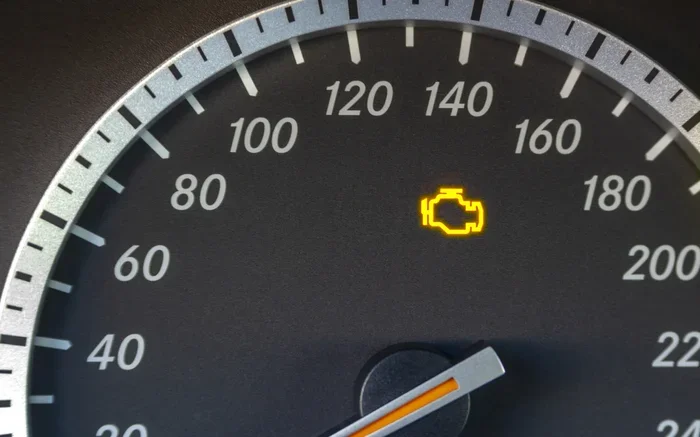
That little yellow or orange light popping up on your Toyota Corolla dashboard can be scary. You are driving along, everything feels fine, and suddenly you see it — the check engine light. Your heart drops a little. What does it mean? Is your engine about to blow up? Probably not. But you definitely want to know what to do next.
The good news is that resetting the check engine light on a Toyota Corolla is something you can often do at home without spending a fortune. Whether you use a simple OBD-II scanner or try the battery disconnect method, this guide covers everything you need. We will walk you through the steps, explain what causes the light, and help you decide when to call a professional. Let us get into it.
By the end of this article, you will know exactly how to clear that warning light, what it was trying to tell you, and how to keep your Corolla running strong for years to come.
Why Is the Check Engine Light On?
Before you reset anything, it helps to understand why the light came on in the first place. The check engine light is part of your Toyota Corolla’s onboard diagnostics system. Your car’s computer — called the ECU (Engine Control Unit) — constantly monitors dozens of sensors. When something goes wrong, the computer stores a diagnostic trouble code and lights up your dashboard.
Common Reasons for the Check Engine Light
Here are some of the most common triggers for the engine warning light on Toyota Corollas:
- Loose or damaged gas cap: This is the simplest cause. A gas cap that is not sealed properly lets fuel vapors escape, which triggers the emissions system sensors.
- Faulty oxygen sensor: The oxygen sensor measures exhaust gases. A bad one hurts fuel economy and emissions.
- Failing catalytic converter: This part reduces harmful emissions. When it goes bad, the light comes on and you may notice reduced power.
- Mass airflow sensor issues: This sensor measures air entering the engine. A dirty or broken one causes rough idling and poor mileage.
- Spark plug or ignition coil problems: Worn spark plugs cause misfires, which trigger the light and may make your car shake.
- Emissions system leaks: Cracked hoses or loose connections in the EVAP system can set off the warning.
- Low oil or dirty oil: Skipping oil changes can affect engine performance and trigger warnings.
- Battery or charging issues: A weak battery or failing alternator can confuse your car’s computer.
As you can see, the causes range from very minor to serious. That is why it is so important to diagnose the problem before you reset the light. Clearing the code without fixing the issue just hides the symptom — it does not solve the problem.
How to Reset the Check Engine Light on Toyota Corolla
Now let us talk about the actual reset methods. There are a few different ways to turn off the check engine light on your Toyota Corolla. Each method has its pros and cons. We will cover them all so you can pick the one that works best for you.
Method 1: Use an OBD-II Scanner
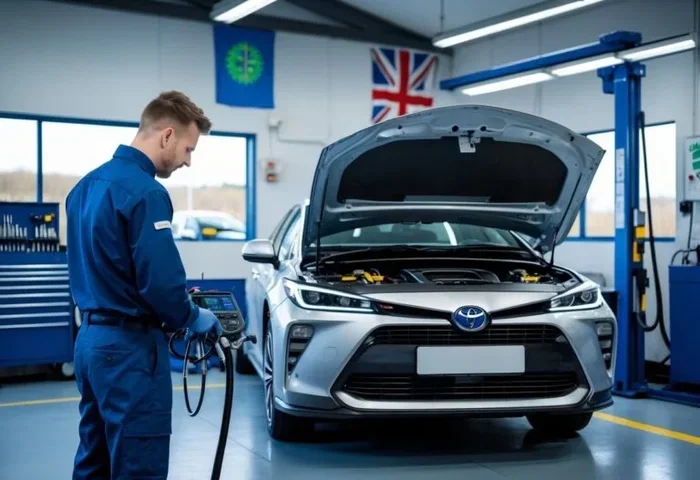
This is the most recommended and easiest method. An OBD-II scanner is a small device that plugs into your car’s diagnostic port. It reads the fault codes stored in your Toyota’s computer and lets you clear them with the press of a button.
Here is how to do it step by step:
- Find the OBD-II port: On most Toyota Corollas, the port is located under the dashboard on the driver’s side. Look near the steering column, slightly to the left. It is a trapezoidal connector with 16 pins.
- Plug in the scanner: Push the OBD-II scanner firmly into the port until it clicks.
- Turn the ignition to ON: Do not start the engine. Just turn the key to the “ON” position or press the start button without pressing the brake.
- Read the codes: Follow the scanner’s instructions to read the fault codes. The scanner will display codes like P0301 or P0420.
- Look up the codes: Write down each code and search for what it means. Many scanner manuals include basic explanations. You can also look them up online.
- Fix the problem: Address the issue before moving forward. If it is just a loose gas cap, tighten it or replace it.
- Clear the codes: Use the scanner to erase the stored codes. The check engine light should turn off.
- Test drive: Drive your Corolla for a few minutes. If the light stays off, you are good to go.
You can pick up a basic OBD-II scanner for as little as $20-$30 at any auto parts store. Some people use Bluetooth scanners that connect to a smartphone app. These work great too and often cost about the same.
Method 2: Disconnect the Battery
If you do not have an OBD-II scanner, you can try the battery disconnect method. This resets your car’s computer and clears the stored codes. It is a simple process, but it comes with a few caveats.
- Park your car safely: Make sure the Corolla is off, in park, and the parking brake is engaged.
- Open the hood: Locate the battery. On most Toyota Corollas, it sits on the right side of the engine bay.
- Disconnect the negative terminal: Use a wrench to loosen the nut on the negative (black) battery cable. Pull the cable off the post.
- Wait 15 to 30 minutes: This gives the car’s computer enough time to fully reset. Some people wait longer, but 30 minutes is usually enough.
- Reconnect the battery: Put the negative cable back on and tighten the nut securely.
- Start the engine: The check engine light should be off now. Take a short drive to confirm.
Important: Disconnecting the battery can reset your radio presets, clock, and sometimes your power window calibration. You might need to reprogram your radio stations after this. It is a small inconvenience, but worth knowing about beforehand.
Method 3: Turn the Ignition On and Off
Some Toyota Corolla owners have had success with a simple on-off ignition trick. Here is how it works:
- Press the start button without pressing the brake pedal to turn the ignition ON.
- Wait a few seconds, then press the brake pedal and start the engine.
- Turn the engine off again.
- Wait about 30 seconds.
- Start the engine again.
This method sometimes works on newer Toyotas. It essentially gives the ECU a soft reboot. Results vary, so it is not guaranteed, but it is worth a quick try before pulling out the big tools.
Using an OBD-II Scanner to Reset the Light
Since this is the most reliable method, let us dive a little deeper into choosing and using an OBD-II scanner for your Toyota Corolla.
Choosing the Right Scanner
Not all scanners are created equal. Here is a quick breakdown of your options:
- Basic code readers: These read and clear fault codes. They cost $20-$50 and work fine for simple resets. Perfect for most DIYers.
- OBD-II scanners with live data: These show real-time sensor readings. Great for diagnosing tricky problems. Expect to pay $50-$150.
- Bluetooth/Wi-Fi scanners: These connect to your phone through an app. Very convenient and usually affordable. Popular brands include FIXD and Torque.
- Professional-grade scanners: These are used by mechanics. They cost hundreds of dollars and provide deep diagnostic information. Overkill for most home users.
For most Toyota Corolla owners, a basic code reader or a Bluetooth scanner is plenty. Just make sure it supports the OBD-II protocol used by vehicles made after 1996.
Understanding Fault Codes
When your scanner reads a code, it might look like a random string of letters and numbers. Here is what they mean:
- P codes: These relate to the powertrain (engine and transmission). For example, P0301 means a misfire in cylinder 1.
- B codes: These relate to the body (like airbags or seating systems).
- C codes: These relate to the chassis (like ABS or steering systems).
- U codes: These relate to network communication issues within the car’s computer systems.
The second digit tells you if the code is generic (0) or manufacturer-specific (1). The next two digits give more detail about the specific problem. Learning to read these codes gives you a big advantage when talking to a mechanic.
Quick Tips for Scanner Use
- Always read and write down codes before clearing them. This helps you track recurring problems.
- After clearing codes, take your Corolla for a 10-15 minute drive. This lets the ECU run through its full diagnostic cycle.
- If the light comes back after a reset, the problem is not fixed yet. Go back and diagnose the code again.
- Keep your scanner in the glove box. You never know when you might need it on the road.
Common Causes of the Check Engine Light on Toyota Corolla
Knowing what triggers the check engine light helps you prevent it from coming back. Here are some issues that are especially common on Toyota Corollas.
Loose or Missing Gas Cap
This is the number one cause of the check engine light across all car brands, and Corollas are no exception. A loose gas cap can trigger a code within minutes of driving. The fix? Tighten it or replace it. A new gas cap costs just a few dollars at any auto store. After replacing it, drive for a few cycles and the light should clear on its own.
Worn Spark Plugs and Ignition Coils
Toyota Corollas are known for running well, but spark plugs do wear out over time. Typically, you should replace them every 30,000 to 100,000 miles depending on the model year. Worn spark plugs cause engine misfires, which set off the light and reduce performance. Ignition coils can also fail, causing similar symptoms. Replacing these parts is affordable and straightforward for most home mechanics.
Clogged or Failing Catalytic Converter
The catalytic converter is a key part of your emissions system. When it gets clogged or damaged, your Corolla may lose power, use more fuel, and definitely trigger the check engine light. This is a more expensive repair, often costing between $300 and $1,500 depending on the extent. Regular oil changes and using quality fuel can help extend the life of your catalytic converter.
Dirty Mass Airflow Sensor
The mass airflow sensor (MAF) measures the air coming into your engine. When it gets dirty from dust and debris, your car may idle rough or hesitate during acceleration. Cleaning the MAF sensor with a special spray can often fix the problem without replacing the part. This simple fix costs under $10 and takes about five minutes.
When to See a Mechanic Instead of DIY Reset
Resetting the check engine light is easy. But sometimes, you should let a professional handle it. Here are situations where you should skip the DIY approach and head to a shop:
- The light is flashing, not steady: A flashing check engine light usually signals a serious misfire. Continued driving can damage the catalytic converter. Stop driving and call a mechanic right away.
- You notice unusual smells: Burning, sulfur, or rotten egg smells from the exhaust are signs of a major issue. Do not just reset and ignore them.
- Your car is making strange noises: Knocking, grinding, or hissing sounds alongside the warning light need professional attention.
- Multiple warning lights appear: If the check engine light shows up with ABS, traction Control, or battery warnings, there is likely a bigger electrical issue.
- The light keeps coming back: If you reset the light and it returns within a few days, a deeper problem is hiding. A mechanic can run advanced diagnostics and find the real culprit.
- You are not comfortable under the hood: There is no shame in this. Some people are not car people, and that is totally fine. A trained technician can diagnose and fix the issue faster and safer.
Remember, the check engine light is your car trying to talk to you. Listening to it early can save you from expensive repairs down the road. Ignoring it is never a smart move.
Tips to Prevent Future Check Engine Light Issues
The best way to deal with the check engine light is to avoid triggering it in the first place. Here are some practical tips to keep your Toyota Corolla in great shape:
Follow the Maintenance Schedule
Toyota provides a recommended maintenance schedule for every Corolla model year. This includes oil changes, tire rotations, fluid top-offs, and part replacements. Sticking to this schedule keeps your car running smoothly and helps catch small problems before they become big ones.
Use Quality Fuel and Oil
Cheap gas can contain impurities that clog sensors and fuel injectors. Stick with reputable gas stations. Similarly, use the oil weight recommended in your owner’s manual. Synthetic blends and full synthetic oils often provide better protection for engine components.
Check Your Gas Cap Regularly
After filling up, give your gas cap a quick tighten. Make sure it clicks into place. If the cap is cracked or stripped, replace it immediately. This tiny part plays a big role in your emissions system.
Pay Attention to Dashboard Warnings
Do not ignore even small warning lights. Your Toyota Corolla has a service engine soon light, a battery light, an oil pressure light, and others. Each one is telling you something. Addressing these early prevents more serious damage.
Keep an OBD-II Scanner at Home
Owning a scanner gives you peace of mind. When a light pops up, you can read the code yourself, look it up, and decide your next step. This saves you the diagnostic fee at a mechanic, which can run $75-$150 just for reading codes.
Drive Smart and Avoid Hard Acceleration
Aggressive driving puts extra stress on your engine, transmission, and emissions components. Smooth, steady driving helps all these systems last longer and keeps your car’s sensors reading correctly.
Conclusion
So there you have it. Resetting the check engine light on your Toyota Corolla does not have to be stressful or expensive. Whether you use an affordable OBD-II scanner or simply disconnect the battery, you can handle this common issue right from your garage. Just remember to diagnose the underlying cause first, fix any real problems, and then clear the code.
Keep up with regular maintenance, use quality fuel, and pay attention to your car’s warning signals. These simple habits go a long way toward preventing the check engine light from coming back. Your Toyota Corolla is built to last, and with a little care, it will keep running strong for many years to come. Now go ahead and tackle that warning light with confidence.
Frequently Asked Questions
Can I drive my Toyota Corolla with the check engine light on?
If the light is steady and your car feels normal, you can likely drive a short distance. However, get it diagnosed soon. If the light is flashing or you notice shaking, smells, or power loss, stop driving and seek help immediately.
How much does it cost to reset the check engine light on a Toyota Corolla?
Using a basic OBD-II scanner costs around $20-$50. If you go to a mechanic or auto parts store, they may charge $75-$150 just for the diagnostic reading. The battery disconnect method is completely free but may reset your radio and clock settings.
Will the check engine light come back after I reset it?
Yes, it can come back if the underlying problem has not been fixed. This is why it is important to read the fault codes and address the actual issue before clearing the light. If the repair is complete, the light should stay off.
Where is the OBD-II port on a Toyota Corolla?
The OBD-II port is located under the dashboard on the driver’s side, usually near the steering column and slightly to the left. Look for a trapezoidal 16-pin connector. It may have a small cover or flap over it in some model years.
What is the most common reason for the check engine light on a Toyota Corolla?
The most common cause is a loose, damaged, or missing gas cap. This simple issue allows fuel vapors to escape and triggers the emissions system. Tightening or replacing the gas cap often resolves the problem quickly and easily.
How long should I disconnect the battery to reset the check engine light?
Wait at least 15 to 30 minutes with the battery disconnected. This gives the ECU enough time to fully reset. Some older models may need a bit longer. After reconnecting, start the engine and take a short test drive to confirm the light stays off.