Toyota Highlander Gas Mileage Difference Versus the Hybrid
The Toyota Highlander gas mileage difference versus the hybrid is significant. The standard Highlander delivers around 22 MPG combined, while the Highlander Hybrid achieves up to 36 MPG combined. This means the hybrid version can save you hundreds of dollars at the pump every year. If you drive a lot or care about fuel costs, the hybrid version clearly wins.
Choosing between a gas SUV and a hybrid SUV can feel confusing. You want good fuel economy. You want strong performance. And you do not want to overspend. The Toyota Highlander gas mileage difference versus the hybrid is one of the most common questions buyers ask. This full breakdown will help you understand exactly what you get with each version. We will look at MPG numbers, real-world driving, costs, and more. By the end, you will know which Highlander fits your lifestyle best.
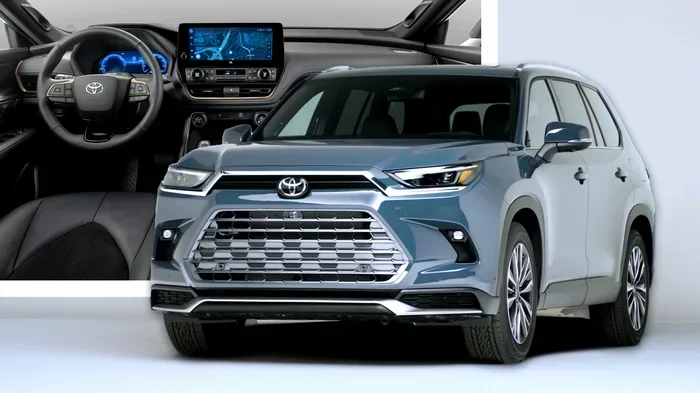
The Toyota Highlander is a popular three-row SUV. It offers space for families, smooth rides, and solid reliability. The gas-powered version uses a V6 engine. The hybrid version pairs a gas engine with electric motors. Both versions share the same basic platform. They look nearly identical on the outside. But under the hood, they are very different machines. The fuel efficiency gap between them is the biggest change you will notice.
Key Takeaways
- Big MPG Gap: The Highlander Hybrid gets nearly double the combined MPG of the gas-only model.
- Real Savings: Hybrid owners can save $1,000 or more per year on fuel depending on driving habits.
- Same Power Feel: The hybrid powertrain delivers smooth acceleration comparable to the V6 gas engine.
- Similar Price Jump: The hybrid costs more upfront but pays back through fuel savings over time.
- City Driving Advantage: The hybrid shines in stop-and-go traffic where regenerative braking boosts efficiency.
- AWD Available on Both: Both trims offer all-wheel drive, but the hybrid AWD system is slightly more complex.
- Long-Term Value: For high-mileage drivers, the hybrid total cost of ownership is often lower.
📑 Table of Contents
- Understanding the Toyota Highlander Gas Mileage Difference Versus the Hybrid
- Real-World Fuel Economy: What to Expect
- Cost Comparison: Upfront Price vs Long-Term Savings
- Performance and Driving Feel
- Which Version Should You Choose?
- Common Mistakes Buyers Make
- Expert Insights on Hybrid SUV Efficiency
- Key Takeaways
- Conclusion
Understanding the Toyota Highlander Gas Mileage Difference Versus the Hybrid
The fuel economy gap between these two models is hard to ignore. The standard Highlander uses a 3.5-liter V6 engine. It produces about 295 horsepower. The Highlander Hybrid uses a 2.5-liter four-cylinder engine paired with two electric motors. Together, the hybrid system produces around 243 horsepower. Even with less raw horsepower, the hybrid feels just as quick in daily driving. The electric motors fill in the torque gaps beautifully.
EPA Ratings: Gas vs Hybrid
The EPA ratings tell the story clearly. The gas-only Highlander gets about 22 MPG in the city and 29 MPG on the highway. That adds up to around 24 MPG combined. The Highlander Hybrid gets roughly 36 MPG in the city and 35 MPG on the highway. Combined, it reaches about 36 MPG. That is a huge jump. You are looking at a roughly 50 percent improvement in fuel economy with the hybrid.
Here is a quick side-by-side look at the numbers.
| Metric | Toyota Highlander (Gas) | Toyota Highlander Hybrid |
|---|---|---|
| Engine Type | 3.5L V6 | 2.5L 4-Cylinder + Electric Motors |
| City MPG | 22 | 36 |
| Highway MPG | 29 | 35 |
| Combined MPG | 24 | 36 |
| Horsepower | 295 hp | 243 hp (system total) |
| Fuel Tank | 17.9 gallons | 17.9 gallons |
| Range (Combined) | ~430 miles | ~644 miles |
Those numbers speak for themselves. The hybrid version gives you much more range per tank. On a full tank, the hybrid can travel over 600 miles. The gas version tops out around 430 miles. That means fewer trips to the gas station. For road trips, this is a real advantage.
Real-World Fuel Economy: What to Expect
EPA ratings are a starting point. Real-world fuel economy can differ based on how you drive. Let us look at what actual owners report.
City Driving
The Highlander Hybrid absolutely dominates in city driving. Stop-and-go traffic is where hybrid technology shines. The electric motor handles low-speed driving. Regenerative braking recaptures energy when you slow down. Gas-only Highlander drivers in city traffic often see 18 to 20 MPG. Hybrid owners frequently report 32 to 38 MPG in the same conditions. That is a dramatic difference.
Highway Driving
On the highway, the gap narrows but still favors the hybrid. The gas version can hit close to its EPA rating of 29 MPG at steady speeds. The hybrid often achieves 33 to 36 MPG on long highway drives. The electric motor assists the gas engine during cruising. This reduces the overall workload and saves fuel. Even on highways, the hybrid wins on efficiency.
Mixed Driving
For most people, daily driving is a mix of city and highway. In mixed conditions, expect the gas Highlander to average around 22 to 24 MPG. The hybrid will likely deliver 33 to 36 MPG. This is where the annual fuel savings really add up. Over thousands of miles, those extra MPG turn into real dollars saved.
Cost Comparison: Upfront Price vs Long-Term Savings
The hybrid version costs more at the dealership. That is the trade-off. But the savings at the pump can offset that higher price over time. Let us break this down.
The base gas Highlander starts around $38,000. The base Highlander Hybrid starts around $40,000. That is roughly a $2,000 premium. Higher trims widen the gap a bit more. But the fuel savings can make up for that difference. Let us do some quick math.
Assume you drive 15,000 miles per year. Gas costs $3.50 per gallon. The gas Highlander uses about 625 gallons per year. That costs roughly $2,188. The hybrid uses about 417 gallons per year. That costs roughly $1,459. The hybrid saves you about $729 per year. In roughly three years, the fuel savings cover the price premium. After that, it is pure savings.
Of course, these numbers depend on your driving and local gas prices. But the math generally favors the hybrid for anyone who drives a lot. If you put 20,000 or more miles on your car each year, the payback period shrinks even faster.
Total Cost of Ownership
Beyond fuel costs, consider maintenance. Hybrids have regenerative braking. This means brake pads last longer. You replace them less often. The hybrid battery is designed to last the life of the vehicle. Toyota backs it with a long warranty. Overall, the total cost of ownership for the hybrid often comes out lower. This is especially true for high-mileage drivers.
Performance and Driving Feel
Many buyers worry that a hybrid SUV feels sluggish. The Highlander Hybrid proves that concern wrong. It delivers a smooth, refined driving experience.
Gas Engine Performance
The gas-only Highlander uses a 3.5-liter V6. It makes 295 horsepower. This engine provides confident passing and merging. It feels strong on highways. The engine can be a bit loud under hard acceleration. But overall, it is a capable powertrain. It pulls this big SUV with ease.
Hybrid Powertrain Performance
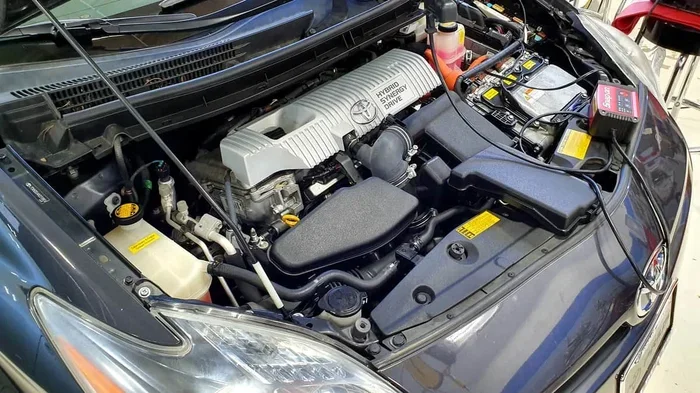
The Highlander Hybrid uses a 2.5-liter four-cylinder. It pairs this with two electric motors. The combined system output is 243 horsepower. That is less than the gas version. But the electric motors deliver instant torque. This makes the hybrid feel responsive in everyday driving. The transition between gas and electric power is seamless. You barely notice when the system switches modes.
Both versions come with an eight-speed automatic transmission. The ride is smooth and composed. The Highlander handles well for an SUV of its size. Neither version feels sporty. But they are both comfortable and capable. The hybrid has a slight edge in refinement. The electric motor eliminates engine noise at low speeds. This makes city driving more pleasant.
Which Version Should You Choose?
Deciding between the gas and hybrid Highlander comes down to your needs. Here are some scenarios to help you decide.
Choose the Gas Highlander If…
- You have a tight budget and want the lowest upfront cost.
- You do mostly short trips and drive under 10,000 miles per year.
- You prefer the feel of a traditional V6 engine.
- You live in an area with limited hybrid service centers.
- You plan to keep the vehicle for only a few years.
Choose the Highlander Hybrid If…
- You drive more than 12,000 miles per year.
- You spend a lot of time in city traffic.
- You want the lowest possible fuel costs over time.
- You care about reducing your environmental footprint.
- You plan to keep the vehicle for five years or more.
- You want a longer driving range on a single tank.
The hybrid version makes the most sense for most families. The fuel savings are substantial. The driving experience is excellent. And the resale value tends to be strong. Hybrid SUVs are in high demand right now. The Highlander Hybrid holds its value well.
Common Mistakes Buyers Make
Avoid these common pitfalls when choosing between the two versions.
- Focusing only on sticker price. The higher upfront cost of the hybrid pays for itself. Do not ignore long-term fuel savings.
- Ignoring your driving habits. If you drive mostly highway miles, the MPG gap is smaller. If you drive mostly city miles, the hybrid advantage grows.
- Underestimating total cost of ownership. Maintenance, fuel, and insurance all matter. The hybrid often wins on overall costs.
- Assuming the hybrid feels weak. The Highlander Hybrid is plenty powerful for daily use. Do not rule it out based on horsepower numbers alone.
- Not test-driving both versions. You need to feel the difference yourself. Schedule test drives for both models before deciding.
Expert Insights on Hybrid SUV Efficiency
Automotive experts consistently praise the Highlander Hybrid for its efficiency. The system uses a power-split device. This clever design lets the gas engine and electric motors work together seamlessly. The result is optimal fuel use in all driving conditions.
Regenerative braking is a key feature. When you lift off the accelerator or hit the brakes, the electric motor reverses. It acts as a generator. It converts kinetic energy back into stored electricity. This energy goes right back into the hybrid battery. The process wastes nothing. It is one reason the hybrid achieves such impressive fuel economy.
Experts also point to the electric-only driving mode. At low speeds, the Highlander Hybrid can run on electric power alone. This happens in parking lots and slow traffic. It uses zero gas. It also makes the vehicle much quieter. This is a nice perk in neighborhoods and residential areas.
The gas version has its own strengths. The V6 engine provides strong towing capability. The hybrid system is limited in towing capacity. If you need to haul a trailer, the gas version is the better choice. For most families who do not tow, the hybrid is the smarter pick.
Key Takeaways
- Big MPG Gap: The Highlander Hybrid gets nearly double the combined MPG of the gas-only model.
- Real Savings: Hybrid owners can save $1,000 or more per year on fuel depending on driving habits.
- Same Power Feel: The hybrid powertrain delivers smooth acceleration comparable to the V6 gas engine.
- Similar Price Jump: The hybrid costs more upfront but pays back through fuel savings over time.
- City Driving Advantage: The hybrid shines in stop-and-go traffic where regenerative braking boosts efficiency.
- AWD Available on Both: Both trims offer all-wheel drive, but the hybrid AWD system is slightly more complex.
- Long-Term Value: For high-mileage drivers, the hybrid total cost of ownership is often lower.
Conclusion
The Toyota Highlander gas mileage difference versus the hybrid is clear. The hybrid version delivers far better fuel economy in nearly every driving scenario. City MPG jumps from 22 to 36. Highway MPG goes from 29 to 35. Combined MPG improves from 24 to 36. These numbers translate into real savings at the pump.
Yes, the hybrid costs more upfront. But the fuel savings can erase that premium within a few years. For families who drive a lot, the hybrid is the smarter financial choice. It also offers a quieter, smoother driving experience. The regenerative braking system adds efficiency and convenience.
Both versions share the same strong platform. Both offer spacious three-row seating. Both come with modern safety features and tech. You cannot go wrong with either choice. But if fuel economy matters to you, the Highlander Hybrid is the clear winner.
Take the time to test drive both versions. Compare the numbers for your own driving habits. The right choice becomes obvious once you see the real-world data. Whichever version you pick, you are getting a solid, reliable SUV. The Toyota Highlander remains one of the best three-row SUVs on the market today.
Frequently Asked Questions
Is the Toyota Highlander Hybrid worth the extra cost?
For most drivers, yes. The hybrid costs about $2,000 more upfront. But it saves $700 or more per year on fuel. Over three to four years, the savings cover the price difference. If you keep the vehicle longer, the savings keep growing.
How much can I really save with the Highlander Hybrid?
Savings depend on your driving and local gas prices. For a driver doing 15,000 miles per year, expect to save $600 to $800 annually. High-mileage drivers can save even more. Over five years, the total fuel savings can reach $3,500 or more.
Does the Highlander Hybrid have enough power for a family SUV?
Absolutely. The hybrid system produces 243 horsepower. It feels responsive in daily driving. Highway merging and passing are confident and smooth. Most families will not notice a power difference compared to the gas version.
Can the Highlander Hybrid tow a trailer?
The gas version has a higher towing capacity. The hybrid can tow, but its limits are lower. Check your owner manual for exact ratings. For most families who do not tow, this is not a concern.
How long does the Highlander Hybrid battery last?
Toyota designs the hybrid battery to last the life of the vehicle. Most owners never need a replacement. The hybrid system comes with a long warranty. This gives buyers peace of mind about battery durability.
Which Highlander gets better gas mileage in city driving?
The Highlander Hybrid wins easily in city driving. It gets about 36 MPG in the city. The gas version manages only around 22 MPG. The hybrid’s electric motor handles stop-and-go traffic with excellent efficiency.