VW Production Numbers How Many Cars Does VW Make a Year
Volkswagen is one of the biggest car makers in the world. VW produces millions of vehicles every year across its global factories. In recent years, VW has made around 9 to 10 million cars annually, making it a top player in global automotive manufacturing and vehicle production statistics.
Have you ever wondered how many cars Volkswagen makes in a year? The answer might surprise you. VW production numbers are massive. This company stands tall among the world’s largest automakers. Every year, Volkswagen factories roll out millions of vehicles. These cars reach buyers in nearly every country on Earth.
In this article, we will dive deep into Volkswagen annual production figures. You will learn about their global output, key markets, and how their numbers have changed over time. We will also look at what the future holds for VW manufacturing. Whether you are a car enthusiast, a shopper, or just curious, this guide has you covered.
Key Takeaways
- VW makes around 9 to 10 million cars per year across all its global plants.
- Volkswagen Group includes many brands like Audi, Porsche, SEAT, and Skoda that add to total output.
- VW production numbers vary by year based on demand, supply chain issues, and global events.
- China is VW’s biggest market and plays a huge role in their annual production targets.
- VW is shifting toward electric vehicles and investing heavily in EV production capacity.
- Annual delivery numbers differ from production numbers because of inventory and logistics.
- Understanding VW’s output helps buyers and investors gauge the brand’s stability and growth.
📑 Table of Contents
- Understanding VW Production Numbers
- Historical VW Production Trends
- Where Does VW Build Its Cars
- VW Annual Sales and Deliveries
- The Rise of Electric Vehicles at VW
- Comparing VW to Other Automakers
- What the Future Holds for VW Production
- Common Mistakes People Make About VW Production
- Quick Tips for Understanding Auto Production Data
- Expert Insights on VW Manufacturing
- Conclusion
Understanding VW Production Numbers
When we talk about how many cars does VW make a year, we need to look at the full picture. Volkswagen is not just one brand. It is part of the larger Volkswagen Group. This group owns many car brands. Each brand contributes to the total annual vehicle output.
In a typical year, VW Group produces somewhere between 9 and 10 million vehicles. This number includes all brands under its umbrella. The core Volkswagen brand alone accounts for a big share. But brands like Audi, Porsche, SEAT, and Skoda add significant volume too.
What Goes Into VW’s Annual Output
Several factors shape Volkswagen sales figures and production totals. Here are the main ones:
- Global factory locations – VW operates plants in Germany, China, Mexico, Brazil, and many more countries.
- Brand diversity – Each brand under VW Group has its own production targets and models.
- Market demand – Sales in different regions drive how many cars get built.
- Supply chain health – Chip shortages and material delays can lower output.
- Model mix – SUVs, sedans, and electric vehicles all take different amounts of resources to produce.
All these pieces work together to form the final VW manufacturing output for each year. It is a complex but fascinating system.
Historical VW Production Trends
VW production capacity has grown a lot over the decades. Let us take a quick trip through history to see how things have changed.
The Early Years
Volkswagen started in the 1930s with the goal of building an affordable car for the masses. The famous Beetle was the first major success. Back then, annual output was much smaller. But the brand grew fast after World War II.
Growth Through the Decades
By the 1970s and 1980s, VW was producing over 2 million cars a year. The company expanded into new markets. They opened factories in Spain, Brazil, and Mexico. This global expansion helped boost automotive manufacturing numbers significantly.
Modern Era Production
In the 2000s and 2010s, VW hit its stride. The company became the world’s largest automaker by volume at times. By 2018, VW Group was producing over 10 million vehicles. This was a peak year for many of their brands combined.
More recently, global events like the pandemic and chip shortages caused some dips. But VW has bounced back strongly. Their car production statistics show resilience and adaptability.
Where Does VW Build Its Cars
Volkswagen global operations span across many continents. The company has a huge network of factories. Each plant plays a role in meeting global demand.
Key Production Regions
Let us look at the main regions where VW builds cars:
- Europe – Germany, Spain, Slovakia, and Portugal host major VW plants. Europe remains a strong market for the brand.
- China – This is VW’s single biggest market. Joint ventures with local partners drive huge production numbers here.
- North America – VW has plants in Mexico and the US. These facilities serve the American and Canadian markets.
- South America – Brazil and Argentina are key production hubs for the region.
- Africa and Asia – VW has a growing presence in these markets with targeted production.
Having factories all over the world gives VW a big advantage. They can build cars closer to where they are sold. This reduces shipping costs and helps with vehicle assembly numbers efficiency.
VW Annual Sales and Deliveries
It is important to understand that VW production numbers and sales numbers are not always the same. Production refers to how many cars are built. Sales or deliveries refer to how many cars are sold to customers.
Recent Delivery Figures
In recent years, VW Group has delivered around 9 million vehicles annually. The exact number changes based on market conditions. Here is a general look at recent trends:
- 2019 – Around 10.9 million deliveries before the pandemic hit.
- 2020 – Deliveries dropped due to COVID-19 and supply chain disruptions.
- 2021 – Numbers started to recover as factories adapted to new safety measures.
- 2022 – Continued recovery with strong demand in China and Europe.
- 2023 – VW delivered around 9 million vehicles globally.
These Volkswagen delivery numbers give us a clear picture of the company’s market reach. They also show how external factors can impact production and sales.
The Rise of Electric Vehicles at VW
VW is making a big push into electric vehicles. The ID. series is their main EV lineup. This shift is changing how the company approaches automotive production trends.
EV Production Goals
Volkswagen has set ambitious targets for electric vehicle production. By 2030, they want a large share of their output to be fully electric. Here are some key points about their EV plans:
- New factories are being built or converted specifically for EV production.
- The MEB platform is VW’s dedicated electric vehicle architecture. It allows for efficient mass production of EVs.
- Battery partnerships with companies like Northvolt help secure power sources for EVs.
- Consumer demand for EVs is growing, and VW wants to lead the market.
This shift means VW brand sales will look very different in the coming years. The company is investing billions in this transition. It is a bold move that could redefine their place in the automobile production figures of the future.
How EV Production Affects Overall Numbers
Building electric vehicles requires different processes than building gas cars. VW has had to retool many factories. This transition period can cause short-term fluctuations in global auto production numbers. But in the long run, it positions VW for sustained growth.
Comparing VW to Other Automakers
How does VW stack up against other car makers? Let us put their numbers in context.
Production Volume Comparison
Here is a simple comparison of major automakers and their approximate annual output:
- Toyota – Around 10 to 11 million vehicles per year
- Volkswagen Group – Around 9 to 10 million vehicles per year
- Stellantis – Around 6 to 7 million vehicles per year
- General Motors – Around 6 million vehicles per year
- Hyundai-Kia – Around 6 to 7 million vehicles per year
As you can see, VW is right near the top. Their automotive industry trends show steady performance. They are not the biggest by a wide margin, but they are consistently among the leaders.
What Makes VW Stand Out
VW has several advantages that help maintain strong production numbers:
- Brand portfolio – Owning many brands spreads risk and increases total output.
- Global presence – Factories on every continent reduce dependency on single markets.
- Engineering expertise – VW is known for building reliable and efficient vehicles.
- Investment in new tech – EVs and digital features keep the brand competitive.
What the Future Holds for VW Production
The auto industry is changing fast. VW is adapting to stay ahead. Here is what we can expect from their vehicle manufacturing units in the years to come.
Focus on Sustainability
VW has pledged to become carbon-neutral by 2050. This goal affects every part of their production process. Factories are using more renewable energy. Recycling and waste reduction are top priorities.
Digitalization and Smart Manufacturing
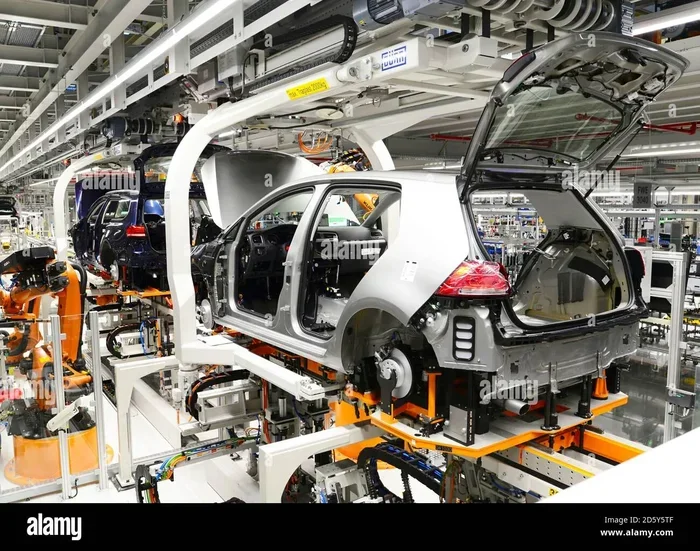
VW is investing in smart factory technology. Robots and AI help streamline assembly lines. This improves automotive manufacturing efficiency and quality. Digital tools also help predict maintenance needs and reduce downtime.
Expanding EV Lineup
More electric models are coming from VW. The ID. series will grow. New EV brands like Cupra (from SEAT) also add to the mix. This expansion will shape Volkswagen annual production targets going forward.
Geographic Expansion
VW is exploring new markets in Africa and Southeast Asia. Building factories in these regions could boost Volkswagen sales data and production numbers significantly. Emerging markets represent a huge growth opportunity.
Common Mistakes People Make About VW Production
There are a few myths and misunderstandings about VW numbers. Let us clear them up.
- Mistake 1: Assuming production equals sales. Production numbers include cars in inventory. Deliveries to customers can differ.
- Mistake 2: Ignoring the group structure. VW Group includes many brands. Focusing only on the VW badge misses the bigger picture.
- Mistake 3: Overlooking regional differences. Production in China is very different from production in Germany. Each region has unique factors.
- Mistake 4: Not accounting for external disruptions. Pandemics, wars, and supply chain issues can cause big swings year to year.
Keeping these points in mind helps you understand VW production numbers more accurately.
Quick Tips for Understanding Auto Production Data
If you want to follow car production statistics like a pro, here are some quick tips:
- Always check the source. Official company reports are more reliable than random websites.
- Look at multi-year trends. One year’s number can be an outlier. Patterns over time tell the real story.
- Consider the brand group. Many companies own multiple brands. Total group output matters most.
- Watch for seasonal patterns. Some factories slow down in summer or winter for maintenance.
- Track EV transition data. The shift to electric vehicles is reshaping all production numbers.
Expert Insights on VW Manufacturing
Industry experts often highlight VW’s role in shaping global auto production. Here are some expert perspectives:
“Volkswagen’s ability to scale production across so many brands and regions is unmatched in the industry. Their strategic focus on China and EVs will define the next decade of growth.” – Automotive Industry Analyst
“The shift to electric vehicles is not just a technology change for VW. It is a complete transformation of their manufacturing philosophy. Factories are being rebuilt from the ground up.” – Manufacturing Expert
These insights show why VW annual output is closely watched by investors and car lovers alike.
Conclusion
VW production numbers tell a compelling story of growth, adaptation, and global reach. Volkswagen makes around 9 to 10 million cars every year through its vast network of factories and brands. From the Beetle to the ID. series, the company has continuously evolved to meet the world’s needs.
Understanding how many cars does VW make a year gives us insight into the broader automotive landscape. VW remains a powerhouse in global vehicle manufacturing. Their focus on electric vehicles and sustainability positions them well for the future.
Whether you are tracking Volkswagen annual production for investment reasons or just out of curiosity, the numbers are impressive. The company continues to innovate, expand, and deliver quality vehicles to millions of customers worldwide. Keep an eye on these figures as VW enters an exciting new chapter in its long history.
Frequently Asked Questions
How many cars does Volkswagen make in a year?
Volkswagen Group produces around 9 to 10 million vehicles annually. This includes all brands under the VW Group umbrella such as Audi, Porsche, SEAT, and Skoda. The exact number varies each year based on market conditions and global events.
What is Volkswagen’s biggest market for car production?
China is Volkswagen’s largest market by a significant margin. Joint ventures with local Chinese partners drive massive production numbers there. Europe and North America are also major markets for VW vehicles.
How have VW production numbers changed over the past decade?
VW production peaked around 2018 with over 10 million vehicles. The pandemic caused a dip in 2020 and 2021. Since then, numbers have recovered and stabilized around 9 million units per year.
Is Volkswagen investing in electric vehicle production?
Yes, VW is investing heavily in electric vehicles. The ID. series is their main EV lineup. They plan for a large share of their annual output to be electric by 2030.
How do VW production numbers compare to Toyota?
Toyota typically produces slightly more vehicles than VW Group each year. Toyota makes around 10 to 11 million cars annually. VW Group follows closely with 9 to 10 million units.
Why do VW production numbers sometimes differ from delivery numbers?
Production numbers count all cars built at factories. Delivery numbers count cars actually sold to customers. Differences arise from inventory levels, logistics delays, and regional distribution timing.