Can You Take Your Toyota to Any Dealership for Service
Yes, you can take your Toyota to any Toyota dealership for service. The Toyota dealership network is connected, so your service records follow you. However, there are some important things to know about warranty coverage, dealership differences, and choosing the right Toyota service center for your needs.
Every Toyota owner wants the best care for their car. You invest in a Toyota because of its Toyota reliability and long-lasting performance. But when it is time for vehicle service, questions pop up fast. Can you go to any Toyota dealer? Will your warranty still be valid? What about your service history?
The short answer is yes. You can take your Toyota to any Toyota dealership for service. The Toyota network is designed to make this easy for owners. Your records travel with you. Your warranty stays intact. And you get access to the same high-quality care no matter which dealer you visit.
But the full picture has more details. Not every dealership offers the same experience. Some have better service advisors. Some specialize in certain models. And choosing between a Toyota dealership and an independent shop comes with trade-offs. This guide walks you through everything you need to know. By the end, you will feel confident making the right choice for your Toyota repair and Toyota maintenance needs.
Key Takeaways
- Any Toyota dealer can service your vehicle: The Toyota network shares service records across all authorized dealers.
- Warranty service stays valid: Taking your car to any Toyota dealer for covered repairs keeps your warranty intact.
- OEM parts are standard: Every Toyota dealership uses genuine Toyota parts, not aftermarket alternatives.
- Service advisors help you plan maintenance: They follow the recommended maintenance schedule for your specific model.
- Independent shops can be cheaper: But they may not have access to Toyota-specific diagnostic tools or service records.
- Moving to a new city is easy: You can switch Toyota dealers without losing your service history.
- Regular Toyota maintenance matters: Staying on top of oil changes, tire rotations, and brake service keeps your car running smoothly.
📑 Table of Contents
- Understanding How Toyota Dealership Service Works
- Can You Take Your Toyota to Any Dealership for Service?
- Benefits of Sticking with a Toyota Dealership for Service
- What Happens If You Service Your Toyota Elsewhere?
- When to Choose a Different Toyota Dealership
- Tips for Choosing the Right Toyota Service Center
- Key Takeaways
- Conclusion
Understanding How Toyota Dealership Service Works
What Happens When You Visit a Toyota Dealership
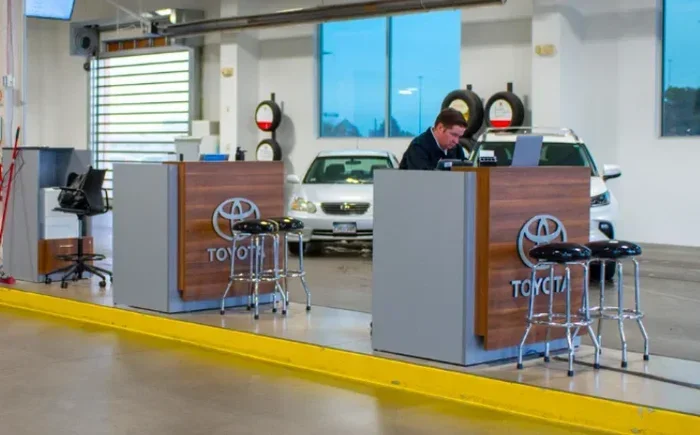
When you pull into a Toyota service center, a trained professional greets you. This person is called a service advisor. They check your vehicle against the recommended maintenance schedule. Then they explain what services your car needs.
Most Toyota dealerships offer a standard set of services:
- Oil changes using genuine Toyota oil and filters
- Tire rotation to ensure even wear and longer tire life
- Brake service including pad replacement and rotor inspection
- Vehicle inspection to catch small problems before they grow
- Fluid top-offs for coolant, transmission fluid, and brake fluid
- Battery testing and replacement when needed
- Filter replacements for air, cabin, and fuel filters
Each service is recorded in the Toyota system. This means your service records are safe and accessible. If you ever switch dealers, your history moves with you. That is a huge advantage of staying within the Toyota network.
How the Toyota Dealership Network Connects
Toyota has thousands of dealerships across the country. They all share the same database. This is called the Toyota Dealer Management System. When one dealer services your car, every other dealer can see that record.
This system benefits you in several ways:
- Seamless service history: No lost records when you move or switch dealers
- Consistent care: Every dealer follows Toyota service standards
- Warranty protection: Covered repairs stay valid at any authorized dealer
- Recall awareness: You get notified about Toyota recall campaigns no matter which dealer you visit
- Parts availability: Genuine OEM parts are ordered through the same supply chain
So when you ask, “Can I take my Toyota to a different dealer?” the answer is a clear yes. The network is built to support you.
Can You Take Your Toyota to Any Dealership for Service?
The Short Answer: Yes
You can absolutely take your Toyota to any authorized Toyota dealership. This applies to routine Toyota maintenance, warranty-covered repairs, and even major service work. Every Toyota dealer has access to the same training, tools, and parts.
Here is why this matters. Toyota designs its vehicles to be serviced by any certified dealer. They do not lock you into one location. Whether you bought your car in California or moved to New York, you can find a Toyota dealer near you and receive the same quality of care.
The key word here is “authorized.” Make sure the dealership is a genuine Toyota dealer. Independent shops may be good, but they do not have the same access to Toyota service tools and records. Stick with authorized dealers for the best results.
How Dealerships Differ From Each Other
While all Toyota dealerships share the same network, they are not all identical. Some differences you might notice include:
- Service hours: Some dealers offer evening or weekend service. Others close early.
- Facility size: Larger dealers may have more service bays and shorter wait times.
- Staff experience: Some service advisors have more years of experience than others.
- Specialization: Certain dealers focus more on trucks, while others handle more passenger cars.
- Pricing: Labor rates can vary slightly from one dealer to another.
These differences do not affect the quality of Toyota repair work. They do affect your overall experience. That is why it helps to research dealers in your area before you need service.
Benefits of Sticking with a Toyota Dealership for Service
Warranty Coverage and Service Records
One of the biggest advantages of using a Toyota dealer is warranty protection. Your new Toyota comes with a manufacturer’s warranty service package. This covers repairs for parts and labor within a set timeframe or mileage limit.
When you service your car at a Toyota dealership, your warranty stays fully valid. The dealer records every visit. They use genuine Toyota parts. And they follow the exact service interval guidelines from Toyota headquarters.
If you take your car to a non-dealer shop, things get tricky. The dealer may not recognize the work done elsewhere. This can create confusion during a warranty claim. Sticking with a Toyota dealer keeps everything simple and documented.
OEM Parts and Certified Technicians
Toyota dealerships use OEM parts. These are Original Equipment Manufacturer parts. They are made specifically for your Toyota model. They fit perfectly and meet Toyota’s quality standards.
Compare this to aftermarket parts. Aftermarket parts come from third-party manufacturers. They may fit well. But they do not always match the quality of OEM parts. Over time, cheaper parts can lead to more Toyota repair visits.
Certified Toyota technicians also make a big difference. These professionals complete Toyota-specific training. They understand the engineering behind each model. They use Toyota-approved diagnostic tools. This level of expertise is hard to find at a general auto shop.
Staying on Top of Your Maintenance Schedule
Every Toyota comes with a recommended maintenance schedule. This schedule tells you when to change your oil, rotate your tires, and inspect your brakes. Following this schedule is key to long-term Toyota reliability.
A Toyota service advisor helps you stay on track. They check your mileage and remind you of upcoming services. They also note any issues they spot during an inspection. This proactive approach can save you from costly breakdowns later.
Quick Tip: Keep a copy of your maintenance schedule in your glove box. Compare it with the services recorded at each visit. This simple habit ensures nothing gets missed.
What Happens If You Service Your Toyota Elsewhere?
Independent Shops vs. Toyota Dealerships
Some Toyota owners choose independent repair shops. This is a valid choice. Independent shops often charge lower labor rates. They may offer more flexible scheduling. And some independent mechanics have years of experience with Toyota vehicles.
However, there are trade-offs to consider:
- No access to Toyota service records: The independent shop cannot update your Toyota system history
- Aftermarket parts: Most independent shops use non-OEM parts unless you request otherwise
- Warranty complications: If a problem arises after independent service, Toyota may deny the warranty claim
- Diagnostic limitations: Independent shops may lack Toyota-specific scanning tools
- No certified Toyota technician: General mechanics may not have model-specific training
That said, independent shops are great for basic car maintenance like oil changes or tire replacements. Just be mindful of how it affects your warranty and long-term service history.
Impact on Your Toyota Warranty
Here is an important point. The Magnuson-Moss Warranty Act protects you. This federal law says you can take your car to any shop for service. It does not void your warranty just because you used a non-dealer shop.
But there is a catch. If the independent shop causes damage or uses incorrect parts, Toyota can deny the related warranty claim. So while you have the right to choose, you also accept some risk.
For covered warranty service, a Toyota dealer is always the safest choice. They use approved parts and follow Toyota procedures exactly. This removes any doubt about the quality of the work.
When to Choose a Different Toyota Dealership
Moving to a New City
Life changes. You might move to a new city for a job or family reasons. When that happens, finding a new Toyota dealer is easy. Your service records transfer automatically through the Toyota network.
Before you move, ask your current dealer for a printed copy of your service history. This gives you a backup. But even without it, the new dealer can pull up your records online. The transition is smooth and stress-free.
Special Service Needs
Some Toyota vehicles have unique needs. Hybrid models require specialized knowledge. Older Toyotas may need extra attention for certain components. Trucks and SUVs often need different service routines than sedans.
Not every Toyota dealer excels at everything. Some dealerships have dedicated hybrid technicians. Others specialize in off-road vehicles or luxury trims. When you have a specific need, it pays to call ahead and ask about the dealer’s expertise.
Quick Tip: Call the service department before your visit. Ask if they have experience with your specific Toyota model. This one step can save you time and ensure quality Toyota repair work.
Comparing Dealerships Near You
If you have multiple Toyota dealers in your area, take time to compare them. Here are factors worth considering:
- Customer reviews: Check Google reviews and Yelp ratings for honest feedback
- Service pricing: Ask for a written estimate before authorizing any work
- Wait times: Some dealers offer same-day service. Others require appointments days in advance
- Loaner cars: Many Toyota dealers provide loaner vehicles while yours is in service
- Pickup and delivery: Some dealers offer convenient door-to-door service
- Service plan options: Ask about prepaid service plans that bundle maintenance at a discount
Taking a few minutes to compare can lead to a much better Toyota maintenance experience over the years.
Tips for Choosing the Right Toyota Service Center
Questions to Ask Your Service Advisor
Your service advisor is your main point of contact at the dealership. Building a good relationship with them pays off. Here are questions worth asking:
- “What services does my Toyota need right now?”
- “Are there any recalls or technical notices for my vehicle?”
- “Can you explain the cost breakdown for this service?”
- “What is the turnaround time for this repair?”
- “Do you offer a service plan or maintenance package?”
- “What is your policy if something goes wrong after the service?”
Good service advisors answer these questions clearly. They do not push unnecessary work. They focus on keeping your Toyota running at its best.
Red Flags to Watch For
Not every dealership experience is perfect. Watch out for these warning signs:
- Pushing expensive services you do not need: A trustworthy advisor explains why work is necessary. They do not pressure you.
- Long wait times without communication: Good dealers keep you updated on progress.
- Vague pricing: You should always receive a clear estimate before work begins.
- No record of your visit: If the dealer does not update your service records, that is a problem.
- Use of non-OEM parts without your approval: Always confirm which parts are being used.
Avoiding these red flags helps you find a Toyota service center you can trust for years to come.
Keeping Your Toyota in Top Shape Between Visits
Dealership service is important. But much of your car’s health depends on what you do between visits. Here are simple habits that help:
- Check your oil level every few weeks. Low oil causes engine damage.
- Monitor tire pressure monthly. Proper pressure improves fuel economy and safety.
- Watch for warning lights on your dashboard. Do not ignore them.
- Keep up with fluid checks. Coolant, brake fluid, and transmission fluid all matter.
- Drive smoothly. Avoid hard braking and rapid acceleration when possible.
- Store your car properly. Extreme heat and cold can damage components over time.
These small habits extend the life of your Toyota. They also reduce the need for unexpected Toyota repair visits.
Key Takeaways
- Any Toyota dealer can service your vehicle: The Toyota network shares service records across all authorized dealers.
- Warranty service stays valid: Taking your car to any Toyota dealer for covered repairs keeps your warranty intact.
- OEM parts are standard: Every Toyota dealership uses genuine Toyota parts, not aftermarket alternatives.
- Service advisors help you plan maintenance: They follow the recommended maintenance schedule for your specific model.
- Independent shops can be cheaper: But they may not have access to Toyota-specific diagnostic tools or service records.
- Moving to a new city is easy: You can switch Toyota dealers without losing your service history.
- Regular Toyota maintenance matters: Staying on top of oil changes, tire rotations, and brake service keeps your car running smoothly.
Conclusion
The answer to the question is clear. Can you take your Toyota to any dealership for service? Yes, you can. The Toyota dealership network is designed to make this easy. Your records follow you. Your warranty stays valid. And you get access to certified technicians and genuine OEM parts no matter which dealer you choose.
That does not mean every dealership is the same. Take time to find a Toyota service center that fits your needs. Look for experienced service advisors. Check customer reviews. Compare pricing. And ask questions before you authorize any work.
Staying on top of your Toyota maintenance schedule is one of the best things you can do for your car. Regular oil changes, tire rotations, and brake inspections keep your Toyota running strong for years. And when you do need Toyota repair work, a trusted Toyota dealer has the expertise and tools to get the job done right.
Your Toyota is a significant investment. Treat it with the care it deserves. Choose a dealership you trust. Follow the recommended service interval guidelines. And enjoy the Toyota reliability that made you fall in love with the brand in the first place.
Can I take my Toyota to a non-Toyota dealership for warranty service?
Yes, you can take your Toyota to a non-Toyota shop for service without voiding your warranty. Federal law protects your right to choose where you get your car serviced. However, if the non-dealer shop causes damage or uses incorrect parts, Toyota may deny the related warranty claim. For covered warranty work, a Toyota dealership is always the safest choice.
Do all Toyota dealerships use the same parts?
Yes, all authorized Toyota dealerships use genuine OEM parts. These parts are manufactured to Toyota’s exact specifications. They are not aftermarket or refurbished parts. This is one of the key benefits of sticking with a Toyota dealership for all your Toyota maintenance needs.
Can I switch Toyota dealerships if I move to a new city?
Absolutely. You can switch to a new Toyota dealer whenever you move. Your complete service records transfer automatically through the Toyota network. The new dealer can access your full history, including past repairs, inspections, and service intervals. This makes transitions seamless for owners.
How often should I take my Toyota in for service?
Your maintenance schedule depends on your Toyota model and year. Most Toyotas need an oil change every 5,000 to 10,000 miles. Other services like tire rotations and brake inspections follow a different timeline. Your service advisor at the dealership can review your specific schedule and remind you when each service is due.
Are independent shops cheaper than Toyota dealerships?
Independent shops often have lower labor rates than Toyota dealerships. This can make them cheaper for basic services like oil changes or tire rotations. However, dealerships offer certified Toyota technicians, OEM parts, and direct access to your service records. For warranty-covered work and complex Toyota repair jobs, the dealership is usually the better value.
What should I do if I notice a Toyota recall for my vehicle?
Toyota recalls are handled at no cost to you through any authorized Toyota dealership. Call your preferred Toyota dealer and provide your vehicle identification number. They can check if your car is affected and schedule a free repair. You can also check for recalls on the official Toyota website. Staying current on recalls is an important part of car maintenance and keeps you safe on the road.
Frequently Asked Questions
What is Can You Take Your Toyota to Any Dealership for Service??
Can You Take Your Toyota to Any Dealership for Service? is an important topic with many practical applications.