How Do I Tell If My Window Switch Is Bad Right Now
A window switch is the small control that operates your car’s power windows. When it goes bad, your window might not move, make strange noises, or work only sometimes. This guide shows you how to test the switch yourself and decide if you need a replacement.
Ever pressed your window switch and nothing happened? It’s a frustrating moment. You push the button, and the glass just sits there. A working window switch is something you rarely think about until it fails. You rely on it every day for fresh air, quick ventilation, and safety. When it goes wrong, it can leave you stuck with a window that won’t roll up or down.
This guide will help you figure out if your window switch is the real problem. I’ll walk you through simple tests you can do at home. You’ll learn the common symptoms, what to check, and when to replace it. By the end, you’ll know exactly what to do. No guesswork. No expensive trips to the mechanic unless you need one.
Let’s start with the basics. A window switch is just the electrical button or lever that sends a signal to the window motor. It’s part of the power window system. When the switch wears out or gets damaged, the whole system stops. The good news is that diagnosing a bad window switch is easier than you think. You just need a little patience and the right approach.
Key Takeaways
- Listen for unusual sounds: Grinding or clicking when you press the window switch often means the switch or motor is failing.
- Check for intermittent operation: A window that works sometimes but not others is a classic sign of a bad window switch.
- Test the fuse first: A blown fuse can mimic a window switch problem, so always rule out the simple fix.
- Use a multimeter for diagnosis: Testing for voltage at the switch connector gives a clear yes or no.
- Don’t confuse it with a window regulator issue: A stuck window might be the regulator, not the switch.
- Replacement is usually quick and affordable: Most window switch replacements cost under $50 for parts.
📑 Table of Contents
- What Does a Window Switch Do?
- Common Symptoms of a Failing Window Switch
- How to Test Your Window Switch at Home
- Window Switch vs. Window Regulator: What’s the Difference?
- Common Mistakes That Mimic a Bad Window Switch
- When to Replace the Window Switch and How Much It Costs
- Expert Insights: Why Window Switches Fail
- Conclusion: Don’t Ignore a Failing Window Switch
What Does a Window Switch Do?
The Simple Job of a Window Switch
Your car’s window switch is a small electrical component. It sits on the door panel or center console. When you press the button, it completes a circuit. That sends power to the window motor. The motor then moves the glass up or down through a window regulator. It’s a simple design, but it’s essential for daily driving.
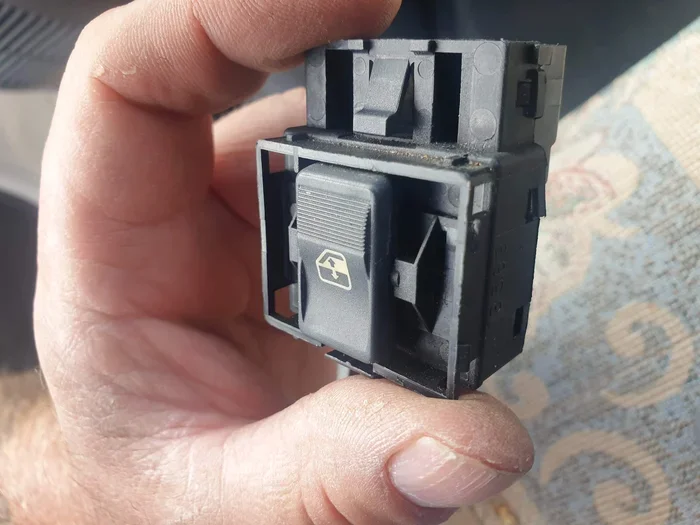
Most modern cars have individual window switches for each door. There’s also usually a master switch on the driver’s door. This master switch lets you control all windows at once. The window switch assembly includes the buttons, the wiring connector, and sometimes the switch housing. Over time, these parts can wear out. Dirt, moisture, and frequent use all take a toll.
Understanding how the system works helps you troubleshoot. If the window switch fails, the motor never gets the signal. The window stays still. Or it might work only part of the time. That’s why learning how to tell if your window switch is bad is so valuable.
Common Symptoms of a Failing Window Switch
A bad window switch rarely announces itself with a big warning. Instead, it gives you subtle clues. Here are the most common symptoms you’ll notice.
Window Stays Completely Still
This is the most obvious sign. You press the button, but nothing happens. No sound, no movement. If the window was working fine before, a dead switch is a likely suspect. However, a blown fuse or a broken motor can cause the same thing. That’s why you need to do a few checks.
Quick Tip: Before you blame the switch, listen carefully. Do you hear a faint click when you press the button? A click often means the switch is sending a signal. If you hear nothing, the switch might be dead.
Grinding or Clicking Noises
If your window switch makes a grinding noise when you press it, don’t ignore it. A healthy switch should feel smooth and quiet. A grinding sound can mean the internal contacts are worn out. Sometimes it’s a sign that the window motor is straining, but a failing switch can cause this too.
Clicking noises are also common. A rapid click might indicate the switch is trying to engage but can’t complete the circuit. This is a classic window switch symptom. You might also hear a single click with no motor response. That points directly to the switch.
Window Goes Down but Not Up
Some window switches fail in one direction only. You can roll the window down, but it won’t go back up. This happens when certain contacts inside the switch wear out. The down circuit might still work, while the up circuit has a gap. This is a very specific sign of a bad window switch.
It can also happen if the window regulator is binding. But if the window moves freely by hand, the switch is the likely culprit. Test both directions carefully to narrow it down.
Intermittent Operation
Does your window work only sometimes? Maybe it responds when you press the switch at a certain angle. Or it works after you wiggle the door panel. Intermittent operation is a red flag for a failing window switch. The internal contacts are corroded or loose. They make intermittent connection, causing the window to act unpredictably.
This symptom is tricky because it can drive you crazy. One minute the window works, the next it doesn’t. If you notice this pattern, your window switch is probably on its way out.
Switch Feels Loose or Sticky
When you press the button, does it feel mushy or loose? A healthy window switch has a firm, crisp click. If the button feels gummy or moves too far, the switch mechanism is breaking down. Sticky feelings often come from spilled drinks or moisture inside the door panel. This can corrode the electrical contacts over time.
Common Mistake: Many people think a sticky switch is just dirty. Sometimes cleaning it helps. But if the button feels physically damaged, you likely need a window switch replacement.
How to Test Your Window Switch at Home
You don’t need to be a mechanic to test a window switch. With a few basic tools, you can confirm if the switch is bad. Here’s a step-by-step approach.
Step 1: Check the Fuse
Before you test the switch, check the fuse. A blown fuse can mimic a window switch failure. Locate your fuse box and find the window fuse. It’s usually labeled in the owner’s manual. Pull the fuse out and inspect the metal strip inside. If it’s broken, replace the fuse. If the new fuse blows immediately, you have a deeper electrical issue.
Quick Tip: Always carry spare fuses in your glove box. This simple check can save you hours of unnecessary troubleshooting.
Step 2: Listen for the Window Motor
Have someone press the window switch while you listen near the door. You should hear a quiet hum or whir from the window motor. If you hear nothing, the switch might not be sending power. If you hear a hum but the window doesn’t move, the problem might be the motor or regulator, not the switch.
Use this test to separate switch issues from motor issues. It’s a quick diagnostic step that narrows your focus.
Step 3: Use a Multimeter to Test the Switch
If you have a multimeter, you can test the window switch directly. Set it to measure voltage or continuity. Remove the door panel to access the switch connector. Unplug the connector and touch the multimeter probes to the switch terminals. Press the button and check for voltage changes. A good switch will show a clear change. A bad switch will show no voltage or a reading that jumps around.
This is the most accurate way to do a window switch electrical test. If you’re not comfortable with a multimeter, you can skip to the next step.
Step 4: Wiggle the Switch Connector
Sometimes the problem is just a loose connector. Unplug the window switch connector and plug it back in. While someone presses the switch, gently wiggle the connector. If the window starts working, the connector was the issue. Clean the connector with electrical contact cleaner and reseat it firmly.
Common Mistake: Don’t assume a new switch is needed if the connector is just corroded. A simple cleaning can often restore full function.
Window Switch vs. Window Regulator: What’s the Difference?
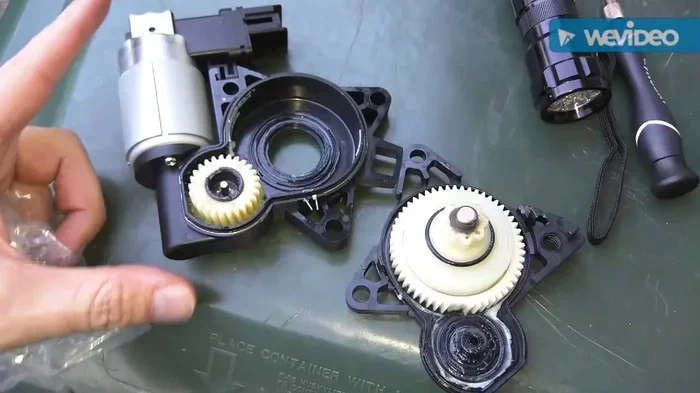
People often confuse a window switch with a window regulator. They are different parts, and knowing the difference helps you fix the right thing. The window switch is the electrical button. The window regulator is the mechanical mechanism that moves the glass. A bad switch means no electrical signal. A bad regulator means the motor works but the glass doesn’t move.
| Window Switch Problem | Window Regulator Problem |
|---|---|
| Window doesn’t move at all, no sound | Window doesn’t move, but you hear a grinding or humming noise |
| Switch clicks but window won’t go | Switch clicks and motor runs, window still stuck |
| Window works from master switch but not individual switch | Window works from one switch but not another (mechanical binding) |
| Intermittent operation with wiggling | Window gets stuck at certain points or makes a scraping sound |
| Switch feels loose or sticky | Window feels heavy or drops suddenly when lowered |
| Repair cost: $20–$50 for parts | Repair cost: $100–$300 for parts and labor |
This table shows why proper window switch diagnosis matters. Replacing a regulator is much more expensive and complex than replacing a switch. Always confirm the problem before you buy parts.
Common Mistakes That Mimic a Bad Window Switch
Sometimes the window switch looks like the problem, but it’s actually something else. Here are the most common mistakes that can trick you.
A Blown Fuse
We already mentioned the fuse, but it’s worth repeating. A blown fuse cuts power to the entire window circuit. This makes it look like every window switch is dead. Check the fuse first. It’s the easiest and cheapest fix. If the fuse is good, then you can move on to the switch.
Broken Window Regulator
A broken regulator can stop the window from moving even if the switch works perfectly. The switch sends the signal, the motor runs, but the glass doesn’t budge. If you hear the motor running but the window is still, suspect the regulator. This is a common point of confusion during window switch troubleshooting.
Wiring and Connector Issues
Your car has wires running through the door hinge area. These wires flex every time you open and close the door. Over time, they can break or fray. A broken wire means no power reaches the switch or motor. This can mimic a bad window switch. Inspect the wiring harness carefully before you replace the switch.
Child Safety Lock
If only the rear passenger windows don’t work, check the child safety lock. This is a simple switch on the door edge that locks the window controls. It’s an easy mistake to make, especially if you’re testing from the driver’s seat. Always rule out the obvious before you dive into electrical testing.
When to Replace the Window Switch and How Much It Costs
If you’ve confirmed the switch is bad, it’s time to replace it. The good news is that a window switch replacement is usually a simple job. You can do it yourself in most cases.
DIY Replacement Steps
Start by removing the door panel. There are usually a few screws and plastic clips. Carefully pry off the panel to expose the switch. Unplug the electrical connector. Remove the switch mounting screws or clips. Pull out the old switch and install the new one. Reverse the steps to reassemble. Plug everything back in and test the window.
Quick Tip: Take a photo of the switch connector before you unplug it. This helps you remember the wire positions when you install the new switch.
Professional Repair Cost
If you don’t want to DIY, a mechanic can replace the window switch for you. The parts themselves are affordable. A window switch replacement cost for parts usually runs between $20 and $50. Labor adds another $50 to $100 in most cases. So the total window switch repair cost is typically under $150. That’s much cheaper than many car repairs.
Preventive Tips to Extend Switch Life
You can’t prevent all window switch failure, but you can reduce wear. Keep the door panel dry. Spilled drinks can seep into the switch and cause corrosion. Use a water displacer spray on the switch contacts once a year. Avoid pressing the window switch with wet hands. These small habits can help your window switch last longer.
Expert Insights: Why Window Switches Fail
Understanding the root causes of window switch failure helps you prevent it. Here’s what the experts say.
Water Damage and Corrosion
Moisture is the number one enemy of a window switch. Rain leaks or high humidity can get inside the door panel. Once water reaches the switch, it corrodes the electrical contacts. The corrosion creates resistance and eventually kills the circuit. This is why window switches in older cars or cars with leaky seals often fail first.
Normal Wear and Tear
A window switch is a mechanical and electrical part. The internal contacts rub together every time you press the button. Over thousands of cycles, the contact surface wears thin. Eventually, the switch can’t make a reliable connection. This is normal wear and tear, and it’s just a matter of time before the switch needs replacement.
Overuse and Electrical Surges
If you live in an area with frequent power surges or you use the window switch constantly, the switch can fail faster. Electrical surges from a bad alternator or jump-starting the car can damage sensitive switch internals. Protecting your car’s electrical system helps extend the life of the window switch.
Conclusion: Don’t Ignore a Failing Window Switch
A bad window switch can leave you stuck with a window that won’t roll up or down. But now you know how to test it and tell if it’s really the problem. You’ve learned the common symptoms, the simple DIY tests, and when to replace it. You also know how to avoid confusing a switch issue with a regulator or wiring problem.
Don’t ignore the signs. A window switch that works intermittently today might be completely dead tomorrow. Replacing it early saves you from getting stuck in the rain or dealing with a window that won’t close. Grab your multimeter, check the fuse, and follow the steps in this guide. You’ll have your power windows working smoothly again in no time.
Take action now. A quick window switch diagnosis can save you time and money. Your car will thank you for it.
Frequently Asked Questions
Can a bad window switch cause the window to only go down?
Yes, a failing window switch often loses the up circuit first. The down circuit uses different contacts inside the switch. When those contacts wear out, the window might still go down but refuse to go up. This is a classic sign of a bad window switch.
Is it safe to drive with a broken window switch?
It’s generally safe if the window works from the driver’s master switch. But if all window switches are dead, you lose the ability to vent the cabin or clear fog. It’s best to fix it promptly to avoid safety issues, especially in bad weather.
How long does a window switch replacement take?
A DIY window switch replacement usually takes about 30 to 60 minutes. You need to remove the door panel, unplug the old switch, and install the new one. If you visit a mechanic, it might take an hour or less. The job is quick and straightforward.
Can I replace a window switch myself?
Yes, most people can replace a window switch at home. You just need a screwdriver, a multimeter (optional), and the new switch. The process involves removing the door panel and swapping the switch. No special tools or advanced skills are required.
What causes a window switch to stop working?
The most common causes are water damage, normal wear, corroded contacts, and a broken internal spring. Sometimes a simple loose connector is the real problem. Other times, an electrical surge from the car’s system damages the switch. Identifying the cause helps you prevent future failures.
How much does it cost to fix a window switch?
The window switch repair cost for parts is usually between $20 and $50. If you pay a mechanic for labor, add $50 to $100. The total window switch replacement cost stays well under $150 in most cases. It’s one of the more affordable car electrical repairs you can do.