Do Tesla Cars Use Oil and Here Is What You Should Know
Do Tesla cars use oil? The short answer is no. Tesla vehicles are fully electric and do not need traditional engine oil like gas-powered cars. However, Teslas do use a small amount of gear oil for the transmission and other fluids for cooling and braking. Understanding what your Tesla actually needs can save you time, money, and confusion.
Do Tesla cars use oil? This is one of the most common questions people ask when they start looking into electric vehicles. If you are coming from a traditional car background, the idea of driving without oil changes sounds almost too good to be true.
The truth is simple. Tesla vehicles do not need engine oil. They run on an electric motor, which has far fewer moving parts than a gas engine. This means less wear, less mess, and less money spent on routine maintenance.
But that does not mean Teslas need zero fluids at all. There is still some important information you should know about what goes under the hood of these popular electric cars. Let us break it all down.
Whether you are a current Tesla owner or thinking about buying one, understanding your car’s maintenance needs is essential. This guide covers everything you need to know about Tesla maintenance, fluids, and why electric vehicles are changing the way we think about car care.
Key Takeaways
- No Traditional Oil Needed: Tesla cars do not use engine oil because they have an electric motor instead of a combustion engine.
- Gear Oil Is Used: Teslas require a small amount of gear oil to lubricate the reduction gearbox.
- Minimal Maintenance: EV owners save significantly on routine maintenance like oil changes.
- Other Fluids Matter: Teslas use brake fluid, coolant, and windshield washer fluid.
- Cost Savings Add Up: Not needing oil changes means hundreds of dollars saved each year.
- Myth Busting: Many people still believe Teslas need regular oil changes, but this is simply not true.
- Check Your Manual: Always refer to your Tesla owner’s manual for specific fluid requirements.
📑 Table of Contents
- Why Tesla Cars Do Not Need Engine Oil
- Do Tesla Cars Need Any Oil At All?
- How Often Does a Tesla Need Maintenance?
- Common Myths About Tesla Oil Changes
- The Cost Savings of Not Needing Oil Changes
- What You Should Know Before Buying a Tesla
- Key Differences Between Tesla and Gas Car Maintenance
- Final Thoughts on Tesla Oil and Maintenance
Why Tesla Cars Do Not Need Engine Oil
The Electric Powertrain Explained
To understand why Do Tesla Cars Use Oil is the wrong question to ask, you need to understand how an electric car works. A Tesla uses an electric motor instead of an internal combustion engine. This is the biggest difference between an EV and a gas car.
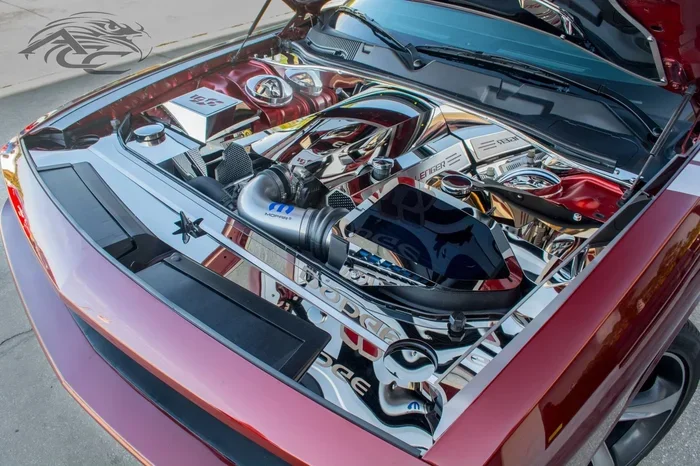
A combustion engine has hundreds of moving parts. Pistons, valves, crankshafts, and camshafts all move at high speeds. They create friction. Friction creates heat. And heat needs oil to keep everything running smoothly.
An electric motor has a fraction of those parts. The motor uses magnets and coils to create motion. There are fewer moving surfaces touching each other. This means there is far less friction. And less friction means less need for lubrication.
Think of it this way. A gas engine is like a busy kitchen with ten chefs all working at once. They need a lot of coordination and cleanup. An electric motor is like a single chef making a simple meal. There is less mess and less to manage.
No Combustion Engine Means No Oil
Engine oil in a gas car serves several purposes. It lubricates moving parts. It cools the engine. It cleans away debris. It seals gaps between components. All of this is needed because a combustion engine runs hot and has many parts rubbing against each other.
Since a Tesla has no combustion engine, none of these oil-related tasks apply. The electric motor does not burn fuel. It does not create the same kind of heat or wear. So there is no need for engine oil, oil filters, or oil changes.
This is a huge advantage for EV owners. It simplifies your life and reduces your maintenance costs. You will never need to schedule an oil change appointment again.
Do Tesla Cars Need Any Oil At All?
Here is where things get a little more nuanced. While Teslas do not need engine oil, they are not completely oil-free. There are a few fluids and lubricants that keep your car running properly.
Gear Oil and the Reduction Gearbox
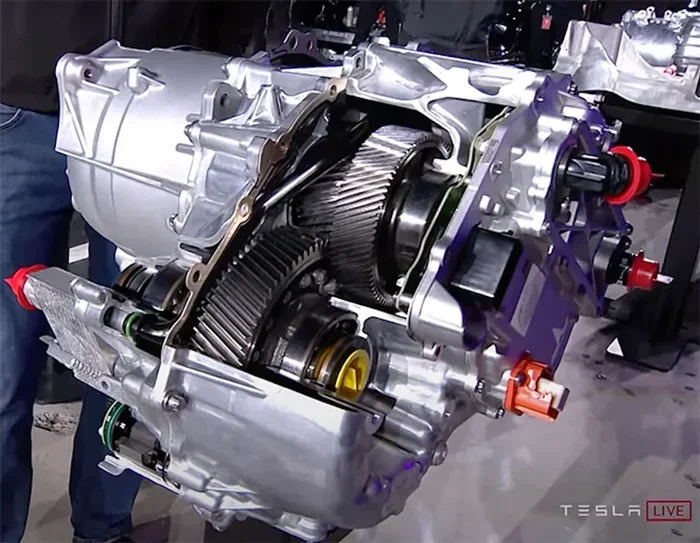
Tesla vehicles use a single-speed reduction gearbox. This is the system that transfers power from the electric motor to the wheels. Even though it is simple compared to a traditional transmission, it still has gears that need lubrication.
Tesla uses a gear oil or transmission fluid for this gearbox. This is not the same as engine oil. It is a specialized lubricant designed for the specific gears in the Tesla drivetrain.
Most Tesla models do not need a gear oil change under normal driving conditions. Tesla has designed these systems to be sealed and long-lasting. However, if you ever need to service the gearbox, a Tesla service center can handle it.
Other Fluids Your Tesla Uses
Even though there is no engine oil, your Tesla still relies on several other fluids. Here is a quick list of what is inside a Tesla:
- Brake Fluid: Just like any car, Teslas use hydraulic brakes that need brake fluid.
- Coolant: The battery and motor systems use coolant to maintain the right temperature.
- Windshield Washer Fluid: You still need this for keeping your windshield clean.
- Gear Oil: As mentioned above, for the reduction gearbox.
None of these are traditional engine oils. Each one serves a specific purpose in the electric powertrain or other systems. The good news is that these fluids last a very long time and rarely need replacement.
How Often Does a Tesla Need Maintenance?
One of the biggest benefits of owning a battery electric vehicle is the low maintenance requirement. But what does that actually look like in practice?
Tesla Maintenance Schedule
Tesla recommends minimal scheduled maintenance for its vehicles. According to Tesla, there are no oil changes, no spark plugs, and no timing belts to worry about. The maintenance schedule is dramatically simpler than what a gas car owner faces.
Here is what Tesla typically recommends:
- Brake Fluid Check: Every two years.
- Cabin Air Filter Replacement: Every two years.
- Battery Coolant Check: Every four years or as needed.
- Tire Rotation: Every 6,250 miles or as needed.
- Windshield Washer Fluid: Top off as needed.
That is it. No oil change. No engine tune-up. No exhaust system inspection. The electric motor handles the heavy lifting with very little upkeep.
Regenerative Braking Reduces Wear
One of the smartest features of a Tesla is regenerative braking. When you take your foot off the accelerator, the electric motor acts as a brake. This slows the car down while also recharging the battery slightly.
Because regenerative braking handles so much of the slowing-down work, the traditional brake pads and rotors last much longer. Many Tesla owners go over 100,000 miles before needing a brake pad replacement. Compare that to a gas car, where brake jobs are common every 30,000 to 50,000 miles.
This is another reason why electric car maintenance costs so much less over time.
Common Myths About Tesla Oil Changes
Myth: Teslas Still Need Regular Oil Changes
This is the most common misconception. Some people assume that because Teslas are cars, they must need oil changes just like any other vehicle. This is simply not true. There is no engine oil to change in a Tesla.
If someone tells you that you need to get your Tesla oiled, they are either misinformed or trying to sell you an unnecessary service. Always trust Tesla’s official guidance or your owner’s manual.
Myth: Electric Cars Need Special Oil
Another myth is that Teslas need some kind of “special oil” for the electric motor. While there is gear oil for the gearbox, the electric motor itself is sealed and does not require any oil lubrication. The motor bearings are designed to last the lifetime of the vehicle under normal conditions.
Myth: EV Maintenance Is Expensive
Some people worry that electric car maintenance will be costly because of advanced technology. In reality, the opposite is true. Fewer moving parts means fewer things that can break. No oil changes means no recurring cost. And fewer brake replacements thanks to regenerative braking save even more money.
The average Tesla owner spends significantly less on maintenance than a gas car owner. Over the lifetime of the vehicle, those savings really add up.
The Cost Savings of Not Needing Oil Changes
Let us talk numbers because that is what matters to most car owners. How much money can you actually save by driving a Tesla instead of a gas car?
A typical gas car needs an oil change every 5,000 to 7,500 miles. Each oil change costs around $50 to $100 depending on the vehicle and location. Over 100,000 miles, that adds up to roughly $1,000 to $2,000 in oil change costs alone.
With a Tesla, that cost is zero. You never pay for an oil change. You never buy oil filters. You never schedule that appointment or sit in a waiting room.
But the savings go beyond just oil changes. Here are other maintenance costs that Tesla owners avoid:
- Spark Plug Replacement: Gas engines need spark plugs changed regularly. Teslas do not have spark plugs.
- Timing Belt or Chain: These common gas engine parts never need attention on an EV.
- Transmission Service: Tesla’s single-speed gearbox is sealed and requires no service.
- Exhaust System Repairs: No exhaust system means no rust, no leaks, no expensive fixes.
- Engine Air Filter: EVs do not have engine air filters that need replacing.
When you add all of these savings together, the cost of EV ownership becomes very competitive. Even when you factor in the higher upfront cost of a Tesla, the long-term savings are significant.
What You Should Know Before Buying a Tesla
Check the Tesla Owner’s Manual
Every Tesla comes with a detailed owner’s manual. This is your best resource for understanding exactly what fluids your car uses and how often they need attention. The manual covers all Tesla models, including the Tesla Model 3, Tesla Model Y, Tesla Model S, and Tesla Model X.
Reading the manual before you buy helps you set realistic expectations about maintenance. It also helps you understand what is covered under your Tesla warranty and what is not.
Find a Tesla Service Center
Tesla has a growing network of service centers across the country. You can book service appointments through the Tesla app. Mobile service is also available in many areas, where a technician comes to you.
Knowing where your nearest service center is will give you peace of mind. Even though maintenance needs are minimal, it is good to know help is available when you need it.
Embrace the EV Lifestyle
Switching to an electric vehicle is about more than just saving money on fuel. It is about simplifying your life. No more oil changes. No more exhaust smells. No more engine noise.
Owning a Tesla is a different experience from owning a gas car. Once you make the switch, you will wonder why you did not do it sooner. The EV ownership experience is cleaner, quieter, and more convenient.
Key Differences Between Tesla and Gas Car Maintenance
| Maintenance Task | Gas Car | Tesla |
|---|---|---|
| Oil Changes | Every 5,000-7,500 miles | Not needed |
| Spark Plugs | Replaced every 30,000-100,000 miles | Not needed |
| Brake Pad Replacement | Every 30,000-50,000 miles | Every 100,000+ miles |
| Transmission Service | Required every 30,000-60,000 miles | Not needed |
| Engine Air Filter | Replaced every 15,000-30,000 miles | Not needed |
| Coolant Flush | Every 30,000-50,000 miles | Every 4 years or longer |
| Exhaust System Repair | Common over time | Not applicable |
The comparison above shows why so many people are making the switch to electric. The maintenance differences are dramatic. A Tesla owner spends less time and less money on routine car care.
Final Thoughts on Tesla Oil and Maintenance
So, do Tesla cars use oil? The answer is clear. Tesla vehicles do not use engine oil. They do not need oil changes. They do not have a combustion engine that requires traditional lubrication.
Instead, Teslas use a small amount of gear oil for the gearbox and other fluids like brake fluid, coolant, and washer fluid. These are standard for any car, electric or gas, and they require very little attention.
The takeaway is simple. If you are tired of the hassle and expense of gas car maintenance, a Tesla offers a refreshing alternative. The electric motor is reliable, efficient, and almost maintenance-free.
Owning a Tesla is not just about driving an electric car. It is about embracing a simpler, smarter way of owning a vehicle. Less maintenance. Lower costs. And a cleaner driving experience.
Whether you drive a Tesla Model 3, Tesla Model Y, Tesla Model S, or Tesla Model X, you are making a smart choice for your wallet and the environment. Welcome to the future of driving.
Final Thoughts
Switching to a Tesla means leaving behind the world of oil changes, spark plugs, and exhaust repairs. The electric motor handles everything with minimal upkeep. Your maintenance schedule becomes simpler and your costs drop significantly.
If you have been on the fence about going electric, the maintenance savings alone are a compelling reason to make the switch. Do Tesla cars use oil? No. And that is just the beginning of the benefits.
Frequently Asked Questions
Do Tesla cars need oil changes?
No, Tesla cars do not need oil changes. They use an electric motor instead of a combustion engine, which means there is no engine oil to change. This is one of the biggest advantages of EV ownership.
What fluids does a Tesla use?
Teslas use brake fluid, coolant for the battery and motor, gear oil for the gearbox, and windshield washer fluid. These are all standard automotive fluids and do not include engine oil.
How often does a Tesla need maintenance?
Tesla maintenance is minimal. Brake fluid should be checked every two years, the cabin air filter replaced every two years, and the battery coolant checked every four years. Tire rotation is recommended every 6,250 miles.
Is EV maintenance cheaper than gas car maintenance?
Yes, EV maintenance is significantly cheaper. There are no oil changes, no spark plugs, no transmission service, and fewer brake replacements thanks to regenerative braking. Over time, these savings add up to thousands of dollars.
Can I do Tesla maintenance myself?
Some basic maintenance like checking washer fluid or replacing the cabin air filter can be done at home. However, most Tesla maintenance should be handled by a certified Tesla service center for safety and warranty purposes.
Does the Tesla Model 3 need any oil?
The Tesla Model 3 does not need engine oil. It may have a small amount of gear oil in the reduction gearbox, but this is sealed and does not require regular changes under normal driving conditions.
=== CONCLUSION ===
Do Tesla cars use oil? The answer is a clear no when it comes to engine oil. Tesla vehicles are fully electric and rely on an electric motor that does not need traditional lubrication. This makes them one of the lowest maintenance cars you can own.
While Teslas do use a small amount of gear oil and other fluids like brake fluid and coolant, these require very little attention. The overall maintenance experience is dramatically simpler than owning a gas car.
If you are considering a Tesla or already own one, understanding your car’s maintenance needs will help you get the most out of your ownership experience. Embrace the simplicity of electric vehicle ownership and enjoy the savings that come with it.
The future of driving is electric. And it is easier to maintain than ever before.