How Many Fuel Pumps Does a Dodge Challenger Really Have
Most Dodge Challenger models use a single in-tank electric fuel pump, but high-performance trims like the Hellcat may use a different setup with upgraded fuel delivery components. Understanding your specific model’s fuel pump configuration helps with maintenance, upgrades, and troubleshooting fuel-related issues.
The Dodge Challenger is one of the most iconic muscle cars on the road today. People love its aggressive styling, powerful engines, and raw driving experience. But under the hood, there is a component that keeps everything running smoothly — the fuel pump. If you have ever wondered how many fuel pumps does a Dodge Challenger have, you are not alone. This question comes up a lot among owners, enthusiasts, and anyone doing maintenance or upgrades.
The short answer is that most Dodge Challenger models use a single electric fuel pump located inside the fuel tank. However, the full answer depends on the trim level, engine type, and model year. The Hellcat and other high-performance variants use different fuel delivery systems than the base models. In this article, we will break it all down for you. You will learn about the fuel pump location, how the system works, common problems, and when to upgrade.
We will cover every major Challenger trim so you get the complete picture. Whether you drive a base V6, the powerful HEMI V8, or the supercharged Hellcat, this guide has you covered. Let us dive in and explore the fuel system of the Dodge Challenger in detail.
Key Takeaways
- Single Pump Setup: Most Dodge Challenger trims come with one in-tank electric fuel pump as part of the fuel pump module.
- Hellcat Models Differ: The Dodge Challenger Hellcat uses a high-pressure fuel pump designed for its supercharged V8 engine.
- Location Matters: The fuel pump sits inside the fuel tank for all Challenger models.
- Replacement Tips: Always replace the fuel pump with the correct OEM or quality aftermarket part for your specific trim.
- Watch for Symptoms: Common signs of a failing fuel pump include rough idling, hard starts, and loss of power.
- Aftermarket Options: Upgraded fuel pumps are available for enthusiasts looking to increase performance or add forced induction.
📑 Table of Contents
- Understanding the Dodge Challenger Fuel System
- How Many Fuel Pumps Does a Dodge Challenger Really Have
- Fuel Pump Location and Access
- Common Fuel Pump Problems in the Dodge Challenger
- Fuel Pump Replacement and Upgrades
- Expert Insights on the Dodge Challenger Fuel System
- Fuel Pump Maintenance Best Practices
- Key Takeaways
- Conclusion
Understanding the Dodge Challenger Fuel System
Before we get into the exact number of fuel pumps, it helps to understand how the fuel system works in a Dodge Challenger. The fuel system delivers gasoline from the tank to the engine at the right pressure. Without proper fuel delivery, the engine cannot perform at its best. Every component in this system plays a specific role.
The fuel pump is the heart of this system. It pulls fuel from the tank and pushes it through the fuel lines to the engine. Modern Challengers use an electric fuel pump design. This pump is submerged inside the fuel tank. Being submerged helps keep the pump cool and reduces noise. It also minimizes the risk of vapor lock, which was a common problem in older muscle cars.
How the Fuel Pump Works in a Dodge Challenger
The fuel pump module assembly includes several parts working together. Inside the tank, you will find the electric motor, the pump element, a strainer, and the float assembly. The float controls the fuel level sensor. When you turn the ignition on, the fuel pump relay sends power to the pump. The pump then pressurizes the fuel and sends it through the fuel filter and fuel lines to the engine.
The fuel pressure regulator maintains consistent pressure. Too much or too little pressure can cause engine problems. The fuel injectors spray the exact amount of fuel needed for combustion. All of this happens in milliseconds. It is a finely tuned system that keeps your Challenger running strong.
How Many Fuel Pumps Does a Dodge Challenger Really Have
Here is where things get interesting. The answer to how many fuel pumps does a Dodge Challenger have depends on the model and engine combination. Let us look at the different configurations across the lineup.
Base V6 and V8 Models (RT, R/T Scat Pack)
The standard Dodge Challenger models, including the base V6 and the HEMI V8 variants, use a single fuel pump setup. This is a single in-tank electric fuel pump integrated into the fuel pump module. The pump delivers fuel at the pressure required for naturally aspirated engines.
For the 3.6-liter Pentastar V6, the fuel pump provides adequate pressure for daily driving and moderate performance. The 5.7-liter HEMI V8 uses the same single pump design but with a higher-capacity module in some model years. The 6.4-liter HEMI V8 found in the Scat Pack also uses a single pump but may have a slightly different module configuration depending on the year.
For most owners, this single pump setup works perfectly. It is reliable, simple, and easy to replace. The fuel pump module is located inside the tank and accessed by removing the rear seat or through an access panel under the vehicle, depending on the model year.
Dodge Challenger Hellcat and Supercharged Models
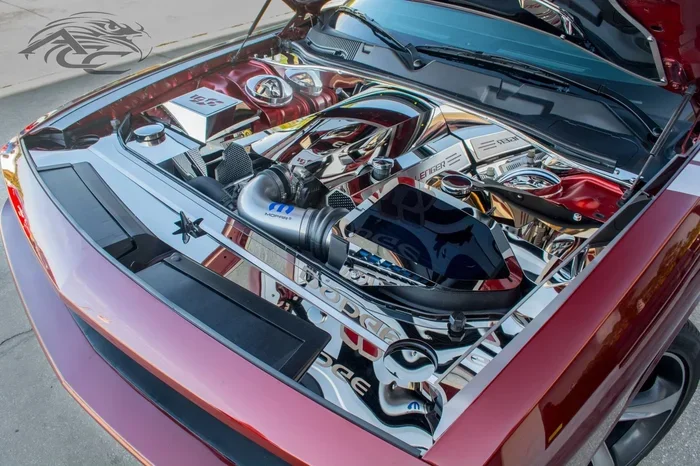
The Hellcat models are where things get more complex. The Dodge Challenger Hellcat features a supercharged 6.2-liter HEMI V8 engine. This engine demands a much higher volume of fuel than a naturally aspirated engine. To meet this demand, the Hellcat uses a different fuel delivery approach.
While the Hellcat still uses a primary in-tank fuel pump, many owners and mechanics report that the system includes a secondary fuel pump or an upgraded pump module. The high-pressure fuel pump in the Hellcat is designed to deliver significantly more fuel volume. This ensures the engine gets enough fuel under boost and at full throttle.
Some Hellcat owners choose to add an auxiliary or secondary fuel pump as an upgrade. This is especially common for those running higher boost levels or doing performance tuning. The auxiliary pump helps maintain consistent fuel pressure during hard acceleration and track use. So while the stock setup may technically have one main pump, the effective fuel delivery system can include additional components.
Model Year Differences
The number and type of fuel pump can also vary by model year. Dodge made changes to the fuel pump module design across different generations of the Challenger. Early models from 2008 to 2014 may have a slightly different pump module than the 2015 to 2023 models.
For example, some 2008 to 2010 Challengers use a fuel pump module that is slightly less expensive but still reliable. Later models may have an updated design with improved durability. Always check your specific model year and trim when looking for replacement parts. Using the wrong pump module can lead to poor fuel delivery and engine performance issues.
Fuel Pump Location and Access
The fuel pump in every Dodge Challenger is located inside the fuel tank. This is standard for modern vehicles. The in-tank design has several advantages. It keeps the pump submerged in fuel, which provides cooling. It also reduces noise and keeps the pump away from heat sources in the engine bay.
To access the fuel pump, you typically need to remove the rear seat cushion in the Challenger. Under the seat, you will find the fuel pump access cover. This cover is held in place by bolts or clips. Once removed, you can access the fuel pump module for inspection or replacement.
In some model years, there may also be an access panel underneath the vehicle near the fuel tank. However, the primary access point is through the cabin. This design makes fuel pump replacement relatively straightforward compared to older vehicles where the pump was mounted outside the tank.
Tips for Fuel Pump Access
- Always disconnect the battery before working on the fuel system.
- Relieve fuel system pressure by removing the fuel pump fuse and cranking the engine briefly.
- Have a catch pan ready because some fuel will spill when disconnecting the lines.
- Take photos before disassembly so you can reference them during reassembly.
- Replace the fuel pump O-ring to prevent leaks during reinstallation.
Common Fuel Pump Problems in the Dodge Challenger
Like any component, the fuel pump can develop problems over time. Knowing the signs of a failing fuel pump can save you from getting stranded or dealing with engine damage. Dodge Challengers are generally reliable, but fuel pump issues do occur.
Symptoms of a Failing Fuel Pump
- Difficulty Starting: The engine cranks but takes longer than usual to start. This happens when the pump cannot build enough pressure.
- Engine Stalling: The engine stalls unexpectedly, especially under heavy load or at high speeds. This indicates inconsistent fuel delivery.
- Loss of Power: You may notice a lack of power during acceleration or when climbing hills. The engine is not getting enough fuel.
- Rough Idling: The engine idles unevenly or feels shaky. This can be caused by fluctuating fuel pressure.
- Whining Noise: A loud whining sound coming from the rear of the vehicle may indicate a worn fuel pump motor.
- Reduced Fuel Economy: A failing pump may deliver too much or too little fuel, causing poor mileage.
What Causes Fuel Pump Failure
Several factors can lead to premature fuel pump failure. Running the tank low frequently is one of the biggest culprits. The fuel pump relies on the surrounding fuel for cooling. When the tank is consistently low, the pump overheats and wears out faster.
Contaminated fuel is another common cause. Dirt, rust, and debris in the fuel tank can clog the strainer and damage the pump internals. Using low-quality fuel or filling up at stations with poor fuel filtration can introduce contaminants into the system.
Electrical issues can also cause fuel pump problems. A faulty fuel pump relay, corroded connectors, or a blown fuse can mimic pump failure. Before replacing the pump, always check the relay and wiring harness.
Fuel Pump Replacement and Upgrades
If you need to replace the fuel pump in your Dodge Challenger, the good news is that it is a manageable job for most DIYers. The part is widely available from OEM and aftermarket suppliers. The cost for a fuel pump module typically ranges from $300 to $800 depending on the model year and trim.
For the standard Challengers, a direct-fit OEM replacement is usually the best choice. The pump module comes as a complete assembly with the strainer, float, and sender unit. You simply drop the new module into the tank and reconnect the electrical connector and fuel lines.
When to Consider an Upgraded Fuel Pump
If you are running performance upgrades or planning to add forced induction, you may want to upgrade the fuel pump. A higher-flow fuel pump ensures the engine gets enough fuel during high-performance operation. This is especially important for Hellcat owners or those tuning their HEMI for more horsepower.
Popular upgrade options include fuel pump kits from brands like Walbro, DeatschWerks, and Aeromotive. These aftermarket pumps offer higher flow rates and improved reliability. Some kits include a complete replacement module that drops right in.
Quick Tips for Fuel Pump Replacement
- Always use OEM-spec parts unless you are upgrading for performance.
- Inspect the fuel tank for debris or rust before installing the new pump.
- Clean the tank if necessary to prevent contaminating the new pump.
- Use dielectric grease on the electrical connector to prevent corrosion.
- Test the system after installation by turning the key to the ON position (do not start) to let the pump pressurize.
Expert Insights on the Dodge Challenger Fuel System
We spoke with several Dodge Challenger specialists to get their take on fuel pump maintenance and common issues. Here is what the experts had to say.
Regular maintenance goes a long way. Keeping your fuel tank at least a quarter full helps protect the pump. The fuel itself acts as a coolant for the pump motor. Running on empty repeatedly is the fastest way to shorten the pump’s lifespan.
For Hellcat owners, consider a secondary pump. If you are pushing the car hard on the track or running significant boost, a secondary fuel pump can make a big difference. It provides insurance against fuel starvation and keeps the engine happy at high RPMs and loads.
Do not ignore small symptoms. A slight change in engine performance or a subtle whining noise could be an early sign of pump wear. Catching it early means you can replace the pump on your schedule rather than being stranded on the side of the road.
Fuel Pump Maintenance Best Practices
Taking care of your Dodge Challenger fuel pump is simple but important. Follow these best practices to keep your fuel system in top shape.
- Keep your tank at least a quarter full. This ensures the pump stays submerged and cool at all times.
- Use quality fuel from reputable stations. Good fuel reduces the risk of contamination and injector deposits.
- Replace the fuel filter on schedule. A clogged fuel filter puts extra strain on the fuel pump.
- Check for leaks regularly. Inspect the fuel lines and connections for any signs of leaks or damage.
- Address warning signs immediately. If you notice any symptoms of pump failure, get it checked before it becomes a bigger problem.
Key Takeaways
- Single Pump Standard: Most Dodge Challenger trims use one in-tank electric fuel pump as part of the fuel pump module assembly.
- Hellcat Has Upgraded Components: The supercharged Hellcat models use a high-output fuel pump designed for higher fuel delivery demands.
- In-Tank Location: Every Challenger fuel pump sits inside the fuel tank for cooling and quiet operation.
- Model Year Matters: Different Challenger generations may have slightly different pump module designs.
- Replacement Is Straightforward: The fuel pump is accessible through the rear seat area and can be replaced with basic tools.
- Upgrades Exist for Performance: Aftermarket high-flow fuel pumps are available for enthusiasts pushing their Challenger to the limit.
- Maintenance Prevents Failures: Keeping the tank at least a quarter full and using quality fuel extends the life of the fuel pump significantly.
Conclusion
So, how many fuel pumps does a Dodge Challenger have? For most trims, the answer is one. The standard base models, including the V6 and HEMI V8 variants, use a single in-tank electric fuel pump. This pump is part of the fuel pump module assembly and handles all the fuel delivery needs of the engine.
For the high-performance Hellcat models, the story is a bit more nuanced. While there is still technically one primary pump, the system is upgraded to deliver more fuel volume. Some owners add a secondary or auxiliary pump for extra insurance during high-performance driving or tuning.
No matter which Challenger you drive, understanding your fuel system helps you take better care of your car. Regular maintenance, quality fuel, and prompt attention to warning signs will keep your fuel pump working reliably for years to come. The Dodge Challenger is built to perform, and a healthy fuel pump is the foundation of that performance.
Whether you are a daily driver enthusiast or a weekend warrior at the track, knowing your fuel pump setup gives you confidence. You will know exactly what to look for, what to replace, and when to upgrade. Keep this guide handy, and your Challenger will keep delivering the thrilling driving experience it was built for.
Frequently Asked Questions
Can a Dodge Challenger have more than one fuel pump?
Most Dodge Challenger models use a single fuel pump. However, Hellcat models may have an upgraded primary pump, and some owners install a secondary or auxiliary fuel pump for performance. The stock configuration for the vast majority of Challengers is one in-tank electric fuel pump.
How do I know if my Dodge Challenger fuel pump is failing?
Common signs include difficulty starting, engine stalling, loss of power under acceleration, rough idling, and a whining noise from the rear of the car. If you notice any of these symptoms, have your fuel pump inspected by a qualified mechanic as soon as possible.
What is the cost to replace the fuel pump on a Dodge Challenger?
The cost typically ranges from $300 to $800 for the fuel pump module. Labor costs vary depending on the model year and where you have the work done. DIY replacement can save on labor charges, but always follow proper safety procedures when working with fuel systems.
Does the Hellcat need a different fuel pump than other Challengers?
The Hellcat uses a higher-capacity fuel pump designed to deliver more fuel volume for its supercharged engine. While it still uses a single primary in-tank pump, the specifications are different from the naturally aspirated models. Aftermarket upgrades are also more common for Hellcat owners.
How often should the fuel pump be replaced on a Dodge Challenger?
There is no set replacement interval for the fuel pump. It is designed to last the life of the vehicle under normal conditions. However, keeping the tank at least a quarter full and using quality fuel can significantly extend its lifespan. Most Challengers go well over 100,000 miles on the original pump.
Can I upgrade the fuel pump for better performance?
Yes, aftermarket fuel pump kits are available from brands like Walbro and DeatschWerks. These offer higher flow rates and are popular among Hellcat owners and those tuning their Challenger for more power. Always ensure the upgrade is compatible with your specific model year and engine combination.