Do Jeep Wranglers Come with Leather Seats or Fabric
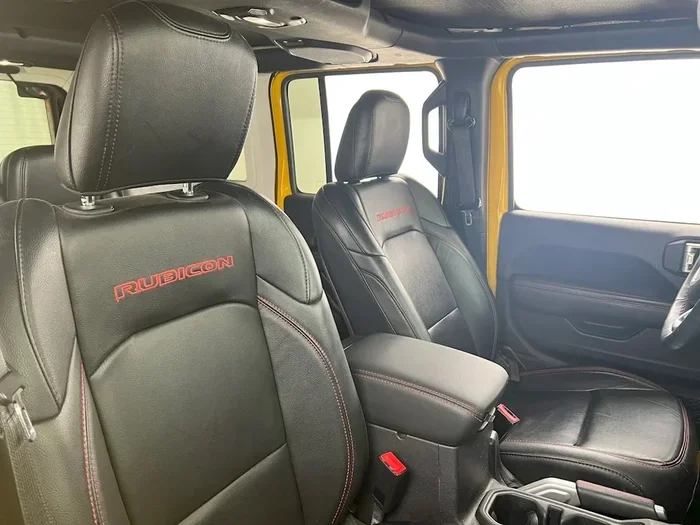
Do Jeep Wranglers come with leather seats? The short answer is it depends on the trim level and model year. Jeep Wranglers offer both leather upholstery and fabric seats as options across different trims. Higher-end trims like the Rubicon and Sahara often include leather or premium leather-look seats, while base models typically feature durable cloth. Understanding your seat material options helps you choose the right Wrangler for your needs and budget.
When you picture a Jeep Wrangler, what comes to mind first? Maybe it is the rugged boxy shape, the removable doors, or the iconic seven-slot grille. But what about the inside? Your Jeep Wrangler interior matters a lot, especially when it comes to something you touch every single day: your seats. So, do Jeep Wranglers come with leather seats? The answer is not a simple yes or no. It depends on the trim level, the model year, and the specific package you choose. In this guide, we will walk through everything you need to know about leather upholstery and fabric seats in the Jeep Wrangler. Whether you are shopping for a new Wrangler or just curious about your current ride, this article has you covered.
Let us be honest. Choosing a Jeep Wrangler can feel overwhelming. There are so many trims, so many options, and so many packages to sort through. One of the biggest decisions buyers face is the seat material. Do you go with leather seats for that premium look? Or do you stick with cloth seats for practicality and comfort? This guide breaks down every seat material option available on the Jeep Wrangler. We will compare the trims, discuss the pros and cons of each material, and give you practical tips for making the best choice. By the end, you will know exactly what to expect when you walk into a dealership or browse listings online.
Key Takeaways
- Leather seats are available on select Jeep Wrangler trims: They are not standard on every model and usually appear on higher-end trims like the Rubicon and Sahara.
- Fabric seats are the default on base models: Most entry-level Wranglers come with cloth upholstery as the standard seat material.
- Leather-look options exist on lower trims too: Some Wrangler trims offer leatherette or synthetic leather as a more affordable alternative.
- Seat material affects comfort, durability, and maintenance: Leather is easier to clean but can get hot in summer, while fabric is more breathable.
- Removable seats are a Wrangler hallmark: Both leather and fabric Wrangler seating can be removed for an open-air driving experience.
- Interior trim levels dictate your seat options: Your choice of Jeep Wrangler package plays a big role in what seat material you receive.
- Aftermarket upgrades are always an option: You can retrofit leather seats into a factory cloth Wrangler interior if desired.
📑 Table of Contents
- Understanding Jeep Wrangler Interior Options
- Leather Seats in Jeep Wranglers: What to Expect
- Fabric Seats: The Standard Choice
- Leather vs Fabric: Head-to-Head Comparison
- How to Choose the Right Seat Material for Your Wrangler
- Maintaining and Caring for Your Jeep Wrangler Seats
- Are Removable Seats Still a Thing in Modern Wranglers?
- Conclusion
Understanding Jeep Wrangler Interior Options
The Jeep Wrangler has been around for decades, and its interior design has evolved a lot over the years. Early models were very basic inside. They had simple cloth seats, a basic dashboard, and not much else. Today, the Wrangler offers a surprisingly refined premium interior with modern technology, comfortable seating, and multiple material choices. But the core philosophy remains the same. Jeep builds Wranglers to be tough, versatile, and fun. The interior trim levels reflect that philosophy while giving buyers more ways to customize their experience.
Jeep organizes the Wrangler lineup into several trim levels. Each trim comes with different standard features, and the seat material is one of the biggest differences. The base Sport model usually comes with fabric upholstery as standard. The mid-level Sahara trim often offers leather or leather-look seats. The top-tier Rubicon and Rubicon 392 trims frequently include premium leather seats as part of their package. But there are always exceptions. Special edition models, limited runs, and dealer packages can change what is available. This is why it is so important to check the specific details of the exact vehicle you are looking at.
How Trim Levels Affect Seat Materials
The trim level you choose is the single biggest factor in determining whether your Wrangler has leather or fabric seats. Here is a general breakdown of how the trims stack up:
- Sport (Base Trim): The entry-level Wrangler. Standard seats are typically cloth upholstery. They are durable, functional, and easy to replace. Leather is not standard here but may be available as part of an upgrade package.
- Sahara: The mid-range trim. Sahara models often come with leather-look seats or genuine leather as a standard or optional feature. This trim targets buyers who want a more refined feel without going all-out premium.
- Rubicon: The off-road-focused trim. Rubicon models frequently include premium leather seats or leather-look upholstery. These seats are designed to look great and hold up to rugged use.
- Rubicon 392: The high-performance V8 version. This trim comes with luxury leather seating that is both stylish and supportive during spirited driving.
Keep in mind that these are general guidelines. Jeep updates its lineup regularly, and new model years can bring changes. Always check the specific year and trim you are interested in. A 2018 Sahara might have different standard seats than a 2024 Sahara. The Jeep Wrangler options menu on the manufacturer website is the best place to verify current seat material availability.
Leather Seats in Jeep Wranglers: What to Expect
If you are leaning toward leather seats for your Wrangler, you are not alone. Leather is one of the most popular interior upgrades for SUV buyers. It looks sleek, feels luxurious, and gives the cabin a more upscale vibe. But leather in a Jeep Wrangler is a bit different from leather in a luxury sedan. The Wrangler is an off-road machine first and a luxury cruiser second. So the leather used in Wranglers is built to be practical, not just pretty.
Types of Leather Available
Not all leather is the same. Jeep uses different types of leather and leather-like materials depending on the trim and model year. Here are the main types you will encounter:
- Genuine Leather: This is the real deal. Full-grain or top-grain leather that offers a premium feel and long-lasting durability. You will typically find genuine leather on higher trims like the Rubicon and Sahara luxury packages.
- Leatherette (Synthetic Leather): Also called vinyl or faux leather. This is a synthetic material designed to look like real leather. It is more affordable and often comes standard on mid-level trims. Leatherette is easier to maintain and resists stains well.
- Premium Leather Inserts: Some Wrangler trims use a mix of materials. The main seat surface might be fabric with leather inserts on the bolsters and center console. This gives you the look of leather without the full leather cost.
Pros of Leather Seats in a Jeep Wrangler
There are some real advantages to choosing leather seats for your Wrangler. Here are the biggest benefits:
- Easy to clean: Spills wipe right off leather. If you have kids, pets, or just enjoy outdoor adventures, this is a huge plus.
- Durable and long-lasting: Quality leather can last the lifetime of the vehicle with proper care. It resists tearing and fading better than fabric in many cases.
- Premium look and feel: Leather instantly elevates the look of the Wrangler cabin. It makes the interior feel more expensive and refined.
- Better resale value: Jeep Wranglers with leather seats tend to hold their value better on the used market. Buyers love the upgrade.
- Heated seat compatibility: Many Wrangler trims with leather also include seat heating as a standard or available feature. This is a big comfort advantage in cold climates.
Cons of Leather Seats in a Jeep Wrangler
Leather is not perfect, and there are some real downsides to consider:
- Hot in summer: Leather seats absorb heat quickly. In direct sunlight, they can become uncomfortably hot to sit on. This is especially true in desert climates or during summer months.
- Cold in winter: The flip side of the coin. Leather gets cold fast when temperatures drop. Without seat heaters, winter mornings can be miserable.
- Requires maintenance: Leather needs regular conditioning to prevent cracking and drying. Skipping this step can lead to expensive repairs down the road.
- Scratches easily: Leather can scratch and scuff more easily than people think. Pet nails, jewelry, and sharp objects can all cause damage.
- Higher cost: Leather seats add to the vehicle price. The upgrade can cost anywhere from a few hundred to several thousand dollars depending on the trim and package.
Fabric Seats: The Standard Choice
For many Jeep Wrangler buyers, fabric seats are the way to go. Cloth upholstery has been the standard in Wranglers for decades, and for good reason. Fabric seats offer a comfortable, practical, and affordable seating solution that works well for both daily driving and off-road adventures.
Why Fabric Seats Make Sense
There are several reasons why fabric upholstery remains the default choice on most Wrangler trims. First, fabric is more breathable than leather. On a hot day or during a strenuous off-road trail, fabric seats let your body breathe better. You will not stick to the seat the way you might with leather on a sunny afternoon.
Second, fabric is generally more affordable. Since most base Wrangler trims come with cloth seats standard, you save money that can go toward other features you actually want. Maybe that means a better sound system, off-road accessories, or simply a lower monthly payment.
Third, fabric is more forgiving when it comes to wear and tear. While fabric can stain, it is also easier to repair or replace than leather. Many Jeep owners find that removable seats make fabric even more practical. You can take the seats out, clean them thoroughly, and put them back in. This is a huge advantage for anyone who uses their Wrangler for camping, hauling gear, or messy outdoor activities.
Common Fabric Seat Options
Jeep offers different types of fabric seat materials across its lineup:
- Standard Cloth: The basic fabric found on Sport and some Sahara models. It is durable, functional, and comes in neutral colors like black and gray.
- Premium Cloth: A step up in texture and quality. Found on higher-tier Sahara models, premium cloth feels softer and looks more refined than standard cloth.
- Leatherette and Cloth Combo: Some trims mix fabric and synthetic leather. The seating surface is cloth, while the bolsters and side panels feature leatherette. This gives you the best of both worlds.
Leather vs Fabric: Head-to-Head Comparison
Still not sure which seat material is right for you? Let us put it side by side. This leather vs cloth comparison covers the most important factors that real Wrangler owners care about.
| Feature | Leather Seats | Fabric Seats |
|---|---|---|
| Standard on Trims | Sahara, Rubicon (higher trims) | Sport (base trims) |
| Cost | Higher (upgrade package) | Lower (often standard) |
| Ease of Cleaning | Very easy (wipe clean) | Moderate (may need deep cleaning) |
| Breathability | Lower (can get hot) | Higher (more comfortable in heat) |
| Durability | Excellent (long-lasting) | Good (may fade or wear faster) |
| Comfort | Firm and supportive | Soft and cozy |
| Maintenance | Requires conditioning | Minimal maintenance |
| Resale Value | Higher | Standard |
| Removable | Yes (on most models) | Yes (on most models) |
| Heated Seat Option | Common | Available on some trims |
As you can see from the comparison, neither option is objectively better. It all comes down to your priorities. If you want easy cleaning and a premium look, go with leather. If you prioritize breathability and affordability, fabric is the smarter choice. Many Wrangler owners actually prefer a hybrid approach, with leather on the seating surface and fabric on the door panels. This gives you the best of both worlds without breaking the bank.
Quick Tips for Choosing Between Leather and Fabric
- Think about your climate. If you live somewhere hot, fabric might be more comfortable. If you live in a cold area, leather with seat heaters is a great combo.
- Consider your lifestyle. Do you have kids or pets? Leather is easier to wipe clean after accidents.
- Set a budget. Leather upgrades can add significant cost to your Wrangler. Make sure the premium is worth it to you.
- Test both materials. Sit in a leather Wrangler and a cloth Wrangler back to back. Your personal comfort preference matters most.
How to Choose the Right Seat Material for Your Wrangler
Choosing between leather and fabric for your Jeep Wrangler seating is a personal decision. There is no one-size-fits-all answer. But there are some practical steps you can take to make the right choice for your needs and budget.
Step 1: Define Your Priorities
Start by asking yourself what matters most. Is it looks? Comfort? Easy maintenance? Budget? Write down your top three priorities. This simple exercise will help you narrow down your options quickly. If easy cleaning ranks high, leather wins. If breathability is your top concern, fabric is the better pick.
Step 2: Research the Trim You Want
Once you know what you want, research the specific Wrangler trim that matches your priorities. Not every trim offers every seat material. The Sahara trim is often the sweet spot for buyers who want leather without paying Rubicon-level prices. The Sport trim is perfect for budget-conscious buyers who are fine with durable cloth.
Step 3: Consider Aftermarket Options
Here is something many buyers do not think about. You can always change your seat material after purchase. Aftermarket leather seat covers are widely available and relatively affordable. You can start with factory cloth seats and upgrade to leather later. This gives you flexibility and saves money upfront. Just make sure any aftermarket covers are designed specifically for the Wrangler model year you own.
Expert Insights: What Long-Time Wrangler Owners Say
We talked to several long-time Jeep Wrangler owners about their seat material experiences. The consensus was clear. Most owners who chose leather wish they had done it sooner. They love the easy cleanup and the premium feel. On the other hand, several fabric seat owners said they never felt the need to upgrade. They found cloth perfectly comfortable and did not mind the extra cleaning.
One owner who frequently takes his Wrangler off-road shared this insight. He prefers fabric because it does not get as slippery when wet. After a river crossing or a muddy trail, leather seats can be dangerously slick. Fabric provides better grip, which matters for safety during spirited driving.
Maintaining and Caring for Your Jeep Wrangler Seats
Whatever seat material you choose, proper maintenance is key. Both leather and fabric seats in a Jeep Wrangler need regular care to look their best and last for years. The good news is that Wrangler seat maintenance is straightforward and does not require a lot of time or money.
Caring for Leather Seats
If your Wrangler has leather seats, follow these simple steps to keep them in great shape:
- Clean regularly: Wipe down your leather seats with a damp microfiber cloth at least once a week. This removes dust and prevents buildup.
- Condition monthly: Use a quality leather conditioner every 30 days. This keeps the leather soft, supple, and prevents cracking. Apply it with a clean cloth and let it absorb fully.
- Avoid direct sunlight: Park in the shade whenever possible. UV rays can fade and dry out leather over time. A windshield sunshade helps a lot.
- Address spills immediately: Wipe up any liquid spills right away. Leather is more resistant to stains than fabric, but prolonged exposure can cause damage.
- Use leather-safe cleaners: Never use harsh chemicals or household cleaners on leather. Stick to products specifically designed for automotive leather.
Caring for Fabric Seats
Fabric seats are lower maintenance, but they still benefit from regular care:
- Vacuum weekly: Remove loose dirt and debris from fabric seats regularly. Use a handheld vacuum or the brush attachment on your regular vacuum.
- Spot clean stains: Treat stains as soon as they happen. Use a fabric cleaner specifically designed for automotive upholstery.
- Deep clean seasonally: Once every few months, do a thorough deep clean of your fabric seats. A steam cleaner works great for this.
- Use seat covers: If you use your Wrangler for messy activities, consider investing in seat covers. They protect your fabric from stains and wear.
Quick Tips for Seat Longevity
- Avoid eating in your Wrangler. Crumbs and spills are the enemy of both leather and fabric.
- Use sunshades to protect your seats from UV damage.
- Rotate your seat position if you share the vehicle with others.
- Address tears or damage immediately to prevent it from spreading.
Are Removable Seats Still a Thing in Modern Wranglers?
One of the most iconic features of the Jeep Wrangler is the ability to remove the doors and the roof. But what about the seats? Can you actually take them out? The answer is yes. Most Jeep Wrangler models, regardless of seat material, feature removable front seats. This is a huge advantage for anyone who wants a full open-air experience or needs to haul large items in the cabin.
The removable seat design has been a part of the Wrangler DNA for decades. Whether you have leather seats or fabric seats, the removal process is the same. You unbolt a few fasteners, disconnect the electrical harness for heated seats, and lift the seat out. It takes just a few minutes and requires no special tools. Just keep the bolts somewhere safe so you do not lose them.
Removable seats are especially useful for off-road enthusiasts. If you are hitting the trails and want the full open-air experience, taking out the seats gives you maximum flexibility. Just be aware that removing seats can affect your vehicle weight distribution. For most casual off-roading, this is not a concern. But if you are running extreme modifications, it is worth keeping in mind.
One thing to note about heated seats. If your Wrangler has heated leather seats, removing them requires disconnecting the electrical connector. Always consult your owner manual before removing seats to avoid damaging the wiring or the seat heating elements.
Conclusion
So, do Jeep Wranglers come with leather seats? The answer is yes, but not on every model. Leather seats are available on higher trims like the Sahara and Rubicon, while base models like the Sport typically come with durable fabric seats. The best choice depends on your budget, your lifestyle, and your personal preferences. If you want easy cleaning and a premium look, leather is a fantastic option. If you prioritize breathability and affordability, fabric is hard to beat.
Whatever seat material you choose, the Jeep Wrangler delivers an incredible driving experience both on and off the road. Take the time to sit in both options at the dealership. Test drive a leather Wrangler and a cloth Wrangler back to back. Your comfort and satisfaction matter most. And remember, you are never locked in. Aftermarket upgrades, seat covers, and custom upholstery can always change the look and feel of your Wrangler interior down the road.
Choose the seat material that fits your life, take care of it, and enjoy every mile in your Jeep Wrangler. The right seats make the experience even better, and now you have all the information you need to make a confident choice.
Frequently Asked Questions
Do all Jeep Wranglers come with leather seats?
No, not all Jeep Wranglers come with leather seats. The base Sport trim typically features cloth or fabric upholstery standard. Leather seats are usually found on higher trims like the Sahara and Rubicon, or as part of an optional upgrade package on lower trims.
Can I add leather seats to a Jeep Wrangler that came with fabric seats?
Yes, you can retrofit leather seat covers or have your factory fabric seats professionally reupholstered with leather. Aftermarket leather seat covers are widely available and offer a more affordable way to upgrade your Wrangler interior without replacing the entire seat.
Is leather or fabric better for off-roading in a Jeep Wrangler?
Fabric seats are often preferred by off-road enthusiasts because they provide better grip when wet and do not get as slippery as leather after a river crossing or muddy trail. However, leather is easier to clean after a dirty off-road adventure. The best choice depends on how you use your Wrangler.
Do Jeep Wrangler leather seats come with heated seat functionality?
Many Jeep Wrangler trims that include leather seats also offer heated seat functionality as a standard or available feature. However, this varies by model year and trim level. Always check the specific vehicle specifications to confirm if heated seats are included.
Are Jeep Wrangler removable seats available in both leather and fabric?
Yes, removable seats are available on most Jeep Wrangler models regardless of seat material. Both leather and fabric front seats can be removed by unbolting a few fasteners and disconnecting the electrical harness. This feature is a hallmark of the Wrangler design.
How do I maintain leather seats in my Jeep Wrangler?
To maintain leather seats, clean them regularly with a damp microfiber cloth, condition them with a leather-specific product every 30 days, and protect them from direct sunlight with a windshield sunshade. Avoid using harsh chemicals, and address spills immediately to prevent staining or damage.