How Do You Manually Program a Key Fob Your Complete Guide
How do you manually program a key fob? It is simpler than most drivers realize, and you can do it at home without visiting a dealership. This guide covers every method, from ignition-based programming to button sequences, so you can handle key fob programming with confidence. You will also learn common mistakes, quick tips, and when to call a professional for help.
There is something satisfying about handling a key fob programming task on your own. Whether your remote key fob stopped working after a battery swap or you just bought a new aftermarket key fob, the process is more straightforward than most people assume. You do not need expensive tools or a trip to the dealership. With the right guidance, you can program your car key fob in minutes from your driveway.
This guide breaks down every method, every pitfall, and every tip you need to succeed. We will walk through the most common programming techniques for different vehicle brands, explain how transponder key and smart key systems differ from traditional remotes, and show you how to troubleshoot when things go wrong. By the end, you will have the knowledge and confidence to tackle key fob replacement and car key programming on your own terms.
Key Takeaways
- Manual programming is possible: Most vehicles allow you to program a key fob yourself using the ignition, door locks, or button sequences.
- Save money: DIY key fob programming can save you $50 to $200 compared to dealership fees.
- Check your owner’s manual first: Every vehicle has a slightly different process, so always start with the manufacturer’s instructions.
- Common problems are fixable: Issues like key fob not working or range problems usually have simple solutions.
- Aftermarket fobs work too: You can program aftermarket key fob remotes, but compatibility matters.
- Know when to call a pro: Complex vehicle security systems and immobilizer system issues may require a locksmith or dealer.
📑 Table of Contents
Understanding Your Key Fob and How It Works
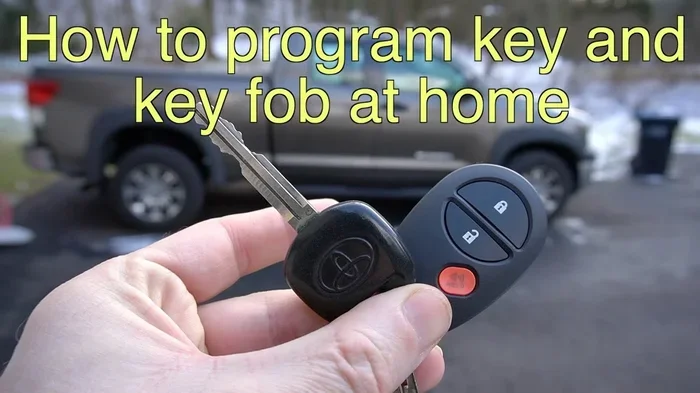
Before you dive into the steps, it helps to understand what your key fob actually does and how it communicates with your vehicle. A remote key fob is essentially a small radio transmitter that sends coded signals to your car’s vehicle security system. When you press the lock and unlock buttons, the fob sends a specific frequency that your car recognizes and responds to.
What Makes a Key Fob Different from a Traditional Key
A traditional metal key simply turns the ignition switch to start the engine. A key fob does much more. It handles keyless entry, remote start, trunk release, and in some vehicles, it even communicates with the immobilizer system to prevent theft. Modern smart key fobs use rolling codes that change every time you use them, which makes key fob programming a bit more complex than older models.
How Transponder Technology Works
Many transponder keys contain a tiny chip that exchanges a unique identification code with your car’s computer. If the code matches, the immobilizer system disengages and the engine can start. This means that car key programming is not just about syncing remote buttons. It also involves pairing the transponder chip with the vehicle’s anti-theft system. Understanding this helps you appreciate why some programming methods require you to turn the ignition on and off in a specific sequence.
Expert Insight: The key fob battery plays a bigger role in programming than most people realize. Always use a fresh battery before attempting any programming method. A weak battery can cause key fob not working issues that look like programming failures but are actually just power problems.
Why Would You Need to Manually Program a Key Fob
There are several real-world situations where you might need to program a key fob manually. Losing your only remote, buying a replacement after a key fob reset, or switching to an aftermarket key fob are the most common reasons. Whatever your situation, knowing how to program the fob yourself puts you in control.
Lost or Damaged Key Fob
Losing a key fob is stressful, but it does not have to be expensive. Many vehicle owners assume they must visit a dealership for key fob replacement. While dealers can do it, the cost often runs between $100 and $300. Manual programming lets you handle the task yourself for the price of a new fob, which typically costs $20 to $50 for an aftermarket key fob.
Buying an Aftermarket Key Fob
Aftermarket key fob options have improved dramatically in recent years. Many universal remotes are fully programmable and work with a wide range of vehicle makes and models. The key is choosing a compatible fob and following the correct programming mode for your specific vehicle. Always check compatibility before purchasing.
Vehicle Battery Replacement
Sometimes replacing your car battery resets the vehicle security system, and your remote key fob needs to be reprogrammed. This is a common scenario that catches many drivers off guard. Knowing the programming steps ahead of time saves you a phone call to the dealer when your key fob not working after a battery change.
| Method | Cost | Difficulty | Time Required |
|---|---|---|---|
| DIY Manual Programming | $20-$50 (fob only) | Easy to Moderate | 10-30 minutes |
| Dealership Programming | $100-$300 | Easy | 30-60 minutes |
| Locksmith Programming | $50-$150 | Easy to Moderate | 15-45 minutes |
Step-by-Step Guide to Manually Programming a Key Fob
Now for the part you have been waiting for. The exact steps vary by vehicle, but the core methods fall into three main categories. We will cover each one so you can find the approach that works for your car.
Method 1: Using the Ignition and Door Locks
This is the most common method and works with many Toyota, Honda, Ford, and Chevrolet models. Here is how it typically goes:
- Sit in the driver seat and close all doors.
- Insert your key fob into the ignition switch.
- Turn the ignition to the “On” position without starting the engine.
- Press and hold the lock button on the fob for several seconds.
- Turn the ignition back to the “Off” position.
- Repeat this on-off cycle two or three more times.
- When the doors lock or the lights flash, release the lock button. Your key fob programming is complete.
This method puts the vehicle into a programming mode that accepts new fob signals. Always check your owner’s manual for the exact number of cycles your specific model requires.
Quick Tips:
- Keep the fob within arm’s reach during the entire process.
- Make sure all other key fob remotes are away from the vehicle to avoid interference.
- Work quickly but calmly. Rushing can cause you to miss a step.
Method 2: The Button Sequence Method
Some vehicles, especially newer models with smart key systems, use a button sequence instead of the ignition method. You typically need to press a combination of buttons on the door panel or steering column while holding the fob in a specific position. This method is common in vehicles from brands like BMW, Volkswagen, and Hyundai.
The exact sequence varies widely, which is why consulting your owner’s manual or searching for your specific vehicle model online is essential. Look for terms like “programming mode” or “remote learning mode” in your manual’s index.
Method 3: Programming Through the OBD Port
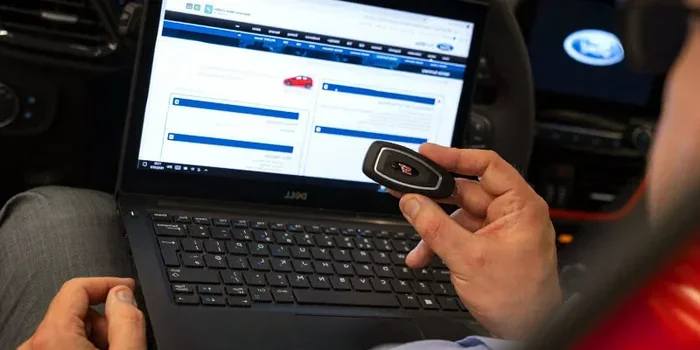
For vehicles with advanced vehicle security systems, you may need to connect a programming tool to the OBD port (On-Board Diagnostics). This method is more common for transponder key programming and newer models that do not support the manual ignition method. While you can buy an OBD programming tool for home use, this method is better suited for experienced DIYers or professional locksmiths.
Common Mistakes to Avoid:
- Skipping the step of turning the ignition off between cycles. This is the most common error and will prevent successful key fob programming.
- Using a weak key fob battery. Always install a fresh CR2032 or CR2025 battery before programming.
- Not clearing existing fob codes. Some vehicles require you to delete old fob signals before adding new ones.
- Programming in a noisy area with nearby key fob remotes from other vehicles that can interfere with the process.
Key Takeaways:
- The ignition and door lock method works for most older and mid-range vehicles.
- Button sequence methods are common in newer models with keyless entry.
- OBD programming is best for smart key and transponder key systems.
- Always refer to your vehicle-specific owner’s manual before starting.
Common Problems When Programming a Key Fob
Even when you follow every step correctly, things can go wrong. Understanding the most common issues helps you troubleshoot quickly and get your remote key fob working again.
Key Fob Not Responding
If your key fob not working after programming, the first thing to check is the battery. A dead or weak battery is the number one cause of key fob problems. Replace it with a fresh battery and try again. If the new battery does not solve the issue, the fob may not have been fully paired with the vehicle’s vehicle security system.
Vehicle Won’t Accept the New Fob
Sometimes the vehicle simply refuses to learn the new fob signal. This can happen if the anti-theft system is still active from a previous programming attempt. Try resetting the system by disconnecting the car battery for 15 minutes and then attempting the programming process again. Also, make sure you are within the key fob range requirements, which is usually within a few feet of the vehicle.
Range Issues After Programming
If your fob locks and unlocks the doors but does not work from a distance, the key fob range may be weak. This is often caused by a low battery or interference from nearby electronic devices. Try standing farther from the vehicle and pointing the fob directly at the keyless entry receiver, which is usually located near the side mirror or front windshield.
Expert Insight: Interference from cell phones, USB chargers, and even nearby parking lot security systems can disrupt key fob programming. Always program your fob in a quiet, open area away from other electronic devices. This simple step solves many frustrating programming failures.
Quick Tips and Common Mistakes to Avoid
Quick Tips for Successful Programming
- Read the owner’s manual first. Every vehicle has unique requirements, and the manual contains the exact steps for your model.
- Use a fresh battery in the new fob. A weak battery during programming is the fastest way to fail.
- Keep all other remotes away. Nearby fobs from other vehicles can confuse the programming process.
- Work in a calm environment. Do not rush. Follow each step deliberately.
- Test immediately. After programming, test the fob from multiple distances before walking away.
- Program all remotes at once. If you have multiple fobs, program them together so they are all synced to the same vehicle.
Common Mistakes That Cause Programming Failures
- Not entering programming mode correctly. Each vehicle has a specific entry sequence. Missing even one step means the vehicle will not accept the new fob.
- Using the wrong programming method. Not all vehicles use the ignition method. Some require the button sequence or OBD approach.
- Ignoring the immobilizer system. For vehicles with transponder keys, the immobilizer must be bypassed or reprogrammed alongside the remote functions.
- Giving up too quickly. Some vehicles require multiple programming cycles. If the first attempt does not work, try again following the steps precisely.
- Buying an incompatible fob. Not all aftermarket key fob remotes are compatible with every vehicle. Always verify the part number and frequency before purchasing.
Key Takeaways:
- Fresh battery + correct method + patience = successful key fob programming.
- Most failures come from small mistakes, not complex problems.
- Programming all remotes together saves time and prevents future sync issues.
When to Seek Professional Help
There is no shame in calling a professional. Some key fob programming situations are simply beyond what a DIY approach can handle. Knowing when to ask for help saves you time, frustration, and potentially money.
Situations That Require a Locksmith or Dealer
If your vehicle uses a smart key system with advanced encryption, manual programming may not be an option. Some luxury brands and newer models require specialized equipment that only dealers or certified locksmiths have access to. Additionally, if your immobilizer system needs reprogramming or if you have lost all working keys, a professional is your best bet.
Other situations that warrant professional help include: water damage to the fob, physical damage to the transponder key, or when the vehicle’s vehicle security system needs a full reset after a theft attempt.
Cost Comparison: DIY vs Professional
| Scenario | DIY Cost | Professional Cost | Time Saved |
|---|---|---|---|
| Simple remote fob replacement | $20-$50 | $100-$200 | None (DIY is faster) |
| Smart key programming | Not possible | $150-$300 | Avoids frustration |
| Lost all keys, full reprogram | Not possible | $200-$400 | Avoids towing |
| Aftermarket fob, simple model | $20-$50 | $100-$250 | None (DIY is faster) |
As you can see, simple key fob replacement and basic programming are well within the DIY range. For complex car key programming involving smart keys or full system resets, professional help is the smarter choice.
Key Takeaways:
- DIY programming works for most standard remote key fob replacements.
- Smart keys, transponder systems, and lost-all-keys situations need a professional.
- Always try the manual method first to see if it works for your vehicle.
- Keep your owner’s manual handy for reference during any programming attempt.
Conclusion
Learning how do you manually program a key fob is one of the most useful skills a car owner can have. It saves money, saves time, and gives you independence from dealerships and locksmiths for simple key fob replacement tasks. With the right method for your vehicle, a fresh battery, and a little patience, you can program your remote key fob in the time it takes to drink a cup of coffee.
Remember to always start with your owner’s manual, choose the correct programming method for your vehicle model, and avoid the common mistakes we covered. If the process feels overwhelming, there is no harm in calling a professional locksmith or your local dealer for assistance. The goal is to get your keyless entry and vehicle security system working smoothly again.
Now that you have the knowledge and the steps, go ahead and give it a try. Your car key fob is waiting, and you are ready to take on the task with confidence.
Frequently Asked Questions
Can I program a key fob myself without any special tools?
Yes, for most vehicles you can program a remote key fob yourself using just the fob and your car keys. The ignition and door lock method requires no special equipment at all. However, vehicles with advanced smart key or transponder key systems may need an OBD programming tool or professional assistance.
How long does it take to manually program a key fob?
Most key fob programming tasks take between 10 and 30 minutes. The exact time depends on your vehicle make and model, the programming method required, and whether you are programming one fob or multiple remotes. Simple aftermarket key fob setups are usually the fastest.
Why does my newly programmed key fob still not work?
The most common reason is a weak or dead key fob battery. Replace the battery with a fresh one and try again. Other causes include not entering the programming mode correctly, interference from nearby electronic devices, or an incompatible fob for your vehicle model.
Is aftermarket key fob programming the same as OEM programming?
In most cases, yes. Aftermarket key fob remotes use the same radio frequencies and programming methods as OEM remotes. The main difference is build quality and features. Always verify compatibility with your vehicle before purchasing an aftermarket key fob to ensure smooth key fob programming.
Do I need to reprogram my key fob after a car battery dies?
Some vehicles require you to reprogram the remote key fob after the car battery dies or is disconnected. This happens because the vehicle security system loses its stored fob codes. Check your owner’s manual to see if your specific model requires reprogramming after a battery change.
What should I do if the programming mode times out?
If the programming mode times out, simply start the process again from the beginning. Make sure you complete each step within the time window specified in your owner’s manual. Working calmly and not rushing through the steps helps prevent timeouts and ensures successful key fob programming on your first attempt.