Can a Ford F-150 Pull a Camper – Everything You Need to Know
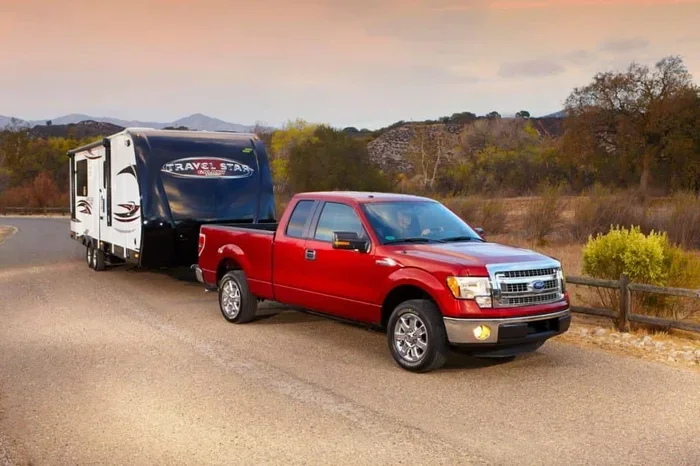
Can a Ford F-150 Pull a Camper? Absolutely yes. The Ford F-150 is one of the most capable and popular trucks for towing campers, with towing capacities ranging from 5,000 to over 14,000 pounds depending on the model and setup. In this guide, we cover towing specs, camper types, hitch requirements, safety tips, and common mistakes to help you tow with confidence.
So you are thinking about buying a camper and wondering if your Ford F-150 can handle the job. It is a great question, and the answer is more straightforward than you might think. The F-150 has been designed and engineered to tow heavy loads, making it a top choice for camping enthusiasts and full-time RVers alike.
But not all F-150s are created equal. The towing ability depends on the model year, engine type, axle ratio, and whether you have the right towing package installed. Let us dive into the details so you can plan your next adventure with confidence.
Key Takeaways
- Yes, an F-150 can pull a camper: towing capacity ranges from 5,000 to 14,000+ pounds depending on the model year and configuration
- Choose the right camper type: travel trailers, truck campers, and fifth wheels all work with the F-150 when matched to its capacity
- Get the proper towing package: engine, axle ratio, hitch, and brakes all matter for safe and efficient towing
- Weight distribution is critical: proper hitch setup prevents trailer sway and improves stability on the road
- Avoid common mistakes: overloading, skipping inspections, and ignoring tow mirrors are the top errors F-150 owners make
- Follow a pre-trip checklist: safety checks before every trip keep you and your cargo secure
📑 Table of Contents
Understanding the Ford F-150 Towing Capacity
When we talk about Can a Ford F-150 Pull a Camper, the first thing you need to know is the towing capacity. This number tells you the maximum weight your truck can safely tow behind it. The F-150 offers one of the widest ranges in the full-size truck segment.
What the Numbers Mean
The towing capacity of an F-150 varies based on several factors. The base engine on many models can tow around 5,000 pounds. However, when you upgrade to the 3.5-liter EcoBoost V6 or the 5.0-liter V8, the numbers jump significantly. With the right configuration, some F-150 models can tow over 14,000 pounds.
Here are the key numbers to remember:
- Base engine (3.3-liter V6): up to 5,000 pounds towing capacity
- 2.7-liter EcoBoost V6: up to 7,000 pounds towing capacity
- 5.0-liter V8: up to 8,200 pounds towing capacity
- 3.5-liter EcoBoost V6: up to 13,500 pounds towing capacity
- High-output 3.5-liter EcoBoost V6: up to 14,000 pounds towing capacity
These numbers assume you have the proper towing package installed. Always check the door jamb sticker or owner’s manual for your specific model’s exact towing specs.
Towing Capacity by Model Year
The F-150 has been around for decades, and each generation has brought improvements. Newer models from 2015 onward feature aluminum body construction, which reduces curb weight and increases available towing capacity. The 2021, 2022, 2023, and 2024 model years all offer strong towing performance. If you own an older model, check the specific year’s specs, as earlier trucks may have lower limits.
Types of Campers You Can Tow with an F-150
Not all campers are the same. Different camper types have different weight profiles and towing requirements. Understanding these differences is essential when figuring out Can a Ford F-150 Pull a Camper for your specific situation.
Travel Trailers
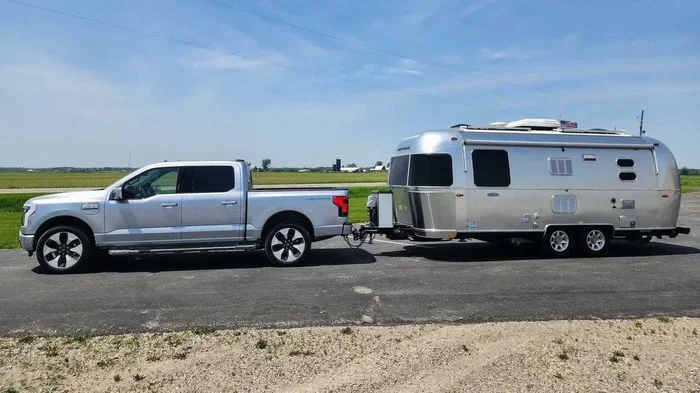
Travel trailers are the most common type of camper. They range from lightweight pop-up tents to large fifth-wheel-style travel trailers. A small travel trailer weighing 2,000 to 4,000 pounds is well within the towing capacity of even a base F-150. Larger travel trailers in the 6,000 to 10,000 pound range require a more powerful engine configuration and proper hitch setup.
Truck Campers
Truck campers are units that sit directly in the bed of the pickup truck. They are incredibly convenient because you do not need a separate trailer or hitch. The weight of a truck camper sits directly over the rear axle, which affects the payload capacity more than the towing capacity. Lightweight truck campers under 1,500 pounds work great with any F-150. Heavier models require careful weight distribution planning.
Fifth Wheel and Gooseneck Campers
Fifth wheel campers and gooseneck trailers sit over the rear axle of the truck, providing better weight distribution than traditional travel trailers. These setups require a special hitch installed in the truck bed. The F-150 can tow fifth wheel campers, but you need the proper hitch and a higher towing capacity configuration. Gooseneck setups are also possible with the right hitch adapter.
Camper Weight Comparison Table
| Camper Type | Typical Weight Range | F-150 Configuration Needed |
|---|---|---|
| Pop-Up Camper | 1,000 – 3,500 lbs | Any F-150 model |
| Small Travel Trailer | 3,000 – 6,000 lbs | Base or 2.7L EcoBoost |
| Medium Travel Trailer | 6,000 – 10,000 lbs | 5.0L V8 or 3.5L EcoBoost |
| Large Travel Trailer | 10,000 – 14,000 lbs | 3.5L EcoBoost High Output |
| Truck Camper (Light) | 1,000 – 2,500 lbs | Any F-150 model |
| Truck Camper (Heavy) | 2,500 – 4,000 lbs | 3.5L EcoBoost recommended |
| Fifth Wheel Camper | 8,000 – 16,000 lbs | 3.5L EcoBoost with fifth wheel hitch |
What You Need Before Towing a Camper
Before you hook up a camper and hit the road, there are several things you need to have in place. Towing a camper is different from driving a truck by itself. The added weight and length change how the vehicle handles, brakes, and accelerates.
Towing Packages and Equipment
The Ford F-150 offers several towing packages that include essential hardware. The base towing package includes a trailer wiring harness and a Class IV receiver hitch. Higher-tier packages add features like a trailer sway control system, an integrated trailer brake controller, and upgraded cooling systems for the engine and transmission.
Here is what you should look for in a towing package:
- Trailer wiring harness: connects your truck’s lights to the camper
- Receiver hitch: Class IV or Class V for heavier loads
- Trailer brake controller: applies brakes on the camper when you brake
- Trailer sway control: prevents the trailer from swaying side to side
- Engine cooling upgrade: keeps the engine from overheating under load
- Transmission cooler: protects the transmission during long tows
Weight Distribution and Hitch Setup
Proper hitch setup is one of the most important parts of towing safely. The hitch weight, also called tongue weight, should be about 10-15% of the total trailer weight. If the hitch weight is too light, the trailer may sway. If it is too heavy, it can affect the truck’s steering and rear suspension.
For heavier campers, a weight distribution hitch system helps spread the load evenly across all axles. This improves stability and makes the ride much smoother. A gooseneck hitch or fifth wheel hitch provides even better weight distribution for the heaviest setups.
Safety Essentials
Safety should always come first when towing. Here are the essential safety items you need before every trip:
- Towing mirrors: extended mirrors that give you a clear view of the camper and road behind you
- Trailer brake controller: required by law in most states for trailers over a certain weight
- Safety chains: crisscrossed under the hitch to catch the trailer if it disconnects
- Breakaway cable: activates the trailer brakes if the trailer separates from the truck
- Tire pressure monitoring system: keeps an eye on both truck and camper tire pressures
Step-by-Step Guide to Towing a Camper with Your F-150
Now that you understand the capacity and equipment, let us walk through the actual process of towing a camper. Whether you are a first-timer or looking to improve your setup, these steps will help you tow safely and confidently.
Pre-Trip Checklist
Before every trip, go through this checklist to make sure everything is in order:
- Check the camper weight against your F-150’s towing capacity
- Verify tire pressure on both the truck and the camper
- Inspect all hitch connections, pins, and latches
- Connect the trailer wiring harness and test all lights
- Set up safety chains in a crisscross pattern
- Attach the breakaway cable to the truck frame
- Adjust towing mirrors for full visibility
- Set the trailer brake controller gain level
- Check the payload weight in the truck bed
- Verify the axle ratio matches your towing needs
On the Road
Driving with a camper requires different techniques than driving without one. Here are the most important things to keep in mind:
- Increase following distance: a loaded camper takes longer to stop. Leave at least 6 seconds of following distance
- Use lower gears on hills: downshift before going downhill to use engine braking
- Take wider turns: the camper has a wider turning radius than the truck
- Watch for wind gusts: high winds can cause trailer sway, especially with lightweight campers
- Check your mirrors frequently: make sure the camper is tracking straight
- Pull over if something feels wrong: unusual vibrations or sounds could indicate a problem
Hitching and Unhitching
Proper hitching and unhitching procedures keep you safe every time. Here is the correct process:
- Back the truck slowly under the camper until the hitch receiver aligns with the hitch ball
- Lower the camper onto the hitch ball until it seats fully
- Lock the hitch pin and clip the safety latch
- Connect the trailer wiring harness
- Attach safety chains to the truck frame
- Connect the breakaway cable
- Set the trailer brake controller
- Adjust towing mirrors
- Perform a final walk-around to check everything
Common Mistakes to Avoid When Towing
Even experienced truck owners make towing mistakes. Being aware of the most common errors can save you from costly repairs, dangerous situations, and unnecessary stress on the road.
Overloading Your Truck
The most common mistake is exceeding the towing capacity or payload capacity. People see that their F-150 can tow 14,000 pounds and assume they can load up a camper that weighs close to that number. In reality, you should always stay 10-15% below the maximum towing capacity. This leaves a safety margin for unexpected weight additions like gear, food, and water tanks.
Payload capacity is equally important. The payload is the weight the truck can carry in the cab and bed combined. If you have a heavy truck camper, the weight sits directly on the rear axle and reduces the available payload for passengers and gear.
Ignoring Weight Distribution
Improper weight distribution causes trailer sway, poor handling, and uneven tire wear. If the camper’s weight is too far back, the truck’s rear end sags and the front end rides light. This reduces steering control. A weight distribution hitch or slide-in truck camper leveling system can fix these issues.
Skipping Pre-Trip Inspections
It is tempting to skip the inspection when you are in a hurry. But a quick 10-minute check can prevent major problems on the road. Check tire pressures, hitch connections, brake controller settings, and all lighting connections every single time before you drive.
Forgetting About Fuel Economy
Towing a camper significantly reduces fuel economy. An F-150 that gets 20 miles per gallon on the highway might drop to 12 or 13 mpg when towing a heavy camper. Plan your fuel stops accordingly and budget for the extra cost. The reduced fuel economy is a trade-off for the freedom and adventure that camping provides.
Expert Tips for a Smooth Towing Experience
Once you have the basics down, these expert tips will take your towing experience to the next level. They come from years of real-world experience from F-150 owners and professional RVer communities.
Fuel Economy While Towing
Towing affects fuel economy, but you can minimize the impact. Keep the camper properly aligned and balanced. Reduce excess weight wherever possible. Use cruise control on flat highways but turn it off on hilly terrain. Maintain a steady speed and avoid rapid acceleration. These simple habits can improve your fuel economy by 10-15% while towing.
Driving Techniques for Safety
Good driving habits make a huge difference when towing. Here are the top techniques every F-150 tower should practice:
- Brake early and gently: avoid slamming on the brakes, especially on wet roads
- Use the right gear: stay in a lower gear on steep grades to maintain control
- Watch for bridge clearances: some campers are taller than you think
- Be aware of wind: crosswinds can push a camper sideways if it is not properly balanced
- Keep a steady speed: sudden speed changes can cause the trailer to sway
Maintenance Tips for Towing
Towing puts extra stress on your F-150. Regular maintenance keeps the truck running strong. Check the following items more frequently when you tow regularly:
- Engine oil: change it more often, especially after long towing trips
- Transmission fluid: towing generates more heat, which degrades fluid faster
- Brake pads and rotors: the extra weight wears brakes down quicker
- Tire condition: check both truck and camper tires before every trip
- Suspension components: shocks and bushings take a beating when towing
Conclusion
The answer to Can a Ford F-150 Pull a Camper is a resounding yes. Whether you are pulling a lightweight pop-up camper, a mid-size travel trailer, or a heavy fifth wheel, the F-150 has the capability to get the job done. The key is understanding your truck’s specific towing capacity, choosing the right camper type, and setting up the proper equipment.
Always respect the weight limits. Use the right hitch and braking system. Follow a pre-trip checklist every time. And never skip safety inspections. Towing a camper is incredibly rewarding, offering you the freedom to explore the outdoors on your own terms.
With the right setup and a little practice, your Ford F-150 and your camper will become the perfect adventure team. So go ahead, plan that trip, and enjoy the open road with confidence.
Frequently Asked Questions
What is the maximum towing capacity of a Ford F-150?
The maximum towing capacity of a Ford F-150 ranges from about 5,000 pounds for the base engine to over 14,000 pounds for the high-output 3.5-liter EcoBoost V6 with the proper towing package. Always check your specific model year and configuration for the exact number.
Do I need a special hitch to tow a camper with an F-150?
It depends on the camper type. A standard ball hitch works for most travel trailers. For fifth wheel campers, you need a fifth wheel hitch installed in the truck bed. Gooseneck trailers require a gooseneck hitch. The right hitch ensures safe weight distribution and secure connections.
Can I tow a camper with a Ford F-150 that does not have a towing package?
You can tow light campers without a towing package, but it is not recommended for heavier setups. The towing package includes essential features like a receiver hitch, trailer wiring, and upgraded cooling. For safe towing, always ensure your F-150 has the appropriate equipment for the camper weight.
How does towing affect the fuel economy of an F-150?
Towing a camper reduces fuel economy significantly. An F-150 that normally gets around 20 miles per gallon on the highway may drop to 12 or 13 mpg when towing a heavy camper. The exact reduction depends on the camper weight, speed, terrain, and driving habits.
What is the difference between towing capacity and payload capacity?
Towing capacity is the maximum weight the F-150 can pull behind it on a trailer. Payload capacity is the maximum weight the truck can carry in the cab and bed combined, including passengers, gear, and the truck camper itself if you are using one. Both numbers matter when planning your setup.
Is a trailer brake controller necessary for towing with an F-150?
Yes, a trailer brake controller is essential for campers over 3,000 pounds. It applies the brakes on the camper proportionally when you brake in the truck. This dramatically improves stopping power and safety. Most states also require a brake controller for trailers above a certain weight limit.