Can You Put a Tow Bar on a Hybrid Vehicle Explained
Yes, you can put a tow bar on a hybrid vehicle, but it requires careful planning and the right equipment. Not every hybrid model handles towing the same way, and factors like towing capacity, wiring, and warranty matter a lot. This guide breaks down everything you need to know about tow bar installation on hybrid cars, SUVs, and crossovers.
More and more drivers own hybrid vehicles today. These cars save fuel, reduce emissions, and offer a smooth driving experience. But what happens when you need to tow something? Whether you want to pull a trailer, a caravan, or a boat, the question of towing with a hybrid vehicle comes up fast.
Can you put a tow bar on a hybrid vehicle? The short answer is yes. But the full answer is more nuanced than you might think. Hybrid vehicles use a combination of electric motors and gasoline engines. This unique setup affects how they handle towing loads. You need to know your vehicle’s limits, the right tow bar kit, and the rules around hybrid towing.
This guide walks you through everything. We cover compatibility, installation, safety, and common mistakes. By the end, you will know exactly what you need to tow safely with your hybrid car or SUV.
Key Takeaways
- Hybrid vehicles can support tow bars: Many hybrid models are tow-bar compatible, but you must check your specific vehicle first.
- Towing capacity varies widely: Hybrids range from light-duty towing to heavy-duty pull depending on the model and engine type.
- Proper installation is critical: Wrong installation can damage your hybrid’s electric motor, transmission, or braking system.
- Wiring and electronics matter: Hybrids use complex electrical systems, so tow bar wiring must be done correctly to avoid faults.
- Warranty implications exist: Improper towing can void your hybrid warranty, so always check with your dealer first.
- Safety should come first: Follow towing regulations, use the right weight ratings, and never exceed your vehicle’s limits.
- Professional installation is recommended: A certified installer ensures your tow bar kit works safely with your hybrid’s unique systems.
📑 Table of Contents
- Understanding Hybrid Vehicles and Towing
- Can You Put a Tow Bar on a Hybrid Vehicle?
- Tow Bar Installation on Hybrid Vehicles
- Towing Capacity and Limits for Hybrid Vehicles
- Tow Bar Wiring and Electrical Connections
- Safety Tips for Towing with a Hybrid Vehicle
- Warranty and Legal Considerations for Hybrid Towing
- Choosing the Right Tow Bar for Your Hybrid Vehicle
- Final Thoughts on Towing with a Hybrid Vehicle
Understanding Hybrid Vehicles and Towing
Hybrid vehicles are different from regular cars. They use two power sources, an electric motor and a combustion engine. This combination creates unique challenges and opportunities for towing. Before you attach any tow bar, you need to understand how your hybrid works.
How Hybrid Powertrains Affect Towing
Hybrid cars rely on battery packs and electric motors. These components add weight to the vehicle. More weight means more strain on the braking system and transmission. When you add a tow bar and a trailer, the total load increases significantly.
Some hybrids use a series drivetrain. Others use a parallel drivetrain. A few use a combination of both. Each type handles towing differently. For example, a series hybrid relies mostly on the electric motor. Towing heavy loads can drain the battery fast. A parallel hybrid uses both the motor and engine. This setup often handles towing better because the gas engine can share the load.
Types of Hybrid Vehicles
Not all hybrids are the same. Here are the main types you should know about:
- Full hybrids: These can run on electric power alone. They also use the gas engine for extra power. Full hybrids generally handle towing well because they have a stronger powertrain.
- Mild hybrids: These use the electric motor only to assist the gas engine. They cannot run on electric power alone. Mild hybrids usually have lower towing capacities.
- Plug-in hybrids: These have larger batteries that you charge from an outlet. They offer more electric-only range but can be heavier, which affects towing performance.
- Hybrid SUVs and crossovers: These larger hybrid vehicles often have higher towing capacities. Many hybrid SUVs can tow trailers, boats, and caravans with ease.
Can You Put a Tow Bar on a Hybrid Vehicle?
The short answer is yes for most hybrid models. But the real question is whether your specific hybrid vehicle is rated for towing. Every car manufacturer sets its own towing guidelines. These guidelines depend on the engine, transmission, cooling system, and frame strength.
Tow Bar Compatibility with Hybrid Models
Most modern hybrid vehicles come with tow bar mounting points. These are hidden under the rear bumper or integrated into the frame. However, not all hybrids are designed for towing. Some manufacturers deliberately limit towing capacity to protect the hybrid drivetrain.
Here are some popular hybrid models and their towing status:
- Toyota RAV4 Hybrid: This hybrid SUV can tow up to 1,750 pounds. It is one of the most popular hybrid vehicles for towing.
- Ford Escape Hybrid: This compact hybrid SUV supports towing up to 1,500 pounds when properly equipped.
- Honda CR-V Hybrid: This model is not rated for towing. Honda does not recommend attaching a tow bar to this vehicle.
- Ford Maverick Hybrid: This hybrid truck can tow up to 4,000 pounds, making it excellent for light towing needs.
- Toyota Prius: The standard Prius is not rated for towing. Its small frame and battery placement make towing unsafe.
Always check your owner’s manual before installing a tow bar. The manual will list your vehicle’s towing capacity and any restrictions.
Why Hybrids Need Special Towing Considerations
Hybrid vehicles have complex electrical systems. The electric motor, battery pack, and power control unit all work together. When you tow with a hybrid, these systems face extra stress. The electric motor can act as a generator during towing. This generates heat and uses battery power. If the system overheats, it can cause damage over time.
Hybrid braking systems also differ from standard cars. Many hybrids use regenerative braking. This system recovers energy when you slow down. Towing a heavy load puts extra demand on the brakes. The regenerative system may not be enough on its own. You need traditional friction brakes to work alongside it.
Tow Bar Installation on Hybrid Vehicles
Installing a tow bar on a hybrid vehicle follows the same basic steps as a regular car. But there are important differences you must consider. The electrical system, weight distribution, and hybrid-specific components all play a role.
Step-by-Step Tow Bar Installation
Here is a general overview of the tow bar installation process:
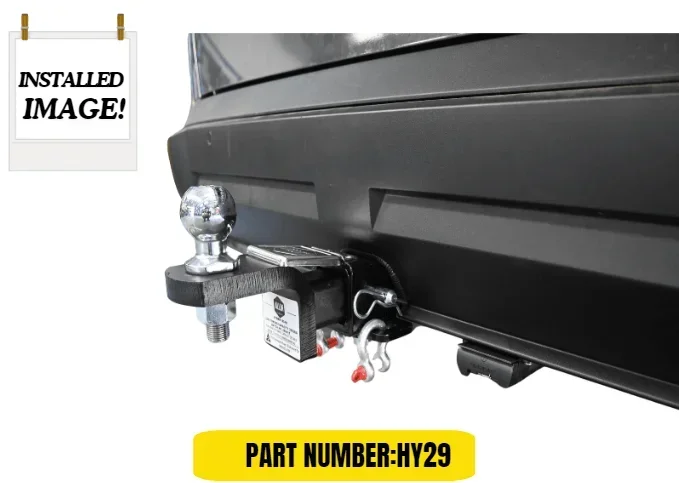
- Choose the right tow bar kit: Buy a tow bar kit designed for your hybrid model. Universal kits may not fit properly. A model-specific kit ensures a secure and safe connection.
- Locate the mounting points: Check your owner’s manual for the rear mounting points. These are usually reinforced areas on the frame or underbody.
- Attach the tow bar base plate: The base plate bolts directly to the mounting points. Use all the bolts and hardware provided in the kit. Do not substitute parts.
- Connect the tow bar to the trailer: The tow bar arm connects to the trailer’s coupling device. Make sure the connection is tight and secure.
- Install the wiring harness: Hybrid vehicles need a proper wiring harness for trailer lights. The harness connects your hybrid’s electrical system to the trailer’s brake lights and turn signals.
- Test everything before driving: Check the tow bar connection, wiring, and trailer lights. Drive a short distance to make sure everything feels stable.
Professional vs. DIY Installation
You can install a tow bar yourself if you have basic mechanical skills. However, hybrid vehicles have high-voltage electrical systems. Working on these systems without proper training can be dangerous. A professional installer understands the risks and knows how to work safely around the hybrid powertrain.
Many tow bar installers specialize in hybrid and electric vehicles. They know the right mounting points and wiring procedures. Professional installation also helps protect your vehicle’s warranty.
Towing Capacity and Limits for Hybrid Vehicles
Every hybrid vehicle has a maximum towing capacity. This number tells you the heaviest load your vehicle can safely pull. Exceeding this limit can cause serious damage to your drivetrain, brakes, and frame.
How Towing Capacity Is Determined
Manufacturers calculate towing capacity based on several factors:
- Engine power: The combined output of the electric motor and gas engine determines how much weight the vehicle can pull.
- Transmission cooling: Towing generates heat. Hybrids with better transmission cooling systems handle towing loads more safely.
- Frame and suspension strength: A stronger frame supports more weight. Hybrid SUVs usually have stronger frames than hybrid sedans.
- Braking system: Larger brakes can stop a heavier loaded vehicle safely.
- Battery and electrical system: The electrical system must handle the extra load from trailer lights and braking systems.
Typical Towing Capacities by Hybrid Type
Here is a general comparison of towing capacities across different hybrid vehicle types:
- Hybrid sedans: Usually 0 to 500 pounds. Most hybrid sedans are not rated for towing at all.
- Hybrid compact SUVs: Typically 1,000 to 1,750 pounds. These are great for pulling small trailers or jet skis.
- Hybrid mid-size SUVs: Usually 1,500 to 3,500 pounds. These vehicles can handle larger trailers and boats.
- Hybrid trucks: Can tow 4,000 to 5,000 pounds or more. Hybrid trucks offer some of the best towing among hybrid vehicles.
Tow Bar Wiring and Electrical Connections
Tow bar wiring is one of the most important parts of the setup. Without proper wiring, your trailer lights will not work. This is dangerous and illegal in most places. Hybrid vehicles add a layer of complexity to the wiring process.
Why Hybrid Wiring Is Different
Hybrid vehicles use a 12-volt electrical system, just like regular cars. But they also have a high-voltage battery system that powers the electric motor. The tow bar wiring must connect only to the 12-volt system. It must never touch the high-voltage components.
Most hybrid vehicles have a dedicated trailer wiring harness. This harness is separate from the high-voltage system. It connects to the rear light sockets and provides power for trailer brake controllers if needed.
Types of Tow Bar Wiring Setups
There are a few common wiring options for tow bar setups:
- Plug-in wiring harness: This is the most common setup. It plugs directly into your hybrid’s rear light socket. It powers the trailer’s brake lights and turn signals.
- Hardwired installation: In some hybrids, the wiring must be connected directly to the vehicle’s wiring system. This requires cutting and splicing wires, which should only be done by a professional.
- Wireless wiring systems: Some advanced systems use wireless technology to send signals to the trailer. These eliminate the need for a physical wiring connection.
Always use wiring that matches your hybrid vehicle’s specifications. Using the wrong wiring can cause electrical faults or damage the hybrid’s control modules.
Safety Tips for Towing with a Hybrid Vehicle
Towing with any vehicle requires attention to safety. Hybrid vehicles add some unique safety considerations. Following these tips will help keep you and others safe on the road.
Essential Towing Safety Practices
- Check your mirrors frequently: A trailer changes how your vehicle handles. You need to see what is behind you at all times.
- Allow extra braking distance: A loaded trailer takes longer to stop. Hybrid regenerative brakes alone may not be enough for heavy loads.
- Distribute weight evenly: Place heavier items over the trailer axles. Uneven weight causes swaying and instability.
- Use a weight-distributing hitch: This helps balance the load between the tow vehicle and the trailer. It improves handling and reduces strain on the hybrid’s rear suspension.
- Check tire pressure on both the vehicle and trailer: Proper tire pressure is essential for safe towing. Under-inflated tires can cause blowouts.
- Never exceed your vehicle’s towing capacity: This is the single most important rule. Going over the limit puts everyone at risk.
Common Mistakes to Avoid
Many drivers make avoidable mistakes when towing with hybrids. Here are some of the most common ones:
- Ignoring the owner’s manual: Your manual contains the exact towing limits for your vehicle. Ignoring it can void your warranty and create safety risks.
- Using the wrong tow bar type: Weight-carrying tow bars and weight-distributing tow bars serve different purposes. Using the wrong one affects handling.
- Skipping the wiring harness: Driving without proper trailer wiring is illegal and dangerous. Other drivers cannot see your brake lights or turn signals.
- Overloading the trailer: Just because your vehicle can tow a certain weight does not mean you should max it out every time. Lighter loads are safer and easier to control.
- Neglecting regular maintenance: Towing puts extra wear on your hybrid’s brakes, transmission, and cooling system. Check these components more frequently when you tow regularly.
Warranty and Legal Considerations for Hybrid Towing
Before you tow with your hybrid vehicle, you need to understand the warranty and legal implications. These factors can affect your costs and your peace of mind.
Does Towing Void Your Hybrid Warranty?
Most hybrid vehicle warranties cover towing-related damage if you follow the manufacturer’s guidelines. If you exceed the towing capacity or install a tow bar incorrectly, the warranty may not cover resulting damage.
Some manufacturers have specific towing warranty terms. These terms outline what is covered and what is not. Always read the warranty document carefully. If you are unsure, contact your dealer and ask directly about towing coverage.
Towing Regulations You Should Know
Towing regulations vary by country, state, and even city. Here are some common rules that apply to hybrid vehicle towing:
- Maximum towing weight limits: Many regions have legal limits on how much weight a vehicle can tow. These limits often depend on the vehicle type and weight class.
- Trailer brake requirements: Larger trailers require their own braking systems. Most jurisdictions require trailer brakes when the trailer exceeds a certain weight.
- Mirror requirements: You may need extended side mirrors if the trailer blocks your rear view.
- Speed restrictions: Some areas have lower speed limits for vehicles towing trailers. Obey these limits for safety.
Check your local regulations before you tow. Staying compliant keeps you safe and avoids costly fines.
Choosing the Right Tow Bar for Your Hybrid Vehicle
Not all tow bars are created equal. Choosing the right one for your hybrid vehicle makes a big difference in safety and performance.
What to Look for in a Hybrid Tow Bar
When shopping for a tow bar, consider these factors:
- Weight rating: The tow bar must be rated for your trailer’s weight. Never use a tow bar with a lower weight rating than your load.
- Material quality: Steel tow bars are strong and durable. Aluminum tow bars are lighter but may not be as robust. Choose based on your towing needs.
- Compatibility: Make sure the tow bar fits your hybrid model. Model-specific tow bars are safer and easier to install than universal ones.
- Ease of use: Some tow bars fold down for easy storage. Others are fixed. Consider how often you will use the tow bar and how you will store it.
- Safety features: Look for tow bars with safety chains, locking mechanisms, and anti-sway features. These add an extra layer of protection.
Popular Tow Bar Brands for Hybrid Vehicles
Several brands specialize in tow bars for hybrid and electric vehicles. Some well-known names include Draw-Tite, Curt, Reese, and Roadmaster. These brands offer model-specific tow bar kits with detailed installation instructions. Always buy from a reputable dealer or manufacturer to ensure quality and safety.
Final Thoughts on Towing with a Hybrid Vehicle
Can you put a tow bar on a hybrid vehicle? Yes, you can in most cases. But it takes the right preparation, the right equipment, and the right knowledge. Your hybrid vehicle is a marvel of modern engineering. It combines electric power with a combustion engine to deliver excellent fuel economy and performance. With the right tow bar setup, you can extend that capability to towing as well.
Always start by checking your vehicle’s towing capacity in the owner’s manual. Choose a tow bar kit that matches your hybrid model. Install it correctly, either yourself or through a professional. Follow all safety guidelines and towing regulations. And never exceed your vehicle’s limits.
Towing with a hybrid vehicle is entirely possible and can be very safe when done right. The key is knowledge and preparation. Take the time to understand your vehicle, invest in quality equipment, and tow responsibly. Your hybrid can handle the job.
Frequently Asked Questions
Can all hybrid vehicles tow with a tow bar?
No, not all hybrid vehicles are rated for towing. Some hybrid sedans and compact cars have no towing capacity at all. Always check your owner’s manual or contact your dealer to confirm whether your specific hybrid model supports towing before installing a tow bar.
Does towing affect a hybrid vehicle’s battery life?
Towing can put extra strain on the hybrid battery and electrical system. The electric motor works harder, which can generate more heat and drain the battery faster. However, most modern hybrid batteries are designed to handle moderate towing loads without significant impact on battery life.
Is it safe to flat tow a hybrid vehicle behind an RV?
Flat towing, also called dinghy towing, is not safe for most hybrid vehicles. The electric motor in a hybrid can generate voltage when the wheels turn, which may damage the electrical system. Always check your owner’s manual for flat-towing recommendations before attempting this.
Do I need a special license to tow with a hybrid vehicle?
In most cases, a regular driver’s license is sufficient for towing with a hybrid vehicle within standard weight limits. However, if you exceed certain weight thresholds, you may need a special license depending on your local laws and regulations. Always check your regional towing requirements.
How much does it cost to install a tow bar on a hybrid vehicle?
The cost varies depending on the tow bar type and whether you install it yourself or hire a professional. A basic tow bar kit ranges from $150 to $500. Professional installation typically adds $100 to $300. Wiring harnesses and additional accessories can add another $50 to $150 to the total cost.
Will towing with a hybrid void the warranty?
If you follow the manufacturer’s towing guidelines, towing should not void your hybrid warranty. However, exceeding the towing capacity or installing a tow bar incorrectly can lead to warranty claims being denied. Always read your warranty terms and consult your dealer if you are unsure about towing coverage.