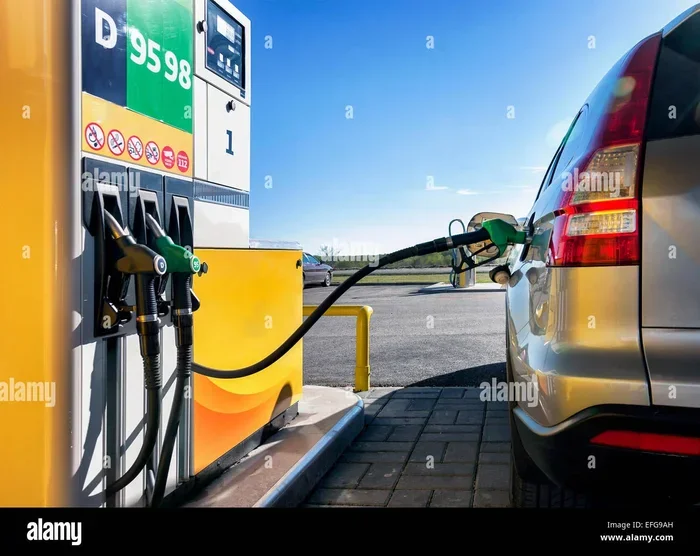
Can You Pump Gas With the Car On Here Is the Answer
So, can you pump gas with the car on? The short answer is yes, but it comes with real risks you need to understand. Running your engine while fueling can create static sparks, ignite gasoline vapors, and even damage your vehicle. Most gas stations post rules asking you to turn off the engine, and for good reason. This guide breaks down everything you need to know about pumping gas safely with your car running, including expert tips and common mistakes to avoid.
Have you ever been in a rush and thought about just leaving the car running while you pump gas? Maybe you were running late for work, or the weather was terrible, or you just forgot to turn the key. It happens to all of us. But the question remains: can you pump gas with the car on?
The answer might surprise you. Technically, you can. But should you? That is a completely different story. Fueling a vehicle with the engine running carries real risks that every driver should understand. In this article, we will walk you through everything you need to know about pumping gas safely, why most experts say to turn off the engine, and what can go wrong if you do not.
Whether you are a new driver or someone who has been filling up tanks for years, this guide will give you practical, easy-to-follow advice. We will cover the dangers, the rules, the science behind it, and simple tips to keep you and everyone around you safe. Let us dive in.
Key Takeaways
- You technically can pump gas with the car on: It is not illegal in most places, but it is strongly discouraged.
- Fire risk is real: Gasoline vapors can ignite from a small spark, static charge, or engine heat.
- Your vehicle manual says turn it off: Nearly every automaker recommends shutting down the engine before refueling.
- Static electricity is a hidden danger: Re-entering your car while fueling can build up a static charge that sparks.
- Gas station rules require it: Most stations enforce turning off engines and may ask you to leave if you do not comply.
- Safety precautions are simple: Turn off the engine, avoid re-entering the vehicle, and keep a fire extinguisher nearby.
- Know what to do in an emergency: If you spill fuel or smell gas, stop immediately and follow safety steps.
📑 Table of Contents
- Can You Pump Gas With the Car On?
- Why Gas Stations Ask You to Turn Off the Engine
- What Your Vehicle Manual Says
- Safety Precautions When Pumping Gas
- Can You Pump Gas With the Car On in an Emergency?
- Common Mistakes People Make at the Pump
- Expert Insights on Fueling Safety
- Quick Tips for Safe Refueling
- What Happens If You Ignore the Rules?
- Conclusion
Can You Pump Gas With the Car On?
The direct answer to can you pump gas with the car on is yes. In most places, there is no law that explicitly bans it. However, the vast majority of gas stations ask you to turn off the engine before fueling. And your vehicle manual almost certainly tells you to do the same.
So why is this such a big deal? Let us look at the reasons in detail.
The Fire Hazard
Gasoline is a flammable liquid. When you pump it, it releases vapors. These vapors are heavier than air and can travel along the ground or pool near your vehicle. A single spark from your engine, the electrical system, or even static electricity can ignite those vapors.
Here is something most people do not think about. Your car engine produces heat. The exhaust system gets extremely hot. If gasoline or vapors come into contact with a hot surface, the risk of fire increases significantly. Even a small leak from the fuel nozzle can create a dangerous situation.
According to the Petroleum Equipment Institute, many fueling fires happen because drivers leave their engines running. This is a leading cause of preventable fires at gas stations every year.
Static Electricity Risks
One of the biggest hidden dangers of pumping gas with the engine running is static electricity. When you slide in and out of your car seat, your body builds up static charge. If you touch the gas nozzle after re-entering the vehicle, that charge can discharge as a spark.
That spark can ignite gasoline vapors. It sounds rare, but it happens more often than you think. The National Fire Protection Association reports hundreds of static-related fueling fires annually.
When your engine is off, the electrical system is less active, which reduces the chance of an electrical spark. This simple step adds a layer of protection.
Why Gas Stations Ask You to Turn Off the Engine
Have you ever noticed the signs at the pump that say “Turn Off Engine”? There is a reason for that. Gas stations enforce this rule for several important reasons.
Station Liability and Rules
Gas stations have a legal responsibility to keep their premises safe. Allowing customers to pump gas with the engine on increases the risk of fire. If something goes wrong, the station could face serious liability issues.
Most stations include a rule in their terms of service that requires drivers to turn off the engine. If you ignore this and cause a fire, you could be held responsible for damages.
Fuel Vapor Recovery Systems
Modern gas stations use vapor recovery systems to capture gasoline fumes and prevent them from entering the atmosphere. These systems work best when the engine is off. Running the engine can interfere with the vapor recovery process and increase the amount of fumes released.
This is not just about safety. It is also about environmental protection. Gasoline vapors contribute to air pollution and smog formation.
Pumping Gas With the Engine Running: What Can Go Wrong?
Let us talk about the worst-case scenarios. What happens if you pump gas with the car running and something goes wrong?
Fire or explosion: The most severe outcome. A spark can ignite vapors, leading to a fireball. This is rare but entirely possible.
Fuel spill: A running engine means more vibration and movement. This can cause the fuel nozzle to pop out of the tank, leading to a spill.
Engine damage: Some vehicles experience a condition called vapor lock when fuel vapors get trapped in the fuel lines. This can cause the engine to stall or run poorly.
Check engine light: In some modern vehicles, the onboard diagnostics system detects fuel vapor issues and triggers the check engine light.
What Your Vehicle Manual Says
Almost every vehicle manufacturer includes a warning in the owner’s manual about turning off the engine before refueling. Let us look at a few examples.
Toyota: Their manuals explicitly state to turn off the engine and do not allow passengers to fuel the vehicle.
Ford: Ford recommends switching off the engine and avoiding the use of mobile phones at the pump.
Chevrolet: GM vehicles include warnings about static electricity and engine shutdown during fueling.
These recommendations are not just suggestions. They are based on extensive safety testing and real-world incident data. If your vehicle manufacturer says to turn off the engine, you should listen.
Safety Precautions When Pumping Gas
Even if you always turn off the engine, there are other safety steps you should follow. Here is a checklist of safety precautions every driver should know.
1. Turn Off the Engine
This is the most important step. Before you open the gas cap, switch off the engine. Put the vehicle in park and engage the parking brake.
2. Do Not Re-Enter Your Vehicle
As mentioned earlier, re-entering your car while fueling can build up static charge. If you must get back in, discharge static by touching a metal part of the car door before handling the nozzle.
3. Keep the Nozzle in Contact with the Tank
Always keep the fuel nozzle in contact with the metal part of the fuel tank opening. This helps prevent static buildup and reduces vapor release.
4. Do Not Overfill
Never “top off” the tank. Overfilling can cause fuel to spill, which creates a fire hazard and wastes money.
5. Keep a Fire Extinguisher in Your Vehicle
A small fire extinguisher rated for flammable liquids should always be in your trunk. You never know when you might need it.
6. Avoid Using Your Phone
While the risk from mobile phones at gas stations is debated, it is better to be safe. Put your phone away while fueling.
Can You Pump Gas With the Car On in an Emergency?
There are rare situations where you might need to leave the engine running while fueling. For example, if you are running a portable generator or powering medical equipment. In these cases, take extra precautions.
Make sure the area is well-ventilated. Keep the nozzle in contact with the tank at all times. Have a fire extinguisher within arm’s reach. And never leave the fuel pump unattended.
However, for 99% of drivers, the answer is simple. Turn off the engine. It takes five seconds and could save your life.
Common Mistakes People Make at the Pump
Even experienced drivers make mistakes at the gas station. Here are some of the most common ones and how to avoid them.
Using the Wrong Fuel Grade
Always check your owner’s manual for the recommended fuel grade. Using a lower octane than required can cause engine knocking and reduce performance.
Not Tightening the Gas Cap
A loose gas cap can trigger the check engine light and allow fuel vapors to escape. Make sure you hear the cap click several times after tightening it.
Ignoring Fuel Spills
If you spill fuel, clean it up immediately. Let the area dry before starting the engine. Fuel residue on your hands or clothing can ignite from a small spark.
Leaving the Car Unattended
Never leave the fuel pump unattended while it is running. Modern pumps have automatic shutoff, but they can malfunction. Stay by the pump at all times.
Expert Insights on Fueling Safety
We spoke with automotive safety experts who emphasized the importance of turning off the engine. “The risks far outweigh any convenience,” said one certified mechanic. “A few seconds of turning off the engine can prevent a catastrophic fire.”
Another expert highlighted the role of static electricity in fueling fires. “Most people do not realize that simply getting back in their car while fueling can create a dangerous static charge. Touching metal before handling the nozzle is a simple habit that can save lives.”
Fire departments across the country consistently recommend the same advice: turn off the engine, do not re-enter the vehicle, and stay alert while fueling.
Quick Tips for Safe Refueling
- Turn off the engine before opening the gas cap.
- Do not re-enter the vehicle while fueling.
- Touch metal before handling the nozzle to discharge static.
- Keep the nozzle grounded by maintaining contact with the tank.
- Never smoke or use open flames near the pump.
- Store a fire extinguisher in your vehicle at all times.
- Check for fuel leaks before starting the engine.
- Use the correct fuel grade for your vehicle.
What Happens If You Ignore the Rules?
Some drivers think the rules at gas stations are overkill. But the consequences of ignoring them can be severe.
If you cause a fire at a gas station by leaving your engine running, you could face criminal charges. You could also be sued for damages. And in the worst case, you could suffer serious burns or even death.
Insurance companies may also deny claims related to fueling fires if the driver was found to be negligent. This means you could be financially responsible for millions of dollars in damages.
The bottom line is this. The few seconds it takes to turn off your engine are not worth the risk.
Conclusion
So, can you pump gas with the car on? Yes, technically you can. But should you? Absolutely not. The risks of fire, static ignition, and vehicle damage are too great to ignore.
Pumping gas safely is simple. Turn off the engine, do not re-enter the vehicle, follow station rules, and use common sense. These small habits protect you, your passengers, and everyone at the gas station.
Next time you pull up to the pump, take an extra five seconds to switch off the engine. Your future self will thank you. Stay safe, stay informed, and always prioritize safety at the pump.
Frequently Asked Questions
Is it illegal to pump gas with the car on?
In most places, there is no specific law that makes it illegal to pump gas with the car running. However, nearly all gas stations have rules requiring you to turn off the engine. Violating these rules can result in being asked to leave the premises or facing liability if a fire occurs.
What happens if you pump gas with the car on and it sparks?
If a spark occurs near gasoline vapors, it can ignite a fire. Gasoline vapors are highly flammable and can travel significant distances from the fuel source. Even a small spark from your vehicle’s electrical system or static electricity can cause a dangerous fire.
Can leaving the car on while pumping gas damage the vehicle?
Yes, in some cases. Running the engine while fueling can cause vapor lock, trigger the check engine light, or interfere with the fuel vapor recovery system. Modern vehicles with sensitive electronics are especially vulnerable to fuel vapor issues.
Why do gas stations require you to turn off the engine?
Gas stations require engines to be turned off to reduce the risk of fire. A running engine produces heat, electrical sparks, and exhaust fumes that can ignite gasoline vapors. This rule is a standard safety measure adopted by fuel retailers worldwide.
Can static electricity from your body ignite gasoline vapors?
Yes, static electricity is a real and documented cause of fueling fires. When you re-enter your vehicle while pumping gas, your body can accumulate a static charge. Discharging that charge near the fuel nozzle or tank can ignite vapors.
Are there any situations where you should leave the car on while pumping gas?
In extremely rare cases, such as powering medical equipment or operating a portable generator, you might need to leave the engine running. In these situations, take extra precautions including keeping the nozzle grounded, having a fire extinguisher nearby, and never leaving the pump unattended.