How Do I Switch the Heating On Before Winter Comes
Switching the heating on in your car before winter arrives is one of the simplest ways to stay safe and comfortable on the road. This guide walks you through every step, from basic dashboard controls to troubleshooting common issues. You will learn how your car heating system works and how to get warm air flowing fast.
Winter is coming. Whether you live in a place where frost hits the windshield overnight or you just feel that first chill in the morning air, now is the time to think about your car’s heating system. Many drivers take their car heater for granted until the first cold morning when nothing comes out but a puff of icy air. That is a frustrating way to start the day.
This guide will show you exactly how to switch the heating on and keep your cabin warm all season long. We will cover the basics, the troubleshooting steps, and the simple maintenance checks you can do at home. By the end, you will feel confident walking up to any car and getting the heat working in no time.
Key Takeaways
- Know Your Controls: Understanding the dashboard knobs and buttons makes it easy to switch the heating on in seconds.
- Check Coolant Levels First: Low coolant is the most common reason car heaters blow cold air.
- Prepare Before Winter: A quick pre-winter check saves you from surprise breakdowns and cold rides.
- Use Defrost Mode Wisely: Switching to defrost clears fog and ice fast while the heater warms up.
- Listen for Warning Signs: Unusual smells or noises mean it is time for a professional inspection.
- Warm Up Properly: Letting the engine idle for a few minutes before driving helps the heating system work better.
📑 Table of Contents
Understanding Your Car’s Heating System
Before you flip any switch, it helps to know what you are working with. A car heating system is actually part of the engine’s cooling setup. It uses the heat that the engine generates during operation and redirects a portion of it into the cabin. This might sound backward, but it is a clever design that has been around for decades.
How the Heating System Works
Here is the simple version. Your engine runs hot. A liquid called coolant (also known as antifreeze) flows through the engine block to absorb excess heat. That warm coolant then travels through a small radiator inside your dashboard called the heater core. A fan, known as the blower motor, pushes air across the heater core and into your cabin. That air warms up and flows through the vent outlets into your car.
So when you switch the heating on, you are really just turning on that fan and directing the warm air where you want it. The dashboard controls let you adjust the temperature, the airflow direction, and the fan speed. It is a simple process once you understand the basics.
Key Components of the Heating System
Several parts work together to deliver that cozy warm air. Here are the main ones:
- Heater Core: The small radiator inside the dashboard that heats the air.
- Blower Motor: The fan that pushes air through the heater core and into the cabin.
- Thermostat: Regulates engine temperature so the system works efficiently.
- Blend Door: Controls how much hot or cold air mixes into the airflow.
- Coolant Hoses: Carry warm coolant from the engine to the heater core.
- Control Panel: The knobs and buttons you use to adjust heat and airflow.
Knowing these parts makes it easier to talk to a mechanic if something goes wrong. It also helps you understand why certain issues happen.
How to Switch the Heating On in Your Car
Switching the heating on is different depending on your vehicle. Older cars use simple knobs. Newer models may have digital climate control screens. But the basic steps are the same across most vehicles. Let us walk through them.
Step-by-Step Instructions
Follow these steps every time you want to get warm air flowing:
- Start the engine. You need the engine running for the coolant to heat up. Do not try to get heat while the car is off.
- Let the engine warm up for 2 to 3 minutes. Watch the temperature gauge on the dashboard. Wait until it moves into the normal range.
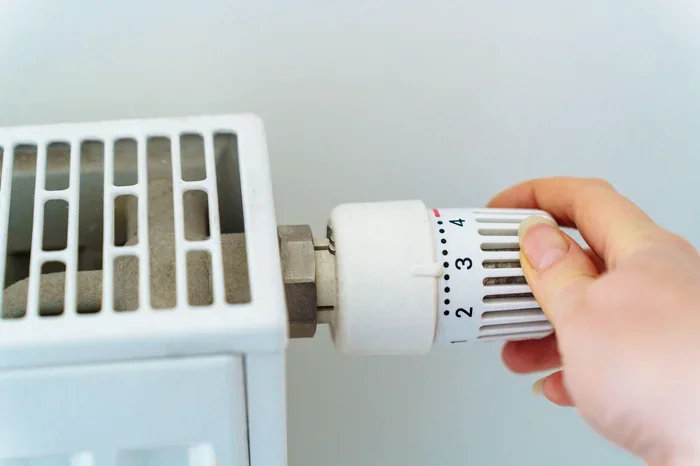
- Set the temperature dial to hot. This is usually the red side of the dial or the “HI” setting on digital controls.
- Turn on the blower fan. Start at a low speed and increase it once warm air starts flowing.
- Choose your airflow direction. You can direct air to the face vents, the floor vents, or the defroster vents.
- Adjust the fan speed. Increase or decrease based on how warm you want the cabin.
That is it. In less than five minutes, you should feel warm air coming from the vents. If you do not, there may be an issue we will cover below.
Common Dashboard Controls Explained
The controls on your dashboard can look confusing at first glance. Here is a quick guide to what each one does:
Temperature Dial or Slider: This controls the blend door. Moving it toward hot lets more warm air through. Moving it toward cold lets more cool air through.
Fan Speed Slider or Knob: This controls the blower motor speed. Higher speeds push more air but use slightly more energy.
Airflow Mode Selector: This button or dial chooses where the air goes. Options usually include face vents, floor vents, windshield defroster, or a combination of these.
Recirculation Button: This button switches between pulling in outside air and recirculating the air already inside the car. Use recirculation mode to warm up faster in cold weather.
A/C Button: Even in winter, you may need to use the air conditioning. The A/C system helps remove moisture from the air, which prevents foggy windows. Do not be afraid to use it in winter.
Troubleshooting When the Heat Won’t Work
Sometimes you switch the heating on and nothing happens. Or maybe the air stays cold no matter what you do. This is frustrating, but it is also very common. Most heating problems have simple causes and even simpler fixes.
Common Heating Problems and Solutions
Here are the most common reasons your car heater might not work and what you can do about each one:
Problem 1: Cold Air When It Should Be Warm
This usually means low coolant. Check the coolant reservoir under the hood. If it is low, top it off with the right type of antifreeze or coolant mixture. If it keeps dropping, you may have a leak that needs professional attention.
Problem 2: No Air Coming From the Vents
This could be a blown fuse or a failed blower motor. Check your fuse box first. If the fuse looks fine, the blower motor may need replacement. This is a common repair and not too expensive.
Problem 3: Weak Airflow Even on High Speed
A clogged cabin air filter can restrict airflow. Check your owner’s manual for the filter location and replace it if it looks dirty. This is one of the easiest and cheapest fixes you can do yourself.
Problem 4: Heater Only Works After Driving for a While
This is often a thermostat issue. A stuck thermostat may not let enough coolant flow to the heater core until the engine reaches a higher temperature. Replacing a thermostat is a simple and affordable repair.
Quick Fixes You Can Try Right Now
Before you visit a mechanic, try these quick fixes:
- Check the coolant level and top it off if needed.
- Make sure the temperature dial is set fully to hot.
- Turn the recirculation button on to trap warm air inside the cabin.
- Check the cabin air filter and replace it if dirty.
- Inspect the blower motor fuse and replace it if blown.
- Run the engine for a few extra minutes to build up heat.
Many heating issues resolve with these simple steps. If the problem persists, it is time for a closer look.
Preparing Your Car for Cold Weather
The best way to handle winter heating issues is to prevent them before they start. A little vehicle maintenance in the fall can save you from a freezing ride all winter long.
Winter Maintenance Checklist
Use this checklist every autumn to make sure your heating system is ready:
- Check the coolant level and condition. Flush and replace old coolant every two years or as recommended by your manufacturer.
- Inspect the thermostat. Make sure it opens and closes properly as the engine warms up.
- Test the blower motor. Run the fan at all speeds and listen for unusual noises.
- Replace the cabin air filter. A clean filter improves airflow and air quality inside the car.
- Check the heater core hoses. Look for cracks, leaks, or soft spots in the rubber hoses.
- Test the defroster. Make sure it clears fog and frost quickly when you switch the heating on.
- Inspect the temperature gauge. Watch for any unusual fluctuations while driving.
Tips for Cold Mornings
Cold mornings can be tough on your heating system. Here are a few tips to make the process smoother:
- Start the engine and let it idle for 2 to 3 minutes. This gives the coolant time to warm up before you start driving.
- Set the temperature to hot and the airflow to defrost. This clears your windshield fast while the cabin begins to warm.
- Avoid turning the heat to maximum right away. Let the system build heat gradually for the best results.
- Use the recirculation mode once the cabin is warm. This keeps the warm air circulating instead of pulling in cold outside air.
These small habits add up over a winter season. They keep your car running smoothly and your cabin comfortable.
Advanced Climate Control Features
Modern vehicles come with impressive climate control technology. These features make it even easier to stay warm in winter. Let us look at what you might find in newer cars.
Automatic Temperature Control
Many newer cars have automatic climate control systems. You simply set your desired temperature and the system handles everything else. It adjusts the fan speed, the blend door position, and the airflow mode automatically to maintain a consistent cabin temperature.
This is a huge upgrade over manual controls. You do not need to keep adjusting knobs or sliders. The system does the work for you. Just tell it how warm you want it and let it do its job.
Heated Seats and Steering Wheels
Some vehicles offer heated seats and heated steering wheels as standard or optional features. These add a layer of comfort that goes beyond just warm air. They warm you directly, which many drivers find more effective than heating the entire cabin.
If your car has these features, use them alongside your heating system for the best comfort. They work especially well on long winter drives when you want to stay cozy.
Remote Start and Pre-Heating
Some cars allow you to start the engine remotely using a key fob or a smartphone app. This lets you switch the heating on from inside your home before you even walk out to the car. The cabin is warm and the windshield is clear by the time you are ready to go.
This is a luxury feature that many drivers come to love once they experience it. If your vehicle supports it, take advantage of it during the cold months.
When to See a Professional
Most heating issues are simple to fix. But some problems need the attention of a trained mechanic. Knowing when to seek help saves you time and prevents small issues from becoming big repairs.
Warning Signs That Mean Professional Help
Watch for these signs that your heating system needs professional care:
- Sweet smell inside the cabin: This often signals a leaking heater core. Coolant leaks can be hazardous and need immediate attention.
- Foggy windows that do not clear: A failing defroster or moisture buildup from a leaking heater core can cause persistent fog.
- Coolant puddles under the car: This indicates a leak somewhere in the cooling system.
- Temperature gauge reading high or low: A malfunctioning thermostat or temperature sensor can cause erratic readings.
- No heat even after all troubleshooting steps: There may be an internal issue like a broken blend door or faulty control module.
Cost Considerations
The cost of heating repairs varies widely. A simple coolant top-off costs very little. Replacing a cabin air filter is also inexpensive. But more complex repairs like a heater core replacement or blower motor swap can range from $150 to $500 or more depending on your vehicle.
Regular vehicle maintenance keeps these costs down. A well-maintained heating system rarely needs expensive repairs. Prevention is always cheaper than cure.
Final Thoughts
Switching the heating on before winter comes is one of the most important things you can do for your comfort and safety. A warm car makes winter driving a much better experience. It keeps you alert, comfortable, and focused on the road.
Take the time to understand your dashboard controls, check your coolant levels, and perform a simple pre-winter inspection. These small steps make a big difference. You will avoid the frustration of a cold cabin and the worry of unexpected breakdowns.
Remember that your car’s heating system is connected to the engine’s cooling system. Taking care of one means taking care of both. Keep your coolant fresh, your heater core clean, and your blower motor running smoothly, and you will be ready for whatever winter throws at you.
Stay warm out there. Drive safe. And enjoy the cozy comfort of a well-heated car all season long.
Frequently Asked Questions
Why does my car heater blow cold air at first?
This is completely normal. The engine needs a few minutes to warm up and push heat through the heater core. Once the coolant reaches operating temperature, warm air will start flowing from the vents.
How often should I check my coolant level before winter?
You should check the coolant level at least once a month during the fall season. Also inspect the color and condition. If it looks rusty or dirty, it is time for a coolant flush and replacement.
Can I drive with a broken heater core?
Technically yes, but it is not recommended. A damaged heater core can leak coolant into the cabin, which is a health hazard due to fumes. It can also cause foggy windows and poor heating performance.
Is it bad to use the A/C while heating the car in winter?
No, it is actually helpful. The A/C compressor removes moisture from the air, which prevents foggy windows. Many drivers use the A/C alongside the heater during winter for clearer visibility.
What should I do if the blower motor stops working?
First check the fuse box for a blown fuse. If the fuse is fine, the blower motor itself may need replacement. This is a common repair and a mechanic can handle it quickly.
How can I make my car warm up faster in winter?
Use the recirculation mode to trap warm air inside the cabin. Also make sure your coolant levels are correct and your thermostat is working properly. These steps help the system build heat more efficiently.
=== CONCLUSION ===
Knowing how to switch the heating on and keep it working all winter is an essential skill for every driver. We covered the basics of your car’s heating system, the step-by-step process to get warm air flowing, and the common issues that can get in the way. You also learned how to prepare your vehicle for cold weather and when to seek professional help.
The key is to be proactive. Do not wait until the first cold morning to find out your heater is not working. Check your coolant, inspect your controls, and replace your cabin air filter before winter arrives. A little preparation goes a long way toward keeping you warm and safe on the road.
Use the tips in this guide to stay ahead of winter. Your comfort and safety depend on a working car heater. Take care of your vehicle, and it will take care of you all season long.