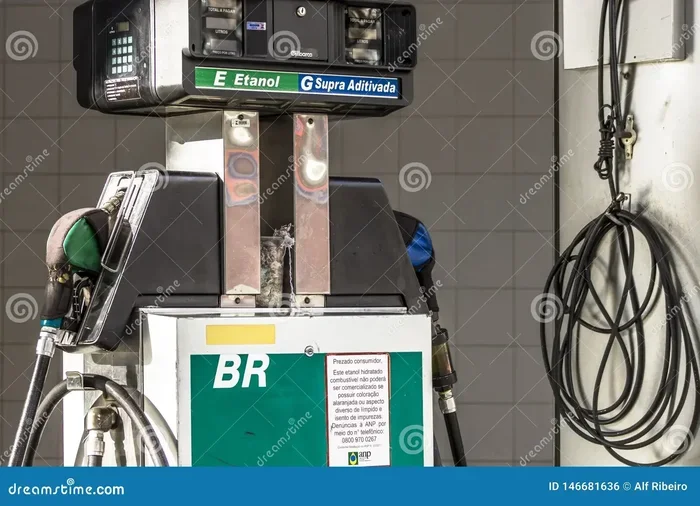
Can You Mix Ethanol and Non-Ethanol Gas in Your Car
Yes, you can mix ethanol and non-ethanol gas in your car without immediate harm. Most modern vehicles handle a blend of these fuels just fine. However, repeated mixing may cause long-term issues like engine knock or fuel system corrosion. Always check your owner’s manual and fuel requirements first.
If you’ve ever wondered can you mix ethanol and non-ethanol gas in your car, you’re not alone. Many drivers face this question at the pump, especially when one fuel type is cheaper or more available. The short answer is yes, you can mix them without causing immediate damage. But there are important details to understand. This guide explains what happens when you blend these fuels, the risks involved, and how to protect your engine.
Ethanol and non-ethanol gasoline are both common at gas stations. Most cars today run on E10 fuel, which contains 10% ethanol. Some stations also offer pure gasoline with no ethanol. Mixing these two types might seem harmless, but it can affect performance, fuel lines, and long-term engine health. Let’s dive into the facts.
Key Takeaways
- Mixing is generally safe: Modern cars can tolerate occasional blending of ethanol and non-ethanol gasoline.
- Check your manual: Your vehicle’s fuel requirements dictate what’s safe to mix.
- Watch for performance issues: Engine knock, rough idling, or reduced mileage can signal a problem.
- Small engines are different: Boats, lawnmowers, and generators may not handle mixed fuels well.
- Use fuel stabilizer: If you store mixed fuel, a stabilizer helps prevent separation and gum buildup.
- Stick to recommended octane: Mixing doesn’t change the octane rating; use the grade your car needs.
- When in doubt, use pure gasoline: Non-ethanol fuel is often better for older vehicles and small engines.
📑 Table of Contents
What Are Ethanol and Non-Ethanol Gas?
Before you decide to blend fuels, it helps to know what each one is. Gas stations sell several types of gasoline, and the ethanol content varies by region and season.
Understanding Ethanol-Infused Fuel
Ethanol is a type of alcohol made from corn, sugarcane, or other plant materials. It’s mixed into gasoline to create oxygenated fuel. This blend burns cleaner and reduces tailpipe emissions. Most regular pump gas in the United States is E10, meaning it contains 10% ethanol and 90% gasoline. Some areas also sell E15 or E85, known as flex fuel. These higher blends are designed for specific vehicles called flex fuel vehicles. E85 can contain up to 85% ethanol. Regular cars should never use E85 unless they are flex fuel models.
The main goal of adding ethanol is to boost the octane rating and reduce air pollution. Ethanol has a higher octane number than pure gasoline, so it helps prevent engine knock. It also supports reformulated gasoline programs that aim for cleaner burning. However, ethanol is hygroscopic, meaning it absorbs water from the air. This can lead to tank condensation and fuel system issues over time.
Pure Gasoline: The Non-Ethanol Option
Non-ethanol gasoline is pure gasoline with no alcohol blended in. You might also hear it called pure gasoline, clear gas, or gasohol (though that term usually refers to ethanol blends). This fuel is often sold at small engines, marinas, and some independent gas stations. It’s popular for boats, lawnmowers, chainsaws, and generators because it doesn’t attract moisture. Biofuel blends like E10 are fine for most cars, but pure gasoline offers different storage characteristics.
Non-ethanol gasoline typically has a slightly lower octane rating than ethanol blends. It also provides a bit less energy per gallon, which can affect fuel economy. But it avoids the corrosive effects ethanol can have on certain materials. The table below compares the two fuels side by side.
| Feature | Ethanol Gas (E10) | Non-Ethanol Gas |
|---|---|---|
| Ethanol Content | Up to 10% | 0% |
| Octane Rating | 87–93 (varies) | 87–91 (varies) |
| Moisture Absorption | High (hygroscopic) | Low |
| Suitable for Most Cars | Yes | Yes |
| Best For Small Engines | Not ideal | Yes |
| Shelf Life (stored) | Shorter (3 months) | Longer (6+ months) |
| Availability | Widely available | Limited; specialty stations |
| Price | Usually cheaper | Often more expensive |
Can You Mix Ethanol and Non-Ethanol Gas in Your Car?
The direct answer is yes. You can pour non-ethanol gasoline into a tank that already contains E10 fuel, or vice versa. The mixture will simply become a different blend. For example, adding pure gasoline to E10 results in a lower ethanol percentage. This is perfectly safe for most modern vehicles. The engine control unit (ECU) adjusts the air-fuel mixture automatically.
What Happens When You Mix Them?
When you mix ethanol and non-ethanol gas, the result is a fuel blend with an ethanol concentration somewhere between 0% and 10%. Your car’s fuel injectors and combustion chamber will burn this mixture just like any other gasoline. The octane level doesn’t change dramatically because both fuels are typically 87 octane. The engine won’t know the difference in the short term.
However, ethanol’s water-absorbing nature can cause problems if the mixture sits for a long time. Water droplets can separate from the fuel and sink to the bottom of the tank. This can lead to water contamination in the fuel lines and carburetor (if your car has one). In fuel-injected cars, the fuel pump and fuel filter may become clogged with debris from this separation.
Is It Safe for Modern Cars?
For cars built after 2001, mixing these fuels is generally safe. Modern fuel systems use rubber seals and gaskets made to withstand ethanol. The engine control module constantly monitors oxygen sensors and adjusts the fuel trim. A one-time blend won’t cause engine damage. But repeatedly mixing large amounts can stress components over many years. Always follow the fuel recommendations in your car manual.
Potential Risks and Problems
While occasional mixing is fine, there are real risks to consider. Understanding these helps you make smarter fueling choices.
Engine Knock and Performance Issues
Engine knock, also called detonation, happens when the air-fuel mixture ignites too early. This can cause a pinging or knocking sound. Ethanol boosts octane, so pure gasoline might have a slightly lower octane in some cases. If you mix a lot of pure gasoline into a tank of E10, you could lower the overall octane. This is rare at the pump, but it can happen if you’re topping off with a lower-octane pure gas. The result is rough idling, hesitation under acceleration, or reduced fuel economy.
Damage to Rubber Components and Fuel Lines
Ethanol is a solvent. It can degrade older rubber seals, gaskets, and fuel lines made from natural rubber. Many cars built before the 1990s used rubber fuel lines that aren’t ethanol-resistant. Mixing ethanol and non-ethanol gas won’t make this worse instantly, but long-term use of E10 in an older car can already cause cracking and leaks. If your car has a carburetor, the ethanol can attack the rubber diaphragm and float valve. This is a common issue with classic cars and small engines like lawnmowers and boats.
Common Mistakes Drivers Make
One big mistake is assuming all gas stations sell the same fuel. Some stations only carry E10, while others offer pure gasoline. Another mistake is ignoring the fuel cap label. Your car’s fuel door or owner’s manual will specify if it requires E10 or if it can handle higher blends. Never put E85 in a non-flex-fuel car. Also, avoid letting your tank run very low on mixed fuel, as this increases condensation risk. Finally, don’t mix ethanol and non-ethanol gas in small engines like chainsaws or snow blowers unless the manual explicitly allows it.
When Mixing Might Be Necessary or Beneficial
There are situations where blending these fuels makes sense or is unavoidable.
Emergency Situations and Low Fuel
Imagine you’re on a road trip and the nearest station only sells E10, but your tank has pure gasoline. Topping off with E10 is perfectly fine. You’re not harming the engine. In an emergency, you should always prioritize getting fuel over worrying about the blend. Running out of gas is far more dangerous than a temporary mix.
Seasonal Fuel Blends and Winter Driving
Gas stations switch between summer blend and winter blend fuels. Winter blends often contain more ethanol because ethanol has a higher vapor pressure, which helps cold starts. If you fill up with winter E10 and your tank has summer pure gas, the mixture adjusts automatically. This seasonal shift is normal and won’t damage your car. Just be aware that winter blends can slightly reduce fuel economy because ethanol contains less energy per gallon.
Expert Tips for Handling Mixed Fuels
Check Your Owner’s Manual First
Your car manual is the ultimate guide. It will tell you the recommended octane rating and whether your fuel system is designed for ethanol blends. Look for phrases like “minimum octane 87” or “use only E10 or lower.” If your manual says that, mixing with pure gasoline is safe. If it says “E85 approved,” then you have a flex fuel vehicle and can use any blend.
How to Minimize Risks
To keep your engine healthy, follow these simple steps. First, try to use the same fuel type consistently. If you start with E10, keep topping off with E10. Second, add a fuel stabilizer if you store your car for more than a month. Stabilizers prevent ethanol from absorbing water and separating. Third, use a fuel filter change at regular intervals. This catches any debris from fuel breakdown. Fourth, avoid running your tank below a quarter full, especially with mixed fuels, to reduce condensation. Finally, if you own an older car with a carburetor, consider using non-ethanol fuel exclusively or replacing rubber parts with ethanol-resistant materials.
Quick Tips for Safe Fueling
- Always check the fuel label on the pump before filling up.
- Keep a note of your car’s recommended octane and ethanol blend.
- Use a fuel stabilizer for seasonal equipment like generators and boats.
- Never mix E85 into a non-flex-fuel car.
- If you notice rough running after mixing, add a bottle of fuel system cleaner.
- Store fuel in airtight, labeled containers made for gasoline.
- When in doubt, choose non-ethanol gas for small engines and classic cars.
Conclusion
So, can you mix ethanol and non-ethanol gas in your car? The answer is a clear yes for most modern vehicles. A one-time blend won’t cause problems, and your engine will run just fine. However, repeated mixing can lead to long-term issues like fuel system corrosion and rubber component degradation, especially in older cars. The best practice is to know your vehicle’s fuel requirements and stick to them as closely as possible. Use pure gasoline when the manual recommends it, and always keep your fuel lines and injectors clean with regular maintenance.
Whether you’re dealing with an emergency top-off or seasonal fuel changes, understanding the basics of ethanol and non-ethanol gasoline gives you confidence at the pump. Protect your car by staying informed, and your engine will reward you with smooth, reliable performance for years to come.
Key Takeaways
- Mixing is generally safe: Modern cars can tolerate occasional blending of ethanol and non-ethanol gasoline.
- Check your manual: Your vehicle’s fuel requirements dictate what’s safe to mix.
- Watch for performance issues: Engine knock, rough idling, or reduced mileage can signal a problem.
- Small engines are different: Boats, lawnmowers, and generators may not handle mixed fuels well.
- Use fuel stabilizer: If you store mixed fuel, a stabilizer helps prevent separation and gum buildup.
- Stick to recommended octane: Mixing doesn’t change the octane rating; use the grade your car needs.
- When in doubt, use pure gasoline: Non-ethanol fuel is often better for older vehicles and small engines.
Can You Mix Ethanol and Non-Ethanol Gas in Your Car if It Has a Carburetor?
Cars with carburetors, especially older models, can be more sensitive to ethanol. Ethanol can dissolve old varnish and gum in the fuel system, potentially clogging jets and needles. Mixing small amounts is usually okay, but it’s best to use non-ethanol fuel in carbureted engines whenever possible. Always inspect rubber floats and seals for wear if you regularly use ethanol blends.
Does Mixing Ethanol and Non-Ethanol Gas Void the Warranty?
Generally, no. Most manufacturers allow E10 and occasional blending with pure gasoline. However, if you use E15 or E85 in a non-flex-fuel car and cause damage, the warranty may not cover repairs. Always refer to your owner’s manual and keep receipts of any fuel-related repairs. Using the recommended fuel type is the safest way to maintain warranty coverage.
How Long Can Mixed Fuel Sit in the Tank?
Mixed fuel is best used within three months. Over time, ethanol absorbs moisture from the air, which can lead to phase separation. This means water and ethanol drop to the bottom of the tank, leaving gasoline on top. If you store a car for a long period, use a fuel stabilizer and fill the tank to minimize air space. For small engines, drain the tank or use non-ethanol fuel for storage.
Is Non-Ethanol Gas Better for Fuel Economy?
Non-ethanol gasoline contains more energy per gallon than ethanol blends. This can translate to slightly better fuel economy, maybe 1–3% more miles per gallon. However, the difference is often small and offset by the higher price of pure gasoline. The actual fuel economy depends on your driving habits, engine condition, and the octane rating of the fuel you choose.
Can You Mix E10 and E15 Gas in a Car?
Yes, mixing E10 and E15 is safe for most cars that are approved for E10 or higher. E15 is approved for model year 2001 and newer vehicles. The blend will simply be between 10% and 15% ethanol. Never mix E15 or E85 into a car that is not flex fuel compatible, as it can cause serious engine damage and trigger the check engine light.
What Should I Do If My Car Runs Rough After Mixing Fuels?
If you notice rough idling, stalling, or a check engine light after mixing fuels, don’t panic. First, check the fuel cap to ensure it’s tight. Then, add a bottle of fuel system cleaner to the tank. If the problem persists, have a mechanic check the fuel filter, fuel injectors, and oxygen sensors. Often, the issue is minor and resolves after a tank of consistent fuel. Keep a log of any fuel-related issues for future reference.
Frequently Asked Questions
What is Can You Mix Ethanol and Non-Ethanol Gas in a Car??
Can You Mix Ethanol and Non-Ethanol Gas in a Car? is an important topic with many practical applications.