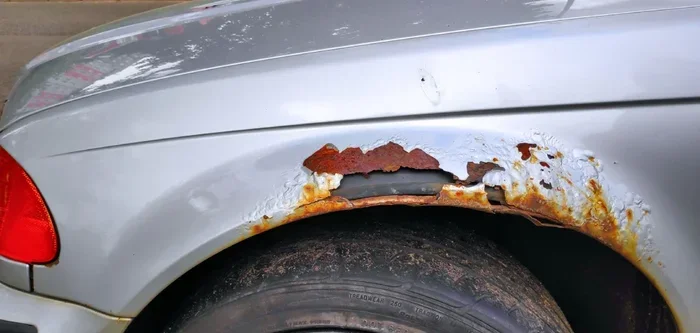
Can You Use Acetone on Car Paint Without Ruining It
Using acetone on car paint can cause serious damage if you are not careful. Acetone is a powerful solvent that can strip away clear coats, remove wax, and leave permanent marks on your vehicle. However, small controlled exposures, like removing sap or adhesive, may be safe if you act quickly and follow the right steps. This guide covers everything you need to know about acetone and car paint so you can protect your vehicle’s finish.
You are working on your car, and you spot a stubborn spot of sap, a sticky residue, or dried nail polish on the hood. Your first instinct might be to grab the acetone sitting in your garage. After all, acetone works wonders on tough messes. But then a thought hits you. Can you use acetone on car paint without ruining it?
This is a question many car owners ask, especially when they face a tough stain or a last-minute cleaning emergency. The short answer is yes, you can use acetone on car paint. But the longer answer comes with a big warning. Acetone is a strong solvent, and it can cause real harm to your vehicle’s finish if you are not careful. In this article, we will walk you through everything you need to know. We will cover what acetone does to your paint, when it is okay to use it, and what safer options you have.
Whether you are a casual car owner or a dedicated car enthusiast, this guide will give you the knowledge to make the right call. We will break it down in simple terms so you do not have to guess. Let us dive in and protect your car’s paint the right way.
Key Takeaways
- Acetone can damage car paint: It dissolves clear coats, removes wax layers, and can cause discoloration if left too long.
- Quick action matters: The longer acetone sits on your paint, the worse the damage becomes.
- Diluted acetone is safer: Mixing acetone with water reduces its harshness on automotive surfaces.
- There are better alternatives: Products like isopropyl alcohol, clay bars, and dedicated auto cleaners work just as well without the risk.
- Always test first: Apply any solvent to a hidden spot before using it on visible areas.
- Wax and sealant help: A good layer of protection can shield your paint from accidental chemical exposure.
- Professional help is an option: If damage occurs, a paint correction specialist can often restore your finish.
📑 Table of Contents
What Happens When Acetone Touches Car Paint?
Acetone is a powerful chemical solvent. It is the main ingredient in most nail polish removers. It is also used in industrial settings for stripping paint and cleaning surfaces. When acetone comes into contact with car paint, it starts to break down the surface on a molecular level. This is not a slow process. It happens fast.
The Science Behind Acetone and Automotive Paint
Car paint is made up of several layers. The base coat gives your car its color. The clear coat sits on top and provides that deep, glossy shine. When acetone touches your paint, it begins to dissolve the oils and resins that hold the clear coat together. This can lead to a cloudy or chalky appearance. In worse cases, it can actually strip the clear coat away entirely.
The damage depends on a few key factors:
- How long the acetone stays on the paint
- The type of paint your car uses
- Whether the paint has been waxed or sealed
- The concentration of the acetone
For example, a quick wipe with a small amount of acetone is less risky than letting it sit for several minutes. Similarly, a freshly waxed surface may resist acetone better than bare, unprotected paint. But none of this means acetone is safe for your car. It simply means the risk level varies.
How Long Can Acetone Sit on Car Paint?
Here is a rule of thumb. If acetone stays on your car paint for more than a few seconds, you are taking a real risk. Even one minute of contact can start to dull the finish. On matte paint finishes, the damage can be even more noticeable. Matte paints do not have the same protective clear coat as glossy paints. This makes them more vulnerable to chemical exposure.
If you accidentally spill acetone on your car, act immediately. Blot the area with a clean microfiber cloth. Do not rub. Rubbing spreads the chemical and increases the damage. Then rinse the spot with water and dry it gently.
Is Acetone Safe for Clear Coat?
The clear coat is the most important protective layer on your car. It shields the base coat from UV rays, dirt, bird droppings, and other environmental hazards. When acetone attacks the clear coat, it weakens this shield. Over time, repeated exposure can cause permanent damage.
Clear Coat Damage: What Does It Look Like?
Clear coat damage from acetone can show up in several ways. You might notice:
- Cloudiness or haze on the paint surface
- Dull spots that do not come out with washing
- Fine scratches that look like swirl marks
- Peeling or flaking of the clear coat
- Color fading in the affected area
Once the clear coat is damaged, it cannot repair itself. You will need professional paint correction or even a full repaint in severe cases. This is why many car detailers strongly advise against using acetone anywhere near your vehicle.
Can You Use Acetone to Remove Clear Coat for Paint Correction?
Some people use acetone intentionally to remove old clear coats before repainting. This is a different scenario. In a controlled environment, like a professional body shop, acetone can be used safely for paint stripping. But this requires skill, protective gear, and proper ventilation. You should never attempt this on your own car at home.
For paint correction at home, stick to safer products. Clay bars, polishing compounds, and dedicated clear coat restorers are much better choices. They remove imperfections without risking chemical damage.
Common Uses of Acetone Around Cars
Even though acetone can damage paint, it does have some practical uses around vehicles. Many car owners keep acetone on hand for specific tasks. The key is knowing where and how to use it safely.
Removing Adhesive and Sticker Residue
One of the most common uses of acetone around cars is removing adhesive residue. Think about those annoying bumper sticker marks or price stickers left on a used car. A small amount of acetone on a cotton ball can dissolve this residue quickly. The trick is to apply it only to the sticky spot and not let it spread to the surrounding paint.
Here is how to do it safely:
- Dip a cotton swab or soft cloth in acetone.
- Apply it directly to the adhesive spot.
- Let it sit for no more than 10 to 15 seconds.
- Wipe away the residue gently with a clean cloth.
- Rinse the area with water and dry it thoroughly.
This method works well for small, targeted areas. But avoid using it on large sections of your car. The more surface area acetone touches, the greater the risk of damage.
Cleaning Paint Splatters from Tools and Surfaces
If you have ever touched up your car’s paint or worked on a nearby project, you know how messy paint can be. Acetone is great for cleaning paint brushes and tools. It can also remove accidental paint splatters from non-paint surfaces like glass or metal trim. Just be very careful not to let it reach your car’s painted body panels.
Removing Tree Sap and Road Tar
Tree sap and road tar are tough contaminants that cling to car paint. Some people reach for acetone to remove them. While acetone can work, it is not the best option. The same harsh solvent action that dissolves sap can also damage your clear coat. There are much safer products designed specifically for sap and tar removal. We will cover those alternatives shortly.
How to Remove Acetone Stains Safely
If you have already used acetone on your car paint and noticed damage, do not panic. There are steps you can take to minimize the harm and restore your finish.
Step-by-Step Acetone Stain Removal
Acting quickly is the most important thing. Here is what you should do:
- Rinse the area immediately. Use lukewarm water to flush the acetone off the surface. Do not let it dry on the paint.
- Wash with car shampoo. Use a gentle automotive soap and a soft microfiber wash mitt. This removes any remaining acetone residue.
- Inspect the damage. Look closely at the affected area. Is it dull? Discolored? Does the texture feel rough?
- Apply a polish or compound. A quality paint polish can often restore minor acetone damage. Work it in with a foam applicator pad.
- Wax or seal the area. After polishing, apply a layer of car wax or paint sealant. This adds protection and restores the shine.
For more serious damage, you may need a professional paint correction service. A detailer can use machine polishers to remove damaged layers and restore a smooth, glossy finish.
When to Seek Professional Help
Not all acetone damage can be fixed at home. If you notice deep etching, clear coat peeling, or large discolored patches, it is time to see a professional. Trying to fix severe damage on your own can make things worse. A skilled paint correction specialist has the tools and expertise to bring your car’s finish back to life.
Better Alternatives to Acetone for Car Cleaning
The good news is that you do not need acetone to keep your car looking great. There are plenty of safer alternatives that work just as well for common cleaning tasks.
Isopropyl Alcohol (Rubbing Alcohol)
Isopropyl alcohol is a gentler solvent than acetone. It is commonly used in automotive detailing for removing grease, oil, and adhesive residue. A 70% isopropyl alcohol solution diluted with water is safe for most car paint surfaces. It evaporates quickly and does not leave behind harmful residues.
Clay Bars and Detailing Clays
Clay bars are one of the best tools for removing contaminants from car paint. They work by gently pulling impurities off the surface without chemicals. You use them with a lubricant spray, and they glide smoothly over the paint. This method is safe, effective, and leaves your paint feeling silky clean.
Dedicated Adhesive Removers
Many automotive brands make adhesive removers that are specifically formulated for car paint. These products are designed to dissolve sticky residues without harming your clear coat. Look for products that are labeled safe for automotive use. Brands like Goo Gone and 3M make popular options that detailers trust.
Paint-Safe Solvents and Cleaners
If you need a stronger cleaning solution, consider a dedicated automotive solvent. Products like tar removers, bug and tar cleaners, and industrial-strength degreasers are formulated to be safe on car paint. They are much better choices than acetone for tough cleaning jobs.
| Product | Best For | Safe on Paint? |
|---|---|---|
| Isopropyl Alcohol (diluted) | Grease, oil, adhesive | Yes |
| Clay Bar | Surface contaminants | Yes |
| Adhesive Remover | Sticky residue, decals | Yes |
| Tar Remover | Road tar, bug splatter | Yes |
| Acetone | Paint stripping, adhesive | Risky |
| Nail Polish Remover (with acetone) | Small spot cleaning | Risky |
Expert Tips for Protecting Your Car’s Paint
Prevention is always better than cure. The best way to protect your car from acetone damage is to keep it away from your paint in the first place. Here are some expert tips to help you do that.
Always Wax or Seal Your Car
A good layer of wax or paint sealant acts as a barrier between your paint and harmful chemicals. If acetone accidentally touches a waxed surface, it is less likely to reach the clear coat directly. This gives you more time to wipe it off before damage occurs. We recommend applying a quality car wax every few months or using a ceramic coating for long-lasting protection.
Store Chemicals Safely
Keep acetone and other strong solvents stored away from your car. Do not leave bottles open in your garage where they can accidentally spill. If you use acetone for other projects, clean up any spills immediately and keep the area well-ventilated.
Test Before You Apply
Before using any cleaning product on your car, test it on a hidden area first. Choose a spot that is not visible, like the underside of a door or behind a wheel well. Apply a small amount and wait a few minutes. If the paint looks or feels different, do not use the product on visible areas.
Use Microfiber Cloths Only
When cleaning your car, always use soft microfiber cloths. Avoid rough towels, paper towels, or old rags. These can scratch your paint and make it more vulnerable to chemical damage. A good microfiber cloth is gentle, absorbent, and safe for your car’s finish.
Keep a Car Care Kit Ready
Having a basic car care kit on hand can save you from reaching for harsh chemicals in a pinch. Your kit should include:
- Car shampoo and a wash mitt
- Microfiber drying towels
- A quality quick detailer spray
- Isopropyl alcohol (diluted) for spot cleaning
- A clay bar for deep cleaning
- Car wax or sealant for protection
With these items ready, you will never need to resort to acetone for everyday cleaning tasks.
Can You Use Acetone on Car Paint? The Final Verdict
So, can you use acetone on car paint? The honest answer is that it is risky. Acetone is a strong solvent that can damage your car’s clear coat, strip away wax, and leave permanent marks on your paint. While a quick, controlled wipe might not cause immediate harm, the risks far outweigh the benefits.
There are so many safer alternatives available today. Isopropyl alcohol, clay bars, and dedicated automotive cleaners do the job just as well without putting your car’s finish at risk. If you do need to use acetone around your car, always take precautions. Work in small areas, act quickly, and rinse thoroughly.
Your car’s paint is one of its most valuable features. It protects the body from rust and corrosion. It gives your vehicle its sleek, polished look. It also affects resale value. Taking care of your paint with the right products and techniques is always worth the effort. Skip the acetone and choose safer, proven methods. Your car will thank you for it.
Remember, when in doubt, consult a professional detailer or automotive expert. They can give you tailored advice for your specific car and paint type. Protecting your investment starts with making informed choices. And now you have the knowledge to do exactly that.
Frequently Asked Questions
Will a small amount of acetone immediately damage my car paint?
A quick, brief touch of acetone is unlikely to cause immediate major damage. However, even a small amount can dull the finish or strip wax if it sits for more than a few seconds. Always rinse the area right away if acetone makes contact with your car’s paint.
Can acetone remove paint from a car?
Yes, acetone can remove paint from a car. It is a powerful solvent that dissolves the resins and oils in automotive paint. This is why it is sometimes used in controlled settings for paint stripping. However, this is not something you should attempt on your own vehicle at home.
Is it safe to use acetone to remove tree sap from car paint?
While acetone can dissolve tree sap, it is not the safest option. The same solvent action that removes sap can also damage your clear coat. Instead, use a dedicated sap remover or isopropyl alcohol diluted with water. These are much safer for your car’s paint.
What should I do if acetone spills on my car paint?
Act fast. Rinse the area immediately with lukewarm water. Then wash it gently with car shampoo and a soft microfiber mitt. If you notice any dullness or discoloration, apply a paint polish and follow up with a layer of wax or sealant to restore protection.
Are there any types of car paint that are more resistant to acetone?
Some modern automotive paints, especially those with hard clear coats, may resist acetone slightly better than older formulations. However, no car paint is truly acetone-proof. Even the most durable finishes can suffer damage from prolonged acetone exposure.
Can I use nail polish remover containing acetone to clean my car?
Nail polish remover contains acetone and other chemicals that are not designed for automotive use. It can damage your car’s clear coat and remove wax layers. Always use products specifically made for car care instead of household chemicals.
=== CONCLUSION ===
Using acetone on car paint is a gamble you do not need to take. While it can work for small, targeted tasks like removing adhesive, the risks to your vehicle’s clear coat and overall finish are significant. The damage it can cause ranges from temporary dullness to permanent etching and clear coat failure. The best approach is to avoid acetone entirely and choose safer, automotive-specific alternatives. Products like diluted isopropyl alcohol, clay bars, and dedicated adhesive removers give you excellent results without putting your paint at risk. Protect your car’s finish with the right tools and knowledge. Your vehicle deserves the best care, and now you have exactly what you need to give it.