Can You Replace Just the Rubber on Windshield Wipers
Yes, you can replace just the rubber on windshield wipers in most cases, and it saves you money compared to buying a full new blade. This guide covers when it works, when it doesn’t, and exactly how to do it yourself. You will learn the simple steps, the tools you need, and expert tips to keep your windshield wipers performing like new.
Have you ever glanced at your windshield on a rainy morning and noticed your wipers leaving streaks? It is a frustrating moment. You squint through the smears, hoping for clear windshield visibility. The thought crosses your mind: can you just swap out the rubber part and skip buying a whole new blade?
The short answer is yes. In many cases, you can replace just the rubber on windshield wipers without replacing the entire arm. This simple fix can save you money and keep your car safe on the road. But not every wiper blade design allows it. Let us walk through everything you need to know, step by step.
Whether you are a DIY beginner or a seasoned car owner, this guide has you covered. We will explain how wipers work, when a rubber-only swap makes sense, and exactly how to do it in minutes. You will also learn common mistakes to avoid and pro tips that extend the life of your wiper blades.
Key Takeaways
- Yes, you can replace just the rubber: Most windshield wiper blades use interchangeable rubber inserts that are easy to swap out.
- It saves you money: Buying a rubber refill costs a fraction of a full new blade assembly.
- Not all wipers support refills: Some modern blade designs use sealed cartridges that cannot be refilled.
- Know your connector type: Bayonet mount, side lock clip, and pin-style are the three most common systems.
- Regular maintenance extends life: Simple habits like cleaning your blades can double their lifespan.
- Watch for warning signs: Streaking, chattering, and squeaking mean it is time to act.
📑 Table of Contents
- How Windshield Wipers Actually Work
- Can You Replace Just the Rubber on Windshield Wipers?
- How to Replace Just the Rubber on Your Windshield Wipers
- Pros and Cons of Replacing Only the Rubber
- Tips to Extend the Life of Your Wiper Blades
- Common Mistakes People Make With Wiper Replacement
- Expert Insights on Wiper Maintenance
- How Often Should You Replace Wiper Rubber?
- Where to Buy Wiper Rubber Refills
- Conclusion
How Windshield Wipers Actually Work
Before diving into the fix, it helps to understand the basic setup. Most people do not think about their wiper blades until they fail. But knowing the parts makes the whole process much clearer.
The Two Main Parts of a Wiper Blade
Every windshield wiper has two core components. The first is the metal arm. This is the long, flexible piece that presses against the glass. The second is the rubber blade itself. This is the flat, rubber strip that actually touches the windshield and clears water, dirt, and debris.
The rubber part does the heavy lifting. It sits inside a plastic or metal channel on the blade assembly. When you turn on your wipers, the arm pushes the rubber across the glass at high speed. Over time, this rubber wears down. It cracks, hardens, and loses its flexibility. That is when streaks start appearing.
Different Types of Wiper Blade Connections
Not all wipers connect the same way. The type of connection determines whether you can replace just the rubber or need a full new blade. Here are the three most common systems you will encounter:
- Bayonet Mount: This is the most common type. The rubber insert slides into the arm and locks with a simple push-and-click mechanism. Most traditional wipers use this system.
- Side Lock Clip: This design uses a small tab or clip on the side of the connector. You squeeze or slide it to release the old rubber and insert a new one.
- Pin-Style Connector: This type uses a small pin that holds the blade in place. It is less common but still found on many older vehicles.
If your wipers use any of these systems, there is a good chance you can swap out just the rubber. Check your owner’s manual or look up your vehicle model to confirm the connector type before buying a refill.
Can You Replace Just the Rubber on Windshield Wipers?
This is the big question, and the answer is: it depends. In most cases, yes. But some modern wiper designs make it impossible. Let us break down exactly when each option works.
When It Makes Sense to Replace Only the Rubber
Replacing just the rubber insert is a great option when the metal arm is still in good shape. If the arm has not bent, rusted, or lost its tension, the rubber is likely the only problem. In this scenario, buying a wiper refill is the smartest move.
Here are clear signs that you only need new rubber:
- The metal arm looks straight and undamaged.
- The wiper still moves smoothly across the glass.
- The rubber is cracked, split, or worn but the connector works fine.
- You notice streaks only at the edges of the blade.
- The wiper makes a chattering sound but does not skip or bounce.
A rubber insert typically costs between $5 and $15 per blade. A full new blade assembly can cost $20 to $50 or more per side. That is a significant savings, especially if you replace wipers twice a year as most experts recommend.
When You Need a Full Blade Replacement
Sometimes, replacing only the rubber is not an option. If the metal arm is bent, corroded, or the connector is damaged, a full replacement is the safer choice. A weak arm does not press the rubber firmly against the glass. This leads to poor cleaning performance no matter how new the rubber is.
Some newer wiper blades also use sealed, proprietary cartridge designs. These blades hide the rubber inside a sleek plastic shell. You cannot access the rubber separately. In these cases, you must replace the entire unit. Brands like Bosch, Rain-X, and Michelin often use these sealed systems in their premium aftermarket wipers.
Also, if your vehicle came with specialty wipers like beam-style or hybrid blades, the rubber may not be sold as a separate part. Always check compatibility before purchasing a refill.
How to Replace Just the Rubber on Your Windshield Wipers
Ready to do it yourself? Replacing the rubber insert is straightforward. You can complete the job in under 10 minutes per blade. Here is exactly what to do.
Tools and Materials You Will Need
You do not need much to get this done. Gather these items before you start:
- The correct rubber refill for your vehicle model. Check the size and connector type.
- A clean microfiber cloth.
- A small flathead screwdriver or plastic pry tool (optional).
- Rubbing alcohol or windshield washer fluid.
Pro tip: Buy the refills from a reputable brand. Cheap rubber inserts wear out quickly and may leave streaks almost immediately. Spending a little more on quality OEM wiper blades refills pays off in the long run.
Step-by-Step Replacement Guide
Follow these steps carefully for a clean, streak-free result:
Step 1: Lift the wiper arm away from the windshield. Gently pull the arm up so it stands upright. Be careful not to let it snap back onto the glass. Wiper arms have springs under tension, and a sudden release can crack the windshield.
Step 2: Locate the locking mechanism. Look at the point where the rubber blade connects to the metal arm. You will see a clip, a tab, or a sliding lock. Refer to your vehicle manual or the old blade to identify the release method.
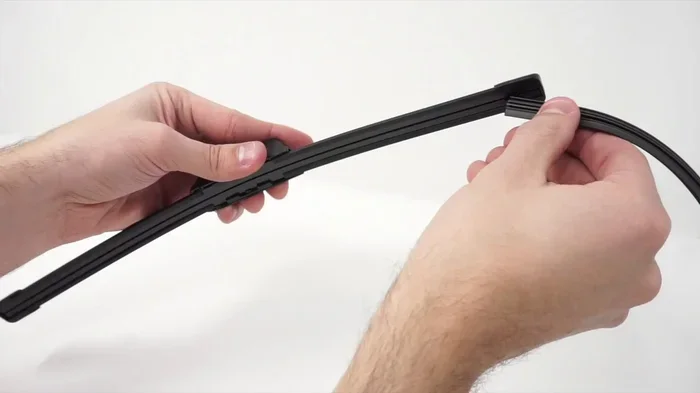
Step 3: Remove the old rubber insert. Press or slide the locking mechanism to release the old rubber. Pull it out gently. If it is stuck, use a small flathead screwdriver to carefully pry it loose. Do not force it or you may damage the arm.
Step 4: Clean the channel and connector. Use a microfiber cloth dampened with rubbing alcohol to wipe down the channel where the old rubber sat. This removes dirt, grime, and old rubber residue. A clean channel helps the new insert seat properly.
Step 5: Insert the new rubber. Slide the new rubber insert into the channel. Make sure it clicks or locks into place securely. Give it a gentle tug to confirm it is firmly seated.
Step 6: Lower the arm back onto the windshield. Gently lower the arm back down. Do not let it drop. Run your fingers along the new rubber to make sure it sits evenly against the glass.
Step 7: Test the wipers. Spray some washer fluid and run the wipers for a few cycles. Check for streaks, skipping, or noise. If everything looks and sounds smooth, you are done!
Quick Tips for a Smooth Installation
- Work on a cool windshield. Hot glass can be unforgiving if the arm snaps back.
- Never let the wiper arm drop freely onto the windshield. Always lower it gently by hand.
- Keep a towel or cloth under the arm in case it slips. This protects your glass from cracks.
- Mark the date of replacement on the rubber with a marker. This helps you track when it is time for the next swap.
Pros and Cons of Replacing Only the Rubber
Like any car maintenance decision, this approach has advantages and limitations. Let us look at both sides honestly.
The Advantages
- Cost savings: A rubber refill costs a fraction of a full blade. Over a year, this adds up to real savings.
- Convenience: Swapping a rubber insert takes minutes. No need to visit a shop.
- Less waste: Reusing the metal arm reduces landfill waste. It is a more eco-friendly choice.
- Familiar setup: If your metal arm is already adjusted perfectly to your windshield curve, keeping it means you keep that perfect fit.
The Disadvantages
- Limited compatibility: Not all wiper models support rubber-only replacement. You may need to search for a specific refill.
- Hidden wear on the arm: If the arm is already weak, a new rubber insert will not fix the underlying problem. You will still get poor performance.
- Shorter warranty: Some manufacturers only warranty full blade assemblies. A standalone rubber insert may not be covered.
- Connector fatigue: Repeatedly removing and reinserting the rubber can wear out the locking mechanism over time.
Tips to Extend the Life of Your Wiper Blades
Replacing the rubber is one thing. Keeping it in great shape longer is another. A little regular maintenance goes a long way toward clear rain visibility and fewer trips to the auto parts store.
Clean Your Blades Regularly
Dirt, tree sap, road grime, and salt all degrade rubber faster than you might think. Once a month, wipe the rubber blades with a damp cloth and a little rubbing alcohol. This removes buildup and keeps the rubber supple. Think of it like washing your car but focusing on the wipers.
Lift the Blades in Winter
If you live in a cold climate, lift the wiper arms away from the windshield during freezing weather. Ice can freeze the rubber to the glass. When you try to run the wipers, this can tear the rubber or damage the motor. Lifting the blades prevents this problem entirely.
Use Your Wipers the Right Way
Always use washer fluid before running the wipers on a dry windshield. Running dry wipers grinds dirt into the rubber and accelerates wear. Also, avoid using the wipers to clear thick ice. Use an ice scraper instead. The wiper motor was not designed to move heavy ice, and the rubber will suffer.
Replace Rubber Every 6 to 12 Months
Even with the best care, rubber degrades over time. UV rays, heat, and cold all break down the rubber compound. As a general rule, plan to replace windshield wipers at least once a year. If you notice any streaking or chattering, do not wait. Swap the rubber immediately to maintain safe driving conditions.
Common Mistakes People Make With Wiper Replacement
Even simple tasks come with pitfalls. Avoid these common errors to get the best results from your wiper blade replacement.
Buying the Wrong Size Refill
This is the number one mistake. Wiper blades come in different lengths, and even a one-inch difference affects performance. The left and right sides of your windshield often need different sizes. Check your owner’s manual or use an online fit guide before ordering.
Forcing the Rubber Into Place
If the new rubber does not slide in easily, do not force it. You may be using the wrong insert or pushing it in at the wrong angle. Double-check the connector type and alignment. Forcing it can damage the channel or the locking mechanism.
Ignoring the Metal Arm Condition
A new rubber insert on a bent or weakened arm will still perform poorly. Inspect the arm for any signs of bending, rust, or loose joints before installing a new insert. If the arm is damaged, replacing the entire blade is the better call.
Skipping the Test Drive
Some people install the new rubber and call it a day. Always test the wipers with washer fluid before driving in the rain. This ensures the rubber is seated correctly and performing as expected.
Expert Insights on Wiper Maintenance
We spoke with several auto maintenance professionals to get their take on rubber-only replacement. Here is what they had to say.
Most mechanics agree that replacing just the rubber on windshield wipers is a smart move for vehicles with standard removable blade designs. It keeps costs low and reduces waste. However, they emphasize inspecting the entire wiper assembly first. If the arm or connector shows any wear, a full replacement is the safer bet.
One technician shared a simple rule of thumb: “If the arm is less than two years old and the rubber is the only issue, go with a refill. If the arm is older than three years, just replace the whole thing.” This practical advice saves time and prevents repeat repairs.
Another expert highlighted the importance of using quality rubber. “Cheap refills feel like a bargain at first, but they harden and crack within months. Spending a few extra dollars on a name-brand insert saves you from doing the job twice.”
How Often Should You Replace Wiper Rubber?
The general recommendation is every six months to one year. However, your driving conditions play a big role. If you park outside in direct sunlight, the UV exposure dries out the rubber faster. If you drive in harsh winters with ice and salt, the rubber wears down more quickly too.
Watch for these warning signs that tell you it is time for a new rubber insert:
- Streaks or smears left on the windshield after wiping.
- A squeaking or chattering noise during operation.
- The rubber appears visibly cracked, split, or warped.
- The wiper skips across the glass in certain spots.
- You need to run the wipers more than once to clear the windshield.
Catching these signs early keeps your windshield visibility sharp and your drives safe. Do not wait until the rubber is completely worn through. By then, you may have already damaged the glass with the exposed metal frame.
Where to Buy Wiper Rubber Refills
Rubber refills are widely available. You can find them at most auto parts stores, online retailers, and even some gas stations. When shopping, look for refills that match your specific wiper blade model. Popular brands that sell quality refills include Anco, Rain-X, Bosch, and Michelin.
Buying online gives you access to a wider selection and often better prices. Just make sure to check the size and connector type before ordering. If you are unsure, bring the old rubber insert to the store and match it up. Most parts store employees can help you find the right fit.
Conclusion
Replacing just the rubber on windshield wipers is absolutely possible for most vehicles, and it is one of the easiest DIY maintenance tasks you can do. It saves you money, keeps your windshield clear, and takes only minutes to complete. By understanding your wiper type, choosing the right refill, and following the simple steps in this guide, you can keep your wiper blades in top shape without spending a fortune.
Remember to inspect your wipers regularly, clean the rubber monthly, and replace the insert at the first sign of wear. These small habits make a big difference in your driving safety. Next time your wipers start streaking, do not rush to buy a whole new set. Grab a rubber refill and try the swap yourself. Your windshield and your wallet will thank you.
Clear visibility is not a luxury. It is a necessity. And maintaining your wipers is one of the simplest ways to protect yourself and others on the road. Take a few minutes today to check your wipers and make the swap if needed. You will be glad you did the next time the rain starts pouring.
Frequently Asked Questions
Can I replace just the rubber on any windshield wiper?
No, not all wiper blades support rubber-only replacement. Traditional wipers with removable inserts work great for this. However, sealed or beam-style wipers with proprietary cartridges usually require a full blade replacement. Check your connector type before buying a refill.
How much does it cost to replace just the rubber on windshield wipers?
A rubber insert typically costs between $5 and $15 per blade, depending on the brand and vehicle model. This is significantly cheaper than a full blade assembly, which can range from $20 to $50 or more per side. It is one of the most affordable car maintenance tasks you can do.
How long does a rubber wiper insert last after replacement?
A quality rubber insert usually lasts between six months and one year. Driving conditions, climate, and how often you use the wipers all affect the lifespan. If you notice streaks or chattering returning, it is time to swap in a new insert.
What tools do I need to replace the rubber on my windshield wipers?
You need very few tools. Just the correct rubber refill for your vehicle, a clean microfiber cloth, and optionally a small flathead screwdriver or plastic pry tool. Rubbing alcohol is also helpful for cleaning the channel before inserting the new rubber.
Is it better to replace the whole wiper blade or just the rubber?
If the metal arm is still in good condition and the connector is not damaged, replacing just the rubber is the better and more affordable option. However, if the arm is bent, rusty, or the locking mechanism is worn out, a full blade replacement ensures better performance and safety.
Can I use any brand of rubber refill for my windshield wipers?
No, you should always match the refill to your specific wiper blade model. Different brands and models use different connector systems and rubber sizes. Check your owner’s manual or the old blade for the correct part number before purchasing a refill.
=== CONCLUSION ===
Replacing just the rubber on windshield wipers is a simple, cost-effective way to maintain clear windshield visibility without spending extra on a full blade replacement. This guide has shown you when it works, how to do it, and what mistakes to avoid. With the right rubber insert, a few basic tools, and a little patience, you can complete this job in minutes from your own driveway.
Make this part of your regular wiper maintenance routine. Check your blades every few months, clean the rubber, and swap out the insert at the first sign of wear. Your safety on wet and rainy roads depends on it. Take action today, and enjoy a clearer view every time you drive.