How Do I Know If My Spark Plugs Need Changing Today
Knowing when your spark plugs need changing can save you money, prevent breakdowns, and keep your engine running strong. Worn spark plugs cause rough idling, poor fuel economy, and hard starting. This guide walks you through every sign, symptom, and step to identify and replace spark plugs with confidence.
Your car tells you when something is wrong. Sometimes it whispers. Sometimes it shouts. When your spark plugs start to fail, your engine sends out plenty of warning signals. The trick is knowing what to listen for and what to look for.
Spark plugs are small but mighty. They create the spark that ignites the air-fuel mixture inside your engine’s combustion chamber. Without working plugs, your engine simply cannot run properly. And when they wear out, you will feel it.
This guide covers everything you need to know. We will walk through the signs, the symptoms, and the simple steps to check your plugs yourself. Whether you are a DIY beginner or just curious about your vehicle, you will find practical advice here.
Let us get into it. Your engine will thank you.
Key Takeaways
- Rough idle and engine misfires are the most common signs your spark plugs need changing.
- Poor fuel economy often points to worn electrodes or fouled plugs.
- Visual inspection can reveal carbon buildup, cracked insulators, or corroded electrodes.
- Replacement intervals vary by plug type, with platinum and iridium plugs lasting longer than copper.
- Using the right tools and torque specs ensures a safe, effective replacement.
- Ignoring worn spark plugs can lead to bigger engine problems over time.
📑 Table of Contents
- What Do Spark Plugs Do and Why Do They Wear Out?
- Signs Your Spark Plugs Need Changing
- How to Visually Inspect Your Spark Plugs
- How Often Should You Replace Spark Plugs?
- How to Replace Spark Plugs at Home
- Common Mistakes to Avoid When Changing Spark Plugs
- When to See a Professional
- How New Spark Plugs Improve Your Engine
- Conclusion
What Do Spark Plugs Do and Why Do They Wear Out?
Before we dive into the signs, it helps to understand the basics. Spark plugs sit in the cylinder head of your engine. Each time your engine fires, a spark plug creates a tiny electrical arc. This arc ignites the compressed fuel and air mixture. That ignition is what powers your engine.
Every single firing wears the plug down a little. Over time, the electrode erodes. Carbon builds up. The gap between the center and ground electrode widens. Eventually, the plug cannot create a strong enough spark.
Several factors speed up this wear. Driving habits matter. So does the type of fuel you use. Engine temperature and the condition of your ignition system also play a role. Short trips where the engine never fully warms up cause extra carbon buildup. Stop-and-go city driving wears plugs faster than steady highway cruising.
The good news? Replacing spark plugs is one of the easiest and most affordable maintenance jobs you can do. You do not need to be a mechanic. You just need to know what to look for.
Signs Your Spark Plugs Need Changing
Your vehicle gives you clear clues when the plugs are going bad. Here are the most common signs to watch for.
Engine Misfires and Rough Running
An engine misfire is one of the top indicators. You might feel a jerking sensation when accelerating. The engine may stumble or hesitate. In some cases, the misfire is so subtle you barely notice it. In others, it is impossible to ignore.
Misfires happen when a spark plug fails to ignite the fuel-air mixture properly. This leaves one or more cylinders firing out of sync. The result? A rough, uneven idle. Your engine might shake at a stoplight or sound rough when running.
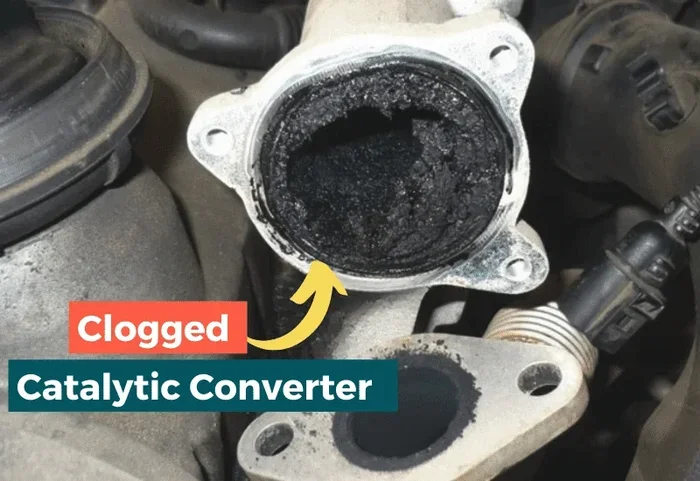
Do not ignore a misfire. Continuing to drive with a misfiring engine can damage your catalytic converter. That repair is expensive. Catching it early saves you a lot of money and headaches.
Difficulty Starting the Engine
Turn the key and nothing happens? Or the engine cranks slowly before catching? Worn spark plugs often struggle to create the spark needed for ignition. This is especially noticeable in cold weather when the engine needs a stronger spark to start.
If your car takes multiple tries to start, your plugs might be the culprit. This is one of the earliest and most obvious signs of spark plug wear. Pay attention to this symptom, especially during winter months.
Rough or Unstable Idle
A healthy engine idles smoothly. If your car vibrates excessively while sitting at a red light or in park, the plugs may not be firing correctly. A rough idle often means one or more cylinders are not getting the spark they need.
Listen to your engine at idle. Does it sound uneven? Does it shake the steering wheel? These are strong signals that it is time to inspect your plugs.
Sluggish Acceleration
Press the gas pedal and expect a responsive surge. If your engine feels slow to react or lacks power, worn spark plugs could be the reason. The air-fuel mixture is not igniting efficiently, which means less power reaches the wheels.
This symptom often gets worse under load. Climbing a hill or carrying a heavy load makes the problem more noticeable. If your engine feels sluggish, do not assume it is just age. Check the plugs first.
Increased Fuel Consumption
Have you noticed you are filling up more often? Poor fuel efficiency is a classic sign of worn spark plugs. When the plugs do not fire properly, the engine compensates by using more fuel to maintain power.
Even a small drop in efficiency adds up over time. If your gas mileage has dropped noticeably, it is worth checking your spark plugs. This is one of those engine performance issues that costs you money every single day.
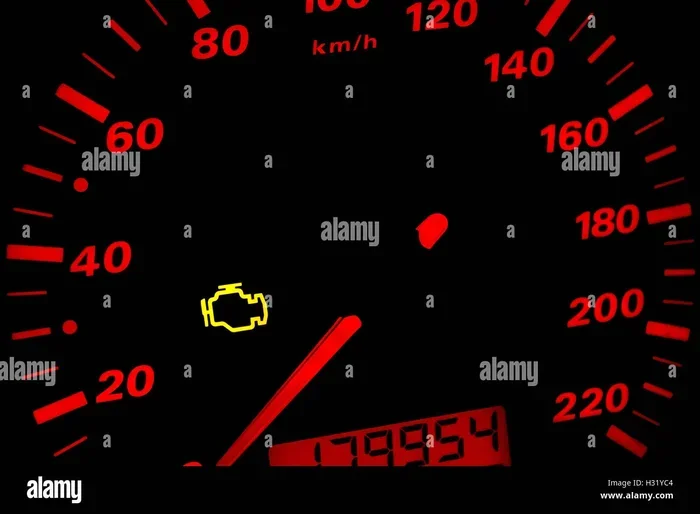
Check Engine Light
The check engine light can mean many things. But a flashing or steady light combined with any of the symptoms above often points to ignition problems. Your vehicle’s onboard diagnostics system detects misfires and logs error codes related to the ignition system.
If the light comes on, do not panic. But do not ignore it either. Use an OBD-II scanner to read the codes. Codes starting with P0300 through P0308 typically indicate cylinder misfires. These are strong clues that your spark plugs need attention.
How to Visually Inspect Your Spark Plugs
A visual inspection tells you a lot about the health of your plugs. You do not need special tools for this. Just a spark plug socket, a ratchet, and a little patience.
Here is how to do it. Make sure the engine is cool. Locate the spark plug wires or coil packs. Remove one plug at a time. This prevents you from losing track of which plug belongs to which cylinder.
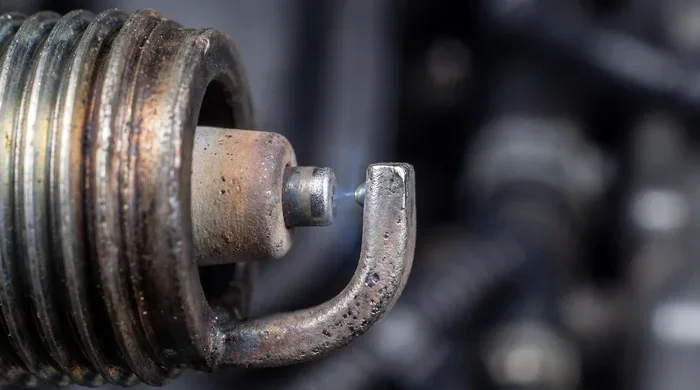
Once removed, examine the plug carefully. Look at the electrode and the insulator nose. A healthy plug has a light tan or grayish color on the electrode. This indicates normal combustion.
Here is what different conditions mean:
- Black, sooty deposits: This indicates carbon buildup. It often comes from running rich fuel mixtures or short trips.
- White or blistered electrodes: This suggests the engine is running too hot. It could point to an overheating issue or incorrect plug gap.
- Wet, oily deposits: Oil is leaking into the combustion chamber. This is a more serious issue that may require engine service.
- Worn or rounded electrodes: The electrode has eroded over time. This widens the spark plug gap and weakens the spark.
- Cracked or chipped insulator: Physical damage to the ceramic insulator can cause misfires.
If you see any of these signs, your plugs need replacing. A quick inspection takes only minutes and gives you a clear picture of your engine’s health.
How Often Should You Replace Spark Plugs?
The replacement interval depends on the type of spark plugs your vehicle uses. Not all plugs are created equal.
Copper Spark Plugs
Copper plugs are the most common and affordable. They typically need replacement every 20,000 to 30,000 miles. The copper electrode wears faster than other materials. If your vehicle uses copper plugs, stay on top of the replacement schedule.
Platinum Spark Plugs
Platinum plugs last significantly longer. They can go 60,000 to 100,000 miles before needing replacement. The platinum tip resists erosion better than copper. Many modern vehicles come equipped with platinum plugs from the factory.
Iridium Spark Plugs
Iridium plugs are the longest lasting. They can endure 100,000 to 120,000 miles or more. Iridium is a harder, more durable material. These plugs also tend to provide a stronger, more consistent spark. They cost more upfront but last much longer.
Always check your vehicle’s owner manual for the recommended interval. Some manufacturers suggest shorter intervals for severe driving conditions. Towing, hauling heavy loads, and extreme temperatures all count as severe conditions.
Quick Tip: When in doubt, replace your plugs a little early. Fresh plugs improve engine performance and prevent unexpected breakdowns. It is better to spend a small amount now than a large amount later.
How to Replace Spark Plugs at Home
Replacing your own spark plugs is one of the most satisfying DIY jobs you can do. It requires minimal tools and no mechanical experience. Here is a simple walkthrough.
First, gather your supplies. You will need a spark plug socket (usually 5/8 inch or 13mm), a ratchet, an extension bar, a torque wrench, and a gap tool. Anti-seize compound and dielectric grease are also helpful.
Follow these steps:
- Make sure the engine is completely cool. Hot plugs can be dangerous and can warp the threads.
- Remove the spark plug wires or coil packs one at a time. Label them or work in order to avoid mixing them up.
- Attach the spark plug socket to the ratchet and carefully loosen the old plug. Turn counterclockwise.
- Compare the old plug to the new one. Make sure the gap matches the manufacturer specification. Use the gap tool to adjust if needed.
- Hand-thread the new plug into the cylinder head. This prevents cross-threading, which can damage the threads.
- Tighten the plug with a torque wrench to the manufacturer’s specification. Over-tightening can crack the threads or the plug.
- Reattach the wire or coil pack. Apply a small amount of dielectric grease to the boot for easier removal later.
- Repeat for each plug.
After replacing all the plugs, start the engine and listen for smooth operation. Take your vehicle for a short test drive. Pay attention to idle quality and acceleration. If everything sounds and feels normal, you did it right.
Quick Tip: Replace your spark plugs one at a time if you are unsure. This way, if something goes wrong, you only have one cylinder to troubleshoot instead of all of them.
Common Mistakes to Avoid When Changing Spark Plugs
Even simple jobs have pitfalls. Here are the most common mistakes people make when replacing spark plugs.
- Using the wrong spark plug: Always match the plug to your vehicle’s specifications. The wrong plug can cause poor performance or engine damage.
- Over-tightening: This is one of the most common errors. Over-tightening can strip the threads in the cylinder head. Use a torque wrench and follow the specs.
- Cross-threading: Always hand-start the plug before using tools. Forcing it cross-threaded can cause expensive repairs.
- Ignoring the spark plug gap: The gap between the electrodes must be set correctly. Too wide or too narrow affects the spark quality and engine performance.
- Mixing up the wires: If your vehicle uses wires, keep them in the correct order. Switching wires between cylinders causes misfires and rough running.
- Forgetting to check the ignition coil: Sometimes the plug is fine, but the ignition coil is failing. If you replaced the plugs and still have issues, check the coils next.
Avoiding these mistakes ensures a clean, effective replacement. It also protects your engine from unnecessary damage.
When to See a Professional
Most spark plug replacements are straightforward. But there are times when professional help makes sense.
If your plugs are stuck or seized in the cylinder head, do not force them. A mechanic has specialized tools to remove stubborn plugs safely. Similarly, if you notice oil or coolant around the plug threads after removal, there may be a deeper issue like a leaking valve cover gasket or head gasket.
Also, if your check engine light stays on after replacing the plugs, something else may be wrong. The misfire could be caused by a faulty ignition coil, a vacuum leak, or a problem with the fuel injectors. A professional diagnosis can pinpoint the real issue.
Expert Insight: Many mechanics recommend having your spark plugs inspected during every oil change. This keeps you ahead of any potential problems and ensures your ignition system stays in top shape.
How New Spark Plugs Improve Your Engine
Fresh spark plugs make a noticeable difference. Here is what changes after a replacement.
- Smoother idle: The engine runs evenly without shaking or vibrating.
- Better acceleration: You get a more responsive throttle and stronger power delivery.
- Improved fuel economy: Efficient combustion means less fuel wasted.
- Easier starting: The engine turns over quickly and starts without hesitation.
- Lower emissions: Complete combustion reduces harmful exhaust output.
- Reduced engine knock: Properly timed sparks prevent the pinging and knocking sounds associated with poor combustion.
The difference is especially noticeable in older vehicles with high mileage. Even newer cars benefit from fresh plugs. Regular replacement is a small investment that pays big dividends in engine performance and reliability.
Bottom line: Do not wait for your engine to tell you something is seriously wrong. Stay proactive with your maintenance schedule. Your wallet and your vehicle will both thank you.
Conclusion
Knowing how to tell if your spark plugs need changing is a valuable skill for every car owner. The signs are there. Rough idle, misfires, poor fuel economy, hard starting, and sluggish acceleration all point to worn plugs. A simple visual inspection can confirm your suspicions. And replacing them is a job you can do yourself with basic tools.
Stay on top of your replacement schedule. Check your plugs regularly. Address any symptoms early. This small maintenance task protects your engine, saves you fuel, and keeps your vehicle running smoothly for miles to come.
Take action today. Your engine will run better tomorrow.
Frequently Asked Questions
How do I know if my spark plugs need changing?
Watch for signs like engine misfires, rough idle, difficulty starting, poor fuel economy, and sluggish acceleration. A visual inspection of the plugs can also reveal carbon buildup, worn electrodes, or cracked insulators. These are the most reliable indicators that your spark plugs need changing.
What happens if I don’t change my spark plugs?
Worn spark plugs cause incomplete combustion, which leads to poor engine performance, higher fuel consumption, and increased emissions. Over time, misfires can damage your catalytic converter and other expensive components. Ignoring worn plugs can eventually lead to a vehicle that won’t start.
Can I drive with bad spark plugs?
You can, but you should not. Bad spark plugs cause rough running, reduced power, and decreased fuel efficiency. Prolonged driving with failing plugs can cause further engine damage, including harm to the catalytic converter and ignition coils.
How long do spark plugs last?
It depends on the type. Copper spark plugs typically last 20,000 to 30,000 miles. Platinum plugs can go 60,000 to 100,000 miles. Iridium plugs last the longest, often 100,000 miles or more. Always check your vehicle’s owner manual for the recommended interval.
Do I need to replace spark plug wires too?
If your vehicle uses spark plug wires, inspect them during plug replacement. Worn or cracked wires can cause the same symptoms as bad plugs. Replace any wires that show signs of damage, cracking, or excessive resistance. Many mechanics recommend replacing wires alongside new plugs for optimal ignition system performance.
Can I replace just one spark plug?
Yes, if only one plug is bad. However, mechanics often recommend replacing all plugs at the same time. This ensures consistent performance across all cylinders. If one plug has worn out, the others are likely close behind. Replacing them all together saves time and prevents future issues.
=== CONCLUSION ===
Spark plugs need changing when you notice the warning signs. Rough idle, misfires, hard starting, poor fuel economy, and the check engine light are all clear signals. Do not wait for a breakdown to take action. Inspect your plugs regularly, follow the replacement schedule, and enjoy a smoother, more efficient ride. Your engine works hard for you. Give it the maintenance it deserves.