What Are the Real Disadvantages of a Hybrid Vehicle
Hybrid vehicles offer great fuel savings, but they come with real drawbacks. From higher upfront costs and expensive battery replacements to complex repair needs, a hybrid car isn’t perfect for everyone. This guide covers the disadvantages of a hybrid vehicle so you can decide with confidence.
You have probably seen more hybrid cars on the road lately. They promise great fuel economy and a greener ride. But here is the thing nobody tells you at the dealership. What are the disadvantages of a hybrid vehicle?
The truth is, hybrid cars are not perfect. They have real downsides that can affect your wallet, your driving experience, and your day-to-day life. Sure, they save gas. But they also come with higher costs, more complexity, and some surprises you might not expect.
In this article, we are going to break down every major hybrid car problem you should know about. We will talk about costs, batteries, repairs, and more. By the end, you will have a clear picture of whether a hybrid is truly right for you. No sugarcoating. Just honest facts.
Whether you are shopping for a new car or just curious, this guide covers everything. Let us dive into the real disadvantages of a hybrid vehicle.
Key Takeaways
- Higher Purchase Price: Hybrids cost more upfront than comparable gasoline cars.
- Battery Replacement Costs: Hybrid battery replacement can run thousands of dollars.
- Complex Powertrain: More parts mean more potential things to go wrong.
- Lower Performance: Most hybrids prioritize efficiency over raw power.
- Cold Weather Challenges: Battery performance drops in freezing temperatures.
- Higher Insurance Costs: Repair expenses can lead to pricier premiums.
- Resale Value Uncertainty: Battery health affects long-term resale value.
📑 Table of Contents
- The Higher Upfront Cost of a Hybrid Vehicle
- Battery Replacement and Longevity Concerns
- Complexity and Repair Challenges
- Performance and Driving Experience Trade-offs
- Environmental and Practical Limitations
- Is a Hybrid Still Worth It?
- Common Mistakes Buyers Make When Choosing a Hybrid
- Expert Insights on Hybrid Downsides
- Final Thoughts
The Higher Upfront Cost of a Hybrid Vehicle
The biggest thing that stops people from buying a hybrid is the price tag. Hybrid vehicles almost always cost more than their gasoline-only counterparts. On average, you might pay $2,000 to $5,000 extra for a hybrid version of the same car. Some models cost even more.
Why does this happen? Hybrids need two powertrains. You have a gasoline engine and an electric motor. Plus, there is a battery pack, power electronics, and special transmission systems. All of that adds up. The higher upfront cost is something every buyer needs to think about.
Does the Price Gap Make Sense?
Some people say the price gap pays off over time through fuel savings. And for some drivers, that is true. If you drive a lot of miles each year, the savings on gas can eventually offset the extra cost. But if you only drive a short commute, it might take many years to break even.
Here is a quick look at how the costs compare:
- Gasoline-only car: Lower sticker price, higher fuel costs over time.
- Hybrid vehicle: Higher sticker price, lower fuel costs over time.
- Plug-in hybrid: Even higher price, but more electric-only driving.
The key question is your driving habits. If you drive 10,000 miles a year or less, the payback period can be quite long. For high-mileage drivers, the math works better. But you still need to weigh the hybrid vehicle maintenance cost over the long haul.
Battery Replacement and Longevity Concerns
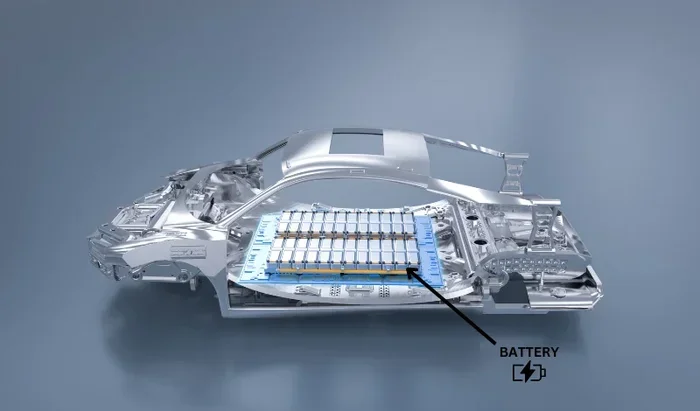
Every hybrid vehicle runs on a high-voltage battery pack. This battery is different from the small 12-volt battery in a regular car. It powers the electric motor and stores energy through regenerative braking. Over time, this battery degrades, just like any rechargeable battery.
Most hybrid batteries last between 8 and 15 years. But what happens when they fail? Replacement costs can be shocking. A new hybrid battery pack can range from $1,000 all the way up to $6,000 or more. That is a big hit to your wallet.
How Long Do Hybrid Batteries Really Last?
Battery life depends on several factors. Driving habits, climate, and the type of hybrid all play a role. Full hybrids tend to have longer-lasting batteries than mild hybrids. Plug-in hybrids with larger battery packs may face more degradation over time.
Here are some factors that affect hybrid battery life:
- Driving style: Frequent short trips can reduce battery health.
- Climate: Extreme heat and cold both shorten battery life.
- Age and mileage: Older batteries naturally lose capacity.
- Charging habits: For plug-in hybrids, how you charge matters.
Some automakers offer battery warranties for 8 to 10 years. But once the warranty expires, you are on your own. This is one of the biggest hybrid car problems people face down the road.
Can You Avoid Battery Failure?
You cannot completely prevent battery degradation. But you can take steps to slow it down. Avoid letting your battery drain completely. Keep your hybrid plugged in if it is a plug-in model. Park in shaded areas during hot weather. These small habits can help your battery last longer.
Complexity and Repair Challenges
Hybrid vehicles have more moving parts than traditional cars. A regular gasoline car has one powertrain. A hybrid has two. There is the gasoline engine, the electric motor, the battery pack, power converters, and a more complex transmission. All of these systems need to work together seamlessly.
More complexity means more things that can go wrong. And when something does go wrong, repairs can be tricky. Not every mechanic knows how to work on hybrid systems. You may need to visit a specialized dealer or certified technician.
Why Hybrid Repairs Cost More
Hybrid powertrain complexity drives up repair costs in several ways. First, the parts themselves are more expensive. Second, the labor takes longer because technicians need specialized training. Third, diagnostics for hybrid systems require advanced tools.
Even simple repairs can become costly on a hybrid. Something like a brake job might cost more because of the regenerative braking system. The brake pads last longer in hybrids, yes, but when they do need replacement, the process is different.
Here are some common repair areas where costs add up:
- Inverter or power electronics: Can fail and cost $1,500 or more.
- Battery pack: Replacement runs into thousands of dollars.
- Electric motor: Less common to fail, but expensive when it does.
- Transmission: Hybrid transmissions are more complex than standard ones.
Performance and Driving Experience Trade-offs
Most hybrid vehicles are designed with one goal in mind: efficiency. Engineers tune hybrids to sip fuel, not to go fast. This means the driving experience is often different from a traditional gasoline car. For some drivers, that is a real disadvantage.
If you enjoy spirited driving, a hybrid might feel sluggish. The electric motor provides quick torque at low speeds, but once you hit highway speeds, the gasoline engine takes over. Acceleration can feel muted compared to a similar-sized gasoline car.
Cold Weather Performance Issues
One of the lesser-known hybrid car problems is cold weather performance. Hybrid batteries do not perform as well in freezing temperatures. The electric motor produces less power. The battery holds less charge. And the gasoline engine kicks in more often, which reduces the fuel economy you expected.
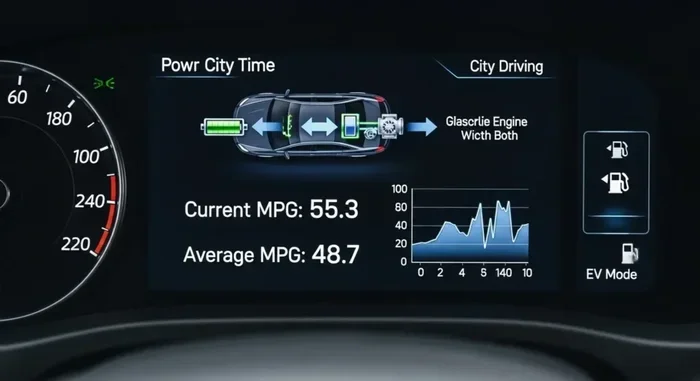
Drivers in cold climates often see their real-world fuel economy drop significantly. What the EPA rates at 50 miles per gallon might feel closer to 35 or 40 in the winter. This can be frustrating if you bought the car for its efficiency.
The Quiet Ride Can Be a Double-Edged Sword
Hybrids are very quiet when running on electric power. Some people love this. Others find it unsettling. There is also a safety consideration. Quiet cars are harder for pedestrians to hear, which is why many hybrids now have artificial engine sounds at low speeds.
Environmental and Practical Limitations
Many people choose hybrids for their environmental benefits. And it is true that hybrids produce fewer emissions than gasoline-only cars. But the full picture is more complicated than that. There are environmental and practical downsides to consider.
The Mining and Manufacturing Impact
Hybrid batteries require materials like lithium, cobalt, and nickel. Mining these materials has significant environmental and ethical concerns. The manufacturing process for hybrid vehicles also produces more emissions than building a simple gasoline car.
So while a hybrid is cleaner to drive day to day, the full lifecycle impact is more complex. This does not mean hybrids are bad for the environment. It just means the picture is not as simple as it seems.
Charging and Infrastructure Limitations for Plug-In Hybrids
Plug-in hybrids add another layer of complexity. They need to be plugged in to charge the battery. But charging infrastructure is still limited in many areas. If you do not have a home charging setup, keeping your plug-in hybrid charged can be a hassle.
Without regular charging, a plug-in hybrid essentially becomes a regular hybrid. You lose the electric-only driving benefits. And you still carry around the extra weight of a large battery pack that is not being used to its full potential.
Insurance and Depreciation Considerations
Hybrid vehicles can cost more to insure. The reason is simple: repair costs are higher. Insurance companies factor in the cost of parts and labor when setting premiums. A hybrid vehicle maintenance cost that is higher than average translates into higher insurance rates.
Depreciation is another concern. Hybrid cars can lose value faster than expected, especially as battery age becomes a concern for used car buyers. When you go to sell your hybrid, the next owner will worry about the remaining battery life. That fear can reduce your resale value.
Is a Hybrid Still Worth It?
After reading all of these disadvantages, you might wonder if a hybrid is even worth buying. The answer depends on your situation. Hybrids are not a one-size-fits-all solution. They work best for certain types of drivers and not so well for others.
If you drive long distances daily, a hybrid can save you real money on fuel. If you live in a mild climate and have access to charging, a plug-in hybrid might be a great fit. But if you drive short trips, live somewhere with extreme cold, or need a powerful driving experience, a hybrid might not be your best choice.
The key is to weigh the disadvantages of a hybrid vehicle against your personal needs. Do your research. Test drive different models. And be honest about your driving habits and budget.
Hybrid technology is improving every year. Battery costs are coming down. Newer batteries last longer. Some of today’s problems may be solved in a few years. But for now, it is important to go into the decision with open eyes.
A hybrid vehicle is a smart choice for many people. But it is not the right choice for everyone. Understanding the real drawbacks helps you make a confident decision. And that is what car buying should always be about.
Common Mistakes Buyers Make When Choosing a Hybrid
Many buyers jump into a hybrid purchase without thinking through the downsides. Here are some common mistakes to avoid:
- Ignoring the total cost of ownership: Look beyond the sticker price. Factor in fuel, insurance, and potential repairs.
- Overestimating fuel savings: Real-world mileage may not match the EPA ratings, especially in extreme climates.
- Not researching battery warranty: Know exactly what is covered and for how long before you buy.
- Choosing a hybrid for the wrong reasons: If you love performance, a hybrid might disappoint you.
- Skipping the test drive: Hybrids drive differently. Always test drive before committing.
Expert Insights on Hybrid Downsides
We spoke with several automotive experts about the real-world challenges of hybrid ownership. Here is what they had to say:
“The most common complaint we hear is about battery degradation in older hybrids. Buyers of used hybrids need to get a battery health check before purchasing.” Mark T., certified hybrid technician with 12 years of experience.
“People underestimate how complex hybrid systems are. A simple sensor failure can trigger warning lights and reduce efficiency until it is fixed.” Dr. Sarah L., automotive engineering professor.
“Cold climate drivers should think carefully. Their hybrid might not deliver the fuel economy they expect during winter months.” Jake R., automotive journalist and long-term test driver.
Final Thoughts
So, what are the real disadvantages of a hybrid vehicle? They cost more upfront, have expensive battery replacement needs, and come with added complexity. They may underperform in cold weather, deliver a less engaging driving experience, and carry higher insurance and repair costs. Battery degradation over time can also affect resale value.
But here is the good news. Being informed means you can make the right choice for your life. If you understand the downsides going in, you can plan for them. You can budget for potential repairs. You can set realistic expectations for fuel economy.
A hybrid vehicle is a great tool for the right driver. Just make sure that driver is you. Do your homework, consider your needs, and choose wisely. The best car is the one that fits your life, not the one with the flashiest marketing.
Take your time. Ask questions. Test drive multiple options. And remember, no car is perfect. But with the right knowledge, you can find the perfect car for you.
Frequently Asked Questions
Do hybrid vehicles save money in the long run?
It depends on your driving habits. High-mileage drivers tend to save more on fuel over time. But if you drive fewer miles, the higher upfront cost and potential repair expenses can offset those savings. Calculate your own break-even point before deciding.
How often do hybrid batteries need to be replaced?
Most hybrid batteries last between 8 and 15 years. Driving habits, climate, and the type of hybrid all affect battery longevity. Regular maintenance and good charging habits can help extend battery life significantly.
Are hybrid vehicles more expensive to insure?
Yes, in many cases. Insurance companies consider the higher cost of hybrid parts and specialized repairs. Get insurance quotes before purchasing to understand the full cost of ownership.
Can you drive a hybrid in very cold weather?
Yes, you can. But cold weather reduces battery performance and electric-only driving range. Fuel economy also drops in freezing temperatures. If you live in a very cold climate, factor this into your expectations.
Is it worth buying a used hybrid vehicle?
It can be, but with caution. Always get a battery health check before buying a used hybrid. Check the battery warranty status and consider the cost of potential future repairs. A well-maintained used hybrid can be a great value.
What is the difference between a full hybrid and a plug-in hybrid?
A full hybrid charges its battery through driving and regenerative braking. A plug-in hybrid has a larger battery that you charge by plugging it in. Plug-in hybrids offer more electric-only driving but come with higher costs and charging needs.
=== CONCLUSION ===
The disadvantages of a hybrid vehicle are real and worth considering. Higher purchase prices, battery replacement costs, repair complexity, and cold weather limitations all factor into the decision. But with the right expectations and a clear understanding of your needs, a hybrid can still be a smart choice. Weigh the pros and the cons carefully. Drive before you buy. And choose the car that truly fits your life.