Want To Know How Can You Tell If Brake Rotors Are Bad
Knowing how can you tell if brake rotors are bad is essential for safe driving. Worn or damaged rotors cause vibrations, noise, and reduced braking power that put you and others at risk. This guide walks you through every symptom, inspection method, and fix so you can spot trouble early and avoid costly repairs.
Your brakes are one of the most important safety systems in your car. When something goes wrong with them, you need to know right away. One of the most common brake problems drivers face is worn or damaged brake rotors. But how can you tell if brake rotors are bad? The good news is that your vehicle gives you plenty of warning signs. You just need to know what to look and listen for.
Brake rotors are the metal discs that your brake pads clamp onto to slow your wheels. Over time, they wear down, warp, or crack. Ignoring bad rotors can lead to longer stopping distances, uneven pad wear, and expensive damage to other brake parts. This article breaks down every sign of bad rotors, how to inspect them yourself, what causes the damage, and when to replace or resurface them. By the end, you will feel confident spotting rotor trouble before it becomes a safety hazard.
Key Takeaways
- Vibrations and pulsation: A wobbly brake pedal is one of the top signs that your rotors are warped or worn out.
- Squealing or grinding sounds: High-pitched squeals or harsh grinding mean your rotors may have scoring or glazing.
- Visual inspection matters: You can check rotor thickness, scoring, and rust at home with basic tools.
- Replacement vs. resurfacing: Not all bad rotors need full replacement — some can be resurfaced if they meet minimum thickness.
- Cost awareness: Brake rotor replacement typically costs between 300 and 800 per axle depending on your vehicle.
- Prevention is simple: Gentle braking, avoiding moisture buildup, and regular inspections extend rotor life significantly.
📑 Table of Contents
- Common Brake Rotor Symptoms You Should Never Ignore
- How to Inspect Your Brake Rotors at Home
- What Causes Brake Rotors to Go Bad
- When to Replace vs. Resurface Brake Rotors
- Brake Rotor Replacement Cost and What to Expect
- Preventing Brake Rotor Problems Before They Start
- Frequently Asked Questions About Bad Brake Rotors
- Conclusion
Common Brake Rotor Symptoms You Should Never Ignore
Your car talks to you. It makes sounds, feels different, and behaves in ways that signal trouble. Brake rotor problems are no exception. Here are the most common symptoms that your rotors are going bad.
Vibrating Brake Pedal
This is the number one sign of warped brake rotors. When you press the brake pedal and feel a pulsing or shaking through the pedal, your rotors are likely uneven. Warped rotors happen when heat builds up too fast. Hard braking on long downhill drives is a common cause. The vibration usually gets worse the harder you brake. If you feel this shaking through the steering wheel too, the front rotors are probably the culprit.
Squealing or Squeaking Noises
A high-pitched squeal when you step on the brakes is a red flag. This sound often means your rotors have a thin layer of glaze on them. Glazing happens from heat and heavy use. Sometimes new brake pads cause squealing too, especially if they are not broken in properly. But if the noise persists after a few hundred miles, your rotors may be the real problem.
Grinding or Scraping Sounds
Grinding is a serious warning sign. It usually means your brake pads are completely worn down and metal is pressing against metal. This will score your rotors deeply. Once a rotor is scored, it cannot always be resurfaced. Grinding can also happen from debris caught between the pad and rotor. Either way, do not ignore this sound. Get your brakes checked immediately.
Longer Stopping Distances
If your car takes longer to stop than it used to, bad rotors could be the reason. Worn or thickly glazed rotors reduce friction. This means your pads cannot grab the rotor efficiently. Longer stopping distances are dangerous, especially in wet conditions or emergency situations. If you notice your brakes feel less responsive, inspect your rotors and pads right away.
Brake Pulling to One Side
Does your car pull left or right when you brake? This can happen when one rotor is worn more than the other. Uneven rotor wear creates uneven braking force. A stuck brake caliper can also cause this issue. Either way, pulling under braking is a safety concern that needs attention fast.
Visible Damage or Excessive Rust
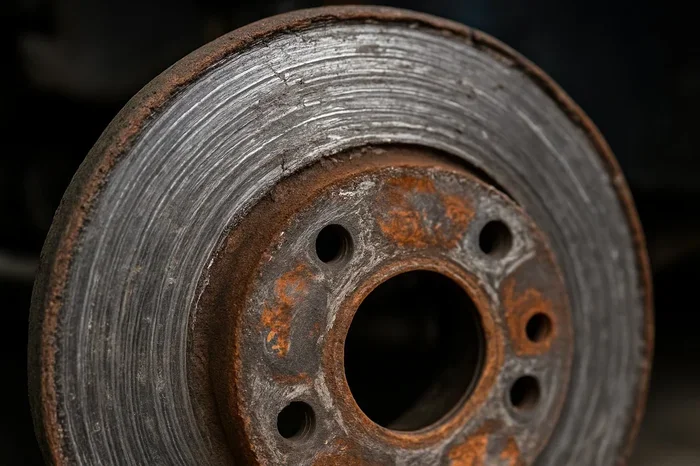
Sometimes you can see the problem just by looking. Deep grooves, scoring marks, or cracks on the rotor surface are clear signs of damage. Surface rust is normal, especially on cars parked outside overnight. But thick rust that eats into the metal is not normal. Excessive rust weakens the rotor and reduces its ability to handle heat and friction.
How to Inspect Your Brake Rotors at Home
You do not need to be a mechanic to check your brake rotors. With a few basic tools and some patience, you can spot early warning signs yourself. Regular inspections help you catch problems before they become expensive repairs.
What You Will Need
- A flashlight or headlamp
- A brake rotor thickness gauge or a micrometer
- A ruler or tape measure
- A jack and jack stands or ramps
- Gloves and safety glasses
Step-by-Step Inspection Process
First, park your car on a flat surface and engage the parking brake. Lift the front wheels off the ground using a jack and secure them on jack stands. Remove the front wheels so you can see the rotors clearly.
Use your flashlight to look closely at the rotor surface. Run your eyes across the face of the rotor. Look for deep grooves, scoring marks, or cracks. Light surface rust is normal, but deep pitting is not. Next, check for blue or purple discoloration on the rotor. This color change happens when the rotor has overheated. Heat damage weakens the metal and can cause warping.
Now use your thickness gauge to measure the rotor. Find the minimum thickness specification in your vehicle owner’s manual or on the rotor itself. Every rotor has a minimum safe thickness stamped on the hat or edge. If your measurement is below that number, the rotor must be replaced. Do not attempt to resurface a rotor that is already at or below minimum thickness.
Finally, check for lateral runout. Place a dial indicator against the rotor face and slowly rotate the wheel. If the indicator shows more than 0.005 inches of movement, the rotor has too much runout. This causes the pulsation you feel in the brake pedal. Excessive runout can sometimes be fixed by indexing the rotor, but replacement is often the safer choice.
Quick Tips for Home Inspection
- Always measure at multiple points around the rotor — thickness can vary across the surface.
- Clean the rotor surface before measuring for the most accurate reading.
- Check both front and rear rotors — rear rotors wear too, especially on vehicles with rear disc brakes.
- Inspect your brake pads at the same time — worn pads accelerate rotor damage.
- Take photos of any damage to share with your mechanic if you need a second opinion.
What Causes Brake Rotors to Go Bad
Understanding the root causes of rotor damage helps you prevent it. Rotors do not just go bad on their own. Something causes them to wear out faster than they should.
Normal Wear and Tear
Brake rotors are designed to wear down over time. Every time you hit the brakes, friction removes a tiny layer of metal from both the pads and the rotors. Over tens of thousands of miles, this adds up. Most rotors last between 50,000 and 70,000 miles, but driving habits and conditions can shorten that lifespan significantly.
Excessive Heat and Hard Braking
Heavy braking generates extreme heat. When rotors overheat, they can warp, glaze, or crack. Drivers who tow trailers, drive in hilly areas, or ride the brakes on long descents are especially prone to heat damage. The blue or purple discoloration you see on overheated rotors is a clear sign of thermal stress.
Worn Brake Pads
When brake pads wear down completely, the metal backing plate grinds directly against the rotor. This causes deep scoring and grooves. Once the rotor surface is damaged this way, resurfacing may not be enough. Replacing pads on time is one of the easiest ways to protect your rotors.
Stuck or Seized Brake Calipers
A caliper that does not slide freely can cause uneven rotor wear. If one caliper piston sticks, it applies constant pressure to one side of the rotor. This creates a wavy, uneven wear pattern. You may notice the rotor is noticeably thinner on one side than the other. Stuck calipers need to be repaired or replaced to prevent ongoing rotor damage.
Moisture and Road Salt
Driving in wet or salty conditions accelerates rotor corrosion. Surface rust forms quickly on exposed rotors, especially on cars parked outside overnight. While light rust wears off with a few brake applications, heavy rust can pit the rotor surface. Vehicles in northern climates or coastal areas face the highest risk of corrosion-related rotor damage.
Improper Torque on Lug Nuts
Lug nuts that are not tightened evenly can warp the rotor over time. Uneven clamping force causes the rotor to sit slightly crooked on the hub. This creates runout and pulsation in the brake pedal. Always use a torque wrench and follow the manufacturer’s sequence when tightening lug nuts.
When to Replace vs. Resurface Brake Rotors
Not every bad rotor needs to be thrown away. In some cases, resurfacing can restore the rotor to safe working condition. But there are clear rules about when replacement is the only option.
When Resurfacing Works
Resurfacing, also called machining, involves shaving a thin layer of metal off the rotor face. This smooths out minor warping, scoring, and glazing. Resurfacing works well when the rotor is still above minimum thickness and has no deep cracks. It is a cost-effective option that extends the life of your rotors and gives your new brake pads a fresh, flat surface to grip.
When Replacement Is Necessary
You must replace a rotor if it is below the minimum thickness specification. A rotor that is too thin cannot dissipate heat properly. It overheats faster and is more likely to crack. Replacement is also required if the rotor has deep cracks, severe scoring that goes below the minimum thickness, or structural damage from a collision. Blue or purple heat damage that affects the entire rotor face is another sign that replacement is the safer choice.
Cost Comparison
Resurfacing a rotor typically costs between 20 and 50 per rotor. Full replacement ranges from 100 to 400 per rotor depending on the vehicle and rotor quality. While resurfacing saves money upfront, keep in mind that resurfaced rotors have a shorter remaining lifespan. If you plan to keep the vehicle for a long time, new rotors may be the better investment. Always ask your mechanic to show you the minimum thickness spec so you can make an informed decision together.
Brake Rotor Replacement Cost and What to Expect
Wondering how much it costs to fix bad rotors? The answer depends on your vehicle, the type of rotor, and whether you do the work yourself. Here is a realistic breakdown of what to expect.
For most passenger cars, replacing a set of front brake rotors and pads runs between 300 and 600 at a repair shop. Rear rotor replacement typically costs slightly less since the rear rotors are often smaller. Luxury vehicles and trucks with larger rotors can push the cost higher, sometimes reaching 800 or more per axle.
If you choose to do the job yourself, you can save on labor costs. Aftermarket rotors are widely available and cost-effective. Premium rotors with coated surfaces or ceramic-coated edges cost more but resist rust and last longer. Ceramic brake pads pair well with quality rotors and produce less dust and noise.
Keep in mind that if you replace only one rotor on an axle, it is best to replace the opposite one too. Mismatched rotors create uneven braking and can cause the car to pull to one side. Always replace rotors in pairs for balanced, safe braking performance.
What the Shop Visit Looks Like
A brake rotor replacement usually takes one to two hours per axle. The mechanic removes the wheel, unbolts the caliper, pulls the old rotor, and installs the new one. They will inspect the caliper slides, piston, and brake hose during the process. New brake pads are typically installed at the same time since worn pads accelerate rotor wear.
Preventing Brake Rotor Problems Before They Start
The best way to deal with bad rotors is to prevent them from going bad in the first place. A few simple habits can add years of life to your brake rotors and keep your braking system performing at its best.
Brake Gently and Gradually
Hard, sudden braking puts enormous stress on your rotors. It generates heat that can warp and glaze the surface over time. Instead, practice smooth, gradual braking whenever possible. Coasting to a stop instead of slamming on the brakes at the last second makes a real difference in rotor longevity.
Avoid Riding the Brakes on Downhills
Many drivers rest their foot on the brake pedal while going downhill. This creates constant friction and excessive heat. Instead, use engine braking by shifting to a lower gear. Let the engine help slow the car down while giving your rotors a chance to cool.
Keep Your Brakes Dry
After driving through water or washing your car, lightly tap the brake pedal a few times while driving slowly. This helps dry the rotor surface and prevents rust from forming in the grooves. It also tests that your brakes are working properly after exposure to moisture.
Stick to a Regular Inspection Schedule
Have your brakes inspected every 10,000 to 15,000 miles as part of routine maintenance. A mechanic can measure rotor thickness, check for runout, and spot early signs of wear before they become serious problems. Catching rotor issues early means cheaper repairs and safer driving.
Use Quality Parts
Cheap, low-quality rotors may save money upfront but often wear out faster and perform poorly. Look for rotors that meet or exceed OEM specifications. Ceramic-coated rotors and high-carbon rotors offer better heat dissipation and longer life. Pair them with quality brake pads from a trusted brand for the best results.
Replace Pads and Rotors Together
Installing new brake pads on old, worn rotors is a common mistake. The new pads need a flat, smooth surface to seat properly. If the old rotor is scored or uneven, the new pads will wear unevenly and may squeal constantly. Always inspect the rotors when replacing pads and replace them as a set if they show signs of wear.
Frequently Asked Questions About Bad Brake Rotors
Can I drive with bad brake rotors?
You should not drive with bad brake rotors if you notice severe symptoms like grinding, deep grooves, or cracking. Mild warping may still allow safe driving for a short distance, but it is best to get them inspected and repaired as soon as possible. Bad rotors increase stopping distance and reduce your control in emergencies, which puts you and everyone on the road at risk.
How long do brake rotors last?
Brake rotors typically last between 50,000 and 70,000 miles, but this varies based on driving habits, vehicle weight, and road conditions. Drivers who brake frequently or tow heavy loads may need to replace rotors more often. Regular inspections help you track rotor wear and plan replacements before they become dangerous.
Can resurfacing brake rotors fix all problems?
No, resurfacing cannot fix every rotor problem. It works well for minor warping, glazing, and light scoring. However, if the rotor is below minimum thickness, cracked, or severely damaged, resurfacing will not make it safe. A mechanic will measure your rotor and let you know whether resurfacing or replacement is the right choice.
Are front or rear brake rotors more likely to go bad?
Front brake rotors typically wear out faster because they handle about 70 percent of your braking force. However, rear rotors can also go bad, especially on vehicles with rear disc brakes or those driven in salty, wet conditions. Always inspect both front and rear rotors during routine brake service.
What is the difference between a warped rotor and a worn rotor?
A warped rotor has an uneven surface that causes pulsation in the brake pedal. This usually happens from heat damage. A worn rotor has lost thickness from normal friction over time. Both cause braking problems, but the fixes differ. Warped rotors can sometimes be resurfaced, while worn rotors that are below minimum thickness must be replaced.
Do ceramic brake rotors last longer than standard rotors?
Ceramic brake rotors and ceramic brake pads often last longer and produce less dust and noise than standard options. The ceramic material handles heat better and resists fading during heavy braking. However, they cost more upfront. If you drive frequently or in demanding conditions, ceramic rotors can be a worthwhile investment in durability and performance.
Conclusion
Knowing how can you tell if brake rotors are bad gives you the power to stay safe on the road. From vibrating brake pedals and grinding sounds to visual inspection and thickness measurements, your vehicle gives you many ways to spot rotor trouble early. Do not ignore the warning signs. The sooner you catch bad rotors, the cheaper and simpler the repair will be.
Regular brake inspections, gentle driving habits, and quality parts go a long way toward keeping your rotors in great shape. Whether you choose to resurface or replace, always prioritize safety over cost savings. Your brakes are the one system in your car that you cannot afford to compromise on. Take care of them, and they will take care of you every time you step on the pedal.
Now that you know the signs, causes, and fixes for bad brake rotors, you are better equipped to handle the problem head-on. Share this guide with a fellow driver who might need it, and make brake maintenance a regular part of your car care routine. Safe driving starts with well-maintained brakes, and well-maintained brakes start with knowing the signs of trouble.