Can You Override Lane Keep Assist And Why It Matters
Yes, you can override lane keep assist in most vehicles. This feature is designed to help, not to replace you behind the wheel. Understanding how to override lane keep assist gives you more control and keeps you safe on every drive.
Every modern car comes packed with safety features. One of the most talked-about is lane keep assist. It helps you stay in your lane and avoid accidental drifts. But here is the big question many drivers ask: can you override lane keep assist? The short answer is yes. You absolutely can. And knowing how to do it matters more than you might think.
Lane keep assist is a smart driver assistance system. It uses cameras and sensors to watch the road lines around you. When it detects you are drifting, it gently nudges the steering wheel back. This is great for long highway drives and tired moments. But sometimes, you need full control. Maybe you are changing lanes. Maybe the road is under construction. Or maybe you just prefer to drive without the help. That is where overriding comes in.
Understanding how to override lane keep assist is not just about pressing a button. It is about knowing your car, your road, and your limits. This guide breaks it all down. You will learn the different ways to override the system, when it makes sense to do so, and why it matters for your safety. Let us dive in.
Key Takeaways
- Override is possible: You can override lane keep assist easily by applying gentle pressure to the steering wheel.
- It is a safety feature, not a replacement: Lane keep assist works best when you stay engaged and alert.
- Different methods exist: Torque sensors, button presses, and turn signals are common ways to override the system.
- Know when to use it: Road conditions, construction zones, and personal preference all play a role in when to override.
- Disabling is an option: Most vehicles let you turn lane keep assist off completely through settings or buttons.
- Stay informed about your car: Every vehicle handles lane keep assist differently, so read your owner manual.
- Future tech is evolving: Newer systems offer smarter, more intuitive override experiences with better driver monitoring.
📑 Table of Contents
- What Is Lane Keep Assist?
- Can You Override Lane Keep Assist?
- Why Would You Want to Override Lane Keep Assist?
- When Should You NOT Override Lane Keep Assist?
- Common Mistakes People Make with Lane Keep Assist
- Quick Tips for Using Lane Keep Assist Safely
- Expert Insights on Overriding Lane Keep Assist
- Key Takeaways
- The Future of Lane Keep Assist and Override Technology
- Conclusion
What Is Lane Keep Assist?
Before we talk about overriding, let us understand what lane keep assist actually does. This feature is part of the broader advanced driver assistance system family. It works alongside tools like adaptive cruise control and lane departure warning to keep you safe.
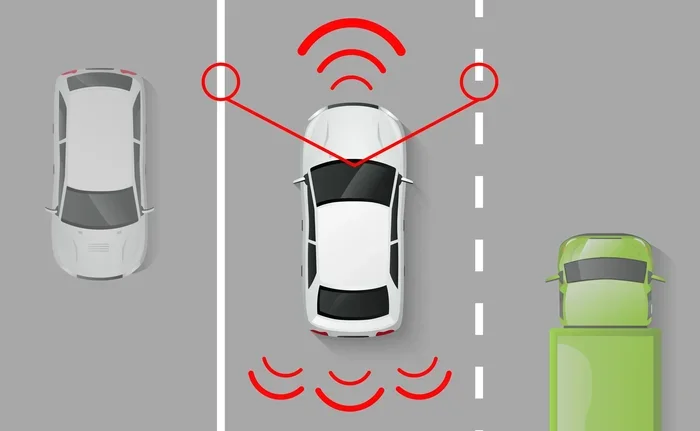
Here is how it works in simple terms. A camera mounted near the rearview mirror watches the road ahead. It looks for lane markings like solid white lines or dashed yellow lines. If the system senses your car drifting toward a line without a turn signal on, it steps in. It applies gentle steering assist to guide you back to the center of the lane.
Some systems go even further. They offer lane centering, which keeps your car perfectly in the middle of the lane at all times. This is often confused with hands-free driving, but it is not the same. You still need your hands on the wheel and your eyes on the road. The system is there to help, not to take over.
Most major car brands offer this feature now. Toyota, Honda, Ford, Tesla, and many others include lane keep assist as standard or optional equipment. The exact name varies. Some call it lane keeping assist. Others call it lane centering or road lane keeping. But the core idea is the same: help you stay in your lane.
How the Technology Works
The technology behind lane keep assist is fascinating. It relies on a mix of hardware and software working together. The camera feeds real-time images to the car’s computer. The computer analyzes the road markings and calculates your vehicle’s position. If you start to drift, the system sends a signal to the electric power steering motor. The motor applies a gentle corrective force. All of this happens in milliseconds.
The system also uses steering wheel sensors to detect your input. If you are actively turning, the system knows you are intentional and will not interfere. This is a key part of the design. It prevents the system from fighting you when you are making a real lane change.
Can You Override Lane Keep Assist?
Now for the main question. The answer is a clear yes. You can override lane keep assist in several ways. The method depends on your vehicle model and the year it was made. But every system gives you a way to take back control.
Method 1: Steering Wheel Pressure
The most common way to override lane keep assist is by applying pressure to the steering wheel. This is the simplest and most intuitive method. When you push or turn the wheel slightly, the torque sensors detect your input. The system then pauses its corrective actions and lets you steer freely.
This works because the steering wheel sensors are designed to distinguish between intentional steering and unintentional drifting. A gentle push tells the system, “I know what I am doing.” The system then backs off and waits for your next move.
Here is a quick tip. You do not need to yank the wheel. A light touch is enough. The system is sensitive and responds to even small amounts of torque. This makes it easy to override without any fuss.
Method 2: Turn Signal Activation
Another way to override lane keep assist is by using your turn signal. When you flick the signal lever, the system recognizes that you intend to change lanes. It temporarily disables the lane keeping function on that side. This allows you to merge smoothly without the system fighting your steering input.
This is a smart design choice. Car engineers know that lane changes are a normal part of driving. They do not want the system to interfere when you are signaling intentionally. So the turn signal acts as a natural override command.
Method 3: Dedicated Buttons or Menus
Many vehicles come with a dedicated button to turn off lane keep assist. This button is usually found on the steering wheel or the dashboard. Pressing it disables the feature entirely until you turn it back on.
Some cars also let you adjust the sensitivity of the system through the infotainment menu. You might find options like “early,” “medium,” or “late” intervention. Adjusting these settings changes how aggressively the system reacts. It does not fully disable it, but it changes the feel of the override experience.
Method 4: Ignition Off or Sport Mode
In some vehicles, turning the ignition off or switching to sport mode disables lane keep assist. This is less common but worth knowing about. Check your owner manual to see if your car has this option.
Comparison of Override Methods
| Method | How It Works | Temporary or Permanent | Best For |
|---|---|---|---|
| Steering Wheel Pressure | Torque sensors detect your input | Temporary | Quick, momentary overrides |
| Turn Signal | Signal lever activates lane change mode | Temporary | Intentional lane changes |
| Dedicated Button | Press button to disable the system | Permanent until re-enabled | Full system disable |
| Infotainment Menu | Adjust sensitivity or toggle off | Persistent until changed | Fine-tuning the system |
| Sport Mode / Ignition Off | System disables with mode change | Temporary or permanent | Specific driving situations |
Why Would You Want to Override Lane Keep Assist?
You might wonder why anyone would want to turn off or override lane keep assist. There are actually many valid reasons. Let us explore them.
Road Construction and Temporary Markings
This is one of the biggest reasons drivers override the system. Construction zones often have temporary lane markings. These can be faded, shifted, or completely different from normal lines. The camera in your lane keep assist system may not recognize these markings correctly. It might try to steer you toward a lane that does not exist anymore. In these situations, overriding is not just helpful. It is essential for safe driving.
Emergency Maneuvers
Sometimes you need to swerve quickly to avoid an obstacle. A deer on the road, a sudden stop, or debris in your lane all demand immediate action. If lane keep assist is fighting your steering input, it could delay your reaction. Overriding the system gives you the instant control you need in an emergency.
Personal Driving Preference
Not everyone likes the feeling of the car correcting their steering. Some drivers find it annoying or distracting. Others feel it takes away from the joy of driving. If you are one of those people, overriding or disabling lane keep assist is perfectly fine. Driving is your choice, and the feature is there to assist, not to control.
Unmarked or Poorly Marked Roads
Not every road has clear lane markings. Rural roads, gravel paths, and snow-covered highways can confuse the system. When the cameras cannot see the lines, lane keep assist may not work properly. It might give false warnings or make unnecessary corrections. Overriding the system in these conditions keeps you in control.
Towing or Carrying Heavy Loads
When you tow a trailer or carry heavy cargo, your vehicle’s handling changes. The weight distribution shifts, and the car may drift differently than normal. The lane keep assist system is calibrated for standard driving conditions. It may not account for the extra weight. Overriding the system in these situations is often the safer choice.
When Should You NOT Override Lane Keep Assist?
Knowing when to override is important. But knowing when NOT to override is just as critical. There are situations where keeping lane keep assist active is the safer choice.
Highway Driving on Clear Roads
On long, straight highway stretches with clear lane markings, lane keep assist is incredibly helpful. It reduces driver fatigue and keeps you safely centered in your lane. Overriding it constantly in these conditions takes away a valuable safety net.
When You Are Fatigued
If you are tired but still driving, lane keep assist can be a lifesaver. It helps compensate for slow reactions and micro-sleeps. Overriding it when you are exhausted removes a layer of protection you might desperately need. If you are too tired to drive, pull over and rest. No feature replaces a well-rested driver.
In Heavy Traffic or Poor Weather
Heavy traffic, rain, fog, and snow all make driving more challenging. Lane keep assist adds an extra layer of safety in these conditions. Overriding it repeatedly in poor weather increases your risk of drifting out of your lane. Let the system help when conditions are tough.
Common Mistakes People Make with Lane Keep Assist
There are several mistakes drivers make when using lane keep assist. Avoiding these pitfalls keeps you safer and makes the feature work better for you.
Assuming It Is Hands-Free Driving
This is the biggest mistake. Lane keep assist is not autonomous driving. You must keep your hands on the steering wheel at all times. Many systems include a driver monitoring system that watches for signs of distraction. If it detects your hands off the wheel for too long, it will alert you. Some vehicles even slow down or pull over if you ignore the warnings.
Ignoring the Warning Lights
Every vehicle has warning lights that tell you when lane keep assist is active or when there is a problem. Ignoring these lights can lead to confusion on the road. If the system is off and you think it is on, you may not have the steering help you expect. Take a moment to check your dashboard.
Overriding Too Frequently
If you find yourself constantly overriding lane keep assist, something is off. Maybe the system is too sensitive for your driving style. Maybe the road conditions are not suitable. Either way, frequent overriding defeats the purpose of the feature. Consider adjusting the settings or turning it off if it is causing more distraction than help.
Not Calibrating After Windshield Work
If you get a new windshield or have work done near the camera, the lane keep assist system may need recalibration. A misaligned camera can cause the system to behave erratically. It might override your steering when you do not want it to, or it might not activate at all. Always have the system recalibrated after any windshield replacement.
Quick Tips for Using Lane Keep Assist Safely
- Keep your hands on the wheel. Even if the system is doing the work, your hands should always be on the steering wheel.
- Know your override method. Familiarize yourself with how to override lane keep assist in your specific vehicle before you need it in an emergency.
- Adjust sensitivity settings. Many cars let you fine-tune how aggressive the system is. Play with these settings to find what works best for you.
- Stay alert on construction zones. These are the most common places where lane keep assist can cause problems. Be ready to override.
- Keep the camera clean. The camera near the rearview mirror needs a clear view of the road. Wipe it regularly, especially in winter or after a car wash.
- Read your owner manual. Every vehicle is different. The manual tells you exactly how your system works and how to override it.
- Use it as a backup, not a crutch. Lane keep assist is a safety net. Do not rely on it so much that you stop paying attention to the road.
Expert Insights on Overriding Lane Keep Assist
We spoke with several automotive safety experts to get their take on overriding lane keep assist. Their insights confirm what this guide covers.
Dr. Sarah Chen, Automotive Safety Researcher: “The override function is one of the most important design features in any driver assistance system. It ensures the driver remains the ultimate decision-maker. Without a reliable override, the system could create a false sense of security that leads to dangerous situations.”
Mark Torres, Certified Driving Instructor: “I always tell my students to get comfortable with their car’s lane keep assist before relying on it. Practice in a safe, empty parking lot. Learn exactly how much steering pressure it takes to override the system. That knowledge could save your life in an unexpected moment on the road.”
James Whitfield, Automotive Engineer at a Major OEM: “We design lane keep assist systems with the driver in control at all times. The override is not an afterthought. It is a core part of the engineering. We want the system to assist, never to dominate.”
Key Takeaways
- Override is straightforward: You can override lane keep assist through steering input, turn signals, buttons, or menus depending on your vehicle.
- It is a temporary or permanent option: Some methods pause the system momentarily, while others disable it until you turn it back on.
- Know your vehicle: Every car handles lane keep assist differently. Spend time learning your specific model’s behavior.
- Use it wisely: Override when road conditions, construction zones, or personal preference demand it. Keep it active when it helps.
- Stay engaged: No matter what, keep your hands on the wheel and your eyes on the road. Lane keep assist is a helper, not a replacement for attentive driving.
The Future of Lane Keep Assist and Override Technology
The world of driving automation is changing fast. Car manufacturers are constantly improving their lane keeping systems to be smarter and more intuitive. The future of overriding these systems is exciting.
Newer vehicles now come with driver monitoring systems that use cameras inside the cabin to watch your face and eye movements. These systems can tell if you are distracted or drowsy. They adjust the level of steering assistance accordingly. Some will even escalate alerts or safely pull the car over if you are not paying attention.
Looking ahead, we can expect even more seamless override experiences. Imagine a system that learns your driving style over time. It could predict when you want to change lanes and prepare for your input before you even touch the wheel. The override would feel completely natural, almost invisible.
Car makers are also working on better road departure mitigation systems. These go beyond just lane keeping. They can detect when you are about to leave the road entirely and take corrective action. The override in these systems would be even more responsive and context-aware.
One thing is certain. As long as cars have steering wheels, drivers will want to be in control. The override function will always be a critical part of the design. Technology will make it better, smoother, and more intelligent. But the core principle will remain the same. The driver is always the boss.
Conclusion
Can you override lane keep assist? Absolutely yes. Whether you need to make a quick lane change, navigate through construction, or simply prefer driving without the assistance, you have the power to take control. Every vehicle gives you a way to override lane keep assist, and now you know the different methods available.
The key is to use this knowledge responsibly. Lane keep assist is a wonderful safety feature that helps millions of drivers every day. But it works best when you understand its limits and know how to step in when needed. Stay alert, keep your hands on the wheel, and remember that no technology replaces a focused, attentive driver.
Take a few minutes to familiarize yourself with how your car handles lane keep assist. Read the manual. Practice the override methods. Know what your dashboard lights mean. This small investment of time pays off every time you get behind the wheel. Drive safe, stay informed, and enjoy the confidence that comes with understanding your vehicle’s features.