Can Police Search Your Car Without a Warrant Explained
Can police search your car without a warrant? In many cases, yes — but there are strict rules they must follow. The Fourth Amendment protects you from unreasonable searches, yet courts have carved out exceptions for vehicles. Knowing your constitutional rights during a traffic stop can make a huge difference. This guide breaks down every legal scenario, your options, and how to stay safe.
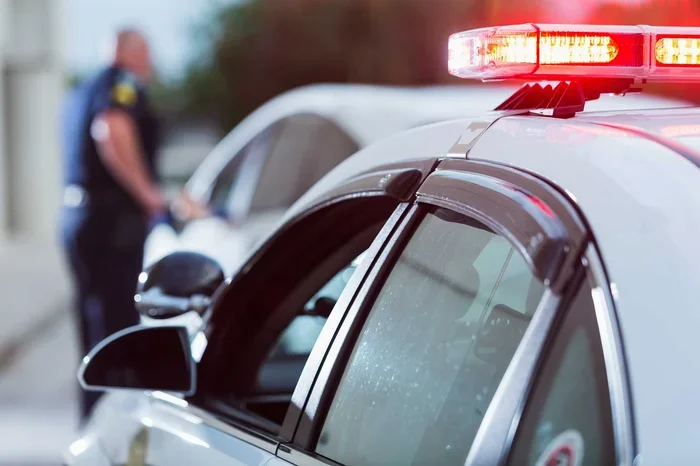
You are driving home after a long day. A police cruiser pulls you over. The officer asks if they can look inside your car. Your mind races. Can police search your car without a warrant? This question crosses the minds of millions of drivers every year. The answer is not a simple yes or no. It depends on the situation, the law, and your rights.
Understanding search and seizure law can feel overwhelming. Most people do not know what police can and cannot do during a traffic stop. The good news is that you have more rights than you might think. This article breaks it all down in plain, simple language. You will learn exactly when police need a warrant, when they do not, and how to protect yourself.
Let us start with the basics. The Fourth Amendment to the U.S. Constitution guards against unreasonable searches. It says the government cannot search your property without a warrant backed by probable cause. But cars are different from houses. Courts have treated vehicles differently for decades. This creates what lawyers call the vehicle exception. We will dig deep into this and many other topics below.
By the end of this guide, you will feel confident about your rights. You will know what to say, what to do, and when to stand your ground. Let us get started.
Key Takeaways
- Warrantless car searches are legal in specific situations: police need probable cause, your consent, or a recognized exception.
- The vehicle exception is real: because cars are mobile, courts allow searches without a warrant under certain conditions.
- You can refuse a consent search: saying no is within your rights and cannot be used against you.
- Illegal searches can lead to evidence being thrown out: the exclusionary rule protects you if police overstep.
- State laws vary: some states offer stronger protections than federal law.
- Know your rights during a traffic stop: staying calm and polite goes a long way.
📑 Table of Contents
- What the Law Says About Searching Your Car
- When Police Can Search Your Car Without a Warrant
- The Traffic Stop Factor
- What Happens If the Search Was Illegal
- How to Protect Your Rights During a Traffic Stop
- State Laws and Your Car Search Rights
- Real-World Scenarios and What They Mean for You
- Key Takeaways
- Conclusion
What the Law Says About Searching Your Car
The legal framework around warrantless car searches comes from the Fourth Amendment. This part of the Bill of Rights was written in 1791. Its purpose is simple. It protects people from government overreach. But applying an 18th-century law to 21st-century driving situations is tricky.
The Fourth Amendment and Your Vehicle
The Fourth Amendment states that people have the right to be secure in their persons, houses, papers, and effects. It requires a warrant based on probable cause for most searches. However, the Supreme Court has ruled that cars get less protection than homes. Why? Because vehicles are mobile. They can be driven away quickly, making it impractical to get a warrant in time.
This idea is called the automobile exception. It was established by the Supreme Court in 1925 in the case of Carroll v. United States. Since then, police have used this exception to search cars without a warrant in many situations. But there are strict rules. Police cannot just search any car whenever they want. They must meet specific legal standards.
Why Cars Get Special Treatment Under the Law
Courts treat cars differently for a few key reasons:
- Mobility: Cars move. A warrant might become useless if the car drives away before officers get one.
- Reduced expectation of privacy: Cars operate on public roads. They are subject to regulation and inspection.
- Probable cause is easier to establish: Officers can observe signs of illegal activity in plain view through windows.
- Regulatory searches: Cars are subject to safety and emissions inspections, which reduces the privacy expectation.
These factors do not mean you have zero privacy in your car. You still have rights. But the bar for a warrantless search is lower for vehicles than for homes.
When Police Can Search Your Car Without a Warrant
Not all warrantless car searches are illegal. There are several situations where police are legally allowed to search your vehicle without a warrant. Let us look at each one carefully.
Probable Cause and the Vehicle Exception
The most common reason police search a car without a warrant is probable cause. Probable cause means the officer has reasonable grounds to believe a crime has been or is being committed. For example, if an officer smells marijuana coming from your car, that is probable cause. If they see a bag of drugs on the passenger seat, that is also probable cause.
Here are common situations where probable cause applies:
- An officer smells drugs or alcohol in the car
- The officer sees illegal items in plain view
- A search warrant is for the vehicle
- The driver or passenger is arrested and the officer believes the car contains evidence of the crime
It is important to note that reasonable suspicion is a lower standard than probable cause. Reasonable suspicion allows a brief Terry stop, where police can pat you down for weapons. But it does not automatically allow a full car search. Probable cause is the higher bar needed for most warrantless vehicle searches.
Consent Searches: Your Right to Say No
Police often ask drivers for permission to search. They might say something like, “Do you mind if I look around?” Many people say yes out of nervousness or confusion. But here is the key point: you have the right to refuse a consent search.
For a consent search to be legal, it must be voluntary. The officer cannot coerce you. They cannot threaten you. They cannot trick you into agreeing. If you clearly say, “I do not consent to a search,” the officer should stop. If they search anyway, anything they find may be challenged in court.
Quick Tip: You can say, “Officer, I do not consent to a search.” Be polite but firm. You are not being rude. You are protecting your constitutional rights.
The Plain View Doctrine
If an officer is legally in a position to see something, and it is clearly illegal, they can seize it. This is called the plain view doctrine. For example, if an officer pulls you over for a broken taillight and sees a gun on the passenger seat, they can take it. The item must be in plain sight. The officer must also have a lawful reason to be where they are standing.
The plain view doctrine applies to items that are immediately obvious as evidence of a crime. A bag of white powder visible on the dashboard is different from a locked briefcase in the back seat. The second one would likely need a warrant or another exception.
Search Incident to Arrest
If you are legally arrested, police can search the passenger compartment of your car without a warrant. This is known as a search incident to arrest. The reasoning is twofold. First, officers want to ensure their safety by checking for weapons. Second, they want to prevent evidence from being destroyed.
However, the Supreme Court limited this in 2009 with the case Arizona v. Gant. Police can only search a car after arrest if:
- The arrestee is within reaching distance of the passenger compartment at the time of the search
- It is reasonable to believe the vehicle contains evidence of the offense of arrest
This means police cannot automatically search your car just because you were arrested for a minor traffic violation.
The Traffic Stop Factor
Traffic stops are the most common reason police interact with drivers. Understanding what happens during a stop is crucial. The rules are different for a brief stop and a full search.
Reasonable Suspicion vs. Probable Cause
These two legal terms are not the same. Reasonable suspicion is a lower standard. It means an officer has specific, articulable facts that suggest criminal activity. This allows a brief stop and a pat-down for weapons. Probable cause is a higher standard. It means there is a fair probability that contraband or evidence of a crime will be found.
During a traffic stop, an officer can:
- Check your license, registration, and insurance
- Ask questions about your trip and destination
- Conduct a Terry pat-down if they suspect you are armed
- Run your information through police databases
But they cannot extend the stop beyond its original purpose without reasonable suspicion of additional wrongdoing. For example, if you were stopped for speeding, the officer cannot keep you indefinitely to wait for a drug dog unless they develop separate reasonable suspicion.
How Long Can Police Keep You During a Stop?
The Supreme Court ruled in Rodriguez v. United States (2015) that police cannot extend a traffic stop to conduct a dog sniff without reasonable suspicion. The stop must end once the officer completes the tasks related to the original reason for the stop. This includes checking your documents, writing a ticket, and running your information.
If the officer adds extra tasks without justification, the stop becomes prolonged illegally. Any evidence found during an extended stop may be challenged. This is an important protection for drivers.
What Happens If the Search Was Illegal
Not every police search follows the rules. When an officer violates your rights, there are legal consequences. But what does this mean for you?
The Exclusionary Rule and Suppression Hearings
The exclusionary rule is a legal principle that prevents illegally obtained evidence from being used in court. This rule comes from the Supreme Court case Mapp v. Ohio (1961). If police search your car without a warrant, without probable cause, and without your consent, any evidence found is considered “fruit of the poisonous tree.”
Your attorney can file a motion to suppress this evidence. If the judge agrees the search was illegal, the evidence gets thrown out. In many cases, this leads to charges being dropped entirely.
Can You Sue Police for an Illegal Search?
In some cases, yes. You may be able to file a civil rights lawsuit under 42 U.S.C. Section 1983. This allows people to sue government officials who violate their constitutional rights. However, these cases are complex and often expensive. You would need a skilled civil rights attorney.
It is also worth noting that police officers sometimes have qualified immunity. This legal doctrine can protect officers from being sued if they did not violate a clearly established right. Each case is different, so legal advice is essential.
How to Protect Your Rights During a Traffic Stop
Knowing your rights is one thing. Acting on them is another. Here are practical steps you can take to stay safe and protect yourself during a traffic stop.
Quick Tips for Drivers
- Stay calm and polite: Rude behavior gives officers more reason to suspect wrongdoing.
- Keep your hands visible: Place them on the steering wheel where the officer can see them.
- Know your rights: You can say, “I do not consent to a search” without being aggressive.
- Ask if you are free to go: If the officer says yes, leave calmly.
- Do not answer questions about illegal activity: You have the right to remain silent.
- Document the encounter: If safe to do so, record the interaction with your phone.
- Note the officer’s name and badge number: This helps if you need to file a complaint later.
Common Mistakes Drivers Make During Stops
Many well-meaning drivers accidentally harm their own case. Here are mistakes to avoid:
- Consenting to a search out of nervousness: Saying yes when you mean no can cost you dearly.
- Making sudden movements: Reaching into your glove box without telling the officer can escalate the situation.
- Being confrontational: Arguing with the officer on the side of the road rarely helps.
- Lying to the officer: Providing false information can lead to additional charges.
- Ignoring the officer completely: Silence is not always the best approach. Be cooperative but firm.
Expert Insights on Car Searches and Your Rights
Criminal defense attorneys often see cases where people did not know they could refuse a search. Attorney Maria Gonzalez, who has practiced criminal defense for over 15 years, explains: “The biggest misconception I hear is that police can search your car anytime they want. That is simply not true. The Fourth Amendment still applies. People need to know they can say no and that saying no is not obstruction.”
Professor David Chen, a constitutional law expert, adds: “The vehicle exception is often misunderstood by both police and the public. Officers sometimes overstep the boundaries. When they do, the law provides remedies. But those remedies only work if people know their rights.”
These expert voices reinforce a simple truth. Knowledge is your best defense. Understanding the search and seizure process puts you in a stronger position if you are ever stopped.
State Laws and Your Car Search Rights
Federal law sets the baseline for warrantless car searches. But state laws can offer stronger protections. Some states require police to get a warrant even for vehicle searches in certain situations.
How State Rules Differ from Federal Law
Here is a comparison of how different approaches work:
- Federal law (the vehicle exception): Police can search a car without a warrant if they have probable cause.
- States with stronger protections: Some states, like Oregon and Washington, have ruled that the state constitution provides greater privacy protections than the federal Fourth Amendment.
- States requiring a warrant for all car searches: A few states have moved toward requiring warrants for all vehicle searches, even when probable cause exists.
It is worth checking your specific state’s laws. Your rights may be broader than what federal law allows. A local attorney can help you understand the rules that apply in your area.
Real-World Scenarios and What They Mean for You
Let us look at a few real situations to see how the law applies in practice.
Scenario 1: The Smell of Marijuana
An officer pulls you over for a broken headlight. They smell marijuana coming from the car. In most states, this gives the officer probable cause to search the entire vehicle. They do not need a warrant. This includes the glove box, center console, and trunk. The vehicle exception applies here because the smell provides probable cause.
Scenario 2: The Nervous Driver
An officer stops you for a lane violation. You seem nervous and make a furtive movement. The officer asks if they can search your car. You say yes. Later, the officer finds nothing illegal. Because you consented, the search was legal. The exclusionary rule does not apply because you voluntarily agreed.
Scenario 3: The Illegal Search
An officer stops you for speeding. There is no smell of drugs, nothing visible in the car, and you act normally. The officer asks to search your trunk. You say no. The officer searches the trunk anyway and finds illegal items. This search was likely illegal. A defense attorney could file a motion to suppress the evidence. The case could be dismissed.
Key Takeaways
- You can refuse a consent search: Politely but clearly stating that you do not consent is your right. This cannot be used against you in court.
- Probable cause allows warrantless searches: If an officer has probable cause, they can legally search your vehicle without a warrant under the vehicle exception.
- The plain view doctrine applies: Items clearly visible to an officer during a lawful stop can be seized without a warrant.
- Illegal searches have consequences: The exclusionary rule can throw out evidence obtained through unconstitutional searches.
- State laws vary: Some states offer stronger privacy protections than federal law. Know your state’s specific rules.
- Stay calm and document: Being polite and recording the interaction helps protect your rights and your case.
Conclusion
So, can police search your car without a warrant? The answer is yes, but only in specific, legally defined situations. The vehicle exception, consent searches, probable cause, and the plain view doctrine all create scenarios where a warrant is not needed. But these exceptions have limits. Police cannot search your car on a whim or because they feel like it.
Your constitutional rights still matter. The Fourth Amendment protects you from unreasonable search and seizure. Understanding these protections empowers you during every traffic stop. When you know your rights, you can make informed decisions. You can stay calm, be respectful, and protect yourself.
If you ever find yourself in a situation where police search your car without a warrant, remember what you have learned here. Stay calm. Know your rights. And if something goes wrong, consult a qualified attorney. Knowledge is power. Use it wisely and stay safe on the road.
Frequently Asked Questions
Do police always need a warrant to search a car?
No. Police do not always need a warrant to search a car. Because vehicles are mobile and have a reduced expectation of privacy, courts have created exceptions. These include the vehicle exception, consent searches, probable cause, and the plain view doctrine. However, the search must still follow legal rules.
What should I say if an officer asks to search my car?
You can politely say, “I do not consent to a search.” This is your legal right. You do not need to be rude or aggressive. Simply stating that you do not consent is clear and effective. The officer may still search if they have probable cause, but your refusal protects your rights.
Can police search my trunk without a warrant?
Police can search your trunk without a warrant if they have probable cause to believe it contains evidence of a crime. The vehicle exception extends to the trunk. If you are arrested, a search incident to arrest may also cover the trunk if evidence related to the arrest might be found there.
What is the plain view doctrine in a car search?
The plain view doctrine allows an officer to seize items that are clearly visible and obviously illegal. If an officer is lawfully in your car or at the scene of a traffic stop and sees a weapon or drugs in plain sight, they can take it without a warrant. The item must be immediately recognizable as evidence of a crime.
Can evidence from an illegal car search be used against me in court?
Generally, no. The exclusionary rule prevents evidence obtained through an unconstitutional search from being used in court. If your attorney can prove the search violated your Fourth Amendment rights, a judge can suppress the evidence. This often leads to charges being dropped.
Do state laws protect me more than federal law during a car search?
Some states do offer stronger protections than federal law. A few states have interpreted their own constitutions to require a warrant for vehicle searches even when probable cause exists. Check your state’s specific laws or consult a local attorney to understand your full range of protections.