Does Changing Transmission Fluid Really Extend Life Span
Does changing transmission fluid extend life? The short answer is yes — fresh fluid keeps your gearbox cool, clean, and running smoothly. Regular transmission fluid change reduces wear, prevents overheating, and can save you thousands in transmission repair cost. This guide covers everything you need to know about transmission maintenance and how it impacts your vehicle’s transmission longevity.
You love your car. You take care of it. You change the oil on time and keep the tires rotated. But what about the transmission fluid? It is easy to forget about the gearbox until something goes wrong. And when it does, the transmission repair cost can be staggering.
So, does changing transmission fluid extend life? The answer is a clear yes. Fresh transmission fluid keeps the internal components cool, clean, and well-lubricated. Over time, however, fluid breaks down and loses its effectiveness. This means your gearbox starts wearing faster than it should. Let us dive deep into why this simple maintenance task can add years to your vehicle’s drivetrain.
Key Takeaways
- Fresh fluid reduces friction: Clean transmission fluid keeps internal parts lubricated and prevents premature wear.
- Regular changes prevent overheating: Old, dirty fluid loses its ability to cool the gearbox, leading to costly damage.
- Interval matters: Following the recommended transmission service interval is key to maximizing your drivetrain’s lifespan.
- Know the signs: Dark color, burning smell, and slipping gears all signal it is time for a transmission fluid change.
- Change vs. flush: Understanding the difference helps you choose the right transmission maintenance approach.
- DIY or professional: Both options work, but knowing your vehicle’s needs makes the decision easier.
- Cost vs. repair: A routine fluid change is far cheaper than a full transmission repair or replacement.
📑 Table of Contents
- What Does Transmission Fluid Actually Do?
- How Often Should You Change Transmission Fluid?
- Benefits of Changing Transmission Fluid Regularly
- Signs Your Transmission Fluid Needs Changing
- Changing vs. Flushing: What Is the Difference?
- Common Mistakes People Make With Transmission Fluid
- Expert Insights on Transmission Fluid and Longevity
- Quick Tips for Better Transmission Health
- How to Check and Change Your Transmission Fluid at Home
- The Real Cost of Neglecting Transmission Fluid
- Final Thoughts
What Does Transmission Fluid Actually Do?
Before we answer whether a transmission fluid change extends life, it helps to understand what the fluid does in the first place. Think of transmission fluid as the lifeblood of your gearbox. It does several critical jobs at the same time.
Lubrication
Your transmission has hundreds of moving parts. Gears, clutches, bands, and bearings all work together to shift your vehicle. Without proper lubrication, these metal parts would grind against each other. That causes friction, heat, and eventually, failure. Fresh fluid creates a thin protective layer between these components, reducing wear significantly.
Cooling
Transmissions generate a lot of heat. Especially during towing, stop-and-go traffic, or heavy loads. The fluid absorbs this heat and carries it away from the internal components. Old fluid loses its ability to transfer heat efficiently. This leads to transmission overheating, which is one of the biggest killers of gearboxes.
Hydraulic Pressure
Automatic transmissions rely on fluid pressure to shift gears smoothly. The transmission fluid acts as a hydraulic medium, engaging clutches and bands at the right time. Contaminated or old fluid cannot maintain proper pressure. This results in rough shifts, delayed engagement, or even complete transmission failure.
Cleaning and Protection
Quality transmission fluid contains detergents and additives that keep internal surfaces clean. These additives prevent sludge buildup and protect seals from drying out. Over time, these additives break down. That is why regular transmission maintenance is so important.
How Often Should You Change Transmission Fluid?
This is one of the most asked questions in the car world. And the honest answer is: it depends. Your vehicle type, driving habits, and operating conditions all play a role.
Manufacturer Recommendations
Most car makers suggest changing automatic transmission fluid every 30,000 to 60,000 miles. Some newer vehicles claim “lifetime” fluid, but even that is debatable. “Lifetime” usually means the life of the warranty. After that, the fluid has likely degraded. For manual transmission fluid, the interval is often longer, around 60,000 miles.
Driving Conditions That Shorten Fluid Life
Not all driving is equal. Certain conditions cause fluid to break down faster. If any of these sound familiar, you should change your fluid more often.
- Stop-and-go city driving
- Towing trailers or heavy loads
- Extreme hot or cold climates
- Racing or spirited driving
- Frequent short trips where the engine does not fully warm up
The 30,000-Mile Rule of Thumb
If you are unsure, following a transmission service interval of 30,000 miles is a safe bet. It costs relatively little compared to the alternative. A fluid change at this interval keeps the gearbox fluid in good condition and prevents most common transmission problems.
Benefits of Changing Transmission Fluid Regularly
So what exactly happens when you commit to regular transmission fluid change? The benefits go beyond just “keeping things running.”
Extended Transmission Life
This is the big one. Clean fluid reduces wear on internal components. Gears stay sharp, clutches stay healthy, and seals stay flexible. A well-maintained transmission can easily last 200,000 miles or more. Neglected ones often fail before 100,000 miles.
Smoother Shifting
Fresh fluid provides consistent hydraulic pressure. This means your shifts feel crisp and smooth. You will notice the difference immediately, especially in automatic transmissions. Rough or jerky shifts are often the first sign of old fluid.
Better Fuel Economy
When your transmission operates efficiently, your engine does not have to work as hard. Smooth gear changes mean less energy waste. Over time, this can improve your fuel economy by a small but meaningful margin.
Preventing Costly Repairs
A transmission fluid change costs between $100 and $250 in most cases. A full transmission rebuild? That is $1,500 to $3,500 or more. The math is simple. Regular maintenance is the cheapest insurance you can buy for your drivetrain.
Keeping Your Warranty Valid
If your vehicle is still under warranty, skipping transmission maintenance can void the coverage. Manufacturers require proof of regular service. Keep your records and protect your investment.
Signs Your Transmission Fluid Needs Changing
Do not wait for complete failure. Your vehicle gives you warning signs long before a transmission dies. Here is what to watch for.
Check the Fluid Color
Healthy transmission fluid is bright red and translucent. As it ages, it darkens. If your fluid looks brown or black, it is overdue for a change. Dark fluid has lost its protective additives and may contain metal particles from internal wear.
Notice the Smell
Fresh fluid has a slightly sweet smell. If you detect a burnt odor, the fluid has broken down. Burnt fluid cannot properly lubricate or cool the transmission. This is a serious warning sign that should not be ignored.
Watch for Slipping Gears
Does your transmission slip out of gear or hesitate before engaging? This often points to low or degraded fluid. Old fluid cannot maintain proper pressure, leading to transmission slipping. Address this immediately to prevent further damage.
Listen for Unusual Noises
Grinding, whining, or clunking sounds can indicate dirty or insufficient fluid. Clean fluid ensures smooth gear engagement. Unusual noises mean something is rubbing where it should not be.
Check for Leaks
Puddles of red fluid under your car mean you have a leak. Low fluid levels cause the transmission to overheat and wear out quickly. Check your transmission fluid level regularly and fix leaks promptly.
Delayed Gear Engagement
If there is a pause between shifting gears and the vehicle moving, your fluid may be the culprit. This delay happens when old fluid cannot flow quickly enough through the transmission solenoid and valve body.
Changing vs. Flushing: What Is the Difference?
Not all fluid services are the same. Understanding the difference between a transmission fluid change and a flush can save you money and confusion.
Transmission Fluid Change
A traditional change drains the fluid from the transmission pan and replaces the transmission filter. This typically replaces about 40 to 50 percent of the total fluid. It is a simpler, less expensive process. For most vehicles, this is perfectly sufficient.
Transmission Flush
A flush uses a machine to push new fluid through the entire system, pushing out old fluid. It replaces nearly 100 percent of the fluid. This is more thorough but also more expensive. It is also more invasive and should only be done by experienced professionals.
Which One Should You Choose?
| Factor | Fluid Change | Fluid Flush |
|---|---|---|
| Cost | $100 – $250 | $200 – $400 |
| Fluid Replaced | 40-50% | 95-100% |
| Best For | Routine maintenance | Severely neglected fluid |
| Risk Level | Low | Moderate |
| Frequency | Every 30,000-60,000 miles | Every 60,000-100,000 miles |
For most drivers, a regular transmission fluid change is the best approach. It is effective, affordable, and low-risk. Flushes work well for vehicles that have gone a long time without service, but they should never be done on a transmission that already has problems.
Common Mistakes People Make With Transmission Fluid
Avoiding these mistakes can save your transmission from premature failure.
Using the Wrong Fluid Type
Not all transmission fluid is the same. Automatic and manual transmissions require different fluids. Even within automatics, there are many specifications. Using the wrong fluid can cause slipping, overheating, and irreversible damage. Always check your owner’s manual before adding or changing fluid.
Ignoring the Filter
When you change your fluid, always replace the transmission filter too. The filter catches metal particles and debris. A clogged filter restricts fluid flow and reduces cooling efficiency. It is a small part that makes a big difference.
Waiting for Failure
Many drivers ignore their transmission until it fails. By then, the damage is done. Waiting for symptoms means you are already behind on maintenance. Proactive transmission maintenance is the only way to protect your transmission life span.
Overfilling or Underfilling
Both too much and too little fluid cause problems. Overfilling can cause foaming and overheating. Underfilling leads to poor lubrication and slipping. Always check the fluid level with the engine at operating temperature and on a level surface.
Skipping the Pan Gasket
If you are draining the pan yourself, inspect the transmission pan gasket. A worn gasket causes leaks. Replacing it during a fluid change is cheap insurance against future problems.
Expert Insights on Transmission Fluid and Longevity
We spoke with several certified transmission specialists to get their take on fluid maintenance and transmission longevity.
Mike Reynolds, ASE Certified Master Technician: “I have seen transmissions last 300,000 miles and I have seen ones fail at 80,000. The difference almost always comes down to fluid maintenance. Changing the fluid on schedule is the single most impactful thing a driver can do.”
Sarah Chen, Transmission Specialist: “People think transmission work is mysterious. It is not. Most failures come from neglect. Dirty fluid is the number one cause of premature wear. A simple fluid change every 30,000 to 50,000 miles can prevent 90 percent of common transmission problems.”
James Okafor, Automotive Engineer: “Modern transmissions are more sophisticated than ever. They are tighter tolerances and more sensitive to fluid condition. The additives in modern fluid degrade over time. Once they are gone, the fluid cannot protect the transmission the way it was designed to. This is why staying on top of your transmission service interval matters more than ever.”
Quick Tips for Better Transmission Health
- Check your fluid monthly. Make it part of your regular car care routine.
- Use the manufacturer-recommended fluid. Never substitute with a generic product.
- Warm up your car before driving hard. This lets the fluid circulate properly.
- Avoid riding the brakes. Constant braking in traffic puts extra strain on the transmission.
- Tow within your vehicle’s capacity. Overloading causes excess heat and fluid breakdown.
- Keep a maintenance log. Record every fluid change and service date.
- Address leaks immediately. Even small drips can lead to low fluid levels and overheating.
How to Check and Change Your Transmission Fluid at Home
If you are handy, changing your transmission fluid at home is doable. Here is a quick overview of the process.
What You Will Need:
- Correct type of transmission fluid
- New transmission filter
- New pan gasket
- Socket set and drain pan
- Funnel
- Jack and jack stands or ramps
Steps:
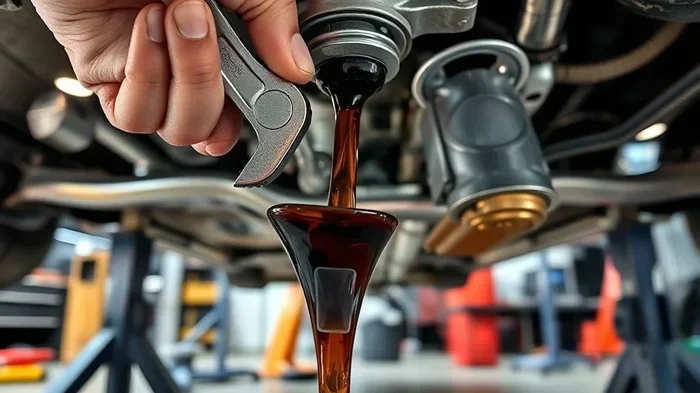
- Warm up the engine for a few minutes. This helps the fluid drain better.
- Lift the vehicle safely with jack stands or ramps.
- Locate the transmission pan and remove the drain plug.
- Let the old fluid drain completely into the catch pan.
- Remove the pan bolts carefully and lower the pan.
- Clean the pan and replace the magnet inside.
- Install the new filter and gasket.
- Reattach the pan and tighten bolts evenly.
- Add fresh fluid through the dipstick tube.
- Check the level with the engine running and warm.
If this sounds intimidating, there is no shame in having a professional do it. Many shops offer transmission fluid change services for under $200. It is a small price for peace of mind.
The Real Cost of Neglecting Transmission Fluid
Let us talk numbers. A routine transmission fluid change costs between $100 and $250. A transmission fluid flush runs $200 to $400. Now compare that to the cost of replacing a transmission.
A new transmission can cost anywhere from $1,800 to $3,500 for parts and labor. A rebuild runs $1,500 to $2,500. And if the damage is severe, you may need an entire used transmission swap at $2,500 to $4,000 or more.
That is a huge gap between spending $200 every few years and spending thousands on a single repair. The choice is clear. Regular fluid changes are one of the best returns on investment you will ever make for your vehicle.
Does changing transmission fluid extend life? Absolutely. It is not a matter of if the fluid matters. It is a matter of how much money and heartbreak you want to avoid. Every mile you drive with degraded fluid is a mile closer to potential failure.
Final Thoughts
The question “does changing transmission fluid extend life” has a definitive answer. Yes, it does. Your transmission is one of the most complex and expensive components in your vehicle. Keeping the fluid clean and fresh is the simplest and most effective way to protect it.
Do not wait for symptoms to appear. By the time you notice slipping, rough shifts, or strange noises, the damage may already be done. Stay ahead of it. Follow your transmission service interval, watch for warning signs, and invest in regular transmission maintenance.
Your vehicle will thank you with smoother shifts, better performance, and a longer life on the road. A small effort now can save you from a major headache later. Take care of your transmission fluid, and it will take care of you.
FAQs
How do I know if my transmission fluid is bad?
Check the color and smell. Healthy fluid is bright red and smells slightly sweet. If it looks dark brown or black and has a burnt odor, it is time for a change. Also watch for slipping gears, rough shifts, or delayed engagement as warning signs.
Can I just add new transmission fluid without draining the old?
You can top off the fluid, but it is not a substitute for a full change. Old fluid mixes with new and reduces the effectiveness of the fresh fluid. For best results, drain and replace the fluid completely, including the filter.
Is a transmission flush better than a fluid change?
A flush replaces more fluid and is more thorough. However, it is also more expensive and can be risky on older or troubled transmissions. For most vehicles, a standard fluid change every 30,000 to 50,000 miles is the best approach.
What happens if I never change my transmission fluid?
Over time, the fluid breaks down and loses its lubricating and cooling properties. This leads to increased friction, overheating, and accelerated wear. Eventually, the transmission can fail completely, requiring expensive repairs or replacement.
Does synthetic transmission fluid last longer?
Yes, synthetic transmission fluid generally lasts longer than conventional fluid. It resists heat breakdown better and maintains its properties over extended intervals. However, it still needs to be changed according to your vehicle’s maintenance schedule.
How long does a transmission fluid change take?
A standard transmission fluid change takes about 30 to 60 minutes at a shop. If you are doing it yourself, it may take a bit longer, especially if you are also replacing the filter and gasket.