Car Rear Glass: The Complete Replacement and Repair Guide
Car rear glass plays a vital role in your vehicle’s safety, structure, and comfort. This guide covers everything from common damage causes to professional replacement and repair steps. You will learn how to decide between fixing a crack or replacing the entire rear window, understand costs, and maintain your glass for long-lasting performance.
Your car rear glass does more than just give you a view of what’s behind you. It supports the roof, protects passengers, and helps the car handle crashes properly. Yet many drivers ignore their rear window until something goes wrong. A small crack can turn into a full break. A foggy seal can compromise your entire rear glass assembly. This guide walks you through everything you need to know about car rear glass care. We will cover repair options, replacement steps, costs, and maintenance tips. By the end, you will feel confident making the right decision for your vehicle.
Whether you drive a sedan, SUV, or truck, your rear window faces unique challenges. Road debris, temperature swings, and accidents all take a toll. The good news is that most rear glass problems are fixable. You just need the right information. Let us dive in and explore the world of car rear glass together.
Key Takeaways
- Know your options: Understand when a simple repair suffices and when full rear window replacement is necessary.
- Save money wisely: Learn the average cost range for car rear glass repair and replacement so you can budget accordingly.
- Safety first: Discover why rear glass matters for structural integrity and passenger protection.
- DIY vs professional: Get clear guidance on which tasks you can handle yourself and when to call an expert.
- Prevent future damage: Follow proven maintenance tips to extend the life of your car rear glass.
- Choose the right glass: Compare OEM and aftermarket options to make informed decisions.
📑 Table of Contents
- Why Car Rear Glass Matters for Safety and Comfort
- Common Causes of Car Rear Glass Damage
- Car Rear Glass Repair vs Replacement
- Step-by-Step Guide to Replacing Car Rear Glass
- How Much Does Car Rear Glass Replacement Cost?
- Tips to Maintain and Protect Your Car Rear Glass
- Common Mistakes to Avoid with Car Rear Glass
- Key Takeaways
- Conclusion
Why Car Rear Glass Matters for Safety and Comfort
Many people think of car rear glass as just another piece of window. But it does much more than that. The rear window contributes to the structural strength of your vehicle. During a rollover accident, the rear glass helps keep the roof from collapsing. It also supports the rear seats and cargo area. Without intact rear glass, your car becomes significantly weaker in a crash.
Beyond safety, car rear glass affects your daily driving comfort. It blocks wind noise, reduces outside noise, and provides UV protection. Many rear windows also house the rear defroster. This system keeps your back window clear in cold or rainy weather. A damaged rear glass can mess up all of these functions.
Structural Role of Rear Glass
Modern cars use what engineers call a unibody frame. This means the body panels, including windows, help hold the car together. The rear glass is bonded to the car body using special adhesive. This bond adds rigidity to the vehicle. When the rear glass cracks or shatters, that structural support is lost. Your car may handle differently in a crash. This is why even small damage to car rear glass should not be ignored.
Comfort Features Tied to Rear Glass
Your rear window often includes built-in features you might take for granted. The rear defroster uses electrical lines embedded in the glass. These lines melt ice and fog. Rear window tint also helps block UV rays and keeps the cabin cooler. Some vehicles even have rear glass with built-in antennas or sensors. When the glass is damaged, these features stop working too.
Common Causes of Car Rear Glass Damage
Understanding what damages car rear glass helps you prevent problems. Some causes are obvious. Others sneak up on you over time. Let us look at the most common culprits.
Road Debris and Flying Objects
This is the number one cause of rear window damage. Stones, gravel, and road debris fly up from other vehicles. A small rock hitting your rear glass at highway speed can create a chip or crack. Tailgating increases this risk significantly. The closer you are to the car in front, the more debris hits your rear window.
Temperature Changes and Thermal Stress
Car rear glass expands and contracts with temperature changes. In winter, the defroster heats up the glass quickly. On a freezing morning, this rapid temperature shift can cause stress cracks. Similarly, blasting hot air on a cold rear window can create damage. The glass expands unevenly and develops hairline cracks over time.
Accidents and Collisions
Even minor rear-end collisions can crack the rear glass. The impact sends shockwaves through the vehicle. These shockwaves can fracture the rear window without you even noticing at first. Always inspect your car rear glass after any accident, no matter how small.
Age and Wear
Over time, the seal around your rear window can deteriorate. This is called seal failure. When the seal breaks, moisture gets between the glass layers. You will see fog or water spots inside the rear window. This is a sign that your rear glass assembly needs attention. Older vehicles are especially prone to this issue.
Improper Installation or Previous Repairs
If your car rear glass was replaced before, poor installation can cause problems. Incorrect adhesive, wrong glass fit, or rushed work all lead to future issues. A loose rear window vibrates more on the road. This vibration weakens the glass over time and can lead to cracks.
Car Rear Glass Repair vs Replacement
One of the first questions people ask is whether they should repair or replace their car rear glass. The answer depends on several factors. Let us break it down clearly.
When Repair Is Enough
Small chips and cracks can often be repaired. If the damage is smaller than a dollar bill, repair is usually possible. A professional auto glass technician injects resin into the crack. This resin fills the damaged area and restores strength. The repair is quick, affordable, and preserves your original rear glass.
Here are signs that repair might work for your car rear glass:
- The crack or chip is smaller than 3 inches.
- The damage is not in the driver’s direct sight line (less relevant for rear glass but still applies).
- There are fewer than three separate damage points.
- The crack has not spread or grown over time.
- The rear defroster lines are not affected by the damage.
When Replacement Is Necessary
Sometimes repair simply is not enough. You need full rear window replacement. Large cracks that spread across the glass cannot be safely repaired. Damage that blocks your rearview camera or sensor also requires replacement. If the rear glass is shattered or broken into many pieces, replacement is the only safe option.
You should also consider replacement if the seal has failed. Moisture inside the rear window means the glass is no longer properly sealed. This leads to mold, fog, and potential electrical issues. In these cases, replacing the entire car rear glass unit is the best choice.
Quick Tips: Repair vs Replacement Decision
- Small chip or crack? Go for repair. It is faster and cheaper.
- Large crack or multiple cracks? Choose replacement for safety.
- Seal failure or interior fog? Replacement is your only option.
- Damage near sensors or camera? Get a professional assessment.
Step-by-Step Guide to Replacing Car Rear Glass
Replacing car rear glass is a detailed process. It requires the right tools, skills, and patience. While we recommend professional installation, understanding the steps helps you know what to expect. Here is a clear walkthrough of the rear window replacement process.
Step 1: Remove Interior Trim and Components
The technician starts by removing the rear interior trim pieces. This includes the rear seatback, cargo cover, and any trim panels. On some vehicles, the rear wiper or rear spoiler must also be removed. Care is taken to avoid scratching or damaging the interior.
Step 2: Disconnect Electrical Connections
Modern cars have electrical connections built into the rear glass. The rear defroster lines, rear wiper motor, and sensor wiring all connect to the glass. The technician carefully disconnects these before proceeding. Labeling each connection ensures nothing gets mixed up during reinstallation.
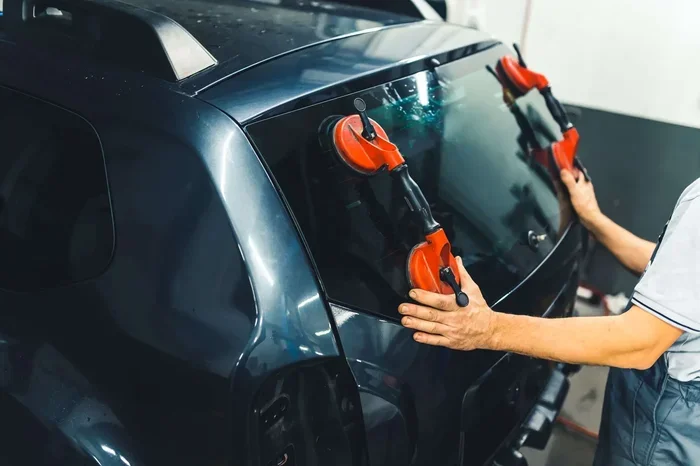
Step 3: Remove the Old Rear Glass
The old car rear glass is carefully cut free from the adhesive bond. Technicians use a specialized tool called a glass removal tool or a reciprocating saw with a fine blade. The goal is to cut the adhesive without damaging the car body. The old glass is then gently lifted out. This step requires precision and experience.
Step 4: Clean and Prepare the Surface
Once the old glass is out, the bonding area must be cleaned thoroughly. Old adhesive residue is scraped away. The surface is wiped down with a special cleaner to ensure proper adhesion for the new glass. Any rust or corrosion is treated at this stage.
Step 5: Apply New Adhesive and Install New Glass
The new car rear glass is prepared with fresh adhesive. Most modern installations use a polyurethane adhesive. This adhesive creates a strong, flexible bond. The new rear window is carefully positioned and pressed into place. The technician ensures proper alignment and even pressure across the entire surface.
Step 6: Let the Adhesive Cure
After installation, the adhesive needs time to cure. Most adhesives require at least 1 to 2 hours before the car can be driven. Full cure takes 24 to 48 hours. During this time, keep the car in a safe, sheltered spot. Avoid opening rear doors or putting pressure on the new glass.
Step 7: Reinstall Interior Components and Test
Once the adhesive has set, all interior trim pieces are reinstalled. The rear defroster is tested to make sure it works. The rear wiper is checked as well. The technician also inspects the seal for any gaps or leaks. A final quality check ensures everything is working properly.
How Much Does Car Rear Glass Replacement Cost?
Cost is one of the biggest concerns for car owners facing rear glass replacement. The price varies based on several factors. Understanding these factors helps you budget and avoid surprises.
Average Cost Breakdown
On average, car rear glass replacement costs between $200 and $800. However, luxury vehicles and certain models can cost much more. Here is a rough breakdown:
- Standard sedans and compact cars: $200 to $400.
- Mid-size SUVs and trucks: $300 to $600.
- Luxury or specialty vehicles: $500 to $1,200 or more.
- Rear glass repair (small chip or crack): $50 to $150.
The cost includes the glass itself, the adhesive, and labor. If your vehicle has advanced features built into the rear glass, such as sensors or a camera system, the cost goes up. These features require calibration after installation, which adds time and expertise.
Factors That Affect Car Rear Glass Cost
- Vehicle make and model: Rare or luxury vehicles have pricier glass.
- Glass type: OEM glass costs more than aftermarket options.
- Additional features: Built-in sensors, defroster, tint, or antenna add cost.
- Labor rates: Prices vary by location and shop.
- Insurance coverage: Many insurance policies cover glass replacement with little or no deductible.
Does Insurance Cover Car Rear Glass Replacement?
Many auto insurance policies include glass coverage. This is often part of comprehensive coverage. If you have glass coverage, your insurance may pay for the entire replacement cost. Check with your insurance provider before scheduling the work. Some shops even handle the insurance claim for you directly.
Tips to Maintain and Protect Your Car Rear Glass
Prevention is always better than repair. Taking care of your car rear glass extends its life and saves you money. Here are practical tips to keep your rear window in great shape.
Keep a Safe Following Distance
Tailgating is the enemy of your rear window. The closer you follow another vehicle, the more debris flies up and hits your car rear glass. Maintain at least a 3-second following distance. This gives you more reaction time and reduces the chance of rear window damage.
Avoid Sudden Temperature Changes
Do not blast hot air on a frozen rear window. Let the car warm up gradually. Use the defroster on a low setting first. This prevents thermal shock that can crack the glass. In summer, try to park in the shade when possible.
Inspect Your Rear Glass Regularly
Make it a habit to check your rear window every time you wash your car. Look for small chips, cracks, or seal damage. Catching problems early makes repair much easier and cheaper. A tiny chip today can become a large crack tomorrow if ignored.
Use Gentle Cleaning Products
Harsh chemicals can damage the rear glass seal and tint. Use a mild glass cleaner and a soft microfiber cloth. Avoid abrasive scrubbers that can scratch the glass surface. Clean the edges of the rear window gently to protect the seal.
Address Seal Problems Immediately
If you notice fog or moisture between the rear glass layers, get it checked right away. A failing seal lets water into the car body. This can lead to rust, mold, and electrical problems. Early seal repair prevents much bigger issues down the road.
Choose Quality Glass for Replacements
When replacing your car rear glass, choose quality glass. OEM glass matches your original specifications perfectly. Aftermarket glass is a more affordable option and works well for many vehicles. Ask your auto glass shop about their options and warranty.
Expert Insight: The Importance of Proper Installation
Even the best car rear glass will fail if installed incorrectly. Always choose a reputable auto glass shop with certified technicians. Look for shops that offer a lifetime warranty on their work. Proper installation ensures a strong bond, a proper seal, and long-lasting performance. Do not let price be the only factor when choosing a replacement shop.
Common Mistakes to Avoid with Car Rear Glass
Even well-meaning car owners make mistakes when dealing with rear glass. Here are common errors and how to avoid them.
- Ignoring small chips: A small chip grows into a large crack fast. Get it repaired early.
- Using DIY repair kits for large damage: These kits only work for minor chips. Large cracks need professional attention.
- Driving immediately after replacement: The adhesive needs cure time. Follow the technician’s instructions carefully.
- Choosing the cheapest option: Low price often means low quality glass or poor installation. Balance cost with quality.
- Skipping calibration for advanced features: If your car has rear sensors or cameras, calibration is essential after replacement.
- Delaying seal repairs: A broken seal gets worse over time. Fix it before moisture causes interior damage.
Key Takeaways
- Car rear glass is essential for safety: It supports the roof, protects passengers, and adds structural strength to your vehicle.
- Know when to repair vs replace: Small chips can be repaired. Large cracks, seal failures, and shattered glass require full replacement.
- Cost varies by vehicle and features: Expect to pay $200 to $800 for standard replacement. Luxury vehicles and those with advanced features cost more.
- Insurance may cover the cost: Check your comprehensive coverage for glass replacement benefits.
- Prevention saves money: Keep a safe distance, avoid temperature shocks, and inspect your rear glass regularly.
- Professional installation matters: Always choose certified technicians for car rear glass replacement to ensure safety and longevity.
Conclusion
Your car rear glass deserves more attention than most drivers give it. It is not just a window. It is a critical safety component that protects you and your passengers every time you drive. Whether you need a simple repair or a full car rear glass replacement, the key is acting quickly and choosing quality service.
By understanding the causes of damage, knowing when to repair versus replace, and following proper maintenance tips, you can keep your rear glass in excellent condition for years. Do not let a small chip turn into a big problem. Take care of your car rear glass today, and it will take care of you tomorrow.
Stay proactive, stay informed, and make the best decisions for your vehicle. Your car rear glass will thank you with safer, more comfortable drives every single day.
Frequently Asked Questions
How long does car rear glass replacement take?
Most car rear glass replacements take about 1 to 2 hours for the actual installation. However, the adhesive needs 1 to 2 hours to cure before driving. Full cure takes 24 to 48 hours. Plan for a few hours at the shop and avoid driving immediately after the service.
Can I drive with a cracked car rear glass?
It is not recommended. Even small cracks can spread quickly due to road vibrations and temperature changes. A cracked rear glass also weakens the structural integrity of your vehicle. Get it inspected by a professional as soon as possible to determine if repair or replacement is needed.
Is car rear glass repair covered by insurance?
Many comprehensive auto insurance policies cover glass repair and replacement. Some policies have no deductible for glass claims. Check with your insurance provider to confirm your coverage. Many auto glass shops can handle the insurance claim process for you directly.
How much does it cost to repair a chip in car rear glass?
Rear glass chip repair typically costs between $50 and $150. The price depends on the size and location of the chip. Repair is significantly cheaper than full replacement and can prevent a small chip from turning into a large crack that requires replacement.
What is the difference between OEM and aftermarket car rear glass?
OEM glass is made by the original manufacturer and matches your vehicle’s exact specifications. Aftermarket glass is produced by third-party manufacturers and is usually more affordable. Both options are safe and functional. OEM glass may offer a better fit and finish, while aftermarket glass provides excellent value for most vehicles.
How can I prevent damage to my car rear glass?
Maintain a safe following distance to avoid flying debris. Avoid sudden temperature changes on your rear window. Inspect your rear glass regularly for small chips or cracks. Use gentle cleaning products and address seal problems immediately. These simple habits can significantly extend the life of your car rear glass.