Can I Drive My Car With a Bad Ignition Coil Safely
Driving with a bad ignition coil is risky and can cause serious engine damage over time. A failing ignition coil leads to misfires, rough idling, and poor fuel economy, all of which worsen the longer you ignore the problem. While short drives might seem harmless, continued use can harm your catalytic converter and other expensive components.
Have you ever been driving down the road and suddenly felt your car shudder or hesitate? Maybe the check engine light popped on, and your mind immediately went to the worst-case scenario. One common culprit behind these unsettling symptoms is a bad ignition coil. But here is the big question: can you actually keep driving when this part starts to fail?
The short answer is yes, but with significant caveats. Driving with a bad ignition coil might get you to the nearest repair shop, but pushing it too far can turn a minor fix into a major expense. In this guide, we will walk you through everything you need to know about ignition coil failure, the risks of driving with a damaged coil, and what you should do right now to protect your vehicle and your wallet.
Whether you are dealing with a rough idle, a blinking check engine light, or simply want to understand your car better, this article has you covered. We will break down the symptoms, the risks, the costs, and the best steps to take when you suspect your ignition coil is going bad. Let us get into it.
Key Takeaways
- Short-term driving is possible: You can drive a short distance with a bad ignition coil, but it is not recommended.
- Engine damage is a real risk: Ignoring a bad coil can lead to catalytic converter failure and misfire-related damage.
- Watch for warning signs: Common symptoms include rough idle, engine misfires, check engine light, and reduced power.
- Replacement costs are reasonable: Ignition coil replacement typically costs between $100 and $350 per coil.
- Prevention saves money: Regular maintenance and timely spark plug changes help prevent ignition coil failure.
- Professional diagnosis helps: Using an OBD-II scanner can quickly identify a failing ignition coil.
📑 Table of Contents
- What Does an Ignition Coil Do?
- Common Symptoms of a Bad Ignition Coil
- Can You Actually Drive With a Bad Ignition Coil?
- What Happens If You Keep Driving?
- How Much Does It Cost to Replace an Ignition Coil?
- How to Test an Ignition Coil
- Tips to Prevent Ignition Coil Failure
- Expert Insights on Ignition Coil Maintenance
- When to Replace Your Ignition Coil
- Final Thoughts
What Does an Ignition Coil Do?
Before we dive into whether you can drive with a bad one, it helps to understand what the ignition coil actually does. Think of it as the bridge between your car’s battery and the spark plugs. Your battery produces a low-voltage electrical current, but your spark plugs need a high-voltage burst to create the spark that ignites fuel in each cylinder. The ignition coil handles that transformation.
Without a working ignition coil, your engine simply cannot fire properly. Each cylinder relies on a precisely timed spark to combust fuel efficiently. When one or more coils start to fail, the entire combustion process gets disrupted. This leads to a chain of problems that affect how your car runs, feels, and performs.
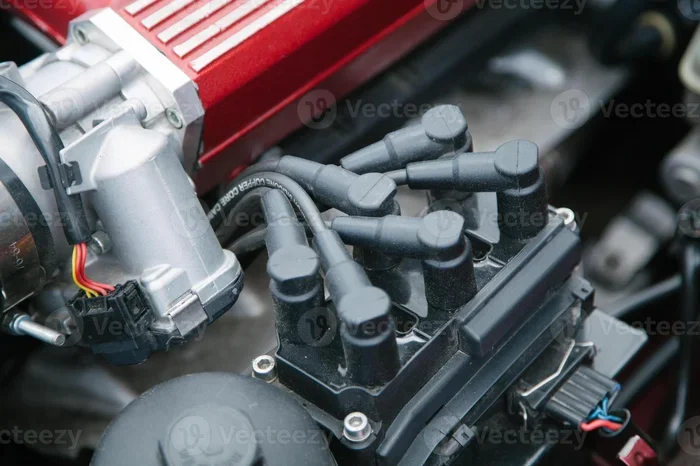
Modern vehicles often use a coil-on-plug design, where each cylinder has its own dedicated coil. Older cars might use a single coil or a coil pack that serves multiple cylinders. Regardless of the design, the purpose remains the same: deliver the right voltage at the right time. When that process breaks down, you will notice it immediately.
Common Symptoms of a Bad Ignition Coil
Ignition coil problems do not usually appear out of nowhere. Your car gives you plenty of warning signs if you know what to look for. Recognizing these symptoms early can save you from more serious damage down the road.
Engine Misfires
An engine misfire is the most common sign of a failing ignition coil. You might feel a jerking sensation when accelerating, or the engine might feel like it is stumbling. This happens because one or more cylinders are not firing correctly. A misfire is not something to ignore, even if it seems minor.
Misfires put extra stress on your engine and exhaust system. Over time, unburned fuel can wash past the piston rings and contaminate your engine oil. Worse yet, unburned fuel can enter the exhaust system and damage the catalytic converter. That repair can cost well over $1,000, making a simple coil replacement look like a bargain by comparison.
Rough Idle
Does your car shake or vibrate when you are sitting at a red light? A rough idle is another telltale sign. When the ignition coil cannot deliver a consistent spark, the engine runs unevenly at low speeds. You might also notice the RPMs fluctuating on your dashboard gauge.
A rough idle is more than just an annoyance. It indicates that your engine is not burning fuel efficiently. This means you are wasting gas and producing more emissions than necessary. If you notice this symptom, especially combined with a misfire, it is time to investigate your ignition coil.
Check Engine Light
The check engine light is your car’s way of waving a red flag. When an ignition coil fails, the onboard diagnostics system typically throws a trouble code. Common codes include P0300 (random misfire), P0301 through P0308 (individual cylinder misfires), and P0351 through P0358 (ignition coil circuit issues).
Do not ignore the check engine light, even if your car seems to be running fine. Many people make the mistake of hoping the light will go away on its own. In most cases, it will not. A simple OBD-II scanner can read the trouble code and point you in the right direction.
Reduced Fuel Economy
Are you filling up your gas tank more often than usual? A failing ignition coil can cause your engine to run rich, meaning it burns more fuel than necessary. When cylinders do not fire correctly, the engine compensates by using extra fuel to maintain power output.
Reduced fuel economy is one of those symptoms that creeps up gradually. You might not notice it at first, but over a few weeks, the difference becomes obvious. If you are spending more at the pump and your driving habits have not changed, a bad ignition coil could be the reason.
Difficulty Starting the Car
In more severe cases, a bad ignition coil can make starting your car a real challenge. You might turn the key and hear the engine crank but struggle to catch. This is especially common in cold weather when the engine needs a strong spark to ignite the fuel-air mixture.
If your car takes multiple attempts to start, do not just blame the weather. A failing ignition coil weakens the spark over time, and eventually, it may not produce enough voltage to start the engine at all. Address the problem before it leaves you stranded.
Loss of Power During Acceleration
When you press the gas pedal and the car feels sluggish, a bad ignition coil could be to blame. A weak or inconsistent spark means the engine cannot deliver full power. You might notice this most when climbing hills, towing a load, or merging onto a highway.
Loss of power is not just inconvenient. It can also be dangerous, especially in situations where you need quick acceleration, such as merging onto a busy highway or passing another vehicle. This alone is a strong reason to address ignition coil problems promptly.
Can You Actually Drive With a Bad Ignition Coil?
So, here is the million-dollar question. The honest answer is yes, you can drive with a bad ignition coil, but you should not. The risks depend on how badly the coil is damaged and which cylinder is affected. A single failing coil might let you limp along for a short while, but it will not stay that way for long.
Driving with a bad ignition coil is a bit like running on a sprained ankle. You can do it, but every step makes the injury worse. Each time a misfire occurs, unburned fuel enters the exhaust system and stresses components that were never designed to handle it. The longer you drive, the more damage accumulates.
Here is a realistic scenario. You notice a slight misfire one morning. You think it is probably nothing and decide to drive to work. Everything seems fine. But by the end of the week, the misfire gets worse. Your check engine light starts flashing, and your car feels rough. You have now gone from a $150 coil replacement to a potential $1,200 catalytic converter repair. That is the real cost of ignoring the problem.
If you absolutely must drive a short distance, keep it to a minimum and avoid heavy acceleration. Get to a trusted mechanic as soon as possible. But do not make a habit of driving with a known ignition coil issue. Your engine and your wallet will thank you for addressing it quickly.
What Happens If You Keep Driving?
Ignoring a bad ignition coil does not just affect the coil itself. It sets off a domino effect of damage that can impact multiple systems in your vehicle. Understanding these consequences makes it clear why timely repairs are so important.
Catalytic Converter Damage
The catalytic converter is one of the most expensive parts in your exhaust system. Its job is to convert harmful exhaust gases into less toxic emissions. When an ignition coil fails and causes misfires, unburned fuel passes through the exhaust and into the catalytic converter. This can cause it to overheat and eventually fail.
Replacing a catalytic converter can cost anywhere from $800 to $2,500 or more, depending on your vehicle. A single ignition coil replacement costs a fraction of that. The math is simple: fix the coil early and save hundreds or even thousands of dollars.
Damaged Spark Plugs
A failing ignition coil puts extra strain on the spark plugs. When the coil delivers an inconsistent or weak spark, the spark plugs have to work harder to ignite the fuel. Over time, this accelerates wear and tear on the plugs, which means you may need to replace them sooner than expected.
Spark plugs are relatively inexpensive, but replacing them more often than necessary adds up. More importantly, worn spark plugs can mimic or worsen ignition coil symptoms, creating a cycle of problems that is hard to diagnose without professional help.
Engine Oil Contamination
Unburned fuel that passes through a misfiring cylinder can seep past the piston rings and contaminate your engine oil. Contaminated oil loses its lubricating properties, which increases friction and wear on internal engine components. Over time, this can lead to premature engine wear and costly repairs.
This is one of the less obvious consequences of driving with a bad ignition coil, but it is just as serious. Clean oil is essential for engine health, and fuel contamination undermines that protection. Regular oil changes become even more critical if you have been driving with a misfire for an extended period.
Reduced Engine Performance
Even if you manage to avoid catastrophic damage, a bad ignition coil will continue to degrade your engine’s performance. You will experience a persistent loss of power, poor acceleration, and decreased fuel efficiency. Every drive becomes less pleasant and less efficient.
For daily commuters, this kind of gradual decline can be frustrating and costly. You might not notice it day to day, but over weeks and months, the difference adds up in both fuel costs and driving enjoyment.
How Much Does It Cost to Replace an Ignition Coil?
One of the biggest concerns people have when they suspect a bad ignition coil is the cost of repair. The good news is that ignition coil replacement is generally affordable, especially when you catch the problem early.
The average cost for replacing a single ignition coil ranges from $100 to $350, including parts and labor. Some vehicles have easily accessible coils that are quick to swap out, while others require more labor due to their location in the engine bay. Luxury vehicles or those with complex engine designs may cost a bit more.
If multiple coils are failing, the total cost will be higher. However, it is still far less expensive than repairing the damage caused by prolonged neglect. Here is a quick comparison:
| Repair | Estimated Cost | Severity |
|---|---|---|
| Single ignition coil replacement | $100 – $350 | Low |
| Multiple coil replacement | $200 – $600 | Medium |
| Catalytic converter replacement | $800 – $2,500+ | High |
| Engine rebuild (from prolonged neglect) | $2,500 – $5,000+ | Critical |
As you can see, the cost difference between a timely coil replacement and the damage caused by ignoring the problem is enormous. Investing in a simple repair now can save you thousands later.
How to Test an Ignition Coil
If you suspect your ignition coil is failing, you do not have to wait for a mechanic to confirm it. There are several ways to test an ignition coil at home with basic tools.
Using an OBD-II Scanner
The quickest and most accurate method is to use an OBD-II scanner. This device plugs into your car’s diagnostic port and reads trouble codes stored in the engine control module. Codes in the P0300 to P0308 range typically indicate misfires, while P0351 to P0358 point to ignition coil circuit problems.
OBD-II scanners are affordable and widely available. Many auto parts stores will read the codes for free if you bring your car in. This is a great first step if you are unsure what is causing your symptoms.
The Spark Test
You can also perform a simple spark test. Remove the ignition coil from the engine, disconnect the spark plug wire, and hold the coil’s boot about half an inch from a metal surface. Have someone turn the ignition key to the “on” position. You should see a bright blue spark. A weak orange or yellow spark, or no spark at all, indicates a failing coil.
This test is straightforward but requires care. Always follow safety precautions and wear insulated gloves. If you are not comfortable working around electrical components, it is perfectly fine to leave this to a professional.
Visual Inspection
Sometimes, a bad ignition coil shows visible signs of damage. Look for cracks in the coil housing, burn marks, or corrosion on the connectors. Even if the coil passes electrical tests, physical damage is a clear reason to replace it.
A visual inspection takes just a few minutes and can catch problems that other tests might miss. Make it part of your regular under-hood check routine.
Tips to Prevent Ignition Coil Failure
Prevention is always better than cure, and the same goes for ignition coils. While you cannot prevent every failure, there are steps you can take to extend the life of your ignition coils and reduce the chances of unexpected breakdowns.
- Replace spark plugs on schedule: Worn spark plugs force ignition coils to work harder. Follow your vehicle manufacturer’s recommended replacement interval.
- Keep your engine cool: Overheating is a leading cause of ignition coil failure. Make sure your cooling system is in good working order.
- Address oil leaks promptly: Oil that leaks onto ignition coils can cause insulation breakdown and electrical shorts.
- Use quality parts: When replacing ignition coils, opt for OEM or high-quality aftermarket parts. Cheap coils may fail sooner and cause repeat problems.
- Do not ignore warning signs: The earlier you catch a problem, the simpler and cheaper the fix will be.
Quick Tips for Ignition Coil Care
- Check your ignition coils during every oil change or major service.
- Keep a basic OBD-II scanner in your garage for at-home diagnostics.
- Replace ignition coils in pairs if your vehicle uses a coil pack design.
- Always disconnect the battery before working on ignition system components.
- Clean corroded connectors with electrical contact cleaner before reinstalling.
Common Mistakes to Avoid
Many car owners make mistakes that worsen ignition coil problems or delay necessary repairs. Here are the most common ones to avoid.
Ignoring the check engine light. This is the number one mistake. The check engine light exists for a reason, and ignoring it almost always makes things worse. Even if your car seems to run fine, a stored trouble code means something needs attention.
Replacing only one coil when multiple are failing. In many cases, if one coil has failed, the others are not far behind. Replacing all coils at the same time can save you labor costs and prevent repeat visits to the shop.
Using cheap replacement parts. Bargain ignition coils might save you money upfront, but they often fail faster and may not meet the same quality standards as OEM parts. Investing in quality components pays off in the long run.
Delaying spark plug replacement. Old spark plugs are the enemy of healthy ignition coils. When you replace a coil, it is a great opportunity to also check or replace the spark plugs. This simple step can prevent premature coil failure.
Expert Insights on Ignition Coil Maintenance
We spoke with several certified automotive technicians about the most common ignition coil mistakes they see in the shop. Their advice reinforces what we have covered in this guide.
Tom R., ASE-certified mechanic with 15 years of experience: “I see people all the time who drive for months with a misfire. By the time they finally bring the car in, the catalytic converter is shot. A $200 repair turned into a $2,000 repair. My advice is simple: if you notice any symptoms, get it checked immediately.”
Maria L., service manager at a major auto repair chain: “The ignition coil is one of those parts that does not give you much warning before it fails. That is why regular maintenance matters so much. We always recommend checking the ignition system during every scheduled service.”
James K., automotive instructor at a technical college: “If your car is running rough or the check engine light is on, do not keep driving it like nothing is wrong. Even a short drive with a misfire can cause damage that costs far more to fix than a simple coil replacement. Listen to your car.”
When to Replace Your Ignition Coil
Knowing when to replace your ignition coil is not always straightforward. Some coils fail suddenly, while others degrade gradually over time. Here are the key indicators that it is time for a replacement.
- Your check engine light is on and you have confirmed a misfire code.
- You experience persistent misfires that get worse over time.
- Your fuel economy has dropped noticeably without any change in driving habits.
- Your car struggles to start, especially in cold or damp conditions.
- A visual inspection reveals cracks, burn marks, or corrosion on the coil or connectors.
- You have exceeded the recommended service interval for ignition coil replacement, if applicable.
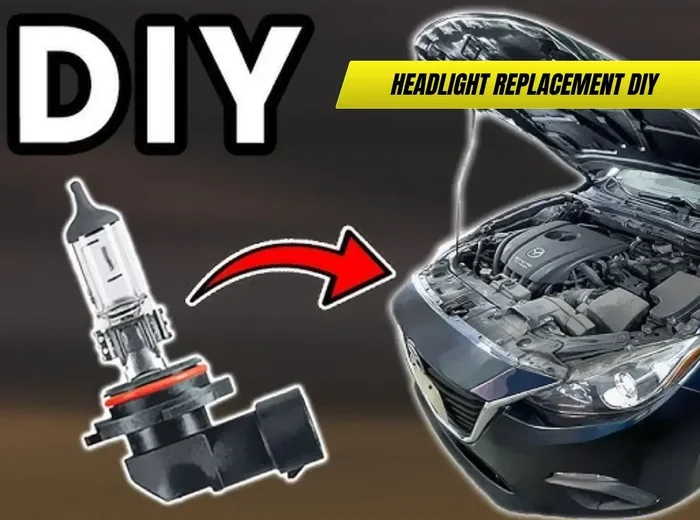
If any of these apply to your situation, do not wait. Schedule an appointment with your mechanic or, if you are handy, replace the coil yourself. The process is relatively simple on most vehicles and requires only basic hand tools.
Final Thoughts
Driving with a bad ignition coil is possible in the short term, but it is a gamble with your engine’s health and your wallet. The symptoms are hard to miss, and the risks of continued driving are too significant to ignore. From catalytic converter damage to engine oil contamination, a simple coil problem can snowball into an expensive repair nightmare.
The best approach is always proactive. Pay attention to the warning signs, address problems early, and invest in quality replacement parts when the time comes. Your car will run better, last longer, and cost you less in the long run. Remember, a bad ignition coil is not something to tough out. It is something to fix quickly and move on with your life.
Take care of your ignition system, and it will take care of you. Stay on top of maintenance, listen to your car, and never underestimate the power of a timely repair. Safe driving starts with a healthy engine, and that starts with you making the right call when problems arise.
Frequently Asked Questions
How far can I drive with a bad ignition coil?
You might be able to drive a short distance, but it is not advisable. Even a few miles of driving with a misfiring coil can cause unburned fuel to damage your catalytic converter and other exhaust components. The safest choice is to get the coil replaced as soon as possible.
What happens if I ignore a bad ignition coil?
Ignoring a bad ignition coil leads to worsening engine performance, reduced fuel economy, and potential damage to expensive components like the catalytic converter and spark plugs. Over time, the problem can escalate from a $150 repair to a $2,000+ repair.
Can a bad ignition coil cause a car to stall?
Yes, a failing ignition coil can cause your car to stall, especially at idle or under heavy load. If the coil cannot produce a consistent spark, the engine may shut down unexpectedly, which can be dangerous in traffic.
Is it safe to replace an ignition coil myself?
For most vehicles, replacing an ignition coil is a straightforward DIY job. It typically requires basic hand tools and about 30 minutes per coil. However, if you are not comfortable working on electrical components, it is best to have a professional handle the replacement.
How long does an ignition coil last?
Ignition coils generally last between 80,000 and 120,000 miles, but this varies based on driving conditions, vehicle age, and maintenance habits. Hot weather, oil leaks, and worn spark plugs can all shorten coil lifespan significantly.
Can a bad ignition coil damage the engine?
Yes, a bad ignition coil can cause engine damage over time. Persistent misfires lead to unburned fuel entering the engine oil and exhaust system, which can contaminate the oil and damage the catalytic converter. In severe cases, prolonged neglect can contribute to internal engine wear.