Why Is My Seatbelt Alarm Going Off And Keeps Beeping
A seatbelt alarm that keeps beeping is one of the most common car annoyances. The alarm is designed to remind drivers and passengers to buckle up for safety. In most cases, a faulty buckle, dirty sensor, or misaligned latch triggers the warning. This guide covers every reason your seatbelt alarm might be going off and gives you simple fixes you can try at home.
You are driving down the road, and suddenly that dreaded beeping starts. No matter how many times you click your seatbelt, the noise just keeps going. It is frustrating, distracting, and honestly kind of embarrassing when your passenger gives you that look.
But here is the thing. That annoying beep is not just there to ruin your morning commute. It is a safety feature designed to protect you. Every car manufacturer includes a seatbelt alarm because statistics show that buckling up dramatically reduces the risk of serious injury in a crash.
So why does your seatbelt alarm keep going off even when you are already buckled? The answer is not always obvious. Sometimes it is something simple like crumbs stuck in the buckle. Other times, it points to a deeper electrical or mechanical issue. This article walks you through every possible reason and gives you clear, actionable steps to fix the problem.
By the end, you will know exactly what is causing the beeping, how to stop it, and when it is time to see a professional. Let us get into it.
Key Takeaways
- Seatbelt alarms exist for safety: They are legally required in most vehicles to reduce injury risk.
- A loose or dirty buckle is the #1 culprit: Debris or a worn latch often causes false beeping.
- The seatbelt sensor can fail over time: Electrical issues may need professional diagnosis.
- Simple resets often work: Rebuckling, cleaning, or restarting the car can resolve the issue.
- Ignoring the alarm is risky: It may signal a real safety problem with your restraint system.
- Most fixes are affordable: You can save money by trying basic troubleshooting first.
- Know when to visit a mechanic: Persistent beeping after DIY fixes warrants professional help.
📑 Table of Contents
How Your Seatbelt Alarm System Works
Before you can fix a problem, it helps to understand how the system works. The seatbelt alarm is part of your vehicle’s safety restraint system. It relies on a simple but effective combination of sensors and wiring.
When you insert the seatbelt buckle into the latch, a buckle switch sends a signal to the car’s computer. The computer registers that the belt is secured and silences the alarm. If the signal is not received, the system triggers the seatbelt warning light and the beeping sound.
Most modern vehicles also have an occupant detection sensor in the passenger seat. This sensor detects whether someone is sitting there and activates the alarm accordingly. Some cars even monitor whether the belt is actually being worn properly, not just clicked in.
The Role of the Seatbelt Sensor
The seatbelt sensor is a small switch located inside the buckle mechanism. When the buckle clicks shut, the switch closes and completes an electrical circuit. This tells the car’s body control module that the belt is fastened.
If the switch is dirty, damaged, or misaligned, it cannot send the right signal. The car thinks no one is buckled up, and the alarm keeps sounding. This is the most common reason for a seatbelt alarm going off randomly.
What the Dashboard Warning Light Means
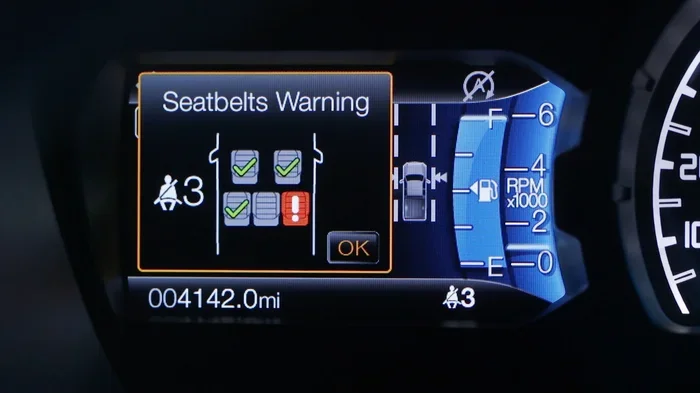
Your dashboard has a specific icon for the seatbelt system. It usually looks like a person wearing a seatbelt. If this light stays on or flashes alongside the beeping, the car has detected an issue with the safety restraint system.
Sometimes the light is tied to the SRS airbag system as well. Both systems share wiring and sensors. A problem in one area can trigger warnings in the other. This is why it is important not to ignore the light, even if the beeping seems minor.
Common Reasons Your Seatbelt Alarm Keeps Beeping
Now that you understand the basics, let us look at the specific reasons your alarm might be going off. Each cause has its own set of symptoms and solutions.
1. The Buckle Is Not Fully Seated
This sounds obvious, but it happens more than you think. If the buckle is not pushed all the way into the latch, the sensor will not register it. The alarm will keep beeping even though you think you are buckled up.
This often happens when:
- The seatbelt is twisted or tangled.
- The buckle is misaligned with the latch.
- You are in a hurry and do not push it in firmly enough.
- The seatbelt retracts too quickly before the latch catches.
Quick fix: Unbuckle the seatbelt completely and try again. Make sure you hear a firm click. Do not rush the process.
2. Dirt and Debris Inside the Buckle
Crumb, dust, lint, and small debris can build up inside the buckle over time. This is especially common if you eat in the car or have pets. Even a tiny piece of food can block the buckle switch from closing properly.
The sensor thinks the belt is not clicked in, so it keeps the alarm running. This is one of the most overlooked causes of a seatbelt chime that won’t stop.
Quick fix: Use a can of compressed air to blow out the buckle. You can also use a small brush or a toothpick to remove stubborn debris. Do this for both the driver and passenger buckles.
3. A Worn or Damaged Buckle Latch
Over time, the plastic components inside the buckle can wear down. The spring mechanism that holds the latch shut may weaken. When this happens, the buckle does not stay fully engaged, and the sensor loses contact.
This is especially common in older vehicles or cars with heavy daily use. You might notice the belt clicks but the alarm still sounds. In some cases, the buckle physically feels loose or wobbly.
Quick fix: Inspect the buckle for visible damage. If the latch feels worn, you will likely need a replacement. Buckle replacements are usually inexpensive and easy to install.
4. Faulty Seatbelt Retractor
The seatbelt retractor is the mechanism that locks and retracts the belt. If it malfunctions, it can interfere with the sensor system. A stuck retractor may prevent the belt from seating properly in the buckle.
You might notice the belt does not retract smoothly, or it locks up unexpectedly. Both issues can trigger the alarm even when the belt is buckled.
Quick fix: Pull the belt out fully and let it retract slowly. If it sticks or does not return smoothly, the retractor may need servicing. A mechanic can inspect and replace the retractor assembly.
5. Wiring or Electrical Issues
Sometimes the problem is not mechanical at all. It is electrical. Wiring connects the buckle switch to the car’s computer. If a wire is frayed, corroded, or disconnected, the signal gets interrupted.This can happen after a car accident, during aftermarket seat modifications, or simply from years of wear. Rodents can also chew through wiring under the seat, causing unexpected alarm behavior.
Quick fix: Check the wiring under the seat for visible damage. If you find a loose connector, reattach it firmly. For damaged wires, professional repair is the safest option.
6. The Passenger Seat Sensor Is Faulty
If the alarm only goes off when someone sits in the passenger seat, the occupant detection sensor may be malfunctioning. This sensor detects weight and presence. When it fails, it may think there is always a passenger who is unbuckled.
This is common in vehicles where the passenger seat gets frequent use or carries heavy cargo. The sensor can become overly sensitive or completely unresponsive over time.
Quick fix: Try removing all items from the passenger seat. Sometimes heavy objects confuse the sensor. If the alarm persists, the sensor itself may need replacement.
7. Aftermarket Seat Covers or Modifications
Did you recently install seat covers or modify your seats? Thick padding or improperly fitted covers can press against the buckle or sensor. This changes the position of the components and can prevent proper contact.
Similarly, adding aftermarket seat warmers or massage systems can interfere with the original wiring. The car’s computer may interpret these changes as a fault in the safety restraint system.
Quick fix: Remove any aftermarket accessories temporarily and see if the alarm stops. If it does, the accessory is the cause. Consider switching to thinner or more compatible seat covers.
8. A Problem with the SRS or Airbag System
The SRS (Supplemental Restraint System) works closely with the seatbelt alarm. Both systems share sensors and control modules. If there is a fault in the airbag system, it can trigger the seatbelt warning as well.
This is a serious issue. The SRS is designed to deploy airbags during a collision. A malfunction in this system means your airbags may not work when you need them most.
Quick fix: If the SRS light is on alongside the seatbelt warning, see a mechanic immediately. Do not delay. This is not something you should attempt to fix on your own.
Quick Fixes to Stop the Seatbelt Alarm
Before you take your car to a shop, try these simple fixes. Many drivers have resolved the beeping with one of these methods.
Step-by-Step Reset Process
- Buckle and unbuckle the seatbelt three times quickly.
- Wait for the alarm to stop.
- Buckle the seatbelt again and wait five seconds.
- Start the car and see if the alarm is silenced.
This reset sequence works on many vehicle models. It clears temporary glitches in the seatbelt reminder system.
Cleaning the Buckle and Latch
Grab a can of compressed air and a small brush. Blow out any visible debris from the buckle. Use the brush to gently scrub the inside of the latch mechanism.
For stubborn grime, dampen a cotton swab with rubbing alcohol and clean the contact points inside the buckle. Let it dry completely before rebuckling.
Checking the Fuse Box
Your owner’s manual will show you where the fuse box is located. Look for the fuse associated with the SRS system or the interior warning lights.
A blown fuse can cause the alarm to stay active even when everything else looks fine. Replace the fuse with one of the same amperage rating.
Disconnecting the Battery
Sometimes a full system reset is needed. Disconnect the negative battery terminal and wait at least fifteen minutes. This resets the car’s computer and clears error codes.
Reconnect the battery and start the car. The alarm should be off if the underlying issue was minor. If it comes back, the problem is likely hardware-related.
When to See a Mechanic
Not every seatbelt alarm problem can be fixed at home. Knowing when to seek professional help saves you time and prevents safety risks.
Signs You Need Professional Help
- The alarm keeps going off after trying all DIY fixes.
- The dashboard warning light stays on continuously.
- You hear a burning smell or notice smoke near the seat.
- The seatbelt will not retract or lock properly.
- The SRS or airbag warning light is also illuminated.
- You recently had a car accident or collision.
A mechanic can run a vehicle diagnostic scan to read error codes from the car’s computer. These codes pinpoint exactly which sensor or system is malfunctioning. Without a diagnostic tool, you are essentially guessing.
How Much Does It Cost to Fix?
The cost depends on the root cause. Here is a rough breakdown:
| Repair | Estimated Cost |
|---|---|
| Buckle cleaning | Free (DIY) |
| Buckle replacement | $50 to $150 |
| Sensor replacement | $100 to $300 |
| Wiring repair | $150 to $400 |
| SRS module repair | $300 to $800 |
These are ballpark figures. Your actual cost may vary based on your vehicle make and model, your location, and the labor rates of your mechanic.
Preventing Future Seatbelt Alarm Problems
Once you have fixed the alarm, you want to keep it from coming back. Regular maintenance goes a long way.
Keep the Buckle Clean
Make it a habit to clean the buckle every few months. A quick blast of compressed air prevents debris buildup. This is the single easiest way to avoid false alarms.
Inspect the Seatbelt Regularly
Pull out the seatbelt and check for fraying, tangling, or stiffness. A healthy seatbelt retracts smoothly and locks firmly. If you notice any issues, address them early before they affect the sensor.
Avoid Overloading the Passenger Seat
Do not place heavy bags or boxes on an empty passenger seat. This can confuse the occupant sensor and trigger the alarm. Keep the seat clear of heavy objects when no one is sitting there.
Use OEM or Compatible Parts
When replacing any part of the seatbelt system, use OEM (Original Equipment Manufacturer) parts or high-quality aftermarket alternatives. Cheap, poorly fitting parts can cause the same problems you just fixed.
Expert Insights on Seatbelt Alarm Systems
Automotive technicians agree that the seatbelt alarm is one of the most misunderstood systems in a vehicle. Many drivers assume it is just a nuisance and ignore it entirely. That is a mistake.
The alarm is connected to your overall crash safety. When it works correctly, it reminds you to buckle up and it monitors the health of your restraint system. A persistent beeping alarm is the car telling you something needs attention.
According to the National Highway Traffic Safety Administration (NHTSA), wearing a seatbelt reduces the risk of fatal injury in a crash by about 45 percent. The alarm exists to keep you in that safety zone. Respecting the system means respecting your own safety.
Technicians also recommend not disabling the alarm permanently. Some drivers resort to buckling the belt behind their back or using a fake buckle. These tricks defeat the purpose entirely and can be dangerous in a collision.
What If the Alarm Won’t Stop After a New Buckle?
If you replaced the buckle and the alarm still beeps, the issue may be with the wiring or the body control module. A diagnostic scan will reveal whether the new buckle is being recognized by the computer. If not, there is likely a wiring or module issue that needs professional attention.
Key Takeaways
- The seatbelt alarm is a safety feature: It protects you by reminding you to buckle up and monitoring the restraint system.
- A dirty or misaligned buckle is the most common cause: Regular cleaning prevents most false alarms.
- Worn latches and faulty sensors need replacement: These are affordable repairs that keep you safe.
- Electrical issues can mimic mechanical problems: Always check wiring before replacing parts.
- The SRS system connection matters: A seatbelt alarm issue can sometimes point to a larger safety system problem.
- DIY fixes work for simple causes: Cleaning, resetting, and checking fuses solve many issues.
- Know when to call a professional: Persistent alarms and dashboard lights warrant expert diagnosis.
Conclusion
A seatbelt alarm that keeps beeping is annoying, but it is also a warning you should not ignore. Whether the cause is a dirty buckle, a worn latch, or an electrical fault, the solutions are usually straightforward. Start with the simple fixes and work your way up to professional help if needed.
Your seatbelt is your first line of defense in a crash. The alarm exists to make sure you always use it. By keeping the system in good working order, you are not just silencing a noise. You are protecting yourself and everyone in your vehicle.
Take a few minutes today to check your buckle and clean the latch. If the beeping persists, use the diagnostic steps in this guide. And if all else fails, a trusted mechanic can get to the bottom of it quickly. Stay safe, stay buckled, and do not let that alarm go unanswered.
Frequently Asked Questions
Why does my seatbelt alarm keep going off even when I am buckled?
This usually happens because the buckle sensor is not detecting a proper connection. Debris, a worn latch, or a misaligned buckle can all cause the sensor to think the belt is unfastened. Cleaning the buckle or replacing the latch often solves the problem.
Can I turn off the seatbelt alarm permanently?
You can in some vehicles by disconnecting the sensor wire, but this is not recommended. The alarm exists for your safety. Disabling it means you may forget to buckle up, which increases your risk of injury in a crash.
How much does it cost to fix a seatbelt alarm?
Simple fixes like cleaning the buckle cost nothing. Replacing a buckle or sensor typically runs between $50 and $300. Wiring repairs and SRS module issues can cost more, sometimes up to $800 depending on the vehicle.
Does a faulty seatbelt alarm affect my car inspection?
Yes, in many regions a malfunctioning seatbelt warning system can cause your vehicle to fail inspection. The alarm is part of the safety restraint system, which is checked during most safety inspections.
Can cold weather cause the seatbelt alarm to go off?
Yes, extreme cold can make the plastic components in the buckle contract. This can prevent the latch from seating properly and trigger the alarm. The issue usually resolves once the car warms up, but persistent cold-related beeping may indicate a worn buckle.
What should I do if the seatbelt alarm and airbag light both come on?
This suggests a shared electrical or sensor issue. Both the seatbelt system and the airbag system are connected through the SRS module. See a mechanic as soon as possible, because a working airbag system is critical for your safety in a crash.