Reasons Why a Car Wont Start and How To Solve the Problem
When your car won’t start, it can ruin your entire day. The most common culprits include a dead battery, faulty starter motor, bad ignition switch, or fuel system problems. This guide walks you through every possible cause and gives you clear, step-by-step solutions to diagnose and fix the issue yourself.
There is nothing more frustrating than turning your key or pressing the start button and hearing nothing. Your car refuses to cooperate, and suddenly your entire schedule falls apart. Whether you are rushing to work or heading out for a weekend trip, a car that won’t start puts a serious damper on your plans.
The good news is that most starting problems have simple causes. You do not need to be a professional mechanic to figure out what went wrong. In this article, we will walk you through every major reason your engine might not turn over. We will also give you clear, practical fixes you can try right now. By the end, you will know exactly what to check and how to get back on the road.
We have organized this guide into easy sections so you can jump straight to the problem that matches your symptoms. Whether you hear a clicking noise, see a dashboard warning light, or get complete silence, we have you covered. Let us dive in and solve this together.
Key Takeaways
- A dead or weak battery is the number one reason most cars fail to start.
- Corroded battery terminals can block electrical current even when the battery is fine.
- A faulty starter motor or solenoid causes clicking sounds when you turn the key.
- Fuel system issues like a clogged filter or failing fuel pump prevent the engine from getting gas.
- Ignition switch problems stop power from reaching the engine entirely.
- Cold weather worsens battery performance and thickens engine oil, making starting harder.
- Knowing the warning signs helps you avoid being stranded and saves expensive repairs.
📑 Table of Contents
- Dead or Weak Battery
- Corroded or Loose Battery Terminals
- Faulty Starter Motor or Starter Solenoid
- Ignition Switch Problems
- Fuel System Issues
- Spark Plug and Ignition Coil Issues
- Cold Weather and Thick Engine Oil
- Immobilizer and Security System Problems
- Timing Belt or Chain Failure
- Common Mistakes That Cause Starting Problems
- When to Call a Professional
- Final Thoughts
Dead or Weak Battery
The leading cause behind reasons why a car wont start is a dead battery. Your battery provides the electrical power needed to crank the engine. When it loses its charge, nothing happens when you turn the key. This problem affects millions of drivers every year, and it can strike anyone at any time.
What Causes a Battery to Die
Several things can drain your battery faster than normal. Leaving your headlights on overnight is a classic mistake. But even small habits like charging your phone with the engine off can slowly weaken the battery over time. Extreme temperatures also play a big role. Both scorching summer heat and freezing winter cold reduce battery efficiency.
Another common cause is a parasitic draw. This happens when something in your electrical system continues pulling power after you turn off the engine. A faulty alternator or a stuck interior light can create this drain. Over weeks, the battery loses enough charge that it can no longer start the car.
How to Tell if the Battery Is the Problem
Watch for these clear warning signs:
- The dashboard lights are dim or flickering.
- The engine cranks very slowly or not at all.
- You hear a single click but no turning sound.
- The battery terminals look greenish or crusty.
- The battery is more than three to five years old.
If you notice any of these symptoms, your battery is likely the main issue. A simple voltage test with a multimeter can confirm it. A healthy battery should read around 12.6 volts when the engine is off.
Quick Tips
Keep jumper cables in your trunk at all times. They can save you from a roadside situation. Also, make it a habit to turn off every light and accessory before you shut off the engine. Small habits like this prevent big headaches later.
Corroded or Loose Battery Terminals
Even if your battery is fully charged, corroded terminals can block the electrical connection. Think of it like trying to drink a thick milkshake through a clogged straw. The power is there, but it cannot flow properly to the starter motor.
Corrosion looks like a white, blue, or greenish powdery substance on the battery posts. It builds up over time from acid vapors and humidity. When this layer thickens, it interrupts the electrical current needed to start the engine.
How to Clean Battery Terminals
Cleaning corroded terminals is easier than most people think. You will need a wrench, baking soda, water, and an old toothbrush. Follow these steps:
- Disconnect the negative cable first, then the positive cable.
- Mix a tablespoon of baking soda with a cup of warm water.
- Dip the toothbrush in the mixture and scrub the terminals gently.
- Rinse with a little clean water and dry with a cloth.
- Reconnect the positive cable first, then the negative cable.
After cleaning, try starting the car again. In many cases, this simple fix brings the engine back to life immediately. If the terminals are badly damaged, replacing them is inexpensive and takes just minutes.
Expert Insight
Auto technicians recommend applying a thin layer of petroleum jelly or terminal grease after cleaning. This creates a protective barrier that slows down future corrosion. It is a tiny step that makes a huge difference in maintaining a reliable electrical connection.
Faulty Starter Motor or Starter Solenoid
If you hear a rapid clicking sound but the engine does not turn over, the starter motor is likely the problem. The starter motor is the electric motor that physically spins the engine to kick-start the combustion process. Without a working starter, your engine simply cannot begin running.
The starter solenoid acts as a bridge between the battery and the starter motor. When you turn the key, the solenoid sends a powerful electrical surge to engage the starter gear. If either the solenoid or the motor itself fails, you get either silence or that telltale clicking noise.
Common Starter Failure Signs
- A single loud click when you turn the key.
- A grinding noise coming from under the hood.
- The engine cranks intermittently before stopping.
- You need to tap the starter with a wrench to get it working.
- The dashboard lights come on but the engine stays silent.
Starter motors wear out over time, especially in high-mileage vehicles. Cold weather makes the problem worse because the motor has to work harder against thicker oil. Replacing a starter motor is a job best left to a qualified mechanic in most cases, but the part itself usually costs between 200 and 400 dollars.
Ignition Switch Problems
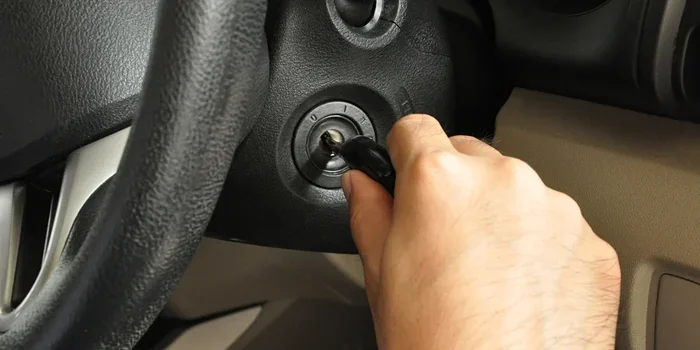
The ignition switch is the component that sends power from the battery to the starter and the engine management system. When this switch wears out, it breaks the electrical pathway. Your car simply will not start, even if the battery and starter are in perfect condition.
How to Identify an Ignition Switch Failure
Ignition switch issues often show up in subtle ways before they completely fail. You might notice the dashboard flickers when you turn the key. The engine might stall suddenly while driving. Or the key might feel stiff and hard to turn in the ignition cylinder.
A simple test can help you narrow down this problem. Turn the key to the “on” position and check if the dashboard lights come on normally. If they do not, or if they come and go, the ignition switch is a strong suspect. Replacing an ignition switch typically costs between 100 and 250 dollars for parts and labor combined.
Fuel System Issues
Your engine needs three things to run: spark, air, and fuel. When the fuel system fails, the engine has nothing to combust. This is one of the most overlooked reasons why a car wont start, especially when the battery and starter both test fine.
Clogged Fuel Filter
The fuel filter keeps dirt and debris out of the engine. Over time, it collects so much contamination that it restricts fuel flow. A clogged fuel filter starves the engine of gas, making it impossible to start or causing the engine to stall under load.
Most manufacturers recommend replacing the fuel filter every 30,000 to 50,000 miles. Check your owner’s manual for the specific interval. Replacing a fuel filter is a relatively inexpensive repair and one of the easiest maintenance tasks a mechanic can perform.
Failing Fuel Pump
The fuel pump pushes gas from the tank to the engine. When it starts to fail, you might notice the engine hesitating or losing power under heavy acceleration. Eventually, a completely dead fuel pump means the engine will not start at all.
You can test for a failing fuel pump by turning the key to the “on” position without starting the engine. You should hear a faint humming sound from the back of the car, near the fuel tank. If you hear nothing, the fuel pump might be dead. Replacing a fuel pump is a more expensive repair, typically ranging from 400 to 800 dollars depending on the vehicle model.
Empty Fuel Tank
It sounds obvious, but running out of fuel happens more often than you might think. Modern fuel gauges can sometimes give inaccurate readings, especially in older vehicles. If you have been pushing the limits on a low tank, the fuel pump might be sucking air instead of gasoline. Always try to keep your tank at least a quarter full to protect the fuel pump and avoid this situation.
Fuel System Problem Comparison
| Problem | Main Symptom | Average Repair Cost | Difficulty to Fix |
|---|---|---|---|
| Clogged Fuel Filter | Engine cranks but won’t fire | 50 to 150 dollars | Easy |
| Failing Fuel Pump | No start, engine stalls under load | 400 to 800 dollars | Moderate |
| Empty Fuel Tank | Complete silence or cranking with no fire | Free (just add fuel) | Very Easy |
| Bad Fuel Injector | Rough idle, misfires, no start | 150 to 400 dollars | Moderate |
Spark Plug and Ignition Coil Issues
Without a proper spark, the fuel and air mixture in the engine cylinders will never ignite. Spark plugs deliver that critical electrical spark at exactly the right moment. When they wear out or become fouled, the engine either runs rough or fails to start completely.
Signs Your Spark Plugs Need Replacement
- The engine cranks for a long time before starting.
- You notice rough idling or misfires while driving.
- Your fuel economy has dropped noticeably.
- The engine feels sluggish when you accelerate.
- You have not replaced the spark plugs in over 30,000 miles.
Ignition coils work hand in hand with spark plugs. They transform the battery’s low voltage into the thousands of volts needed to create a spark. A failed ignition coil means no spark reaches the cylinder, and the engine will not start. Replacing spark plugs is one of the most affordable maintenance items, usually costing between 50 and 150 dollars for a full set.
Cold Weather and Thick Engine Oil
Cold weather is a notorious enemy of car starting systems. Low temperatures reduce the battery’s ability to deliver power. At the same time, thickened engine oil creates more resistance against the moving parts. The combined effect makes it much harder for the engine to turn over.
How Cold Weather Affects Your Battery
At 32 degrees Fahrenheit, a car battery loses about 35 percent of its strength. At 0 degrees, that number jumps to 60 percent or more. This is why winter mornings are the most common time for starting failures. If your battery was already weak, cold weather is the final straw that kills it completely.
Tips for Cold Weather Starting
Switching to a thinner synthetic oil can make a big difference in cold climates. Synthetic oil flows more easily at low temperatures, reducing the strain on the starter motor. You can also use a block heater or battery blanket to keep the engine warm during freezing nights. Parking your car in a garage whenever possible helps protect the battery and engine from the worst of the cold.
Quick Tips for Winter
Keep your gas tank above half full during winter to prevent fuel line freeze-up. Check your battery’s age before the cold season hits. And if your car sits unused for days in freezing weather, consider using a battery maintainer trickle charger to keep the charge level stable.
Immobilizer and Security System Problems
Modern vehicles come equipped with anti-theft immobilizer systems. These systems prevent the engine from starting unless the correct key or key fob is recognized. While this feature keeps your car safe, it can also cause frustrating starting problems when something goes wrong.
A weak key fob battery is the most common cause of immobilizer issues. If the car does not recognize the fob, it will not allow the engine to start. You might see a security warning light flashing on the dashboard. Replacing the small coin-cell battery inside the fob usually solves this problem immediately.
In rare cases, the immobilizer module itself can malfunction. Water damage, electrical shorts, or software glitches can all trigger this problem. If you have tried everything else and the car still will not start, it is worth having a dealer or specialist check the immobilizer system. This is one of those less obvious reasons why a car wont start that many drivers overlook.
Timing Belt or Chain Failure
The timing belt or chain synchronizes the movement of the crankshaft and camshaft. When this critical component breaks, the engine stops instantly. In interference engines, a broken timing belt can even cause internal valve damage, turning a simple repair into a very expensive one.
Timing belt failure usually happens without warning. The belt stretches and wears over time, and eventually it snaps. Most manufacturers recommend replacing the timing belt every 60,000 to 100,000 miles. If your car has reached that mileage and suddenly will not start, the timing belt should be one of the first things a mechanic checks.
Common Mistakes That Cause Starting Problems
Many drivers unknowingly develop habits that lead to starting issues. Avoiding these common mistakes can save you from unexpected breakdowns.
- Leaving accessories plugged in overnight. Phone chargers, dash cams, and GPS devices draw power even when the engine is off.
- Ignoring dashboard warning lights. The battery light or check engine light often appears long before a complete failure.
- Driving on low fuel regularly. This stresses the fuel pump and can cause it to overheat and fail prematurely.
- Skipping regular maintenance. Spark plugs, fuel filters, and timing belts all have service intervals for a reason.
- Turning the key too aggressively. If the engine does not start immediately, waiting 10 seconds between attempts protects the starter motor from overheating.
Expert Insight
Experienced mechanics often say that the best repair is the one you never need. Regular preventive maintenance catches small problems before they become big ones. A simple battery test during every oil change can reveal weakness long before you are stranded on a cold morning.
When to Call a Professional
While many starting problems can be diagnosed and fixed at home, some situations require professional help. If you have checked the battery, terminals, and fuel level and the car still will not start, it is time to call a mechanic. Electrical problems can be complex, and guessing the wrong cause can lead to wasted money and unnecessary part replacements.
Also, if you hear a grinding or knocking noise when trying to start the car, stop immediately. Continuing to attempt starting can cause additional damage to the engine. A professional diagnostic session with an OBD-II scanner can reveal hidden fault codes that point directly to the problem. Many auto parts stores offer free diagnostic scans, so take advantage of this service before committing to expensive repairs.
Final Thoughts
Understanding the reasons why a car wont start gives you confidence and saves both time and money. Most starting problems come down to a handful of common causes: the battery, starter motor, fuel system, ignition switch, or spark plugs. By learning to recognize the symptoms and apply the right fix, you can handle many of these situations on your own.
Prevention is always better than cure. Regular maintenance, smart driving habits, and paying attention to warning signs keep your car reliable and ready to go. Keep your battery terminals clean, replace worn spark plugs on schedule, and never ignore a dashboard warning light. These small efforts add up to a car that starts every single time.
The next time your car refuses to turn over, stay calm and work through the list systematically. Start with the simplest and most common cause, and work your way down. With the knowledge in this guide, you have everything you need to diagnose the problem and get back on the road with confidence.
Frequently Asked Questions
What are the top reasons why a car wont start?
The most common reasons include a dead battery, corroded terminals, a faulty starter motor, a bad ignition switch, fuel pump failure, and spark plug issues. Cold weather and empty fuel tanks also rank high on the list. Checking the battery first is always the best first step because it is the most frequent cause.
How can I tell if the battery or the starter is the problem?
If you hear a single click or complete silence when turning the key, the battery is likely the issue. If you hear rapid clicking or a grinding noise, the starter motor is probably failing. A simple battery voltage test can confirm a dead battery, while a starter draw test requires professional tools.
Can a bad key fob prevent a car from starting?
Yes, absolutely. Modern cars use transponder keys and key fobs that communicate with the immobilizer system. A weak fob battery is the most common reason for this type of failure. Replacing the small coin-cell battery inside the fob usually resolves the problem instantly.
How do I know if my fuel pump has failed?
Turn the key to the “on” position without starting the engine. Listen for a faint humming sound from the back of the car near the fuel tank. If you hear nothing, the fuel pump may be dead. Other signs include the engine stalling under load and difficulty starting after the car sits for a while.
Is it safe to keep trying to start the car if it wont turn over?
No, repeated attempts can overheat and damage the starter motor. Wait at least 10 seconds between each attempt. If the car does not start after three or four tries, stop and diagnose the problem instead of continuing to crank the engine.
How much does it cost to fix a car that wont start?
The cost depends entirely on the cause. A dead battery replacement costs around 100 to 250 dollars. A starter motor replacement runs between 200 and 400 dollars. Fuel pump repairs can range from 400 to 800 dollars. Ignition switch replacements are typically 100 to 250 dollars. Always get a diagnostic before committing to a repair.
=== CONCLUSION ===
Reasons why a car wont start boil down to a few key systems: the battery, starter, fuel delivery, ignition, and electrical connections. By understanding how each system works and recognizing the warning signs, you can tackle most starting problems with confidence. Regular maintenance and smart habits go a long way in preventing these issues altogether. Keep this guide handy, share it with fellow drivers, and remember that most starting problems have straightforward solutions. Your car will start again, and you will be back on the road before you know it.