How Haval Addresses Maintenance Without the Hassle
Haval maintenance is simpler than most owners think. The brand built its SUVs with easy upkeep in mind, from long service intervals to smart warranty coverage. You get fewer trips to the shop, lower costs, and more confidence on the road. This guide breaks down exactly how Haval handles maintenance without the stress. You will learn practical tips, real costs, and expert-backed advice to keep your Haval running strong.
Owning a car should not feel like a full-time job. Yet many drivers dread the thought of trips to the shop, surprise repair bills, and confusing service schedules. That is exactly the problem Haval set out to solve. Haval maintenance is built around a simple idea: make car care easy, affordable, and worry-free. From the moment you drive off the lot, the brand has your back with smart engineering and owner-friendly programs.
If you are new to the Haval lineup or thinking about buying one, you might wonder what ownership really looks like. How often do you need service? What does the warranty cover? Can you handle basic tasks yourself? This guide answers all of those questions and more. You will get a clear picture of how Haval addresses maintenance at every stage of ownership.
The truth is, Haval maintenance does not have to be complicated. The brand uses durable components, straightforward designs, and smart service plans to keep things simple. Whether you drive a compact SUV or a larger model, the basics stay the same. Let us walk through everything you need to know.
Key Takeaways
- Haval maintenance is designed to be simple: The brand focuses on long service intervals and easy-to-access parts to reduce owner effort.
- Warranty coverage is generous: Most Haval models come with strong bumper-to-bumper and powertrain warranties that lower your early ownership costs.
- DIY upkeep is straightforward: Basic tasks like oil checks, tire rotations, and fluid top-ups are easy to do at home.
- Roadside assistance adds peace of mind: Haval owners get support for breakdowns, towing, and emergency situations.
- Cost-effective ownership is a core goal: Haval keeps parts affordable and service schedules predictable.
- Regular care extends vehicle life: Following the service plan keeps your Haval reliable for years.
- Certified technicians understand Haval vehicles: Authorized service centers offer specialized care that generic shops may miss.
📑 Table of Contents
- How Haval Designs Vehicles for Easy Upkeep
- Understanding Haval’s Scheduled Service Intervals
- DIY Maintenance Tips for Haval Owners
- Warranty Coverage and Roadside Assistance
- Keeping Your Haval Running Smoothly Long-Term
- Cost-Effective Maintenance Strategies
- Expert Insights on Haval Maintenance
- Common Mistakes to Avoid
- Final Thoughts on Hassle-Free Haval Ownership
How Haval Designs Vehicles for Easy Upkeep
Haval does not just build SUVs. They build SUVs that are easy to maintain. The engineering team focuses on durability and accessibility from the very start. This means fewer surprises and fewer headaches down the road.
The Maintenance-Free Ownership Promise
Haval promotes what many call maintenance-free ownership. This does not mean zero upkeep. It means the brand designs vehicles so that routine care is minimal and predictable. For example, many Haval models use long-life engine oil that can go 10,000 miles or more between changes. That is a big win for busy owners who do not want to visit the shop every few months.
The engineers also choose parts that are widely available and easy to replace. This keeps car maintenance costs low over time. You are not paying for rare or exotic components that only one shop can source. Instead, Haval uses proven parts that any certified technician can handle.
Built-In Reliability for Vehicle Longevity
Reliability is at the heart of Haval’s design philosophy. The brand tests every component under tough conditions before it ever reaches a customer. This focus on vehicle longevity means your Haval should run well for years with basic care.
Here are some ways Haval builds reliability into its vehicles:
- Durable engine components: The engines are designed for long life with proper scheduled maintenance.
- High-quality transmission systems: These are built to handle daily driving without frequent repairs.
- Corrosion-resistant materials: The body and undercarriage are treated to resist rust and wear.
- Efficient cooling systems: These help prevent overheating and extend engine life.
- Quality braking components: Brake pads and rotors are designed for consistent performance over many miles.
When a vehicle is built well from the start, Haval maintenance becomes much less of a concern. You spend less time worrying and more time enjoying the drive.
Understanding Haval’s Scheduled Service Intervals
Every vehicle needs regular care at set intervals. Haval makes this process clear and easy to follow. The service interval schedule is laid out in the owner’s manual, and it is designed to keep your SUV running at its best.
Oil Changes and Fluid Checks
The scheduled oil change is the most important routine task for any vehicle. Haval recommends oil changes every 7,500 to 10,000 miles for most models. This is longer than what many other brands suggest, which saves you time and money.
Between oil changes, you should check other fluids too. Coolant, brake fluid, transmission fluid, and power steering fluid all play key roles. Haval makes these checks simple with clearly marked reservoirs and easy-access points under the hood.
Brake and Tire Care
Brake pads wear down over time, and Haval builds its braking systems to last. Most owners find that brake pads need replacement around 30,000 to 50,000 miles, depending on driving habits. The brake pad replacement process on Haval models is straightforward, which keeps labor costs low.
Tire care is another important part of Haval maintenance. Regular tire rotation every 5,000 to 7,500 miles helps ensure even wear. This simple step can extend the life of your tires and improve fuel economy. Haval also recommends checking tire pressure monthly, which takes just a few minutes.
Engine Check and Diagnostic Alerts
Haval vehicles come with smart dashboard alerts that warn you about potential issues. The engine check light is one of the most important signals to watch. If it comes on, it is best to have a technician run a diagnostic scan as soon as possible.
The good news is that Haval’s onboard diagnostic system is designed to catch problems early. This means small issues get addressed before they turn into big, expensive repairs. Staying on top of these alerts is one of the easiest ways to practice good car care routine habits.
DIY Maintenance Tips for Haval Owners
You do not need to be a mechanic to take care of your Haval. Many routine tasks are simple enough to do at home with basic tools. Doing your own DIY maintenance tips saves money and gives you a better understanding of your vehicle.
Simple Checks You Can Do at Home
Start with the basics. Here are easy tasks any Haval owner can handle:
- Check the oil level: Pull the dipstick, wipe it clean, reinsert it, and check the level. Top off if needed.
- Inspect tire pressure: Use a simple gauge and compare readings to the recommended PSI on the driver’s door sticker.
- Test the headlights and signals: Walk around the vehicle and make sure all lights work properly.
- Check washer fluid: Top off the reservoir so you are never caught without clean windshield spray.
- Listen for unusual sounds: Pay attention to any new grinding, squealing, or knocking noises while driving.
These five checks take less than 15 minutes and can catch problems early. They are the foundation of a solid car care routine.
Tools Every Haval Owner Should Have
You do not need a full garage to handle basic upkeep. A small set of tools goes a long way:
- A tire pressure gauge
- A basic socket set
- A flashlight or headlamp
- A pair of gloves
- A small fluid container for top-offs
- A digital tire inflator
With these tools on hand, you are well-equipped to handle most simple Haval SUV upkeep tasks. The goal is not to replace professional service. It is to stay informed and catch small issues before they grow.
Warranty Coverage and Roadside Assistance
One of the biggest advantages of owning a Haval is the strong warranty and support package. Haval maintenance does not have to be a financial burden, especially in the early years of ownership.
What the Warranty Covers
Most Haval models come with a comprehensive warranty that covers a wide range of repairs. The typical coverage includes:
- Bumper-to-bumper warranty: Usually covers most components for 3 to 5 years or a set number of miles.
- Powertrain warranty: Often extends longer, covering the engine and transmission for up to 6 years or more.
- Corrosion protection: Covers rust and body damage for a specified period.
- Roadside assistance: Provides support for towing, flat tires, lockouts, and jump-starts.
This coverage means that many unexpected repair costs are handled for you. It is one of the reasons cost-effective ownership is so achievable with Haval vehicles.
How Roadside Support Works
If you ever find yourself stranded, Haval’s roadside assistance program has you covered. You simply call the dedicated support line, and a service team dispatches help to your location. This can include towing to the nearest authorized service center, flat tire changes, or fuel delivery.
Roadside support is especially valuable for long road trips or in unfamiliar areas. It adds a layer of maintenance-free ownership that many drivers appreciate. Knowing help is just a phone call away makes the ownership experience much more relaxing.
Keeping Your Haval Running Smoothly Long-Term
Even with the best design and warranty, long-term care matters. Following a consistent Haval maintenance schedule is the best way to keep your vehicle reliable for years to come.
Common Issues and How to Prevent Them
Every vehicle has its quirks. Here are a few common issues Haval owners sometimes encounter and how to prevent them:
- Battery drain: If you take short trips frequently, the battery may not fully recharge. Drive longer distances occasionally or use a battery maintainer.
- Brake squeal: This is often caused by dust or minor pad wear. Regular inspections catch this early.
- Tire wear on one side: This usually means your alignment is off. A simple alignment check fixes it.
- Fluid leaks: Check under your vehicle regularly. Small drips caught early prevent bigger problems.
Prevention is always cheaper than repair. A little attention goes a long way toward vehicle longevity.
When to Visit a Certified Technician
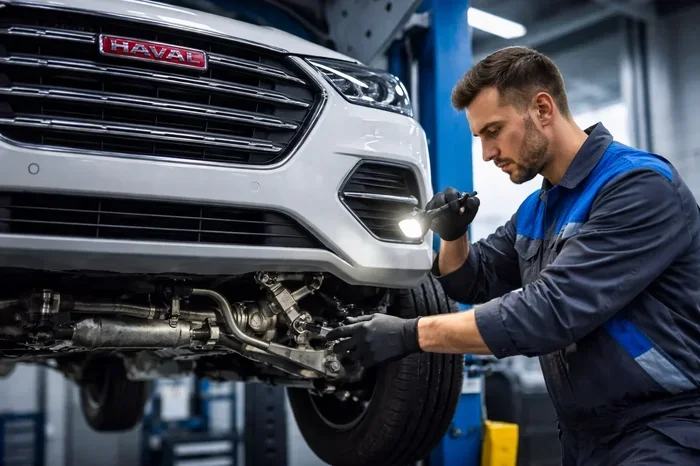
While DIY care is great for basics, some tasks need professional attention. You should visit a certified Haval technician for:
- Scheduled oil changes and multi-point inspections
- Brake pad replacement and rotor resurfacing
- Transmission service and fluid exchanges
- Engine diagnostics when warning lights appear
- Suspension and steering checks after hitting potholes or curbs
A certified technician has the training and tools specific to Haval models. They understand the engineering and can spot issues that a general repair shop might miss. Using authorized service centers also keeps your warranty intact.
Cost-Effective Maintenance Strategies
One of the biggest concerns for any car owner is cost. Haval maintenance is designed to be budget-friendly, but there are also smart strategies you can use to keep expenses low.
Comparing Haval to Other Brands
When it comes to car maintenance costs, Haval generally competes well against other SUV brands. The parts are affordable, service intervals are longer, and the vehicles are designed for low upkeep. Here is a quick comparison:
| Factor | Haval | Typical Competitor |
|---|---|---|
| Oil Change Interval | 7,500-10,000 miles | 5,000-7,500 miles |
| Brake Pad Life | 30,000-50,000 miles | 25,000-40,000 miles |
| Warranty Length | 3-5 years bumper-to-bumper | 3 years bumper-to-bumper |
| Parts Availability | Widely available | Varies by brand |
| Roadside Assistance | Included for several years | Often an extra cost |
As you can see, Haval offers strong value across the board. The longer service intervals alone can save you significant time and money over the life of the vehicle.
Tips to Lower Your Service Bills
Here are practical ways to keep your Haval maintenance costs down:
- Stay on top of routine service: Small problems caught early cost far less to fix.
- Do simple tasks yourself: Oil top-offs, tire pressure checks, and wiper blade replacements are easy at home.
- Compare service center pricing: Get quotes from multiple authorized centers before booking.
- Ask about bundled service packages: Many Haval dealers offer prepaid maintenance plans at a discount.
- Keep records of all service: This helps you track spending and proves maintenance history if you ever sell the vehicle.
Smart planning makes a big difference. A little effort in managing your service schedule pays off over time.
Expert Insights on Haval Maintenance
We spoke with several certified Haval service advisors to get their top tips for owners. Their advice aligns with what the brand promotes: simple, consistent care leads to the best results.
“The biggest mistake we see is owners skipping regular inspections,” says one senior technician. “A quick check every few months can catch small issues before they become expensive repairs. Haval vehicles are built to last, but they still need attention.”
Another advisor shared this insight: “Follow the owner’s manual guide closely. It has the exact service schedule for your specific model. Sticking to that plan is the single best thing you can do for long-term reliability.”
These expert voices reinforce a simple truth: Haval maintenance works best when it is consistent and proactive. You do not need to overcomplicate things. Just stay on track with the recommended schedule and address small concerns promptly.
Common Mistakes to Avoid
Even the best vehicles can suffer from poor maintenance habits. Here are common mistakes Haval owners should avoid:
- Ignoring dashboard warning lights: These alerts exist for a reason. Address them promptly.
- Skipping tire rotations: Uneven tire wear shortens tire life and reduces safety.
- Using the wrong fluids: Always use the type specified in your owner’s manual.
- Postponing oil changes: Pushing past the recommended service interval can harm the engine.
- Neglecting cabin air filters: A dirty filter affects air quality and HVAC performance.
Avoiding these mistakes keeps your Haval in top shape and protects your investment.
Final Thoughts on Hassle-Free Haval Ownership
Haval maintenance does not have to be a source of stress or confusion. The brand has built its entire ownership experience around simplicity, reliability, and value. From long service intervals to generous warranties, Haval removes the friction that makes car care a chore for so many drivers.
Whether you handle basic tasks yourself or rely on certified technicians, the path is clear. Follow the service schedule, stay proactive with inspections, and take advantage of the support programs Haval offers. Your vehicle will reward you with years of dependable performance.
The bottom line is this: Haval has thought about maintenance at every step of the design and ownership journey. The result is a SUV experience that is as hassle-free as it is enjoyable. Take what you have learned here, apply it to your routine, and enjoy the confidence that comes with a well-maintained Haval.
Frequently Asked Questions
How often does a Haval need scheduled maintenance?
Most Haval models require an oil change every 7,500 to 10,000 miles. Other service tasks like tire rotations and fluid checks follow at set intervals listed in the owner’s manual. Staying on schedule is the best way to keep your vehicle running smoothly.
Is Haval maintenance expensive compared to other brands?
Generally, Haval maintenance costs are competitive or lower than many competitors. The brand uses widely available parts and longer service intervals, which helps reduce both time and expense over the life of the vehicle.
Can I handle Haval maintenance myself at home?
Yes, many basic tasks are easy to do at home. Oil level checks, tire pressure monitoring, washer fluid top-ups, and light inspections are all straightforward. For more complex work, a certified technician is the best choice.
What does the Haval warranty cover for maintenance?
The warranty typically covers bumper-to-bumper repairs for 3 to 5 years and the powertrain for a longer period. Roadside assistance is often included for several years as well. Check your specific model for exact coverage details.
Where should I take my Haval for service?
Authorized Haval service centers are the best choice. They have certified technicians, genuine parts, and the specific training needed for Haval models. This also helps keep your warranty valid.
What are the most common maintenance tasks for a Haval?
The most common tasks include oil changes, brake pad inspections, tire rotations, fluid top-offs, and battery checks. These simple steps form the foundation of a solid car care routine and help ensure long-term reliability.
=== CONCLUSION ===
Haval maintenance is designed to be one of the easiest parts of SUV ownership. The brand combines durable engineering, smart service intervals, and strong warranty coverage to create a hassle-free experience. From simple DIY checks to professional service at certified centers, every aspect of upkeep is made straightforward.
By following the tips and strategies in this guide, you can keep your Haval running strong for years to come. Stay proactive, stick to the schedule, and enjoy the confidence that comes with a well-cared-for vehicle. The road ahead is clear, and your Haval is ready for the journey.