Can a BMW Last 300K Miles Heres What You Should Know
Can a BMW last 300K miles? The short answer is yes, but it depends on several key factors like maintenance, driving habits, and model choice. A well-cared-for BMW can absolutely hit the 300,000-mile mark with the right BMW maintenance schedule and attention to common wear items. Owners who stay on top of BMW repair needs and address small issues early see far fewer major problems down the road. This guide covers everything you need to know about BMW reliability at high mileage.
Many car lovers dream of pushing their BMW past the 300,000-mile mark. The question is simple: can a BMW last 300K miles? The answer is more encouraging than most people think. With the right approach, a BMW can easily become a long-term companion that delivers years of driving joy.
But reaching 300K miles is not automatic. It takes work, knowledge, and a commitment to staying on top of BMW maintenance. This guide walks you through everything you need to know about BMW longevity. You will learn what makes some BMWs last longer, what problems to watch for, and how to keep your car running strong for decades.
Whether you already own a high-mileage BMW or are thinking about buying one, this article gives you the real talk you need. No fluff, no sales pitch. Just honest, practical advice from someone who understands BMW reliability inside and out.
Key Takeaways
- BMW engines can last 300K miles: With proper care and regular maintenance, BMW engines are built to handle high mileage.
- Maintenance is the #1 factor: Consistent oil changes, coolant flushes, and timing chain replacements make all the difference.
- Some BMW models are more reliable: Certain models hold up better at high mileage than others.
- Common problems are manageable: Issues like coolant leaks and timing chain stretch are fixable when caught early.
- A high-mileage BMW can be a smart buy: Well-maintained high-mileage BMWs offer great value and still deliver excellent performance.
- Driving habits matter: Gentle driving and regular warm-ups extend engine life significantly.
- Budget for repairs: Setting aside money for BMW maintenance cost helps owners handle unexpected issues without stress.
📑 Table of Contents
Why BMW Longevity Matters
BMW stands for Bavarian Motor Works, and these cars have a reputation for performance and luxury. But that reputation comes with a cost. BMW maintenance cost can be higher than what you pay for a Honda or Toyota. So why do so many people still invest in keeping a BMW on the road past 200,000 miles?
The answer comes down to driving experience. A well-maintained BMW at 300K miles still feels alive. The steering is tight. The engine sounds smooth. And the resale value, while lower than a new car, still holds up better than many competitors. When you consider the BMW resale value at high mileage, the math starts to make sense.
Also, there is something deeply satisfying about owning a car that has proven its durability. A BMW that has survived 300K miles has earned its place. It is not just transportation anymore. It is a statement about what you value in a machine.
The Cost of Replacing vs. Maintaining
Here is a hard truth. A new BMW costs anywhere from $40,000 to $70,000 or more. A well-maintained high-mileage BMW might cost $10,000 to $20,000. The BMW maintenance cost over the years adds up, but it still comes out far cheaper than buying new every few years. Smart owners keep their BMWs longer and save real money in the process.
Factors That Determine BMW Lifespan
Not every BMW will make it to 300K miles. Several factors decide whether your car becomes a high-mileage survivor or a garage queen that gets traded in early. Understanding these factors helps you take control of your BMW’s future.
Maintenance History
This is the single biggest factor. A BMW with full service records and consistent BMW oil change intervals will last far longer than one that has been neglected. Here is what matters most:
- Regular oil changes: BMW engines need clean oil every 5,000 to 7,500 miles. Skipping oil changes is the fastest way to kill an engine.
- Coolant system flushes: BMW cooling systems are prone to leaks. Flushing the coolant every 30,000 miles prevents costly damage.
- Timing chain inspection: The BMW timing chain is a known weak point. Checking it early can prevent catastrophic engine failure.
- Brake fluid and transmission fluid changes: These fluids break down over time and need regular replacement.
Driving Habits
How you drive affects how long your BMW lasts. Aggressive driving puts extra stress on the engine, transmission, and brakes. Short trips where the engine never fully warms up cause moisture to build up inside the engine oil. Both habits shorten engine life.
On the other hand, gentle driving with proper warm-up periods helps the engine stay healthy. Highway driving at steady speeds is actually easier on a BMW than constant city stop-and-go traffic. The best high mileage BMW owners know how to drive with care.
Model and Engine Type
Not all BMWs are created equal when it comes to longevity. Some engines are known to be more durable than others. The inline-6 engines from BMW have a legendary reputation for lasting well past 300K miles. The V8 engines also hold up well with proper care.
Smaller engines and turbocharged four-cylinder engines can still last a long time, but they may need more attention to turbo-related components. The BMW model comparison matters a lot when you are planning to drive 300,000 miles.
Climate and Storage Conditions
Where you live and how you store your BMW also plays a role. Cars driven in cold climates face more wear on engine components during warm-up. Cars driven in hot climates deal with more stress on cooling systems. Garage-kept BMWs tend to last longer than those left outside in all weather conditions.
Common BMW Problems at High Mileage
Every car develops issues as it ages. BMWs are no different. The good news is that most of these problems are predictable and fixable. The key is catching them early before they turn into expensive disasters.
Timing Chain Stretch
The BMW timing chain stretch problem is one of the most well-known issues. It affects many models, especially those with the N20 and N55 engines. Symptoms include a rattling noise on startup, rough idling, and loss of power.
If you ignore a stretched timing chain, it can lead to engine failure. The fix involves replacing the timing chain, tensioner, and guides. This repair costs between $1,500 and $3,000 depending on the model. It is expensive but far cheaper than a new engine.
Coolant System Leaks
BMW coolant systems are notorious for developing leaks. The water pump, thermostat housing, and coolant pipes are common failure points. A small coolant leak might seem minor, but it can lead to overheating and serious engine damage if left unchecked.
Watch for any puddles under your car or a drop in the coolant level. Addressing a small leak early costs a fraction of what a full engine repair would cost.
Electrical Gremlins
Older BMWs are known for electrical issues. Everything from the iDrive system to power window regulators can fail as the car ages. These problems are annoying but rarely dangerous. Most electrical repairs are straightforward and affordable.
Valve Cover Gasket Leaks
The valve cover gasket is another common BMW problem. It leaks oil and can cause messy under-hood conditions. Replacing a valve cover gasket is a routine repair that costs a few hundred dollars. Ignoring it can lead to oil loss and engine damage.
Transmission Concerns
BMW automatic transmissions, especially the ZF 8-speed, are generally reliable. But they do need regular fluid changes. Manual transmissions tend to last even longer with proper care. Watch for any slipping or hesitation, and address it immediately.
Maintenance Tips for 300K Miles
Want your BMW to hit 300K miles? Here is the roadmap. These BMW repair tips come straight from experienced owners and technicians who have kept their BMWs on the road for decades.
Stick to a Strict Maintenance Schedule
Do not skip services. Follow the BMW maintenance schedule to the letter. Here is a quick checklist for high-mileage BMW owners:
- Oil changes every 5,000 to 7,500 miles with high-quality synthetic oil.
- Coolant flush every 30,000 miles to prevent corrosion and leaks.
- Transmission fluid change every 50,000 miles for automatic transmissions.
- Brake fluid flush every 2 years to maintain braking performance.
- Timing chain inspection at 100,000 miles and every 50,000 miles after that.
- Spark plug replacement every 60,000 to 100,000 miles depending on the engine type.
- Belts and hoses inspection every 30,000 miles to catch wear before failure.
Use Quality Parts and Fluids
BMW engines run best with quality fluids and parts. Cheap oil and aftermarket parts might save money upfront, but they can cause problems that cost much more later. Stick with BMW-approved fluids and OEM or high-quality replacement parts.
Listen to Your Car
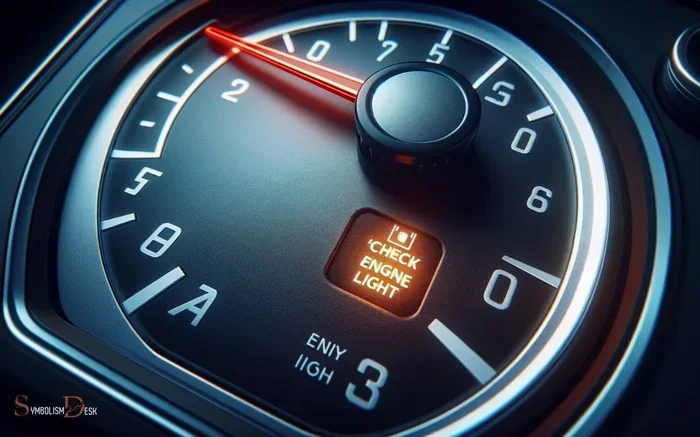
Your BMW will tell you when something is wrong. Unusual noises, vibrations, warning lights, or changes in performance are all signals. Do not ignore them. The sooner you address an issue, the cheaper and easier the repair will be.
Find a Good BMW Specialist
You do not need to go to the dealer for every repair. Many independent BMW specialists offer excellent service at a fraction of the dealer price. Find a shop that knows BMWs well and build a relationship with them.
Keep Records
Document every service, repair, and inspection. A complete maintenance record makes a huge difference when you sell the car. It also helps you track patterns and catch recurring issues early.
Best BMW Models for High Mileage
Not all BMW models are equally suited for 300K miles. Some have proven track records of durability. Here is a look at the BMW models reliability at the top of the list.
| Model | Engine | Known for | 300K Mile Viability |
|---|---|---|---|
| E46 3 Series | M54 Inline-6 | Legendary reliability | Excellent |
| E39 5 Series | M54 Inline-6 | Smooth and durable | Excellent |
| E28 5 Series | M20 Inline-6 | Simple and robust | Excellent |
| E36 3 Series | M50/M52 Inline-6 | Fun and reliable | Very Good |
| E34 5 Series | M50/M54 Inline-6 | Strong build quality | Very Good |
| F10 5 Series | N52/N55 Inline-6 | Modern reliability | Good |
| E30 3 Series | M20/M40 Inline-4 | Simple and fun | Good |
The older E-series BMWs with inline-6 engines have a special place in the hearts of enthusiasts. These cars are simpler, easier to work on, and built with robust engineering. Many E46 and E39 models routinely pass the 300K-mile mark with proper care.
Newer models like the F10 5 Series and F30 3 Series are also capable of high mileage, but their more complex electronics and turbocharged engines require more attention. The BMW engine lifespan in these models depends heavily on how well they are maintained.
Is a High-Mileage BMW Worth Buying?
This is one of the most common questions car buyers ask. The answer depends on your situation. A high-mileage BMW can be an incredible value if you know what to look for.
When shopping for a buying used BMW with high mileage, focus on these key areas:
- Service history: A car with full records is always preferable. If the seller cannot provide records, walk away.
- Pre-purchase inspection: Always get a BMW inspection from a qualified mechanic before buying. This single step can save you thousands of dollars.
- Visible signs of neglect: Look for oil stains, rust, worn interior components, and uneven tire wear. These tell you how well the car has been cared for.
- Mileage vs. age: A 15-year-old BMW with 150,000 miles is often better than a 10-year-old BMW with 200,000 miles. Age matters because rubber seals and gaskets degrade over time regardless of mileage.
- Model-specific issues: Research common problems for the specific model you are considering. The BMW model comparison helps you avoid models with known high-cost issues.
A well-maintained high-mileage BMW offers a unique value proposition. You get the luxury, performance, and driving feel of a BMW for a fraction of the original price. Just make sure you are prepared for the ongoing BMW maintenance cost.
The BMW Warranty Factor
BMW’s original warranty covers the car for 4 years or 50,000 miles. After that, you are on your own. Some buyers extend coverage with third-party warranties. This can provide peace of mind when buying a higher-mileage used BMW.
Conclusion
So, can a BMW last 300K miles? Absolutely. A BMW that receives proper care, regular maintenance, and timely repairs can easily reach and even exceed the 300,000-mile mark. The key ingredients are consistency, attention, and a willingness to invest in the car over the long term.
Every BMW engine lifespan story starts with the owner. If you stay on top of BMW oil change intervals, address small problems before they grow, and drive with care, your BMW will reward you with years of excellent performance. The BMW reliability at high mileage is not a myth. It is a reality for owners who take the commitment seriously.
Whether you are keeping your current BMW for the long haul or thinking about buying a high-mileage model, the information in this guide gives you a solid foundation. Trust the process, invest in maintenance, and enjoy every mile of the journey.
Frequently Asked Questions
What is the average BMW engine lifespan?
A well-maintained BMW engine can last between 200,000 and 300,000 miles or more. The BMW engine lifespan depends heavily on maintenance habits, driving conditions, and the specific engine type. Inline-6 engines tend to outlast turbocharged four-cylinder engines.
How much does it cost to maintain a BMW at high mileage?
The annual BMW maintenance cost for a high-mileage car typically ranges from $1,000 to $3,000 depending on the model and age. Major repairs like timing chain replacement or coolant system work can spike costs, but regular maintenance keeps those expenses rare.
Which BMW models are most reliable for 300K miles?
The E46 3 Series, E39 5 Series, and E28 5 Series are widely regarded as the most reliable BMW models reliability choices for high mileage. These cars feature robust inline-6 engines and simpler electronics that age well over time.
Is it worth buying a BMW with over 200,000 miles?
Yes, if the car has a solid service history and passes a thorough BMW inspection. A high-mileage BMW offers excellent value, but you must budget for ongoing maintenance and be prepared to address age-related issues as they arise.
What is the most common BMW failure at high mileage?
The BMW timing chain stretch is the most common and potentially costly failure at high mileage. Other frequent issues include coolant system leaks, valve cover gasket failures, and electrical gremlins. Regular maintenance catches most of these problems early.
How often should I change the oil in my BMW?
BMW owners should change the oil every 5,000 to 7,500 miles for optimal BMW engine lifespan. Using high-quality synthetic oil and replacing the filter with each change helps protect the engine and supports long-term reliability at high mileage.