What Is the Average Life of a Camper Van and Why It Matters
The average life of a camper van is around 10 to 15 years or 150,000 to 250,000 miles with proper care. Your van’s lifespan depends on the vehicle type, maintenance habits, driving conditions, and build quality. Knowing these factors helps you make smarter buying and ownership decisions.
Key Takeaways
- Standard lifespan: Most camper vans last 10 to 15 years or 150,000 to 250,000 miles with regular upkeep.
- Vehicle type matters: Diesel vans and purpose-built motorhomes often outlast converted vans by several years.
- Maintenance is king: Consistent servicing, rust prevention, and electrical care dramatically extend your van’s life.
- Common killers: Water damage, rust, engine neglect, and worn-out seals are the top lifespan reducers.
- Resale value drops: Older camper vans lose value, but well-maintained ones hold worth longer.
- Replacement signs: Frequent costly repairs, structural issues, and outdated systems signal it is time for a new van.
📑 Table of Contents
- What Is the Average Life of a Camper Van?
- Factors That Shape the Average Life of a Camper Van
- Common Problems That Shorten a Camper Van’s Life
- How to Extend the Life of Your Camper Van
- When Should You Replace Your Camper Van?
- Does a Longer-Lasting Camper Van Hold Its Value Better?
- How Warranty Coverage Affects Your Van’s Life
- Conclusion
What Is the Average Life of a Camper Van?
If you are dreaming of life on the road, one question keeps popping up: what is the average life of a camper van? The honest answer is that most camper vans last somewhere between 10 and 15 years. That translates to roughly 150,000 to 250,000 miles. But here is the catch — your van could last much longer or fall apart sooner depending on a few key factors.
The camper van lifespan is not a fixed number. It is more like a range. Some vans roll past the 20-year mark with loving care. Others start falling apart after just five years. The difference usually comes down to maintenance, build quality, and how hard the van has worked during its life.
Understanding the van life durability of your vehicle helps you plan better. You will know when to expect repairs, how much to budget, and when it makes sense to upgrade. This guide covers everything you need to know about how long your camper van will last and why it matters.
Let us break it all down in simple terms. Whether you already own a van or are shopping for one, this information will help you make confident decisions.
Factors That Shape the Average Life of a Camper Van
Several things determine how long your camper van will serve you well. Let us look at each one closely.
Vehicle Make and Model
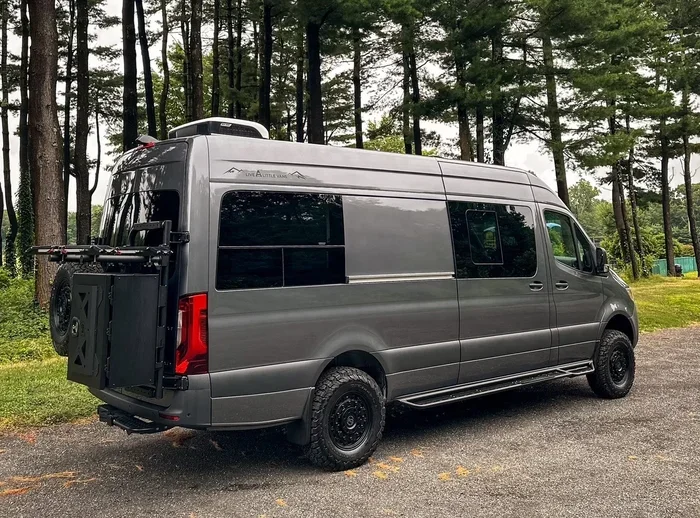
Not all vans are built the same. A diesel van lifespan often exceeds that of a gasoline-powered van. Brands like Mercedes Sprinter, Volkswagen Transporter, and Fiat Ducato are popular choices for good reason. They have strong chassis designs and proven track records on the road.
Purpose-built motorhomes from manufacturers like Winnebago or Roadtrek use specialized frames. These vehicles are designed from the ground up for living on the road. That gives them an edge over DIY conversions in many cases.
Here is a quick look at how different van types compare:
| Van Type | Typical Lifespan | Average Mileage |
|---|---|---|
| Diesel Sprinter Conversion | 15-20 years | 200,000+ miles |
| Gasoline Converted Van | 10-15 years | 150,000-200,000 miles |
| Purpose-Built Motorhome | 15-25 years | 200,000-300,000 miles |
| Budget Economy Van | 8-12 years | 100,000-150,000 miles |
As you can see, the type of van you choose plays a big role. A van chassis durability factor is often overlooked by new buyers. Thicker gauge steel and reinforced frames simply hold up better over time.
Maintenance Habits
This is the single biggest factor you can control. A well-maintained van easily outlasts a neglected one by many years. Think of it like brushing your teeth — small regular efforts prevent big problems later.
Camper van maintenance should include:
- Regular oil changes every 5,000 to 7,500 miles
- Tire rotations and alignments
- Brake inspections twice a year
- Coolant system flushes
- Transmission fluid checks
- Rust inspections on the undercarriage
Skipping these simple tasks might save you a few dollars today. But it costs you dearly down the road. A seized engine or rotted frame can end your van life early.
Driving Conditions and Usage
How and where you drive matters a lot. Vans that spend their lives on smooth highways tend to last longer than those bouncing along rough back roads. Constant stop-and-go city driving wears out brakes, transmissions, and engines faster.
Road trip vehicle lifespan also depends on climate. Vans driven in salty coastal areas face more rust. Vehicles in cold northern climates deal with road salt and freeze-thaw cycles. Hot desert climates stress cooling systems and electrical components.
The number of miles you drive each year matters too. A van that logs 5,000 miles per year often lasts longer than one doing 20,000 miles. Less use means less wear on every single part.
Build Quality and Conversion Work
A factory motorhome goes through strict quality checks. A DIY van conversion depends entirely on the builder’s skill. Poor wiring jobs, cheap seals, and improper insulation can all shorten your van’s life.
If you are converting your own van, invest in quality materials. Use marine-grade sealants. Choose camper van insulation that resists moisture buildup. Proper ventilation prevents mold and structural damage over time.
Common Problems That Shorten a Camper Van’s Life
Every van owner should know the enemies of longevity. These are the issues that silently cut years off your van’s life.
Water Damage and Moisture
Water is the number one killer of camper vans. A single small leak can cause rot, mold, and electrical failure over time. Water damage camper van problems often start at roof seams, window seals, and door gaskets.
Signs of water damage include:
- Soft spots in the floor
- Musty smells inside the living area
- Discoloration on walls or ceiling
- Corroded metal fittings
Check your seals at least twice a year. Reapply sealant when needed. Address leaks immediately — no matter how small they seem.
Rust and Corrosion
Rust eats away at your van from the inside out. The camper van frame rust problem is especially dangerous because it weakens the structure. You might not see it until the damage is severe.
Wash your van’s undercarriage regularly, especially in winter or coastal areas. Apply rust-proofing coatings every few years. Check hidden areas like wheel wells and door sills for early signs of rust.
Electrical System Failures
Modern camper vans rely heavily on electrical systems. Lights, refrigerators, water pumps, and charging systems all need power. When wiring corrodes or connections fail, your van becomes uncomfortable fast.
The camper van electrical system needs periodic inspection. Look for frayed wires, corroded terminals, and flickering lights. These are early warning signs you should not ignore.
Engine and Transmission Wear
The engine and transmission are the heart and lungs of your van. Neglecting oil changes, overheating, or skipping fluid replacements leads to premature failure. A major engine rebuild can cost more than the van is worth.
Watch for warning signs like strange noises, reduced power, or check engine lights. Address these immediately to avoid costly breakdowns on the road.
How to Extend the Life of Your Camper Van
Good news — you have plenty of control over how long your van lasts. Follow these practical steps to maximize your camper van lifespan.
Stick to a Maintenance Schedule
Create a written maintenance calendar. Track every oil change, tire rotation, and inspection. Set phone reminders for upcoming services. Consistency beats intensity when it comes to van care.
Quick Tip: Keep a simple binder with all your service records. This history boosts resale value and helps mechanics diagnose problems faster.
Invest in Quality Parts and Materials
Cheap parts fail faster and cost more in the long run. When replacing seals, gaskets, or electrical components, choose quality brands. The van conversion reliability of your build depends on the materials you use.
Practice Smart Driving Habits
Gentle driving extends every part of your van. Avoid sudden braking. Accelerate smoothly. Give your engine time to warm up in cold weather. These small habits add up to years of extra life.
Store Your Van Properly
If you park your van for long periods, take precautions. Use a quality cover. Keep the tires inflated. Start the engine and drive for at least 15 minutes every two weeks. This keeps seals from drying out and fluids circulating.
Address Small Problems Immediately
A tiny crack in your seal today becomes a soaked floor tomorrow. Small rust spots become structural failures. The van ownership costs of fixing small issues are tiny compared to major repairs.
Common Mistakes That Reduce Van Lifespan
Avoid these pitfalls that shorten your van’s life:
- Ignoring warning lights: That check engine light exists for a reason.
- Overloading the van: Too much weight strains the engine, brakes, and suspension.
- Skipping winterization: Frozen water lines burst and cause expensive damage.
- Using the wrong fluids: Always follow the manufacturer’s recommendations.
- Neglecting the roof: Your roof takes the most punishment from weather.
Expert Insight: Professional van builders say the first five years set the foundation. A van that is well cared for in its early years almost always outlasts one that is neglected from day one.
When Should You Replace Your Camper Van?
Even with the best care, every van eventually reaches the end of its useful life. How do you know when that time has come?
Here are clear signs your van might need replacing:
- Repairs cost more than the van is worth. If a single repair eats up more than half the van’s value, it is time to evaluate your options.
- Structural damage appears. Rusted frames, sagging floors, or cracked chassis rails are serious safety concerns.
- Engine and transmission problems keep recurring. Chronic mechanical issues signal the end is near.
- Electrical systems are failing throughout. When multiple systems malfunction, the wiring harness may be compromised.
- The van no longer meets your needs. Sometimes the best reason to replace is that your lifestyle has changed.
Replacing a van is a big decision. But holding onto a van past its useful life leads to constant stress and unexpected costs. Know when to let go.
Does a Longer-Lasting Camper Van Hold Its Value Better?
Yes and no. The camper van resale value of a well-maintained van stays higher longer. Buyers pay a premium for vans with clean histories and documented maintenance.
However, all vehicles depreciate over time. A 15-year-old van will be worth less than a five-year-old van no matter what. The difference is that a well-cared-for van depreciates more slowly.
Here are some tips to protect your van’s worth:
- Keep all service records organized
- Address cosmetic issues promptly
- Replace worn seals and fixtures before selling
- Store the van in a covered area
- Make small repairs before listing it for sale
When you are ready to sell, these efforts pay off. Buyers trust vans with proven maintenance histories. You get a better price and sell faster.
How Warranty Coverage Affects Your Van’s Life
Many new camper vans come with warranties. These cover repairs for parts and labor during a set period. Understanding your camper van warranty helps you plan for the future.
Factory warranties typically last 3 to 5 years. Extended warranties can push coverage out to 10 years or more. Always read the fine print. Know what is covered and what is not.
Warranties do not last forever. Once coverage ends, you are responsible for all repairs. This is exactly when your maintenance habits matter most. A van without warranty protection needs even more attentive care.
Conclusion
The average life of a camper van falls between 10 and 15 years for most vehicles. But this number is just a starting point. Your van could last 20 years or more with proper care, smart driving, and timely repairs.
The key factors are clear. Maintenance habits, vehicle type, driving conditions, and build quality all shape your van’s lifespan. Water damage, rust, and electrical failures are the biggest threats. Stay ahead of these problems and your van will reward you with years of reliable service.
Take action today. Create a maintenance plan. Learn the warning signs of common problems. Invest in quality materials if you are converting a van. These steps protect your investment and keep you on the road longer.
The road ahead is full of possibilities. A well-maintained camper van gives you the freedom to explore without worry. Take care of your van, and it will take care of you.
Frequently Asked Questions
What is the average life of a camper van in miles?
Most camper vans last between 150,000 and 250,000 miles with regular maintenance. Diesel models often push past 250,000 miles while gasoline vans typically stay in the 150,000 to 200,000 range. Your driving habits and care routine play a big role in reaching these numbers.
Can a camper van last 20 years or more?
Yes, many camper vans reach 20 years or more when properly maintained. Diesel vans with strong chassis designs are especially good at hitting this milestone. Consistent upkeep, rust prevention, and timely repairs are the secrets to reaching 20-plus years.
How often should I service my camper van to maximize its lifespan?
Follow the manufacturer’s service schedule for the engine and drivetrain. Beyond that, inspect seals, roof joints, and electrical connections twice a year. Oil changes every 5,000 to 7,500 miles keep the engine healthy for the long haul.
Does water damage really shorten a camper van’s life?
Absolutely. Water damage is the number one enemy of camper vans. Even small leaks cause rot, mold, and electrical corrosion over time. Regular seal inspections and immediate leak repairs prevent most water-related problems.
Is it worth buying an older camper van with high mileage?
It depends on the van’s history. A well-documented older van with clean maintenance records can be a great value. Always get a pre-purchase inspection and check for rust, engine health, and electrical issues before buying.
What is the first thing to check when buying a used camper van?
Start with the service history and ownership records. Then inspect the roof seals, floor for soft spots, and undercarriage for rust. Have a mechanic check the engine, transmission, and electrical systems thoroughly before you commit to the purchase.