What Are the Three Main Parts of a Car and How They Work
The three main parts of a car are the engine, the chassis, and the body with its electrical systems. Each part plays a vital role in making your vehicle run safely and efficiently. Understanding these components helps you make smarter decisions about car maintenance and repairs.
Every car on the road has one thing in common. It is made up of three main parts that work together to get you from point A to point B. These parts are the engine, the chassis, and the body with its electrical systems. You might hear mechanics talk about vehicle components or automotive parts, but at the core, every car relies on these three building blocks.
Think of your car like a human body. The engine is the heart. It pumps power through the system. The chassis is the skeleton. It holds everything together and keeps the car stable. The body and electrical system are like the skin and nervous system. They protect you and help you control the vehicle. When you understand how a car works at this basic level, things like car maintenance and troubleshooting become much easier.
Whether you are a new driver, a car enthusiast, or someone who just wants to understand what is under the hood, this guide is for you. We will walk through each of the three main parts of a car in detail. You will learn what each part does, how it works, and why it matters. No jargon. No confusing terms. Just clear, simple explanations that anyone can follow.
Key Takeaways
- The Engine: The engine is the power source that converts fuel into motion through a series of controlled explosions.
- The Chassis: The chassis acts as the car’s skeleton, supporting the frame, wheels, suspension, steering, and braking systems.
- The Body and Electrical System: The body protects passengers and cargo while the electrical system powers everything from lights to the infotainment unit.
- They Work Together: All three parts must function in harmony for a smooth and safe driving experience.
- Basic Knowledge Helps: Knowing these three parts makes car ownership less intimidating and more cost-effective.
📑 Table of Contents
- The Engine: The Heart of Your Vehicle
- The Chassis: The Skeleton of Your Car
- The Body and Electrical System: Protection and Intelligence
- How All Three Parts Work Together
- Quick Tips for Understanding Your Car Better
- Common Mistakes People Make About Car Parts
- Expert Insights on Car Maintenance
- Conclusion
The Engine: The Heart of Your Vehicle
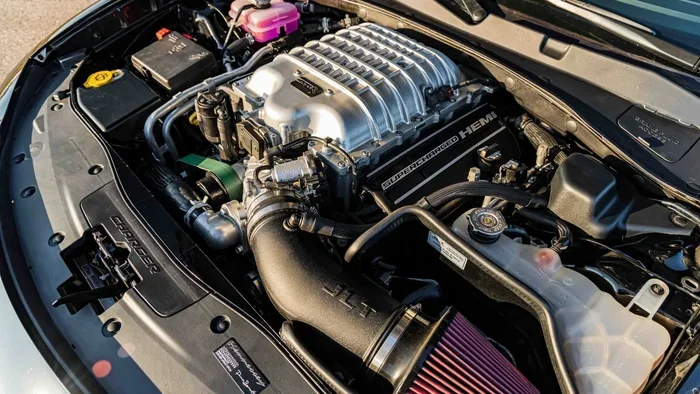
The engine is the most important part of any car. It is what makes the car move. Without a working engine, your vehicle is just a big piece of metal sitting in the driveway. The engine system converts fuel into energy. That energy turns the wheels and powers everything else in the car.
Most cars on the road today use what is called an internal combustion engine. This might sound complicated, but the idea is simple. Fuel mixes with air inside a cylinder. A spark plug ignites that mixture. The explosion pushes a piston down. That motion creates the power needed to move the car. This cycle repeats thousands of times per minute.
How Does a Car Engine Work?
The engine works in a cycle of four steps. First, air and fuel enter the cylinder. Second, the spark plug ignites the mixture. Third, the explosion pushes the piston down. Fourth, the exhaust gases are pushed out. This four-stroke cycle is the backbone of engine mechanics. It happens in every cylinder, over and over again, to keep your car moving.
The number of cylinders matters too. A four-cylinder engine is common in small cars. Six-cylinder and eight-cylinder engines are found in larger vehicles and trucks. More cylinders usually mean more power. But they also mean more fuel consumption. This is why powertrain basics are important to understand when choosing a car.
Key Engine Components You Should Know
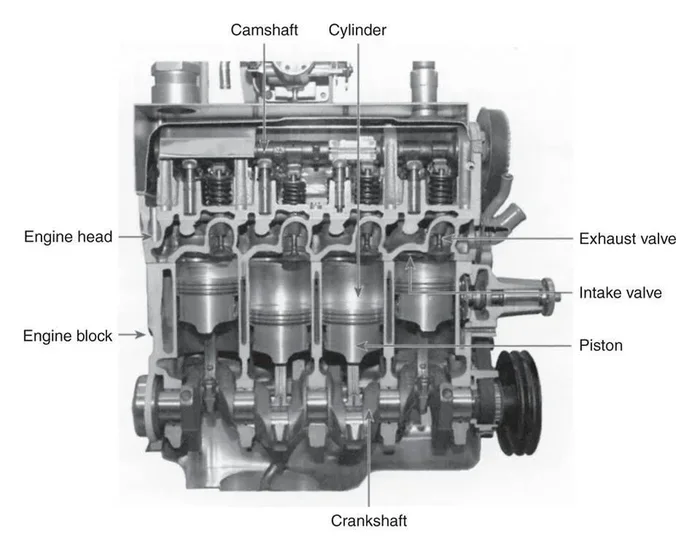
Every engine has several important parts that work together. Here are the key car engine parts you should be familiar with:
- Pistons: These move up and down inside the cylinders. They convert the explosion energy into mechanical motion.
- Crankshaft: This connects to the pistons and turns their up-and-down motion into rotational force.
- Camshaft: This controls when the valves open and close to let air and fuel in and exhaust out.
- Cylinder Block: This is the main structure of the engine. It houses the cylinders and pistons.
- Spark Plugs: These create the spark that ignites the fuel-air mixture.
- Fuel Injector: This sprays fuel into the cylinders at the right time.
- Exhaust System: This removes the burned gases from the engine.
- Cooling System: This keeps the engine from overheating during operation.
Knowing these parts helps you talk to mechanics with more confidence. It also makes it easier to understand car maintenance tips and repair estimates. When someone mentions the crankshaft or the camshaft, you will know exactly what they mean.
The Chassis: The Skeleton of Your Car
If the engine is the heart, the chassis is the skeleton. The car chassis is the frame that holds everything together. It supports the engine, the body, the wheels, and the passengers. Without a strong chassis, your car would fall apart on the road.
The chassis is often hidden underneath the car. You rarely see it, but it is always working hard. It absorbs bumps, handles turns, and keeps the car stable at high speeds. Understanding the vehicle structure starts with understanding the chassis.
What Makes Up the Chassis?
The chassis is not just one single part. It is a collection of systems that work together. Here is what makes up the car frame and chassis system:
- Frame: The main structural support. Think of it as the backbone of the car.
- Transmission System: This transfers power from the engine to the wheels. It allows the car to change gears and speeds.
- Suspension System: This absorbs shocks from the road. It keeps the ride smooth and the tires in contact with the ground.
- Steering System: This lets you control the direction of the car.
- Braking System: This slows the car down and brings it to a stop.
- Wheels and Tires: These are the parts that actually touch the road.
Each of these vehicle components plays a critical role. The transmission system makes sure power reaches the wheels efficiently. The suspension system keeps you comfortable on rough roads. The steering system gives you control. And the braking system keeps you safe. Together, they form the backbone of car systems overview knowledge.
Suspension and Steering Explained
The suspension system is more complex than it looks. It includes springs, shock absorbers, and linkages. These parts work together to absorb bumps and keep the car level. When you drive over a pothole, the suspension takes the hit so you do not feel every bump.
The steering system connects your steering wheel to the wheels. When you turn the wheel, the steering system redirects the wheels. Most modern cars use a rack-and-pinion steering system. This is simple, reliable, and responsive. Together, the suspension and steering systems make sure your car handles well and feels safe to drive.
Brakes and Wheels
The braking system is one of the most important safety features in any car. When you press the brake pedal, brake pads clamp onto the rotors. This creates friction that slows the wheels down. The braking system needs regular maintenance to work properly. Worn brake pads can increase stopping distance significantly.
Wheels and tires are the only parts of the car that touch the road. The tire type affects traction, fuel efficiency, and ride comfort. All-season tires work well in most conditions. Performance tires offer better grip but wear out faster. Understanding your car parts list includes knowing what type of wheels and tires your car has.
The Body and Electrical System: Protection and Intelligence
The third of the three main parts of a car is the body and electrical system. The body protects you and your passengers from the outside world. The electrical system gives your car its intelligence. Together, they make driving comfortable, safe, and convenient.
The Role of the Car Body
The vehicle body does more than just look good. It provides structural strength and protects occupants in a crash. The body is made of steel, aluminum, or a mix of both. Modern cars use lightweight materials to improve fuel efficiency without sacrificing safety.
The body also includes important features like the roof, doors, windows, and trunk. Each part serves a purpose. The roof protects you from rain and sun. The doors provide access. The windows offer visibility. The trunk stores your belongings. All of these work together as part of the car anatomy that makes a car functional and livable.
Body damage is one of the most common types of car repairs. Even a small dent can affect the car’s structural integrity. That is why it is important to address body damage quickly. Regular washing and waxing also help protect the body from rust and corrosion.
Electrical and Electronic Systems
Modern cars are essentially computers on wheels. The electrical system powers everything from the headlights to the infotainment screen. It is one of the most complex parts of any vehicle, and it continues to grow more advanced every year.
Here are the key electrical components found in most cars:
- Car Battery: This stores electrical energy and powers the starter motor when you turn the key.
- Alternator: This charges the battery while the engine is running. It keeps all electrical systems powered.
- Starter Motor: This cranks the engine to start it up.
- Wiring Harness: This is the network of wires that connects all electrical components.
- Sensors: These monitor everything from engine temperature to tire pressure.
- Infotainment System: This handles navigation, audio, and connectivity features.
- Lighting System: This includes headlights, taillights, brake lights, and interior lights.
The electrical system is often overlooked during car maintenance. But a dead battery or a faulty alternator can leave you stranded. It is a good idea to have your battery tested regularly, especially before winter. Most car batteries last three to five years. Replacing yours before it fails can save you a lot of hassle.
How All Three Parts Work Together
The real magic of a car happens when all three parts work in harmony. The engine creates power. The chassis transfers that power to the wheels and keeps the car stable. The body protects everyone inside, and the electrical system controls and monitors everything.
Here is a simple example of how this works. When you turn the ignition key, the battery sends power to the starter motor. The starter motor cranks the engine. The engine draws in air and fuel, ignites the mixture, and creates power. That power goes through the transmission system to the wheels. The suspension keeps the ride smooth. The steering lets you guide the car. And the body keeps you safe and comfortable throughout the journey.
This is what makes car systems overview knowledge so valuable. When one part fails, it can affect the others. A weak battery might not start the engine. A worn suspension can make steering feel loose. A damaged exhaust system can reduce engine performance. Understanding how these parts connect helps you spot problems early.
Regular vehicle maintenance keeps all three parts in good shape. Oil changes protect the engine. Tire rotations keep the chassis running smoothly. And checking electrical connections prevents unexpected breakdowns. A little preventive care goes a long way in extending the life of your car.
Quick Tips for Understanding Your Car Better
You do not need to be a mechanic to understand your car. Here are some simple tips that will help you feel more confident about your vehicle:
- Read your owner’s manual. It is the best resource for understanding your specific car’s car components explained in detail.
- Learn basic fluid checks. Know how to check engine oil, coolant, brake fluid, and windshield washer fluid.
- Listen to your car. Unusual sounds like grinding, squealing, or knocking can signal problems early.
- Keep a maintenance log. Track oil changes, tire rotations, and other services in a notebook or app.
- Ask questions at the shop. A good mechanic will explain repairs in plain language. Do not be afraid to ask.
- Watch your dashboard warning lights. Each light has a meaning. Learn what they mean so you can act quickly.
These small habits build your knowledge over time. You will start to understand your car engine basics and feel more in control. Plus, you will save money by catching small problems before they become big repairs.
Common Mistakes People Make About Car Parts
Many car owners make avoidable mistakes when it comes to understanding their vehicle. Here are some common ones:
- Ignoring warning signs: People often overlook strange noises or dashboard lights. These are early signals that something needs attention.
- Skipping regular maintenance: Skipping oil changes or tire rotations may save time now but cost more later.
- Using the wrong parts: Not all parts are the same. Using the wrong battery or filter can cause damage.
- Overlooking the electrical system: Many people focus only on the engine and forget about the battery and alternator.
- Assuming all cars are the same: Different vehicles have different engine systems and maintenance needs. Always refer to your specific owner’s manual.
Avoiding these mistakes will help you take better care of your car. It will also save you money and frustration in the long run.
Expert Insights on Car Maintenance
Experienced mechanics agree on one thing. Prevention is always cheaper than repair. Regular check-ups keep the three main parts of a car running at their best. Here is what the experts recommend:
- Change your oil every 5,000 to 7,500 miles. Fresh oil keeps the engine lubricated and cool.
- Check tire pressure monthly. Properly inflated tires improve fuel economy and safety.
- Replace the battery every 3 to 5 years. Do not wait for it to die completely.
- Inspect brakes every 10,000 miles. Worn brake pads are a safety hazard.
- Keep the electrical connections clean. Corroded battery terminals can cause starting problems.
- Wash your car regularly. This protects the body from rust and keeps it looking its best.
These tips come from years of hands-on experience in the automotive industry. Following them will keep your vehicle running strong for years to come.
Conclusion
The three main parts of a car are the engine, the chassis, and the body with its electrical systems. Each part has a specific job, but they all depend on each other. The engine creates power. The chassis delivers that power safely and smoothly. The body and electrical system protect you and give you control. Together, they form the complete car anatomy that makes driving possible.
Understanding these three parts gives you an advantage as a car owner. You will make better decisions about maintenance. You will communicate more effectively with mechanics. And you will feel more confident behind the wheel. The next time you get behind the steering wheel, take a moment to appreciate the engineering that goes into every vehicle component. Your car is a complex machine, but it all starts with these three essential parts working in harmony.
Take what you have learned here and apply it. Check your fluids. Listen to your car. Stay on top of maintenance. A little knowledge goes a long way in keeping your car healthy and safe for years to come.
Frequently Asked Questions
What are the three main parts of a car called?
The three main parts are the engine, the chassis, and the body with its electrical systems. The engine provides power, the chassis supports the structure and movement, and the body with electrical systems protects occupants and controls the vehicle.
How often should I maintain each part of my car?
Engine oil should be changed every 5,000 to 7,500 miles. The chassis needs tire rotations every 5,000 to 7,500 miles and brake inspections every 10,000 miles. The electrical system should be checked annually, and the battery should be replaced every 3 to 5 years.
Can a car run with a bad chassis?
No, a damaged chassis is dangerous. The chassis supports the entire vehicle. A weakened frame can affect steering, braking, and crash protection. If you suspect chassis damage, get your car inspected by a professional immediately.
What is the difference between the engine and the powertrain?
The engine is one part of the powertrain. The powertrain includes the engine, transmission, driveshaft, and differential. Together, these components deliver power from the engine to the wheels.
How do I know if my car’s electrical system needs repair?
Common signs include dim headlights, slow engine cranking, flickering dashboard lights, or frequent battery deaths. These symptoms often point to a failing alternator or battery and should be checked by a mechanic soon.
Is it expensive to maintain the body of a car?
Basic body maintenance like washing and waxing is very affordable. However, repairing body damage from accidents or rust can be costly. Regular cleaning and prompt attention to small dents or scratches can prevent expensive repairs later.