Mobile Car Tinting: Everything You Need to Know Now
Mobile car tinting brings professional window film application right to your driveway or office. It saves you time, keeps your car safe from shop damage, and offers the same quality results as a traditional studio. Whether you want UV protection, heat reduction, or added privacy, mobile tinting makes it easy and convenient.
Mobile car tinting has completely changed how car owners upgrade their vehicles. Instead of driving to a shop and waiting for hours, a professional team comes directly to you. They set up a portable tinting station right in your driveway or parking spot. The process is smooth, efficient, and surprisingly affordable.
If you have been searching for a hassle-free way to tint your car windows, you are in the right place. This guide covers everything you need to know about mobile car tinting. We will walk you through the benefits, the different types of tint film, costs, legal rules, and much more. By the end, you will feel confident making the best choice for your car.
Tinting your car is not just about looks. It protects your interior from sun damage, keeps the cabin cooler, and adds a layer of privacy for you and your passengers. With mobile auto tinting, all of this becomes easier than ever. Let us dive into the details.
Key Takeaways
- Convenience: Mobile car tinting comes to you, saving trips to the shop and fitting your schedule.
- Quality Results: Professional mobile tinting teams use the same tools and films as brick-and-mortar studios.
- UV and Heat Protection: Tint film blocks up to 99% of harmful UV rays and significantly reduces cabin heat.
- Legal Compliance Matters: Every state has window tint percentage laws you must follow to avoid fines.
- Multiple Tint Types: Dyed, metalized, ceramic, and carbon tints each offer different benefits and price points.
- Cost Savings: Mobile tinting often costs less than traditional shops because of lower overhead.
- Interior Protection: Tinting preserves your car’s dashboard, seats, and electronics from sun damage over time.
📑 Table of Contents
- What Is Mobile Car Tinting and How Does It Work?
- Benefits of Choosing Mobile Car Tinting Over a Traditional Shop
- Types of Tint Film Available for Mobile Tinting
- How Much Does Mobile Car Tinting Cost?
- Legal Tint Laws You Must Know Before Tinting Your Car
- How to Choose the Right Tint for Your Needs
- Common Mistakes to Avoid When Getting Your Car Tinted
- Expert Insights on Mobile Car Tinting
- How Long Does Tint Last and How Do You Maintain It?
- Conclusion
What Is Mobile Car Tinting and How Does It Work?
Mobile car tinting is a service where trained technicians apply window film to your vehicle at a location of your choice. Instead of visiting a fixed shop, the team brings all the tools, films, and equipment to your home or office. This means you do not need to rearrange your day or wait around in a busy lobby.
The Mobile Tinting Process Step by Step
Understanding how the process works helps you feel prepared. Here is what typically happens:
- Scheduling: You pick a date and time that works for you. Most mobile tinting teams offer flexible hours, including weekends.
- Film Selection: The technician brings sample rolls of tint film. You choose the shade, type, and style that fits your goals.
- Window Preparation: Each window is thoroughly cleaned. Any dust, dirt, or oils are removed to ensure the film sticks properly.
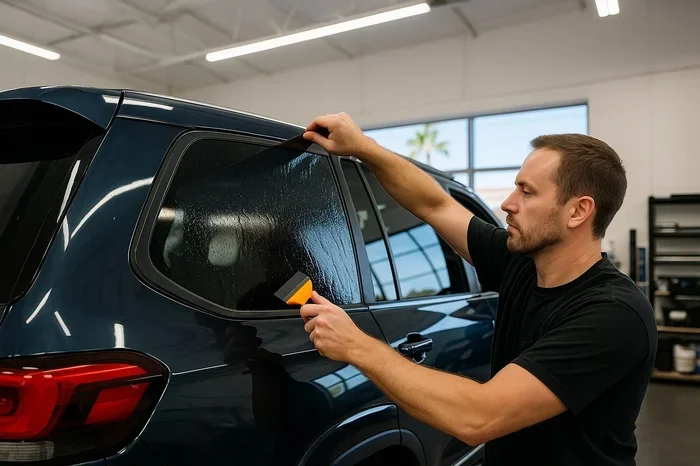
- Film Application: The technician cuts the film to size and applies it using a squeegee and heat gun. This step requires precision and skill.
- Curing Time: The film needs time to bond with the glass. Most mobile setups allow for proper curing on-site.
- Quality Check: The technician inspects every window for bubbles, wrinkles, or imperfections before wrapping up.
The entire process usually takes between two and four hours, depending on the number of windows and the type of film you choose. It is a clean, organized process that professional teams handle with care.
Benefits of Choosing Mobile Car Tinting Over a Traditional Shop
More and more car owners are choosing mobile tinting services over traditional shops. There are some very real reasons for this shift. Let us look at the top benefits.
1. Ultimate Convenience
With mobile tinting, you do not need to drive anywhere. The team comes to your home, office, or even your workplace parking lot. You can go about your day while the technicians work on your car. This is a huge time-saver for busy people.
2. No Risk of Shop Damage
When you leave your car at a shop, there is always a small risk of scratches or dings. Mobile tinting eliminates this worry. Your car stays in your control the entire time. You can even keep an eye on the work as it happens.
3. Comfortable Environment
Traditional tint shops can be noisy and busy. With a mobile service, the work happens in a calm, familiar setting. The technicians can focus better, which often leads to a cleaner, more precise application.
4. Often More Affordable
Mobile tinting companies have lower overhead costs. They do not need a fancy storefront or expensive retail space. These savings often pass directly to you. You may find that mobile car tinting cost is lower than what a traditional shop charges.
5. Personalized Service
When a team comes to you, they give you their full attention. There is no rushing between customers. You can ask questions, compare films side by side, and get expert advice tailored to your needs.
Types of Tint Film Available for Mobile Tinting
Not all tint films are the same. Each type offers different levels of heat rejection, privacy, and durability. Here is a breakdown of the most popular options you will encounter with mobile auto tinting services.
Dyed Tint Film
Dyed tint film is the most budget-friendly option. It uses layers of dye to darken the glass. Dyed film provides good privacy and absorbs some solar heat. However, it may fade over time and does not offer the best heat rejection compared to newer options.
Metalized Tint Film
Metalized film contains tiny metallic particles that reflect heat away from the car. It is more durable than dyed film and offers excellent heat rejection. The downside is that it can interfere with cell phone signals and GPS navigation. Some people also find the shiny finish less appealing.
Carbon Tint Film
Carbon film offers a matte, non-reflective finish that looks sleek and modern. It blocks a significant amount of infrared heat without interfering with electronics. Carbon tint is known for its fade resistance, meaning it looks great for years. It sits in the mid-range price category.
Ceramic Tint Film
Ceramic tint is the top-tier option in the world of car window tinting. It uses nano-ceramic particles to block heat without any metal or dye. Ceramic film offers the highest level of UV protection, heat rejection, and clarity. It does not interfere with signals and does not fade over time. It is also the most expensive option, but many car owners say it is worth every penny.
Crystalline Tint Film
Crystalline film is a specialty option that focuses on heat rejection without darkening the glass. It uses a multi-layered optical film to reflect infrared heat while staying nearly clear. This is a great choice for drivers who want maximum heat protection but prefer a lighter shade.
| Tint Type | Heat Rejection | UV Protection | Signal Interference | Durability | Price Range |
|---|---|---|---|---|---|
| Dyed | Moderate | Good | None | Lower | Budget |
| Metalized | High | Good | Yes | High | Mid-Range |
| Carbon | High | Very Good | None | High | Mid-Range |
| Ceramic | Very High | Excellent | None | Very High | Premium |
| Crystalline | High (Clear) | Good | None | High | Premium |
How Much Does Mobile Car Tinting Cost?
The mobile car tinting cost depends on several factors. Understanding these factors helps you set a realistic budget and avoid surprises.
Factors That Affect Tinting Price
- Type of Film: Ceramic and crystalline films cost more than dyed or basic metalized options. Premium films deliver better performance and last longer.
- Number of Windows: Tinting all windows costs more than just the front two or rear windows. Many people choose a partial tint to save money.
- Vehicle Size: Larger vehicles like SUVs and trucks require more film and take more time. Compact cars usually cost less to tint.
- Brand of Film: Well-known brands like 3M, Llumar, and SunTek often come with a higher price tag. They also tend to offer better warranties.
- Location: Prices vary by region. Urban areas with higher demand may charge slightly more than rural locations.
Average Price Ranges
For a standard sedan, basic dyed tint typically ranges from $100 to $250 for all windows. Carbon and ceramic options usually fall between $200 and $500. Premium ceramic tint for a large SUV can reach $600 or more. These are rough estimates, and your local mobile tinting provider can give you an exact quote.
Many mobile tinting services offer free estimates. It is always a good idea to get two or three quotes before making a decision. This helps you compare quality, film options, and pricing side by side.
Legal Tint Laws You Must Know Before Tinting Your Car
One of the most important parts of mobile car tinting is understanding the legal rules. Every state and even some cities have specific laws about how dark your tint can be. Ignoring these rules can lead to fines, failed inspections, or even having your tint removed.
What Is Window Tint Percentage?
The tint percentage refers to the amount of visible light that passes through the glass. A lower percentage means a darker tint. For example, a 5% tint lets through only 5% of light, while a 70% tint lets through 70% of light. This measurement is called Visible Light Transmission, or VLT.
Common Legal Limits by Region
Laws vary widely, but here are some general guidelines. Always check your local regulations before tinting:
- Front Side Windows: Most states require at least 70% VLT on the front side windows. Some states allow 50% or lower.
- Rear Side Windows: These often have more relaxed rules. Many states allow 35% VLT or lower on rear windows.
- Rear Windshield: In most places, a non-reflective tint strip along the top of the rear windshield is permitted. Full rear windshield tinting may be restricted.
- Medical Exemptions: Some states allow darker tints for medical reasons. You will need a doctor’s prescription or exemption certificate.
Why Compliance Matters
Staying within legal limits protects you from tickets and fines. It also keeps you safe. Tint that is too dark can reduce your ability to see other drivers, pedestrians, and road signs. A reputable mobile tinting team will always guide you toward legal, safe options.
How to Choose the Right Tint for Your Needs
With so many options available, choosing the right tint can feel overwhelming. Here is a simple framework to help you decide.
Define Your Priorities
Start by asking yourself what you want most from your tint. Are you looking for maximum heat rejection? Extra privacy? UV protection? A sleek aesthetic? Your priorities will narrow down your choices quickly.
Consider Your Climate
If you live in a hot, sunny area, prioritize heat rejection. Ceramic and carbon films are excellent choices for hot climates. If you live in a cooler region, you may not need the highest level of heat blocking, and a basic dyed or carbon film could work well.
Think About Your Vehicle
The type of car you drive matters too. A daily commuter benefits from strong UV protection and glare reduction. A luxury vehicle might look better with a premium ceramic tint. Families with children often prioritize UV safety and interior protection.
Check the Warranty
Good tint films come with warranties that cover fading, bubbling, and peeling. Always ask about the warranty before you commit. A lifetime warranty is a strong sign of quality. Many reputable mobile tinting services offer warranty-backed films from trusted brands.
Quick Tips for Choosing the Best Tint
- Ask the technician for a sample piece to hold up against your window. This helps you see the shade and quality in person.
- Read online reviews of the specific film brand you are considering.
- Do not choose the cheapest option just to save money. Low-quality film fades quickly and may peel within a year.
- Ask about the curing time. Some films need 48 to 72 hours before you roll down the windows.
- Choose a provider who offers a satisfaction guarantee or redo policy if the application is not perfect.
Common Mistakes to Avoid When Getting Your Car Tinted
Even with the best intentions, mistakes happen during the tinting process. Knowing what to watch out for helps you get the best results.
Choosing the Wrong Shade
Some car owners pick a tint shade based only on how it looks in a store. The shade can look very different once applied to your actual windows. Always view the film on a real car window before you decide. This small step can save you from disappointment.
Ignoring Local Laws
As mentioned above, legal tint limits exist for a reason. Choosing a shade that is too dark can lead to costly fines. Always confirm the legal limits for your area before selecting your tint darkness.
Skipping the Curing Period
After mobile car tinting is complete, the film needs time to cure. Rolling down the windows too early can damage the bond. Most technicians advise waiting at least 48 hours. In colder or more humid conditions, the cure time may be longer.
Not Cleaning Windows Properly Beforehand
Dirt, grease, or residue on the windows can cause bubbles or peeling. While the technician handles the cleaning, you can help by making sure your windows are free of stickers or adhesive residue before the team arrives.
Forgetting About Insurance and Warranty
Some tinting work is not covered by your vehicle insurance. Check with your provider. Also, make sure you receive written documentation of your warranty. Without it, you may have no recourse if something goes wrong down the road.
Expert Insights on Mobile Car Tinting
We spoke with several experienced mobile tinting professionals to get their top advice for car owners. Here is what they had to say.
Invest in Quality Film: The biggest mistake car owners make is choosing the cheapest tint available. A quality ceramic or carbon film lasts 10 years or more and performs far better than budget options. The upfront cost is higher, but the long-term value is unbeatable.
Ask About Installation Training: Not all mobile tinting teams have the same level of training. Ask how long the technicians have been applying tint and whether they use certified films. A skilled installer makes all the difference in the final result.
Plan for Weather: Mobile tinting works best in dry, mild conditions. Rain, high humidity, or extreme temperatures can affect the application process and curing time. If possible, schedule your tinting on a clear, moderate day.
Do Not Rush the Decision: Take your time choosing the right film and shade. A good mobile tinting provider will not pressure you. They will walk you through the options and help you find the best fit for your needs and budget.
How Long Does Tint Last and How Do You Maintain It?
The lifespan of your tint depends on the film type, the quality of installation, and how well you care for it. On average, a good quality tint lasts between five and ten years. Premium ceramic films can last 15 years or more with proper care.
Tint Maintenance Tips
- Wait Before Rolling Down Windows: Give the film at least 48 hours to cure fully before lowering any windows.
- Use a Soft Cloth: When cleaning your tinted windows, use a soft microfiber cloth. Avoid abrasive sponges or harsh chemicals.
- Choose Ammonia-Free Cleaners: Ammonia can break down the tint film over time. Stick to gentle, tint-safe window cleaners.
- Avoid Parking in Direct Sun: While tint film blocks a lot of heat, prolonged direct sun exposure can slowly degrade any film. Park in shade when possible.
- Inspect Annually: Check your tint once a year for any signs of peeling, bubbling, or fading. Catching issues early makes repairs easier.
With proper care, your mobile car tinting will look great and perform well for many years. It is a simple investment that pays off in comfort, protection, and style.
Conclusion
Mobile car tinting is one of the best upgrades you can make to your vehicle. It offers real benefits like heat reduction, UV protection, glare reduction, and enhanced privacy. The mobile service model makes the entire process more convenient, more affordable, and less stressful than visiting a traditional shop.
By choosing the right type of tint film, staying within legal limits, and working with a skilled mobile team, you get professional-quality results without ever leaving your home or office. Whether you pick a budget-friendly dyed film or invest in premium ceramic, the decision is a smart one for your car and your comfort.
Take the time to research your options, compare quotes, and ask the right questions. A great tinting experience starts with the right knowledge. Now that you have everything you need to know about mobile car tinting, you are ready to make a confident choice for your vehicle.
Frequently Asked Questions
How long does mobile car tinting take to complete?
Most mobile tinting jobs take between two and four hours, depending on the number of windows and the type of film. A standard sedan with all windows tinted usually takes about two hours. Larger vehicles like SUVs or trucks may take a bit longer.
Is mobile car tinting as good as shop tinting?
Yes, when done by a skilled and experienced team, mobile tinting delivers the same quality results as a traditional shop. The key is choosing a reputable provider who uses quality films and follows proper installation techniques.
Can I tint my car windows myself?
While DIY tint kits are available, professional mobile tinting is highly recommended. Window tinting requires precision, the right tools, and a clean environment. A professional application ensures a bubble-free, long-lasting result that looks great and performs well.
How dark can I tint my car windows legally?
Legal tint darkness varies by state and sometimes by city. Most states require at least 70% VLT on front side windows. Rear windows often allow darker shades. Always check your local regulations before choosing your tint darkness to avoid fines or legal issues.
How much does mobile car tinting cost on average?
The cost depends on the film type, vehicle size, and number of windows. For a standard sedan, expect to pay between $100 and $500. Ceramic and premium films cost more but offer superior heat rejection, durability, and UV protection. Many mobile providers offer free estimates so you can compare prices easily.
How long should I wait before rolling down my windows after tinting?
Wait at least 48 hours before rolling down any windows after tinting. In humid or cold weather, the curing time may be longer. Rolling windows down too early can cause the film to peel, shift, or develop bubbles, which can ruin the application and require a redo.