Are Push-In Wire Connectors Reusable – What You Should Know
Push-in wire connectors are small, convenient devices used to join electrical wires without stripping or special tools. The big question many car owners and DIYers ask is whether push-in wire connectors are reusable. The short answer is: it depends on the connector type, the wire condition, and how carefully you remove them. In this guide, we will walk you through everything you need to know about reusing push-in wire connectors safely and effectively, so you can make informed decisions for your automotive electrical projects.
If you have ever worked on a car’s electrical system, you have probably used push-in wire connectors. They are those little plastic pieces that let you join two wires together quickly. No stripping. No twisting. No special tools. Just push the wire in, and it stays put. They are a hit among DIYers and professional mechanics alike.
But here is the question that keeps coming up: can you reuse them? When you are fixing a wiring harness or replacing a sensor, it is tempting to pull that connector off and push it back in somewhere else. It saves time. It saves money. Right? Well, not always. The answer is not as simple as yes or no.
In this article, we will break down everything you need to know about push-in wire connectors and their reusability. We will look at how they work, when reuse is safe, what the risks are, and how to get the best results every time. Whether you are tackling a simple automotive electrical repair or a full wiring harness replacement, this guide has you covered.
Key Takeaways
- Push-in wire connectors can be reusable: But only under the right conditions and with the correct connector type.
- Check the connector before reusing: Look for damage, deformation, or worn internal teeth that compromise grip.
- Wire gauge matters: Always match the connector to the correct wire size to maintain a reliable electrical connection.
- There are risks: Reusing connectors can lead to loose connections, corrosion, and potential electrical failures.
- Proper removal is key: Use the right technique to avoid damaging the connector or the wire during removal.
- When in doubt, replace them: A new connector costs pennies and can prevent costly electrical problems down the road.
📑 Table of Contents
- What Are Push-In Wire Connectors?
- Can You Reuse Push-In Wire Connectors?
- When Is It Safe to Reuse Push-In Connectors?
- Risks of Reusing Push-In Wire Connectors
- How to Properly Remove and Reinstall Push-In Connectors
- Push-In Connectors vs. Other Wire Connection Methods
- Quick Tips for Safe Connector Reuse
- Common Mistakes to Avoid
- Expert Insights
- Key Takeaways
- Conclusion
What Are Push-In Wire Connectors?
How Do They Work?
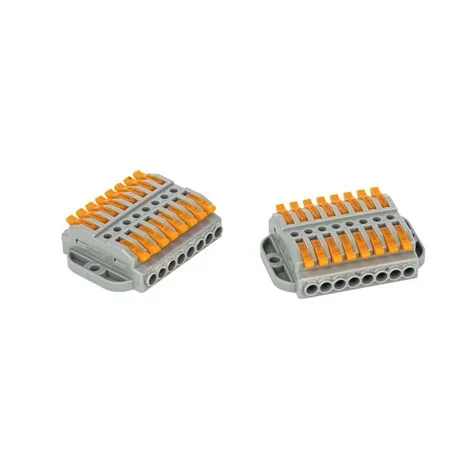
Push-in wire connectors are also known as insulation displacement connectors or quick disconnect connectors. They work by using small metal teeth inside the connector that pierce through the wire’s insulation. This creates an electrical connection without needing to strip the wire first. You simply insert the stripped or unstripped wire end into the connector port, and the internal teeth grip the conductor tightly.
The design is clever. It makes electrical wire splicing fast and easy. A push-in connector typically has a small release tab on the side or back. When you press that tab, the teeth let go of the wire, and you can pull it out. This is the same mechanism that allows for potential push connector reuse in some cases.
Common Types of Push-In Connectors
Not all push-in wire connectors are the same. Different types serve different purposes in automotive wiring and electrical work. Here are the most common ones you will encounter:
- Blade connectors: These are flat, blade-style connectors that slide into a matching receptacle. They are common in automotive fuse boxes and relay sockets.
- Bullet connectors: These are round, barrel-shaped connectors that push together end to end. They are often used for sensor connections and low-voltage automotive circuits.
- Weatherpack connectors: These are sealed connectors designed to handle moisture and vibration. They are popular in truck and SUV electrical systems.
- AMP Super Seal connectors: Similar to Weatherpack, these offer a waterproof seal and are widely used in modern vehicles.
- Generic push-in wire taps: These are the small, simple connectors that let you tap into an existing wire without cutting it. They are common in aftermarket wiring additions.
Each type has different reusability characteristics. Some are designed for single use, while others can handle multiple connections if handled carefully.
Can You Reuse Push-In Wire Connectors?
The Short Answer
The short answer is: yes, some push-in wire connectors are reusable, but not all of them. The reusability depends on several factors, including the connector design, the wire type, and how the connector was removed. A well-made reusable electrical connector that has been removed carefully can often be used again without any problems.
However, a connector that has been damaged during removal, exposed to moisture, or used with the wrong wire gauge may not hold up. This is where the real question lies. Not every push-in connector on your workbench is ready for a second life.
Factors That Determine Reusability
Several things play a role in whether a push-in wire connector can be reused safely. Let us break them down:
- Connector quality: Premium connectors from trusted brands tend to have stronger internal teeth and better connector locking mechanisms. They are more likely to survive removal and reinstallation.
- Removal method: If you used a proper release tool or gently pressed the tab, the connector is more likely to be undamaged. If you pulled the wire out forcefully, the internal teeth may be bent or worn.
- Wire condition: The wire itself matters. A stranded wire vs solid wire behaves differently inside a push-in connector. Stranded wire can sometimes cause more wear on the internal teeth because of its flexibility.
- Wire gauge: Using a connector with the wrong wire size weakens the connection. Wire gauge compatibility is critical for a reliable electrical connection reliability.
- Environmental exposure: Connectors exposed to heat, moisture, chemicals, or vibration may degrade faster and lose their grip strength.
When Is It Safe to Reuse Push-In Connectors?
Checking the Connector Condition
Before you decide to reuse a push-in wire connector, give it a close inspection. Look at the internal teeth. Are they still sharp and straight? Or are they bent, dull, or missing pieces? If the teeth look worn out, the connector will not grip the wire properly, and you should replace it.
Next, check the plastic housing. Is it cracked, discolored, or deformed? Heat exposure can cause the plastic to soften or warp. A deformed housing means the connector may not hold the wire securely. In these cases, push connector reuse is not safe, and you should grab a new one.
Matching Wire Gauge and Type
One of the most important steps in safely reusing a push-in wire connector is making sure it matches the wire you are connecting. Every connector is rated for a specific wire size range. If you try to use a connector designed for 18-gauge wire on a 12-gauge wire, the connection will be loose and unreliable.
Check the wire gauge on both the connector packaging and the wire itself. Use a wire gauge tool if needed. This simple step ensures wire gauge compatibility and helps maintain circuit integrity in your automotive wiring. When the gauge matches, the internal teeth can grip the wire firmly, creating a strong electrical terminal connection.
Testing the Connection
After reinstalling a reused connector, always test it. Gently tug on the wire to make sure it does not pull out easily. Then, if possible, check for voltage at the connection point using a multimeter. A drop in voltage or an intermittent connection is a sign that the electrical connection reliability is compromised. Do not leave a questionable connection in place, especially in safety-critical systems like brakes or airbags.
Risks of Reusing Push-In Wire Connectors
Loss of Retention Force
The biggest risk of reusing push-in wire connectors is the loss of retention force. The internal teeth that grip the wire are made of thin metal. Each time you insert and remove a wire, those teeth experience stress. Over time, they lose their springiness. A connector with weak retention force may look fine on the outside but fail to hold the wire securely on the inside.
This is especially dangerous in automotive electrical repair where vibrations from the engine and road can shake a loose connection free. A failed connection can cause flickering lights, intermittent sensor readings, or even a no-start condition.
Corrosion and Oxidation Concerns
When a push-in wire connector is removed, the exposed metal teeth and wire strands are open to air. Over time, oxidation can build up on the metal surfaces. Corrosion increases electrical resistance at the connection point. Higher resistance means heat, which means potential damage to the wire insulation or even a fire hazard in extreme cases.
In automotive environments, this risk is amplified. Cars deal with moisture, road salt, temperature swings, and chemicals. If a connector has been sitting exposed for any length of time, reusing it introduces electrical troubleshooting headaches that are hard to track down.
When Reuse Becomes Dangerous
There are situations where reusing any reusable electrical connector is simply not worth the risk. These include:
- Safety-critical circuits: Brake lights, airbag systems, and ABS sensors demand 100% reliable connections. Always use fresh connectors for these circuits.
- High-vibration areas: Connectors near the engine, transmission, or suspension experience constant movement. A reused connector may not survive this environment.
- High-current circuits: Connectors handling heavy current loads generate heat. Worn teeth increase resistance, which increases heat. This creates a dangerous cycle.
- Moisture-exposed connectors: If a connector was part of a weather-exposed circuit, reusing it risks water intrusion and short circuits.
When you are in doubt, it costs almost nothing to replace a connector. The cost of an electrical failure, however, can be significant.
How to Properly Remove and Reinstall Push-In Connectors
Tools You Will Need
If you are going to attempt push connector reuse, having the right tools makes a big difference. Here is what you should have on hand:
- A proper release tool or removal tool sized for the connector type
- A wire stripper rated for the wire gauge you are working with
- A wire gauge tool for confirming wire size
- A clean rag or electrical contact cleaner
- A multimeter for testing the connection
- Replacement connectors as a backup
Using the right tools prevents damage to both the connector and the wire. Never use pliers or screwdrivers to force a connector off. This is one of the most common common mistakes that ruins a push-in wire connector and makes it unusable for reuse.
Step-by-Step Removal Process
Follow these steps to remove a push-in wire connector without damaging it:
- Locate the release tab or locking mechanism on the connector. Most connectors have a small tab on the side or rear.
- Using the proper release tool, gently press the tab while simultaneously pulling the wire out. Do not yank the wire.
- Inspect the connector immediately after removal. Check the internal teeth for bending, wear, or debris.
- Clean the connector with a dry rag or electrical contact cleaner if needed. Remove any corrosion or residue.
- Let the connector dry completely before reinstalling it.
Taking your time during removal is the key to successful push connector reuse. Rushing this process is how connectors get damaged.
Installing the Connector Again
Once the connector is clean and undamaged, you can reinstall it. Follow these steps:
- Strip the wire end if needed. Even though push-in connectors can work with unstripped wires, a clean strip ensures better contact.
- Insert the wire into the connector port until you feel it click or stop. The internal teeth should bite into the conductor.
- Give the wire a gentle tug to confirm it is held securely.
- If the connector has a locking tab or housing, make sure it clicks into place.
- Test the connection with a multimeter to verify continuity and voltage.
Following these steps carefully gives your reused connector the best chance of performing reliably. For automotive wiring harness repairs, this attention to detail can save you from repeat trips to the garage.
Push-In Connectors vs. Other Wire Connection Methods
Push-In vs. Crimp Connectors
Crimp connectors require a crimping tool to squeeze the metal barrel around the wire. This creates a very strong, permanent connection. Push-in wire connectors are faster and easier but generally not as robust. Crimp connectors are the better choice for high-vibration or high-current applications. However, crimp connectors are typically not reusable, whereas some push-in connectors are.
Push-In vs. Wire Nuts
Wire nuts are the twist-on connectors that have been around for decades. They work well for household wiring and some automotive applications. Wire nuts are reusable in some cases, but they also loosen over time, especially in vibrating environments. Push-in wire connectors offer a more compact and secure connection for automotive use, but they share the same reusability limitations.
Push-In vs. Soldered Connections
Soldering creates a permanent electrical connection by melting metal onto the wire. It is extremely reliable but not easily reversible. Push-in wire connectors win on convenience and reversibility. They are the better choice when you need to make and potentially undo connections during automotive electrical repair. However, soldered connections are superior for permanent installations where vibration and reliability are top priorities.
| Feature | Push-In Connectors | Crimp Connectors | Wire Nuts | Soldered Connections |
|---|---|---|---|---|
| Ease of Use | Very Easy | Moderate | Easy | Difficult |
| Reusability | Sometimes | Rarely | Sometimes | No |
| Vibration Resistance | Moderate | High | Low | High |
| Speed | Fast | Moderate | Moderate | Slow |
| Reliability | Good | Excellent | Moderate | Excellent |
| Cost | Low | Low to Moderate | Very Low | Low |
As you can see from the comparison table, each connection method has its place. Push-in wire connectors excel in convenience and speed, making them ideal for quick automotive wiring repairs and modifications. Just remember that convenience does not always mean reusability.
Quick Tips for Safe Connector Reuse
Here are some practical tips to keep in mind when reusing push-in wire connectors:
- Always inspect the connector before reuse. Look for cracks, bent teeth, and discoloration.
- Never reuse a connector that has been exposed to water or moisture.
- Match the connector to the correct wire gauge every single time.
- Use a proper release tool. Do not pull wires out by hand if the connector does not release easily.
- Clean the connector before reinstalling it to remove any oxidation or debris.
- Test the connection with a multimeter after reinstallation.
- When working on safety-critical circuits, always use new connectors.
- Keep a supply of fresh connectors on hand so you are never tempted to reuse a questionable one.
Common Mistakes to Avoid
Even experienced DIYers make mistakes when working with push-in wire connectors. Here are the most common ones:
- Forcing a stuck wire out: This bends the internal teeth and ruins the connector. Use the proper release tool instead.
- Ignoring wire gauge: Using the wrong size wire leads to loose connections and potential electrical failures.
- Reusing damaged connectors: A cracked housing or bent teeth means the connector is done. Do not take chances.
- Skipping the test: Always verify the connection with a multimeter. Guessing leads to intermittent problems.
- Reusing connectors in wet conditions: Moisture is the enemy of reliable electrical connections. Replace, do not reuse.
Avoiding these mistakes will save you time, frustration, and potentially expensive repairs. A few extra minutes of care can make all the difference in your electrical troubleshooting and long-term circuit integrity.
Expert Insights
From years of automotive electrical repair experience, here is what seasoned technicians want you to know about push-in wire connectors:
“I see a lot of people reuse connectors because they do not want to waste them. I understand the thinking. But I always tell my apprentices: if a connector has been removed once, treat it like it has already lived its life. Inspect it carefully, test it, and only reuse it in low-risk applications. For anything that matters, use a fresh one.”
The truth is, push-in wire connectors are designed for convenience and speed. They are not necessarily built for longevity across multiple install cycles. The best approach is to use them freely during diagnosis and testing, but to replace them for final, permanent connections. This keeps your automotive wiring harness reliable and your electrical system running smoothly for years to come.
Key Takeaways
- Some push-in wire connectors are reusable: But only if they are undamaged, properly removed, and matched to the correct wire gauge.
- Always inspect before reuse: Check for bent teeth, cracked housing, and corrosion.
- Match wire gauge precisely: This is the single most important factor for a reliable connection.
- Test after reinstalling: Use a multimeter to confirm the connection is solid.
- Replace in safety-critical circuits: Brakes, airbags, and ABS systems should always get fresh connectors.
- Keep replacements on hand: A small pack of connectors costs very little and prevents risky reuse decisions.
Conclusion
So, are push-in wire connectors reusable? The answer is a careful yes, with important caveats. They can be reused when they are in good condition, properly removed, and matched to the right wire size. But they are not indestructible, and reusing a damaged or worn connector can lead to unreliable connections and electrical problems.
The best approach is to treat push-in wire connectors as semi-reusable. Inspect them carefully before every reuse. When in doubt, replace them. A few cents spent on a new connector is nothing compared to the cost and hassle of an electrical failure on the road.
Whether you are working on a simple automotive wiring fix or a complex wiring harness replacement, understanding how to handle push-in wire connectors properly will make you a more confident and effective DIYer. Take your time, inspect your connectors, and always prioritize safety over convenience.
Your car’s electrical system depends on solid, reliable connections. Give it the care it deserves, and it will reward you with years of dependable performance.
Frequently Asked Questions
Can all push-in wire connectors be reused?
No, not all of them. Some push-in wire connectors are designed for single use only, especially those with thin internal teeth or low-quality plastic housings. Premium connectors from reputable brands are more likely to survive removal and reinstallation. Always inspect the connector carefully before attempting to reuse it.
How many times can you reuse a push-in wire connector?
There is no set number. It depends on the connector quality, the removal method, and the wire gauge used. In practice, most connectors can be safely reused one to three times if they remain undamaged. After each removal, inspect the internal teeth and housing for wear before reinstalling.
What happens if you reuse a damaged push-in connector?
Reusing a damaged connector can lead to a loose or intermittent electrical connection. This may cause flickering lights, sensor errors, or even electrical shorts. In safety-critical systems like brakes or airbags, a failed connection can be extremely dangerous. Always replace damaged connectors with new ones.
Are push-in connectors better than wire nuts for automotive use?
For most automotive applications, push-in wire connectors are a better choice than wire nuts. They are more compact, more resistant to vibration, and easier to install. Wire nuts work well in household wiring but tend to loosen in the high-vibration environment of a vehicle. Push-in connectors also offer better electrical connection reliability in automotive settings.
Do push-in wire connectors work with both stranded and solid wire?
Most push-in wire connectors are designed for stranded wire, which is the standard in automotive wiring. Some connectors can handle solid wire as well, but the internal teeth may not grip solid wire as securely. Always check the connector specifications to confirm wire gauge compatibility and the type of wire it supports.
How can I tell if a push-in connector has lost its grip?
The easiest way to test a connector is to insert a wire and give it a gentle tug. If the wire slides out or feels loose, the connector has likely lost its connector retention force. You can also use a multimeter to check for continuity under slight movement. A connection that fluctuates indicates a weak grip that needs a fresh connector.