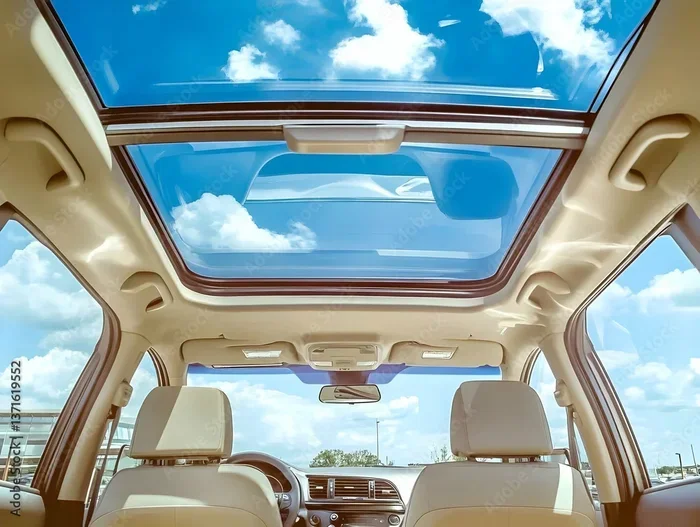
What Is Sunroof in Car A Complete Guide for Beginners
A sunroof in car is a glass panel built into the roof that lets light and air into your vehicle. It comes in many styles, from pop-up sunroofs to panoramic sunroofs, and each offers a unique driving experience. This guide breaks down types, benefits, problems, and care tips for beginners.
Have you ever looked up at the roof of a car and noticed a big glass panel? That is called a sunroof in car. It is one of the most popular features people look for when buying a new vehicle. A sunroof in car does more than just look cool. It lets fresh air in, floods the cabin with natural light, and makes every drive feel more open and airy.
If you are new to cars or just curious about what a sunroof in car actually does, you are in the right place. This guide covers everything from types and benefits to common problems and simple care tips. By the end, you will know more about sunroof in car features than most car buyers do.
Let us start with the basics. A sunroof in car is a panel — usually made of glass or metal — that is built into the roof of your vehicle. You can open or close it while driving. Some sunroof in car panels slide back, while others tilt up. The main goal is simple: let more light and air into the cabin. It makes the inside of your car feel bigger and more comfortable.
Key Takeaways
- A sunroof in car is a glass panel on the roof that adds light, ventilation, and style to your ride.
- There are several types, including pop-up, spoiler, panoramic, and retractable sunroofs, each with unique features.
- Benefits include better mood, improved resale value, and a more open feel inside your vehicle.
- Common problems like sunroof leaks, stuck panels, and noisy motors are usually easy to fix with regular care.
- Regular maintenance, such as cleaning drains and checking seals, keeps your sunroof working smoothly for years.
- A moonroof is a type of sunroof, but not all sunroofs are moonroofs — they differ in glass type and design.
- Understanding your sunroof helps you avoid costly repairs and enjoy a better driving experience.
📑 Table of Contents
What Is a Sunroof in Car and How Does It Work
A sunroof in car is a movable panel installed on the roof of your vehicle. It sits between the front and rear seats, usually above the headliner. When you open it, you get a direct view of the sky above you. Some people love driving with the sunroof in car open on a sunny day. It feels amazing and instantly lifts your mood.
The mechanism behind a sunroof in car is quite simple. Most modern sunroof in car units use an electric motor. You press a button on the console or the roof panel itself, and the motor slides or tilts the glass. Older cars had manual sunroof in car systems where you had to crank them open by hand. Today, almost all new vehicles come with electric sunroof in car options.
How the Sunroof in Car Mechanism Works
The sunroof in car system has a few key parts. There is the glass panel, the motor, the tracks, and the rubber seals. The glass slides along metal tracks when you press the control button. The motor drives the movement. Rubber seals keep water and dust out when the panel is closed. If any of these parts wear out, your sunroof in car may start to malfunction.
Most sunroof in car systems also include a feature called “express open.” This means you can press and hold the button, and the panel slides all the way open in one motion. Some sunroof in car panels also have a tilt function. You can tilt the glass up slightly to let in a breeze without fully opening the panel.
Types of Sunroof in Car
Not all sunroof in car panels are the same. Car makers offer several different styles. Each type has its own look, feel, and function. Here is a closer look at the most common sunroof in car options available today.
Pop-Up Sunroof
The pop-up sunroof is one of the oldest styles. It is a solid or glass panel that tilts up from the rear edge. You can slide it partially open or remove it completely. This type of sunroof in car gives you full control over how much air gets in. It is simple and reliable, and many classic cars use this design.
Spoiler Sunroof
A spoiler sunroof is similar to a pop-up but smaller. It sits at the rear of the roof and tilts upward. The name comes from its sporty, angled look. A spoiler sunroof does not open as wide, but it still lets in light and a little fresh air. Many modern compact cars and sedans come with this style.
Panoramic Sunroof
The panoramic sunroof is the most popular type today. It uses a large, often multi-panel glass roof that covers a big portion of the cabin. A panoramic sunroof makes the entire interior feel bright and spacious. Some panoramic sunroof setups have two or three separate panels that slide independently. This gives rear passengers their own control over airflow and light.
Retractable Sunroof
A retractable sunroof is a panel that slides completely into the roof cavity when fully open. This type of sunroof in car disappears into the car’s body, leaving no gap. It offers a clean look when closed and full ventilation when open. Many luxury vehicles use this style because of its sleek design.
Moonroof vs Sunroof — What Is the Difference
People often use the words “moonroof” and “sunroof” interchangeably, but they are not exactly the same. A moonroof is a type of sunroof in car that uses a tinted glass panel. It lets light in but usually does not open fully. A traditional sunroof in car is often a metal or opaque panel that can be removed or slid open. So, every moonroof is a sunroof, but not every sunroof is a moonroof. This is one of the most common points of confusion among car buyers.
Benefits of Having a Sunroof in Car
Adding a sunroof in car comes with several real advantages. Let us look at the biggest reasons why so many drivers love having one.
More Natural Light Inside
The most immediate benefit of a sunroof in car is the extra light. A glass panel on the roof fills the cabin with daylight. This makes the interior feel brighter and more welcoming. On long drives, natural light can reduce eye strain and help you feel more alert. Many people say a sunroof in car makes even a small car feel bigger and more open.
Better Airflow and Ventilation
A sunroof in car lets you enjoy fresh air without rolling down all the windows. You can tilt the panel open slightly for a gentle breeze. This is great on hot days when you want ventilation but do not want full wind noise. A sunroof in car gives you more control over the cabin environment.
Improved Resale Value
Cars with a sunroof in car often sell for more than those without one. Buyers see a sunroof as a premium feature. Even if you do not care much about it yourself, a sunroof in car can boost your vehicle’s resale value. This is something to keep in mind if you plan to sell or trade in your car later.
Enhanced Driving Experience
There is a simple joy in driving with a sunroof in car open. The sky above you, the breeze on your face — it changes the whole feel of a trip. Whether you are on a road trip or just driving to the grocery store, a sunroof in car adds a sense of freedom and luxury to your drive.
Reduced Cabin Heat (When Closed)
Some modern sunroof in car panels come with UV-blocking coatings. These coatings help reduce heat buildup inside the car when the sunroof is closed. This can keep your cabin cooler on hot days and reduce the load on your air conditioning system.
Common Sunroof in Car Problems
A sunroof in car is a great feature, but it can come with some issues. Being aware of these problems helps you catch them early and avoid expensive repairs.
Sunroof Leaks
A sunroof leak in car is one of the most common complaints. Water seeps through the roof and drips onto the headliner or seats. This usually happens when the drain channels get clogged with leaves, dirt, or debris. Over time, rubber seals can also wear out and lose their ability to keep water out. Regular cleaning of the sunroof in car drain channels can prevent most leaks.
Stuck or Jammed Panel
Sometimes a sunroof in car panel gets stuck in one position. This can happen if the motor fails, the tracks get dirty, or a small object gets lodged in the mechanism. A sunroof in car that will not open or close is frustrating, but it is usually fixable with a simple cleaning or motor replacement.
Noisy Operation
If your sunroof in car makes grinding or clicking noises, something is off. Noise often comes from dry tracks, worn seals, or a loose panel. Lubricating the tracks with a silicone-based spray usually solves this problem quickly.
Sunroof Glass Cracks
A sunroof in car glass panel can crack from temperature changes, debris impact, or stress on the frame. Even a small crack can spread over time. If you notice a crack, get it repaired or replaced as soon as possible to prevent further damage.
Sunroof Not Closing Properly
A sunroof in car that does not seal fully can cause wind noise, water leaks, and reduced fuel efficiency. This problem is often caused by misaligned tracks, worn latches, or a faulty motor. Adjusting the panel or replacing the latch usually fixes the issue.
Sunroof in Car Maintenance Tips
Taking care of your sunroof in car is easy and does not take much time. A little regular maintenance goes a long way in preventing problems and extending the life of your sunroof.
Clean the Drain Channels Regularly
Every sunroof in car has small drain channels that carry water away from the cabin. These channels can get clogged with leaves, dust, and dirt. Once or twice a year, use a small pipe cleaner or a compressed air can to clear out the drains. This simple step prevents most sunroof leak in car issues.
Check the Rubber Seals
The rubber seals around your sunroof in car panel keep water and dust out. Inspect them every few months for cracks, dryness, or gaps. If the seals look worn, apply a rubber conditioner to keep them flexible and airtight. Replacing damaged seals early can save you from costly water damage inside your car.
Lubricate Moving Parts
Your sunroof in car has tracks and hinges that need smooth movement. Use a silicone-based lubricant on the tracks every six months. This keeps the panel sliding quietly and prevents grinding noises. Avoid using grease or oil-based products, as they can damage the rubber seals.
Close the Sunroof Before Washing
Always close your sunroof in car before taking your car through a car wash or during heavy rain. Water pressure or standing water can force its way into the cabin if the panel is open. This is a simple habit that prevents a lot of headaches.
Avoid Overloading the Motor
Do not try to force a sunroof in car panel that is stuck. If it does not move, check for obstructions first. Forcing the motor can burn it out, and replacing a sunroof in car motor can be expensive. If the panel will not budge, it is best to consult a mechanic.
How to Choose the Right Sunroof in Car
When shopping for a car, you will see many options for a sunroof in car. Here are some tips to help you choose the right one for your needs.
Consider Your Climate
If you live in a rainy area, a sunroof in car with a good sealing system is essential. Look for models with multiple drain channels and high-quality rubber seals. If you live in a hot, sunny climate, consider a sunroof in car with UV-blocking glass to reduce cabin heat.
Think About Your Driving Habits
Do you enjoy open-air driving? A panoramic sunroof in car might be perfect for you. Do you prefer a simple, no-fuss option? A spoiler sunroof in car or a basic pop-up style might be enough. Think about how often you will actually use the feature.
Check the Warranty
Before you buy, check the sunroof in car warranty. Many manufacturers offer a separate warranty for the sunroof system. A good warranty covers motor failures, leaks, and glass damage. This gives you peace of mind and protects you from unexpected repair costs.
Budget for Potential Repairs
A sunroof in car adds to the vehicle’s cost, and repairs can be pricey if something goes wrong. The average sunroof repair cost ranges from $200 to $1,500 depending on the issue. Keep this in mind when budgeting for a car with a sunroof in car feature.
Quick Tips for Sunroof in Car Owners
Here are some quick, easy tips to keep your sunroof in car in great shape:
- Clean the sunroof tracks with a soft brush every month.
- Check the rubber seals for cracks every three months.
- Clear the drain channels at least twice a year.
- Use only silicone-based lubricant on moving parts.
- Never force a stuck panel — investigate the cause first.
- Close the sunroof before driving through heavy rain or car washes.
- Have a professional inspect the sunroof in car system once a year.
Conclusion
A sunroof in car is a wonderful feature that adds light, air, and style to your driving experience. Whether you prefer a simple pop-up sunroof or a full panoramic sunroof, understanding how it works and how to care for it makes a big difference. Regular maintenance keeps your sunroof in car running smoothly and prevents common problems like leaks and stuck panels.
Now that you know the ins and outs of a sunroof in car, you can make smarter choices when buying or maintaining your vehicle. Enjoy the open sky above you and the fresh air on your face — that is what a sunroof in car is all about. Take care of it, and it will reward you with years of comfortable, enjoyable drives.
Frequently Asked Questions
What is the main purpose of a sunroof in car?
A sunroof in car lets natural light and fresh air into the cabin. It makes the interior feel brighter, more open, and more comfortable during drives. Some people also enjoy the aesthetic and resale value boost it provides.
Is a moonroof the same as a sunroof in car?
Not exactly. A moonroof is a type of sunroof in car that uses a tinted glass panel and usually does not open fully. A traditional sunroof in car is often a metal or opaque panel that can slide or tilt open. So, every moonroof is a sunroof, but not every sunroof is a moonroof.
Can a sunroof in car cause leaks?
Yes, a sunroof in car can leak if the drain channels get clogged or the rubber seals wear out. Regular cleaning and seal maintenance can prevent most leaks. If you notice water inside your car near the sunroof, check the drains and seals right away.
How much does it cost to repair a sunroof in car?
The sunroof repair cost varies depending on the problem. Simple fixes like clearing a clogged drain may cost under $100. Replacing a motor or glass panel can range from $200 to $1,500 or more. Getting regular maintenance helps you avoid most expensive repairs.
Do all new cars come with a sunroof in car?
No, not all new cars come with a sunroof in car. It is usually offered as an optional feature or part of a higher trim level. Some base models do not include a sunroof at all. Always check the specifications before purchasing a vehicle.
How often should I maintain my sunroof in car?
You should clean your sunroof in car tracks and check the seals every few months. Clear the drain channels at least twice a year. A professional inspection once a year is also a good idea. Regular care keeps the sunroof working smoothly and prevents costly repairs.