How Urgent Is Replacing a Wheel Bearing Before It Fails
A failing wheel bearing is not a repair you should ignore. Driving with a worn wheel bearing can lead to catastrophic failure, dangerous wheel lockup, and costly damage to other critical components. Understanding the urgency helps you stay safe and avoid expensive repairs down the road.
Your wheels are connected to your car through a small but mighty component called the wheel bearing. It lets your wheels spin freely while supporting the full weight of your vehicle. When that bearing starts to fail, the question is not really “if” it will become a problem but “how soon” things will get worse.
So, how urgent is replacing a wheel bearing? The short answer is very. A worn wheel bearing might seem like a minor annoyance at first, but it can quickly turn into a dangerous and expensive situation. Many car owners put off this repair because there is no visible damage or dashboard warning light. That is exactly why it catches so many people off guard.
The urgency depends on several factors, including the type of bearing, your driving conditions, and how far you need to travel. In this article, we will walk you through everything you need to know about wheel bearing replacement urgency. You will learn the warning signs, the risks of ignoring the problem, and what happens if you delay the repair. By the end, you will know exactly what to do next.
Key Takeaways
- Safety Risk Is Real: A seized wheel bearing can cause the wheel to lock up while driving, leading to a serious accident.
- Damage Cascades Fast: Ignoring a worn wheel bearing destroys tires, CV joints, and hub assemblies over time.
- Cost Increases With Delay: What starts as a simple wheel bearing replacement can turn into a much more expensive repair if left unchecked.
- Warning Signs Are Clear: Grinding noise, steering wobble, and uneven tire wear are telltale symptoms of a failing bearing.
- Driving Distance Is Limited: Most experts advise no more than 1,000 miles on a bad wheel bearing, and even that is risky.
- Replacement Is Affordable: The average wheel bearing replacement cost ranges from $150 to $400 per wheel, depending on the vehicle.
- Prevention Is Simple: Regular inspections and proper wheel bearing grease maintenance extend bearing life significantly.
📑 Table of Contents
- What Does a Wheel Bearing Do?
- The Warning Signs of a Failing Wheel Bearing
- How Urgent Is Replacing a Wheel Bearing? The Real Risks
- Wheel Bearing Replacement Cost and What to Expect
- Common Mistakes People Make With Wheel Bearings
- Expert Insights on Wheel Bearing Maintenance
- Prevention Tips to Extend Wheel Bearing Life
- Conclusion
What Does a Wheel Bearing Do?
Before diving into urgency, it helps to understand the role of a wheel bearing. Each wheel on your car sits on a hub that contains bearings. These bearings allow the wheel to rotate smoothly with very little friction. They carry the entire weight of the vehicle while handling the stress of turns, bumps, and high speeds.
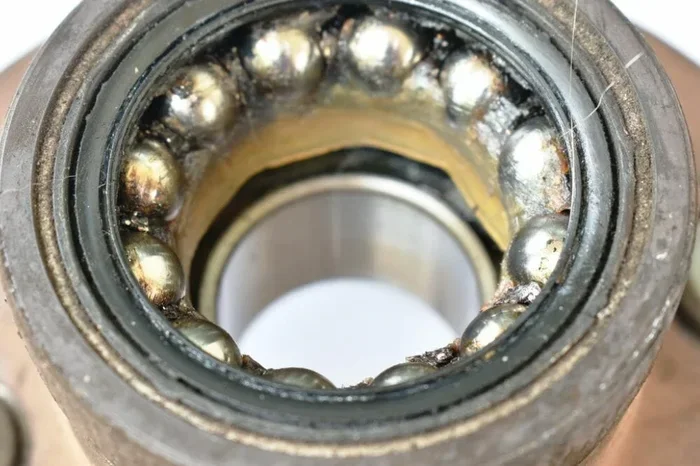
Most modern cars use a hub bearing unit, which is a sealed assembly. Older vehicles often use separate cone or roller bearings that need periodic repacking with wheel bearing grease. Regardless of the type, the bearing is a wear item. Over time, the steel races and rolling elements degrade from heat, moisture, and normal use.
The wheel bearing lifespan typically ranges from 85,000 to 150,000 miles. However, harsh driving conditions can shorten that significantly. Water exposure, potholes, curb impacts, and heavy loads all accelerate wear. Understanding this helps you appreciate why catching a worn wheel bearing early matters so much.
The Warning Signs of a Failing Wheel Bearing
Your car gives you clues before a bearing completely fails. Recognizing these wheel bearing symptoms early can save you from a dangerous breakdown. Here are the most common signs to watch for.
Humming or Grinding Noise
A rhythmic humming or grinding sound that gets louder as you speed up is one of the most common wheel bearing noise indicators. The sound often changes when you turn. If the noise gets louder when you turn left, the right bearing may be the problem, and vice versa. This happens because turning shifts the load to the opposite side.
Steering Wobble or Vibration
A wheel wobble at low speeds is a red flag. You might feel a slight looseness in the steering wheel or a vibration through the steering column. As the bearing deteriorates, the wobble can become more pronounced. This is your car telling you the bearing is no longer holding the wheel securely in place.
Uneven Tire Wear
A failing bearing affects how the wheel sits and rotates. Over time, this leads to uneven tire wear. You might notice scalloped or cupped patterns on your tires. If you are replacing tires more often than expected, a bad bearing could be the hidden cause.
ABS or Traction Control Warnings
Many modern vehicles use the wheel speed sensor integrated into the bearing hub. When a bearing wears unevenly, it disrupts the sensor signal. This can trigger the ABS light or traction control warning on your dashboard. Ignoring these lights could mean missing a critical bearing issue.
Play in the Wheel
With the car safely jacked up, grab the tire at the top and bottom and try to rock it. A small amount of play is normal, but excessive movement suggests a loose bearing. This test is a simple way to check for bearing failure before it becomes a serious safety issue.
How Urgent Is Replacing a Wheel Bearing? The Real Risks
The urgency of wheel bearing replacement depends on the severity of the wear and where you are driving. Let us break down the real risks of ignoring a failing bearing.
The Danger of a Seized Bearing
The most serious risk is a completely seized axle bearing. When a bearing seizes, the wheel locks up while the car is still moving. At highway speeds, this can cause a sudden loss of control. A seized wheel can also damage the brake rotor, brake line, and even the suspension components. In the worst cases, the wheel can detach entirely, which is catastrophic.
Cascading Damage to Other Components
A worn bearing does not just affect itself. It puts extra stress on the CV joint, the wheel hub assembly, and the wheel lug nut seat. The uneven rotation creates vibrations that wear out other parts faster. Over time, what started as a $200 bearing repair can turn into a $1,000+ repair job involving multiple components.
Impact on Tire Life and Fuel Economy
Even before a bearing completely fails, it causes premature tire wear. A wobbling wheel creates uneven contact with the road surface. You will burn through tires faster and may notice a slight decrease in fuel economy. These are small costs that add up over weeks and months of neglect.
How Far Can You Drive on a Bad Bearing?
This is the question most car owners ask. The honest answer is: not very far, and not safely. Most mechanics advise against driving more than 1,000 miles on a bad wheel bearing. Some recommend getting it towed to a repair shop immediately. The longer you drive, the higher the chance of complete failure. If you must drive a short distance, keep your speed low and avoid highway driving.
Driving Conditions That Increase Urgency
Certain driving conditions make a failing bearing more urgent to replace:
- Highway driving: Higher speeds generate more heat and stress on a worn bearing.
- Wet or icy roads: Moisture accelerates bearing wear and reduces traction if the bearing is compromised.
- Heavy loads: Carrying cargo or towing puts additional force on the bearings.
- Frequent city driving with stops: Stop-and-go traffic generates heat through repeated braking near a compromised bearing.
Wheel Bearing Replacement Cost and What to Expect
Understanding the wheel bearing replacement cost helps you decide how urgent the repair is for your budget. The cost varies widely depending on your vehicle, the type of bearing, and labor rates in your area.
Average Cost Breakdown
For most passenger vehicles, the wheel bearing replacement cost falls between $150 and $400 per wheel. The parts typically cost $50 to $200, while labor accounts for the larger portion at $100 to $200 per hour. Some vehicles with integrated hub bearing units cost more to replace because the entire assembly must come out.
Factors That Affect the Price
- Vehicle make and model: Luxury and performance vehicles often have more expensive bearings.
- Front vs. rear: Rear bearings on some vehicles are harder to access, increasing labor time.
- Sealed vs. serviceable bearings: Sealed hub units cost more but require less labor.
- Additional repairs: If the bearing has caused damage to the hub, CV joint, or brake components, the cost goes up.
Is It Worth DIY?
Experienced DIYers with the right tools can replace some wheel bearings at home. However, modern sealed hub assemblies require a press for removal and installation. If you do not have the proper equipment, professional installation is the safer choice. A botched bearing job can lead to wheel separation, which is extremely dangerous.
Common Mistakes People Make With Wheel Bearings
Many car owners make avoidable mistakes when it comes to wheel bearing maintenance. Here are the most common ones.
Ignoring the Early Noise
The most common mistake is dismissing a faint humming sound. People often assume it is road noise or a transmission issue. By the time the noise becomes loud, the bearing is usually already significantly damaged. Catching it early saves money and keeps you safe.
Delaying Replacement Because It Still Spins
A bearing that still spins is not a healthy bearing. Internal races can be cracking and pitting even while the wheel appears to turn normally. Waiting until the bearing seizes is a gamble with your safety.
Replacing Only One Side
If one bearing has failed, the other side is likely close behind. They experience the same age, mileage, and road conditions. Replacing both sides at the same time saves you from doing the job twice and ensures balanced handling.
Skipping the Torque Check
Improperly torqued wheel lug nuts after a bearing replacement can cause the bearing to preload incorrectly. This leads to premature failure and dangerous wheel play. Always have the lug nuts torqued to specification with a calibrated torque wrench.
Expert Insights on Wheel Bearing Maintenance
We spoke with certified automotive technicians about the most important advice they give customers regarding wheel bearing care. Here is what the pros want you to know.
Inspect during every oil change. Many shops will check wheel bearing play as part of a routine lift inspection. Ask them to do this even if you are not there for a specific bearing complaint. Early detection is the key to avoiding emergency repairs.
Keep bearings sealed and clean. The biggest killer of wheel bearings is moisture intrusion. If you drive through deep water or live in a coastal area, have the bearing seals inspected regularly. A damaged seal failure lets water and dirt into the bearing, accelerating wear dramatically.
Do not ignore the ABS light. Many drivers assume an ABS light means a sensor problem. In many cases, it is actually the wheel speed sensor ring inside the bearing that is damaged. A simple scan tool can help diagnose whether the bearing is the root cause.
Replace bearings in pairs. If one side has failed, replace the other side at the same time. This prevents the inconvenience and cost of a second repair shortly after the first one. It also ensures both wheels handle stress equally.
Prevention Tips to Extend Wheel Bearing Life
While you cannot prevent a wheel bearing from wearing out forever, you can take steps to extend its life significantly.
- Avoid deep water crossings: Water gets into bearings and washes away the protective grease.
- Drive smoothly over bumps: Potholes and curbs put sudden shock loads on the bearing races.
- Keep tires properly inflated: Underinflated tires create extra stress on the entire suspension and bearing system.
- Check bearing grease regularly: On older vehicles with serviceable bearings, repack with fresh grease every 30,000 miles.
- Watch for early warning signs: Address any humming noise or steering play immediately.
Taking these simple precautions can add tens of thousands of miles to your wheel bearing lifespan. More importantly, they keep you and your passengers safe on the road.
Conclusion
The answer to how urgent is replacing a wheel bearing is clear: it is urgent. A failing wheel bearing is one of those repairs that does not wait for a convenient time. It gets worse, not better, with every mile you drive. The risks range from premature tire wear to catastrophic wheel failure, and the costs of delay only grow larger.
If you notice any wheel bearing symptoms like noise, wobble, or uneven tire wear, get it inspected as soon as possible. Do not try to stretch the repair over weeks or months. A timely wheel bearing replacement is an affordable fix that protects your safety and prevents expensive cascading damage. Your wheels are the only part of your car that touches the road. Treat them with the care they deserve.
Frequently Asked Questions
Can you drive safely with a bad wheel bearing?
It is not recommended. A bad wheel bearing compromises your vehicle’s handling and can lead to sudden wheel lockup. Even short drives carry risk, especially at higher speeds. If you must move the car, keep the distance as short as possible and drive at low speeds.
How much does wheel bearing replacement cost?
The average wheel bearing replacement cost ranges from $150 to $400 per wheel. This includes both parts and labor. The exact price depends on your vehicle model, the type of bearing, and local labor rates. Getting quotes from multiple shops can help you find a fair price.
What causes a wheel bearing to fail early?
Common causes include water intrusion, impact damage from potholes or curbs, worn seals that allow grease to escape, and normal wear over time. Driving in harsh conditions or carrying heavy loads also accelerates bearing failure. Regular maintenance can help delay these issues.
How long can you drive on a worn wheel bearing?
Most experts advise no more than 1,000 miles on a worn wheel bearing. However, this varies based on the severity of wear and driving conditions. Some bearings can seize within a few days of normal driving. The safest approach is to get it replaced immediately.
What happens if a wheel bearing seizes while driving?
A seized bearing can cause the wheel to lock up completely. At highway speeds, this leads to a sudden loss of vehicle control. It can also damage the brake rotor, CV joint, and suspension components. In extreme cases, the wheel may detach from the vehicle, which is extremely dangerous.
Do both wheel bearings need to be replaced at the same time?
Yes, most technicians recommend replacing bearings in pairs. If one side has failed, the other is likely close to failing too. They share the same age, mileage, and operating conditions. Replacing both ensures balanced handling and saves you from a second repair soon after the first.