How Much Is a Starter Usually for Your Car Price Today
Wondering how much a starter usually costs for your car? The average starter motor replacement cost ranges from $200 to $600, depending on your vehicle type, labor rates, and whether you choose a new starter or a rebuilt starter. In this guide, you will learn the exact car starter price breakdown, common bad starter symptoms, and proven ways to save money on starter motor repair cost without sacrificing quality.
Key Takeaways
- Average Cost: Most drivers pay between $200 and $600 for a full starter motor replacement, including parts and labor.
- Vehicle Matters: Luxury and performance cars often cost more due to harder-to-reach starter motors and pricier parts.
- New vs Rebuilt: A remanufactured starter can save you up to 50% compared to a brand-new OEM starter.
- DIY Saves Money: Replacing a starter yourself can cut labor costs, which typically range from $50 to $200.
- Early Detection: Catching bad starter symptoms early prevents flywheel damage and costly repairs.
- Warranty Matters: Always check the starter motor warranty before purchasing, as quality units often come with 1-2 year coverage.
📑 Table of Contents
What Does a Starter Motor Do in Your Car?
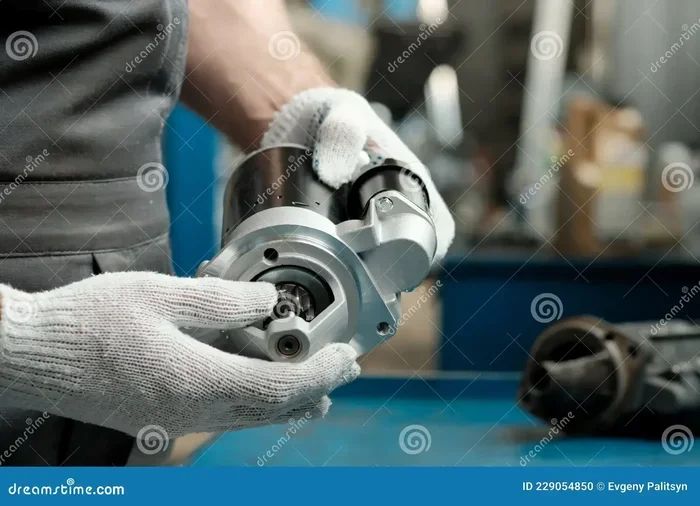
Every time you turn your key or push the start button, a small but powerful device gets to work. That device is the starter motor. It is the part that cranks your engine and gets it running. Without a working electric starter motor, your car simply will not start.
The starter motor works with the starter solenoid to engage the engine’s flywheel. When you turn the key, the solenoid pushes the starter gear into the flywheel ring gear. This creates the rotation needed to fire up the engine. Think of it as the muscle that gets everything else going.
Most people do not think about their starter until something goes wrong. But understanding how this part works helps you make smarter decisions when repair time comes. Whether you are dealing with a slow crank or a complete failure, knowing the basics gives you an edge.
How the Electric Starter Works
Here is a simple breakdown of the process. When you turn the ignition, the starter relay sends a small electrical signal. That signal activates the starter solenoid, which acts like a switch. The solenoid then pushes the starter gear forward to meet the flywheel.
Once contact is made, the starter motor draws power directly from the battery. The motor spins at high speed, turning the engine over. After the engine starts running on its own, the solenoid retracts the starter gear. This prevents grinding and damage. The whole process takes just a few seconds.
Why the Starter Is So Important
The starter is the bridge between a dead battery and a running engine. If your car won’t start, the starter is one of the first parts a mechanic checks. A healthy starter motor should produce a strong, steady cranking sound. If it sounds weak or sluggish, something may be wrong.
Many drivers confuse alternator symptoms with starter problems. The alternator keeps your battery charged while driving. The starter only works when you are turning the engine on. Knowing the difference helps you avoid unnecessary repairs and focus on the real issue.
Common Signs Your Starter Motor Is Going Bad
Spotting bad starter symptoms early can save you from a frustrating roadside breakdown. Most starter problems do not happen without warning. Your car usually gives you clear signals before a complete failure. Learning to recognize these signs is one of the best things you can do as a car owner.
Clicking Noise When You Turn the Key
A single click or rapid clicking is one of the most common starter motor symptoms. If you turn the key and hear clicking but the engine does not crank, the starter may be failing. This often means the solenoid is engaging but the motor itself is not spinning properly.
Sometimes the clicking points to a weak battery instead. That is why it is important to check both the battery vs starter before jumping to conclusions. A simple voltage test can rule out battery problems quickly and save you money.
Slow Cranking or No Response at All
If your engine cranks slowly or takes several tries to start, do not ignore it. A healthy starter should crank the engine quickly and smoothly. When the starter motor begins to wear out, it struggles to spin at full speed.
In worse cases, you might get zero response at all. The lights and radio may still work, but turning the key does nothing. This usually means the starter motor has completely failed and needs replacement. Ignoring this sign can leave you stranded on a bad day.
Grinding Sounds From the Engine
A grinding or whining noise when starting is a serious warning sign. This sound often means the starter gear is not engaging properly with the flywheel. Continuing to drive with this problem can lead to flywheel damage, which is a much more expensive repair.
If you hear grinding, get your car inspected right away. A mechanic can check whether the starter solenoid or the gear itself is the culprit. Early action here prevents bigger bills down the road and keeps your car running safely.
How Much Is a Starter Usually? Breaking Down the Costs
If you have been searching for starter motor replacement cost, you have probably seen a wide range of prices. The truth is, how much a starter usually costs depends on several factors. Your vehicle type, the part you choose, and where you live all play a role.
On average, most drivers pay between $200 and $600 for a complete starter replacement. The starter motor price for the part alone ranges from $100 to $400. Labor adds another $50 to $200 depending on the complexity of the job. Let us break this down further so you know exactly what to expect.
Starter Motor Price by Vehicle Type
The type of vehicle you drive has a big impact on cost. A standard sedan or compact car usually has a more affordable starter. Trucks, SUVs, and luxury vehicles often require more expensive parts and more labor time.
- Compact Cars: Starter parts typically cost $100 to $200. Total replacement runs $200 to $350.
- Mid-Size Sedans and SUVs: Parts run $150 to $300. Total cost with labor is $250 to $500.
- Trucks and Heavy Vehicles: Starter parts can cost $200 to $400. Total replacement may reach $400 to $700.
- Luxury and Performance Cars: Parts may exceed $400. Total cost can go above $700 due to labor complexity.
Labor Cost for Starter Replacement
Labor rates vary widely by region and shop type. Independent mechanics usually charge $50 to $100 per hour. Dealerships often charge $100 to $200 per hour. Most starter replacements take between one and three hours to complete.
The starter motor labor cost depends on how accessible the starter is in your vehicle. In some cars, the starter sits in an easy-to-reach spot. In others, you may need to remove exhaust components or intake parts first. This extra work adds to the labor time and overall cost.
New vs Rebuilt vs Remanufactured Starters
When replacing a starter, you have three main options. Each has its own price point and quality level. Choosing the right one depends on your budget and how long you plan to keep the vehicle.
| Type | Average Price | Quality | Warranty |
|---|---|---|---|
| New OEM Starter | $200 – $400 | Highest – factory spec | 1-2 years |
| Aftermarket New Starter | $100 – $250 | Good – varies by brand | 6 months – 1 year |
| Rebuilt Starter | $50 – $150 | Moderate – tested and repaired | 3-6 months |
| Remanufactured Starter | $80 – $200 | Good – fully restored | 1 year |
A new OEM starter is the most expensive option, but it comes directly from the manufacturer or an approved supplier. It matches your original part exactly. An aftermarket starter is made by a third-party company and often costs less. Quality varies by brand, so stick with reputable names.
A rebuilt starter has been taken apart, cleaned, and replaced with worn components. It is the most budget-friendly choice but may not last as long. A remanufactured starter goes through a more thorough restoration process. Many mechanics recommend this as the best value option for most drivers.
Factors That Change Starter Replacement Cost
Not every starter replacement costs the same. Several factors can push the price up or pull it down. Understanding these factors helps you budget accurately and avoid surprises when the bill arrives.
Your Car’s Make and Model
The make and model of your vehicle is the single biggest cost factor. Common cars like the Honda Civic or Toyota Corolla often have affordable, widely available starters. Rare or European models may require special-order parts that cost significantly more.
Also consider engine size and configuration. A V6 or V8 engine may have a starter that is harder to access than a four-cylinder. More access difficulty means more labor time and higher costs. Always ask your mechanic for a detailed quote before agreeing to the repair.
Where You Live and Shop
Your geographic location affects both parts pricing and labor rates. Mechanics in major cities often charge more than those in rural areas. Parts suppliers in different regions may also price the same starter motor differently.
Shopping around makes a real difference. Online retailers often offer lower car starter price options than local parts stores. Just make sure you buy from a trusted seller with good return policies. Some auto parts chains also price-match competitors, so it pays to ask.
DIY Replacement vs Professional Repair
Doing the replacement yourself can save a significant amount of money. If you have basic mechanical skills and the right tools, you can avoid the entire starter motor labor cost. Many online tutorials walk you through the process step by step.
However, starter replacement is not always a simple job. On some vehicles, the starter sits in a tight space that requires lifting the car or removing other components. If you are not comfortable with that level of work, paying a professional is the safer choice. A botched DIY repair can lead to flywheel damage or electrical problems that cost even more to fix.
Tips to Save Money on Starter Motor Replacement
Nobody wants to overspend on car repairs. The good news is, there are several smart ways to reduce your starter motor replacement cost. These tips can save you anywhere from $50 to $200 or more, depending on your situation.
Buy the Part Yourself
One of the easiest ways to save is to purchase the starter yourself. Many auto parts stores and online retailers sell quality starter motors at competitive prices. When you buy the part, the shop only charges you for labor instead of marking up the parts price.
Just make sure the part matches your vehicle exactly. Check your owner’s manual or use an online parts finder tool. Bringing the wrong starter to the shop will waste your time and money. Take the old part with you to make sure the match is correct.
Get Multiple Quotes Before You Commit
Do not just accept the first quote you receive. Call two or three local shops and ask for a detailed breakdown of parts and labor costs. You may be surprised at how much prices vary between shops for the same job.
Ask if the shop offers a free diagnostic fee with the repair. Some places will waive the diagnostic cost if you proceed with the fix. This saves you money upfront and helps you make a confident, informed decision.
Quick Tips for Starter Replacement
- Always ask for a warranty on both the part and the labor.
- Check if your starter motor warranty covers the full replacement cost.
- Keep your old starter if possible – it helps with future diagnostics.
- Ask the mechanic to inspect the starter solenoid and wiring while they are at it.
- Get the replacement done promptly – a failing starter can leave you stranded unexpectedly.
How Long Does a Starter Motor Usually Last?
A well-maintained starter motor typically lasts between 100,000 and 150,000 miles. However, this range can vary based on driving habits, climate, and vehicle condition. Some starters fail earlier, while others last well beyond the average. Regular car maintenance plays a big role in how long your starter stays healthy.
Average Starter Lifespan
For most daily drivers, you can expect the starter to last 7 to 10 years or more. The key is normal use – short trips and frequent cold starts can wear the starter faster. If you live in a cold climate, your starter works harder during winter months, which can shorten its lifespan.
Keeping your battery in good condition is especially important. A weak battery forces the starter to work harder, which causes premature wear over time. Think of it this way: when the battery is healthy, the starter does not have to strain to get the engine going.
Habits That Shorten Starter Life
Certain driving habits can wear out your starter faster than normal. Holding the key in the start position for too long is a common mistake. The starter is designed to run for just a few seconds at a time. Extended cranking overheats the motor and damages the internal components.
Another habit to avoid is starting the car and immediately shifting into drive. Allow the engine a moment to build oil pressure before moving. This reduces stress on the entire drivetrain, including the starter system. Small changes in your routine can make a big difference over time.
Common Mistakes That Damage Your Starter
- Leaving accessories on while starting the engine draws extra power from the starter.
- Ignoring a weak battery forces the starter to compensate and overwork itself.
- Repeatedly trying to start a flooded engine can burn out the starter motor quickly.
- Neglecting regular maintenance means small electrical issues become big problems fast.
Expert Insight
“Most starter failures are preventable,” says a longtime auto repair technician. “The number one cause I see is a weak battery. When the battery cannot deliver full power, the starter has to pull more current. Over time, this wears out the motor brushes and solenoid. A simple battery check every six months can prevent most starter problems and save you hundreds of dollars.”
Conclusion
So how much is a starter usually for your car? The answer depends on your vehicle, the part you choose, and where you get the work done. For most drivers, the total starter motor replacement cost falls between $200 and $600. By understanding the factors that affect pricing and following the money-saving tips in this guide, you can make a smart, informed decision.
Remember, paying attention to bad starter symptoms early can save you from costly repairs. Whether you choose a new starter, a remanufactured starter, or a professional starter motor repair, the key is acting quickly when problems arise. Catching issues early keeps your repair bill lower and your car running reliably.
Take the time to compare options, ask questions, and find a trusted mechanic. Your car starter is a small part, but it plays a huge role in your daily driving. Treat it well, and it will take care of you for many miles to come. Apply what you learned here, and you will be better prepared the next time starter trouble comes your way.
Frequently Asked Questions
What are the most common bad starter symptoms?
The most common signs include clicking noises when turning the key, slow or weak cranking, and complete failure to start. Some drivers also notice grinding sounds coming from the engine bay. If your dashboard lights turn on but the engine does not crank, the starter is a likely culprit. A professional diagnostic can confirm the exact cause.
Can I drive my car with a bad starter?
No, a bad starter means your car will not start. You may get it to crank occasionally, but it is unreliable and dangerous to depend on. Eventually, the starter will fail completely, leaving you stranded. It is best to replace the starter as soon as you notice warning signs.
How long does starter motor replacement take?
Most professional replacements take between one and three hours. The time depends on how accessible the starter is in your specific vehicle. Some models have starters that are easy to reach, while others require removing exhaust or intake components. Ask your mechanic for an accurate time estimate before the repair begins.
Is it cheaper to rebuild or replace a starter?
Rebuilding or buying a remanufactured starter is usually cheaper than buying a brand-new part. A rebuilt unit can cost $50 to $150 less than a new one. However, a new OEM starter often comes with a longer warranty and more reliable performance. Choose based on your budget and how long you plan to keep the vehicle.
What causes a starter to fail prematurely?
The most common causes include a weak or aging battery, frequent short trips, and holding the ignition in the start position too long. Corroded wiring and a faulty starter solenoid can also cause early failure. Regular maintenance and good driving habits help extend starter life significantly.
Can a dead battery mimic starter problems?
Yes, absolutely. A weak or dead battery often produces the same symptoms as a bad starter, such as slow cranking or clicking noises. Before replacing the starter, always have the battery tested first. A simple battery vs starter check can save you from an unnecessary and expensive repair.