How Long Should You Unplug the Battery to Reset Engine Light
Unplugging your car battery is one of the simplest ways to reset the check engine light. Most experts recommend disconnecting the battery for at least 15 to 30 minutes to clear the ECU memory. However, the exact time depends on your vehicle model, the reason the light came on, and whether you use a battery maintainer during the process.
That little orange engine light on your dashboard can send anyone into a panic. One moment you are driving along just fine, and the next, a warning symbol lights up and starts blinking at you. Your first thought might be to panic or rush to the mechanic. But before you spend hundreds of dollars, there is a simple trick many car owners try first. Unplugging the battery to reset the check engine light is a quick, free, and easy fix that works in many situations.
But here is the big question. How long should you actually keep the battery disconnected? Is five minutes enough? Do you need to wait an hour? The answer is not always the same for every car. Different vehicles have different systems, and the time it takes to fully reset the engine light can vary. In this guide, we will walk you through everything you need to know about resetting the check engine light by disconnecting your car battery. We will cover the right timing, the step-by-step process, when this method works, and when it does not.
Key Takeaways
- Disconnect for 15 to 30 minutes: This is the standard time needed to clear most ECU memory and reset the check engine light.
- Always disconnect the negative terminal first: This prevents short circuits and keeps you safe during the process.
- A battery disconnect does not fix the root cause: It only clears the code. If the problem persists, the light will return.
- Drive cycles matter after resetting: Your car needs a proper drive cycle to relearn settings and turn the light off permanently.
- Alternative tools exist: OBD2 scanners offer a faster, more targeted way to reset the engine light without disconnecting the battery.
- Modern vehicles may need longer: Some newer cars require 30 minutes or more because of complex computer systems.
- Safety first: Always wear gloves, work in a ventilated area, and follow manufacturer guidelines.
📑 Table of Contents
- What Happens When You Unplug Your Car Battery
- How Long Should You Keep the Battery Disconnected
- Step-by-Step Guide to Resetting the Check Engine Light
- When Battery Disconnect Works and When It Does Not
- Alternative Methods to Reset the Check Engine Light
- Common Mistakes to Avoid When Resetting the Engine Light
- Expert Insights on Resetting the Check Engine Light
- Frequently Asked Questions
- Conclusion
What Happens When You Unplug Your Car Battery
When you disconnect the battery, you cut power to the entire electrical system of your vehicle. This includes the Engine Control Unit, or ECU. The ECU is the brain of your car. It monitors sensors, manages fuel injection, controls emissions, and stores diagnostic trouble codes, or DTCs. When the check engine light comes on, it means the ECU has detected something wrong and stored a code to explain it.
By unplugging the battery, you drain the residual power from the ECU. This erases the stored codes and resets the system. Once you reconnect the battery, the ECU starts fresh. It begins relearning your driving habits and recalibrating itself. This is why many people use this method to reset the check engine light after completing a repair.
Does Disconnecting the Battery Clear All Codes?
In most cases, yes. A full battery disconnect will clear the stored diagnostic trouble codes from the ECU memory. However, there is an important catch. Some codes are pending codes. These are not active yet but have been flagged by the system. A battery disconnect usually clears both active and pending codes. But on some newer vehicles, certain deep-seated codes may survive a simple battery disconnect.
Also, keep in mind that clearing the codes does not fix the actual problem. If the underlying issue is still present, the check engine light will come right back on once you start driving. This is why it is so important to understand why the light came on in the first place before you reset it.
How Long Should You Keep the Battery Disconnected
This is the question at the heart of this guide. The short answer is 15 to 30 minutes. But the longer answer depends on several factors. Let us break it down.
The Standard Time: 15 to 30 Minutes
For most vehicles, disconnecting the battery for 15 to 30 minutes is enough to fully reset the ECU. This gives the system enough time to drain all residual power from the capacitors and memory modules. After 15 minutes, the ECU should be completely cleared. After 30 minutes, you can be even more confident that all stored data has been wiped.
If you are in a hurry, 15 minutes will usually do the job. But if you want to be thorough, wait the full 30 minutes. There is no harm in waiting longer either. Some car owners leave the battery disconnected for an hour to be absolutely sure. This will not damage anything.
Why Timing Matters
If you disconnect the battery for too short a time, the ECU may not fully reset. You might clear some codes but not all. The check engine light could return shortly after you reconnect the battery. On the other hand, waiting too long does not hurt. There is no risk of damaging the ECU by leaving the battery disconnected for an extended period.
The key is to be patient. Do not reconnect the battery after just five minutes and assume the reset worked. Give the system enough time to fully power down and clear all memory.
Does Vehicle Age Affect the Reset Time?
Yes, it can. Older vehicles from the 1990s and early 2000s tend to have simpler ECU systems. These cars usually reset quickly, often within 10 to 15 minutes. Newer vehicles from 2010 and beyond have much more complex computer networks. They have multiple control modules that communicate with each other. These include the transmission control module, the body control module, and the powertrain control module.
Because of this complexity, newer cars may need the full 30 minutes or even longer to reset completely. Some luxury vehicles and European brands are known to take extra time. If you own a newer or more complex vehicle, plan for a 30-minute wait.
Do You Need a Battery Maintainer?
This is a great question. When you disconnect the battery, you lose settings like your radio presets, clock, and power window calibration. In some vehicles, you may also lose the idle relearn procedure. A battery maintainer, also called a trickle charger, keeps the battery charged while you work on it.
You do not need a battery maintainer to reset the check engine light. But if you plan to leave the battery disconnected for a long time, or if you are working in cold weather, a maintainer can help protect your battery health. It also prevents you from losing all your electronic settings.
Step-by-Step Guide to Resetting the Check Engine Light
Now that you know how long to wait, let us walk through the actual process. Follow these steps carefully to reset your engine light safely.
Step 1: Park the Car and Turn Off the Engine
Find a flat, safe surface to park your car. Turn off the engine and remove the keys from the ignition. Make sure the car is in park if it is an automatic, or in neutral if it is a manual. Engage the parking brake for extra safety.
Step 2: Locate the Battery
Open the hood and find the battery. Most cars have the battery in the engine bay, usually on the left or right side. If you are not sure where it is, check your owner manual. The battery will have a positive terminal and a negative terminal. The positive terminal is usually marked with a plus sign and often has a red cover. The negative terminal is marked with a minus sign and usually has a black cover.
Step 3: Disconnect the Negative Terminal First
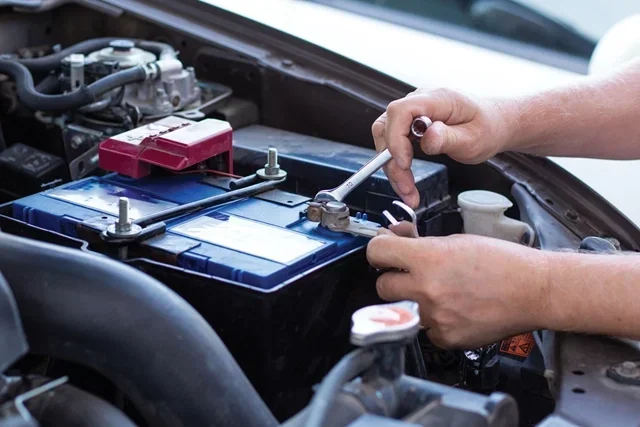
This is the most important safety step. Always disconnect the negative terminal first. Use a wrench to loosen the nut on the negative cable clamp. Once it is loose, carefully pull the cable off the battery post. Tuck the cable away so it cannot accidentally touch the battery terminal again.
Why the negative terminal first? Disconnecting the negative side prevents short circuits. If you accidentally touch a metal tool to the battery post while the positive terminal is still connected, you could create a spark. This could damage electrical components or even cause a fire. Always disconnect the negative side first to stay safe.
Step 4: Wait for the Recommended Time
Now comes the waiting part. Set a timer for 15 to 30 minutes. During this time, the ECU will fully drain and reset. Do not reconnect the battery early. Wait the full time to ensure the reset is complete.
While you are waiting, this is a good time to check other things. Look at the battery terminals for corrosion. Inspect the battery cables for wear. Check the electrolyte level if your battery is not sealed. Use this downtime to do a little extra vehicle maintenance.
Step 5: Reconnect the Negative Terminal
After the waiting period, take the negative cable and reconnect it to the battery post. Tighten the nut securely with your wrench. Make sure the connection is tight and there is no movement in the cable.
Step 6: Reconnect the Positive Terminal
Now reconnect the positive terminal. Again, tighten the nut firmly. The order matters here. Always reconnect the positive terminal after the negative terminal. This is the reverse of the disconnect order and follows proper safety protocol.
Step 7: Start the Car and Check the Light
Get in the car and start the engine. The check engine light may stay on for a few seconds after you start the car. This is normal. The ECU is booting up and running a quick self-check. If the light turns off after a few seconds, the reset was successful. If the light stays on or comes back on while driving, there is still an underlying issue that needs to be addressed.
When Battery Disconnect Works and When It Does Not
The battery disconnect method works well in many situations. But it is not a magic fix for every problem. Let us look at when it works and when it does not.
When It Works
- After a minor repair: If you just fixed a loose gas cap, replaced a faulty oxygen sensor, or repaired a small vacuum leak, the battery disconnect can clear the code successfully.
- After a battery replacement: New batteries sometimes trigger the check engine light due to voltage changes. A reset usually fixes this.
- After an oil change or service: Some service procedures can temporarily trigger the light. A battery reset clears these false codes.
- When the light is on but the car runs fine: Sometimes the check engine light comes on for a minor issue that does not affect driving. A reset can turn it off.
When It Does Not Work
- When the root problem is still present: If the check engine light was triggered by a failing catalytic converter, a misfiring engine, or low fluid levels, the light will return after the reset. The ECU will detect the same problem and store the code again.
- On vehicles with anti-theft systems: Some modern cars have anti-theft systems that require a relearn procedure after a battery disconnect. Simply reconnecting the battery may not be enough.
- When the light is flashing: A flashing check engine light is a sign of a serious problem, usually a misfire that could damage the catalytic converter. Do not just reset the light. Get the car inspected immediately.
- On vehicles that need a professional scan tool: Some diagnostic trouble codes can only be cleared with an OBD2 scanner or professional-grade tool. A battery disconnect will not clear these codes on certain models.
Alternative Methods to Reset the Check Engine Light
Battery disconnect is not the only way to reset the check engine light. There are other methods that can be faster and more effective. Let us explore them.
Using an OBD2 Scanner
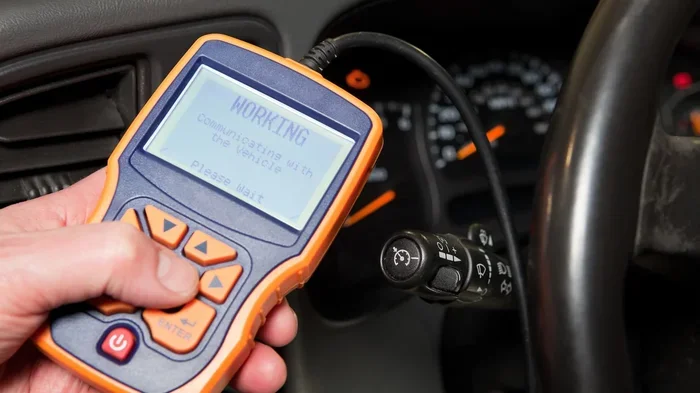
An OBD2 scanner is a handheld device that connects to your car’s diagnostic port. This port is usually located under the dashboard on the driver’s side. Once you plug in the scanner, it reads the diagnostic trouble codes stored in the ECU. You can then choose to clear the codes directly from the scanner.
This method is faster than a battery disconnect. It takes just a few minutes. It also gives you the added benefit of reading the codes first, so you know exactly what triggered the check engine light. OBD2 scanners range from basic models that cost under $30 to advanced wireless scanners that cost over $200.
Using a Scan Tool at an Auto Parts Store
Many auto parts stores, like AutoZone or O’Reilly, offer free diagnostic scanning. They will plug in their scan tool, read the codes for you, and clear them if you ask. This is a great option if you do not own a scanner and want a quick fix.
However, keep in mind that clearing the codes at the store does not fix the underlying problem. You still need to address whatever caused the light to come on in the first place.
The Drive Cycle Method
After resetting the check engine light, your car needs to go through a drive cycle. A drive cycle is a series of driving conditions that allow the ECU to relearn its settings and monitor all the sensors. During this cycle, the ECU checks whether the problem has been resolved.
A typical drive cycle involves starting the car, letting it idle for a few minutes, driving at various speeds, and then letting it idle again. The exact drive cycle varies by vehicle. Check your owner manual for the specific drive cycle procedure for your car. Completing the drive cycle properly helps ensure the check engine light stays off.
Common Mistakes to Avoid When Resetting the Engine Light
There are several common mistakes that car owners make when trying to reset the check engine light. Avoiding these can save you time, money, and frustration.
Mistake 1: Reconnecting the Battery Too Soon
This is the most common mistake. Many people disconnect the battery and wait only five minutes before reconnecting it. This is not enough time for the ECU to fully reset. Wait at least 15 minutes, and ideally 30 minutes for a complete reset.
Mistake 2: Ignoring the Root Cause
Resetting the light without fixing the problem is like putting a bandage on a wound that needs stitches. The light will come back, and the underlying issue could get worse over time. Always diagnose the problem first before you reset the light.
Mistake 3: Disconnecting the Positive Terminal First
We mentioned this earlier, but it is worth repeating. Always disconnect the negative terminal first. Disconnecting the positive terminal first increases the risk of short circuits and electrical damage.
Mistake 4: Forgetting to Reset the Radio and Clock
After a battery disconnect, you will likely lose your radio presets and clock settings. Some cars also need the power window calibration reset. Be prepared for these minor inconveniences. Keep your radio codes handy if your car requires them.
Mistake 5: Driving Aggressively After a Reset
After resetting the ECU, your car needs time to relearn. Avoid hard acceleration and high speeds for the first few drives. Let the ECU recalibrate itself gradually. This helps the system run smoothly and prevents the check engine light from returning.
Expert Insights on Resetting the Check Engine Light
We spoke with several certified automotive technicians to get their take on the battery disconnect method. Here is what they had to say.
Tom Reynolds, ASE Certified Master Technician: “I tell my customers that a battery disconnect is a good first step. It is simple and it works most of the time. But I also remind them that it is not a substitute for proper diagnosis. If the light comes back, they need to get the car scanned properly.”
Maria Chen, Automotive Instructor at a Technical College: “The key thing I always emphasize is patience. Wait the full 30 minutes. Also, make sure the connections are tight when you reconnect. A loose battery cable can cause all sorts of electrical issues, including a persistent check engine light.”
James Walker, Owner of a Local Auto Repair Shop: “In my shop, we use an OBD2 scanner for almost every check engine light reset. It is faster, more accurate, and gives us the codes to work with. But I do not discourage customers from trying a battery disconnect at home. It is a valid method when done correctly.”
Frequently Asked Questions
Can I leave my battery disconnected overnight?
Yes, you can leave the battery disconnected overnight without causing any harm to your vehicle. However, it is not necessary. Fifteen to thirty minutes is enough to reset the ECU. Leaving it disconnected overnight will not give you any additional benefit and will drain the battery if it is not connected to a maintainer.
Will resetting the check engine light erase my car’s error codes permanently?
If the underlying problem is fixed, the codes will not return and the light will stay off. But if the problem is still present, the ECU will detect it again and store the codes once more. The light will come back on. Always fix the root cause before resetting the codes.
Do I need any special tools to disconnect my car battery?
No special tools are needed. A basic wrench or socket set is enough to loosen the battery terminal clamps. A battery terminal cleaner brush can also be helpful if there is corrosion on the terminals. Beyond that, no special equipment is required.
How long does it take for the check engine light to turn off after reconnecting the battery?
In most cases, the light will turn off within a few seconds of reconnecting the battery and starting the engine. If the light stays on after a few start cycles, the reset may not have worked, or there is still an active problem that needs attention.
Is it safe to drive with the check engine light on?
If the light is solid and the car is running normally, it is usually safe to drive for a short distance. But if the light is flashing, pull over safely and turn off the engine. A flashing light indicates a serious problem, such as an engine misfire, that can cause immediate damage to the catalytic converter.
Can a loose gas cap trigger the check engine light?
Yes, a loose or faulty gas cap is one of the most common reasons for the check engine light to come on. The gas cap seals the fuel system and prevents fuel vapors from escaping. If it is loose, damaged, or missing, the EVAP system detects a leak and triggers the light. Tightening the cap or replacing it often resolves the issue.
Conclusion
Resetting the check engine light by unplugging the battery is a simple, effective, and free method that works for most vehicles. The recommended time to keep the battery disconnected is 15 to 30 minutes. This gives the ECU enough time to fully drain and clear all stored diagnostic trouble codes. Always disconnect the negative terminal first, wait the full time, and reconnect the terminals in the reverse order.
Remember that resetting the light is only the first step. It clears the code but does not fix the problem. If the underlying issue is still present, the light will return. Use this method as a starting point, not a permanent solution. For a more thorough diagnosis, consider using an OBD2 scanner to read the codes before and after the reset.
Whether you are dealing with a loose gas cap, a recent repair, or an unexplained warning light, knowing how to properly reset the check engine light gives you confidence and saves time. Follow the steps in this guide, be patient, and always prioritize safety. With the right approach, you can handle this common car issue like a pro.