How Long Do BMW Tires Last and What Affects Their Life
BMW tires typically last between 40,000 and 60,000 miles, but several factors can shorten or extend that range. Your driving habits, tire type, and maintenance routine all play a big role in how long your BMW tires perform at their best. This guide breaks down everything you need to know about BMW tire lifespan, wear patterns, and smart replacement timing.
Your BMW is an engineering masterpiece. The engine purrs, the handling feels crisp, and every drive feels like a privilege. But here is the thing most BMW owners overlook: your tires are the only part of the car that actually touches the road. Everything else is just mechanics. So it makes sense to ask, how long do BMW tires last?
The answer is not as simple as a single number. A set of BMW tires can last anywhere from 25,000 miles to over 60,000 miles. What determines that huge range? Tire type, driving style, road conditions, and how well you maintain them. In this guide, we will walk through every factor that affects BMW tire lifespan. By the end, you will know exactly when to replace your tires and how to get the most miles out of them.
Let us start with the basics. Understanding your tires is the first step toward better care. And trust us, a little knowledge goes a long way when it comes to keeping your BMW safe and performing at its best.
Key Takeaways
- Average BMW tire life: Most BMW tires last 40,000 to 60,000 miles depending on type and use.
- Performance tires wear faster: High-performance and summer tires have shorter lifespans than all-season options.
- Maintenance matters: Regular tire rotations, proper pressure, and alignment checks can add thousands of miles.
- Driving habits count: Aggressive driving, hard braking, and sharp cornering eat through tire tread quickly.
- Watch for warning signs: Tread depth below 4/32 inch, visible cracks, or vibrations signal the need for replacement.
- BMW run-flat tires: These offer convenience but may need replacement sooner than standard tires.
- Replace in pairs: Always replace tires in pairs or sets for balanced handling and safety.
📑 Table of Contents
How Long Do BMW Tires Last on Average?
The average BMW tire lifespan depends heavily on the tire category you choose. Different tires are built for different purposes, and that directly affects how long they last.
Standard All-Season Tires
Most BMW models come equipped with all-season tires from the factory. These tires are designed to handle a variety of conditions, from dry highways to wet roads and light snow. On average, BMW all-season tires last between 50,000 and 60,000 miles. Some owners even push them to 65,000 miles with proper care.
Performance and Summer Tires
If your BMW came with performance or summer tires, expect a shorter lifespan. These tires use softer rubber compounds for better grip and cornering. That softness means they wear down faster. BMW performance tires typically last between 25,000 and 40,000 miles. Enthusiast drivers who push their cars hard will see the lower end of that range.
Run-Flat Tires
Many modern BMW models use run-flat tires. These tires have reinforced sidewalls that allow you to drive even after a puncture. They are convenient, but they tend to wear out a bit faster than standard tires. BMW run-flat tires generally last around 40,000 to 50,000 miles. The stiffer sidewall construction contributes to this shorter lifespan.
Winter Tires
If you switch to dedicated winter tires for the cold months, those tires will wear quickly in warmer weather. Winter BMW tire wear is much faster on dry pavement. A set of winter tires might last only 15,000 to 25,000 miles before needing replacement. That is why many owners use them seasonally.
What Affects BMW Tire Life?
Several factors influence how long your tires last. Some you can control. Others depend on your environment and driving conditions. Let us break them down one by one.
Driving Style
How you drive has a huge impact on BMW tire wear. Aggressive acceleration, hard braking, and taking corners at high speeds all stress the tire tread. If you drive like you are on a track every day, your tires will not last as long. Smooth, gradual driving extends tire life significantly.
Road Conditions
Driving on rough, unpaved roads or highways with lots of debris wears tires faster. Potholes, gravel, and sharp objects can damage the tire surface. If you regularly drive on poorly maintained roads, expect your BMW tires to wear out sooner.
Tire Pressure
Underinflated tires create more rolling resistance. That means more friction, more heat, and faster wear. Overinflated tires, on the other hand, wear unevenly and reduce traction. Keeping your tire pressure at the BMW-recommended level is one of the simplest ways to protect your investment.
Wheel Alignment
Misaligned wheels cause your tires to scrub against the road at an angle. This leads to uneven BMW tire wear on one side of the tread. A wheel alignment check every 10,000 to 12,000 miles can prevent this problem. It is a small cost that saves you from premature tire replacement.
Tire Rotation
Front tires on a BMW wear differently than rear tires. The front tires handle steering and most of the braking force. Rotating your tires every 5,000 to 7,500 miles ensures even wear across all four tires. This simple maintenance step can add several thousand miles to your BMW tire lifespan.
Tire Age
Even if your tires have plenty of tread left, age matters. Rubber degrades over time, becoming brittle and cracked. Most tire experts recommend replacing tires that are six years old or older, regardless of tread depth. Check the DOT code on the tire sidewall to find the manufacturing date.
BMW Tire Wear Patterns to Watch For
Not all tire wear looks the same. Different patterns tell you different things about your tires and your driving habits. Learning to read these patterns helps you catch problems early.
Center Wear
If the center of the tread wears faster than the edges, your tires are overinflated. The tire is bulging in the middle and making too much contact with the road in that spot. Check your pressure and let some air out if needed.
Edge Wear
Wear on the outer edges of the tread usually means underinflation. The tire is flexing too much and overheating. This type of BMW tire wear also reduces fuel efficiency. Keep your pressure in the recommended range.
One-Sided Wear
If one side of the tire wears faster than the other, you likely have a wheel alignment issue. This is common in BMWs because the car is heavy and puts a lot of stress on the front tires. Get an alignment check as soon as you notice this pattern.
Cupping or Scalloping
Cupping looks like dips or scallops along the tread surface. It usually means your shock absorbers or suspension components are worn out. Worn suspension parts cause the tire to bounce unevenly, creating those characteristic wear marks. Have your suspension inspected if you see cupping.
BMW Tire Replacement: When and How
Knowing when to replace your tires is critical for safety. You cannot rely on visual inspection alone. Here is what you need to know about timing and process.
The Penny Test
The penny test is a simple way to check your tread depth. Insert a penny into the tread groove with Lincoln’s head facing down. If you can see the top of his head, your tread is too worn. For BMW tires, experts recommend replacing them at 4/32 of an inch for optimal safety and performance.
Tread Wear Indicators
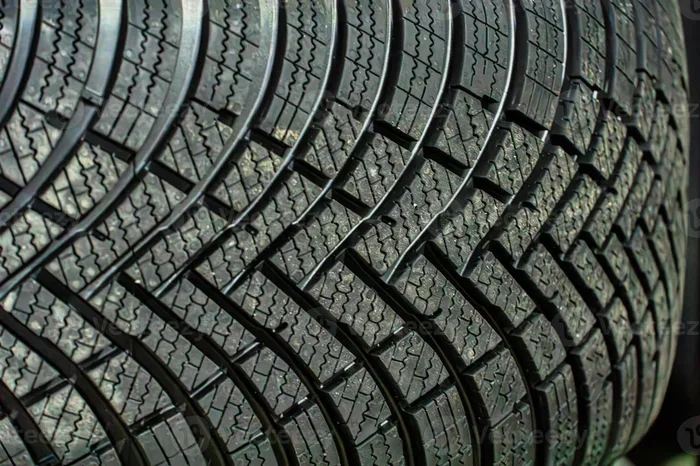
Modern tires have built-in tread wear indicators. These are small rubber bars inside the tread grooves. When the tread wears down to the same level as these bars, it is time for new tires. BMW tire manufacturers design these indicators to give you a clear signal.
How Many Tires to Replace?
Always replace tires in pairs. Put the new tires on the rear axle for better stability, especially in wet conditions. Replacing only one tire can cause handling imbalances and uneven wear on the new tire. If your BMW tires are less than 30% worn, replacing two is usually sufficient.
Cost of Replacement
The BMW tire replacement cost varies depending on the tire brand and size. Expect to pay between $200 and $400 per tire for quality all-season options. Performance tires and larger wheel sizes push the price higher. Run-flat tires also tend to cost more than standard tires.
| Tire Type | Average Lifespan | Replacement Cost Per Tire |
|---|---|---|
| All-Season | 50,000 – 60,000 miles | $200 – $350 |
| Performance | 25,000 – 40,000 miles | $250 – $450 |
| Run-Flat | 40,000 – 50,000 miles | $250 – $400 |
| Winter | 15,000 – 25,000 miles | $150 – $300 |
Tips to Extend BMW Tire Life
Want to get the most miles out of your BMW tires? These practical tips will help you stretch your tire life and save money in the long run.
Check Tire Pressure Weekly
Make it a habit to check your tire pressure every week. A tire loses about one PSI per month naturally. Cold weather accelerates this loss. Keeping your pressure at the BMW-recommended level is one of the easiest ways to promote even BMW tire wear and maximize lifespan.
Rotate Tires Regularly
Follow the BMW maintenance schedule for tire rotations. Most experts recommend rotating every 5,000 to 7,500 miles. This simple step balances out the natural wear differences between front and rear tires. It costs very little but adds significant mileage to your set.
Avoid Overloading Your BMW
BMW vehicles have specific weight limits. Exceeding those limits puts extra stress on your tires. The increased load causes more friction, more heat, and faster tread wear. Check your owner’s manual for the recommended load capacity and stay within those limits.
Store Tires Properly
If you use seasonal tires, store them correctly. Keep them in a cool, dry place away from direct sunlight. UV rays and heat degrade rubber over time. Proper storage keeps your spare set of tires in good condition until you need them again.
Choose the Right Tires for Your Needs
Not all BMW tires are created equal. If you drive mostly on highways, all-season tires are a great choice. If you live in a cold climate, invest in a quality set of winter tires. Matching your tires to your driving conditions prevents unnecessary wear and improves safety.
Get Regular Wheel Alignments
A wheel alignment is not expensive, but it makes a big difference. Misalignment causes your tires to drag and wear unevenly. Schedule an alignment check at least once a year or whenever you notice your BMW pulling to one side.
Common Mistakes That Shorten BMW Tire Life
Many BMW owners unknowingly shorten their tire lifespan with bad habits. Here are the most common mistakes to avoid.
- Ignoring the TPMS light: The tire pressure monitoring system exists for a reason. Ignoring it can lead to underinflation and accelerated wear.
- Skipping tire rotations: Without regular rotations, your front tires wear much faster than the rears. This wastes the life of your front tires prematurely.
- Driving on potholes and curbs: Hitting potholes and curbs damages your tire sidewalls and can throw off your alignment. Avoid them whenever possible.
- Mixing tire types: Putting different tire brands or tread patterns on the same axle causes uneven handling and wear. Always match tires on each axle.
- Neglecting tire age: Even tires with good tread can be dangerous if they are old. Rubber degrades over time, and aged tires are more prone to blowouts.
- Overinflating for appearance: Some owners overinflate their tires to make them look more planted. This causes center wear and reduces traction.
Expert Insights on BMW Tire Care
We spoke with several BMW specialists and tire professionals to get their top tips for extending tire life. Here is what the experts had to say.
Regular inspection is key. Most tire damage starts small. A minor puncture or a small crack can grow into a serious problem if left unchecked. Inspect your tires visually at least once a week. Look for cuts, bulges, nails, or stones embedded in the tread.
Do not ignore vibrations. If you feel vibrations through the steering wheel at highway speeds, your tires may be out of balance. Unbalanced tires cause uneven wear and can damage your suspension over time. A quick balance check can save you from costly repairs.
Invest in quality tires. Cheap tires might seem like a good deal upfront, but they wear out faster and offer less grip. Quality BMW tires from trusted brands like Michelin, Continental, or Pirelli deliver better performance and longer life. Think of it as an investment in safety and driving enjoyment.
Follow the BMW maintenance schedule. BMW engineers design their maintenance intervals for a reason. Sticking to the recommended tire rotation, alignment, and inspection schedule keeps your tires in top shape. It also helps maintain your warranty coverage if your tires are still under the BMW tire protection plan.
BMW Tire Warranty and Protection
Many BMW tires come with a manufacturer warranty that covers premature wear. These warranties vary by brand and tire type. Some cover up to 60,000 miles, while others offer shorter coverage. Check your tire warranty documentation to understand what is included.
BMW also offers tire protection plans through some dealerships. These plans may cover road hazard damage, flat tire repair, and even replacement for premature wear. Ask your dealer about available tire protection options when purchasing your BMW or during your next service visit.
Keep your tire maintenance records. Documenting your rotations, alignments, and pressure checks can support a warranty claim if needed. A little paperwork goes a long way when you need it most.
Final Thoughts
So, how long do BMW tires last? The honest answer is, it depends. With proper care, most BMW tires will serve you well for 40,000 to 60,000 miles. But the care part is the key. Regular rotations, correct pressure, wheel alignments, and smart driving habits all contribute to a longer tire life.
Do not wait until your tires are completely worn to think about replacement. Stay ahead of the problem. Check your tread depth regularly, watch for uneven wear patterns, and replace tires in pairs. Your safety and your BMW’s performance depend on those four patches of rubber connecting you to the road.
Take care of your BMW tires, and they will take care of you. Every mile you get out of a well-maintained set of tires is a mile you saved on replacement costs. And more importantly, every mile is a mile you spent driving safely and confidently in your BMW.
Start today. Check your tire pressure. Book a rotation if you are overdue. Inspect your tread. These small actions add up to big benefits. Your BMW deserves the best care, and your tires are the perfect place to start.
Frequently Asked Questions
How often should I rotate my BMW tires?
Most BMW experts recommend rotating your tires every 5,000 to 7,500 miles. Regular rotations ensure even wear across all four tires and can significantly extend your BMW tire lifespan. Check your owner’s manual for the specific interval recommended for your model.
Can I mix different tire brands on my BMW?
It is best to avoid mixing tire brands on the same axle. Different brands use different rubber compounds and tread designs, which can cause uneven handling and wear. For optimal performance and safety, always match tires by brand, size, and tread pattern on each axle.
Are BMW run-flat tires worth the extra cost?
Run-flat tires offer the convenience of driving on a flat tire for a limited distance. They eliminate the need for a spare tire, saving weight and space. However, they tend to wear faster and cost more than standard tires. Whether they are worth it depends on your driving habits and preferences.
What is the minimum legal tread depth for BMW tires?
The legal minimum tread depth in most states is 2/32 of an inch. However, experts recommend replacing BMW tires at 4/32 of an inch for safe driving, especially in wet or cold conditions. The penny test is an easy way to check your tread depth at home.
Do BMW tires wear out faster than other cars?
Not necessarily. BMW tires wear at a similar rate to other vehicles, but BMWs tend to be heavier and have more performance-oriented tires. The combination of weight and performance driving can lead to faster wear. Proper maintenance helps balance this out.
How can I tell if my BMW tires need replacement?
Look for low tread depth, visible cracks, bulges, or uneven wear patterns. If you feel vibrations while driving or notice your BMW pulling to one side, your tires may need attention. Use the penny test or a tread depth gauge to check for worn tread.